Home Visit
 Upload






Preventive Healthcare
Hemiplegia: Causes, Symptoms, and Types Explained
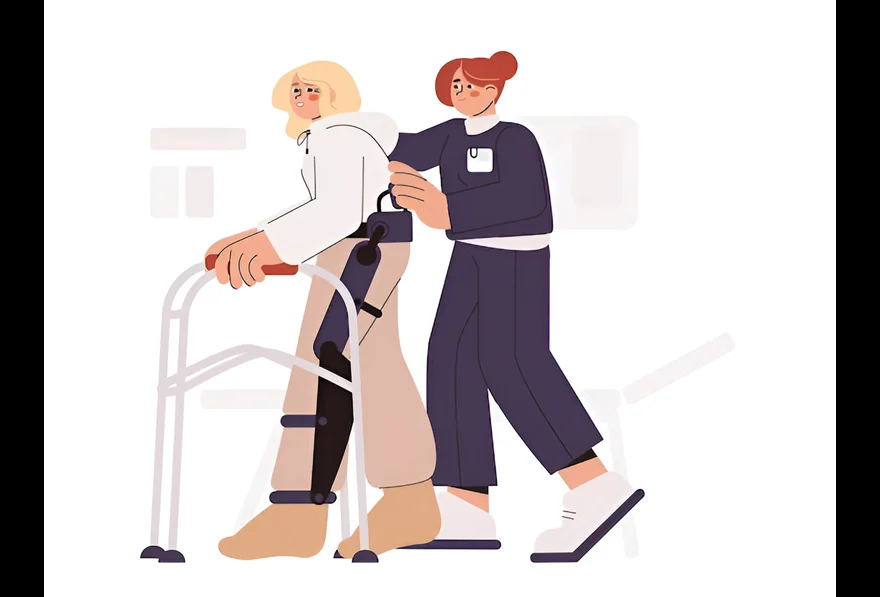
Table of Contents
What is Hemiplegia?
Hemiplegia refers to paralysis or significant weakness affecting one side of the body. The meaning of hemiplegia comes from the Greek words "hemi", meaning half, and "plegia", meaning paralysis. Hemiplegia typically impacts the arm, leg, and sometimes face on the same side.
While not a disease in itself, hemiplegia is a symptom of an underlying neurological condition or injury, most commonly stroke, traumatic brain injury, brain tumours, or cerebral palsy. Depending on the specific cause, hemiplegia may be temporary or permanent.
The extent of paralysis varies from person to person. Some individuals experience complete paralysis and inability to move the affected side, while others retain some degree of muscle control and sensation. Hemiplegia can also be accompanied by other neurological deficits such as:
- Difficulty with speech and swallowing
- Visual disturbances
- Cognitive challenges
- Behavioral and emotional changes
For example, a person with left hemiplegia after a stroke may have slurred speech, weakness in their left arm and leg, and trouble with memory and concentration. Another individual with cerebral palsy might have spastic hemiplegia, characterised by jerky movements and muscle tightness on one side of the body.
Hemiplegia can significantly impact a person's mobility, independence, and quality of life. However, with timely treatment, rehabilitation, and support, many people with hemiplegia are able to regain function, adapt to their limitations, and lead fulfilling lives. Understanding the meaning of hemiplegia, its causes and symptoms, is an important first step in getting the right care.
Types of Hemiplegia
There are different types of hemiplegia based on the specific movement problems experienced:
Spastic Hemiplegia
Spastic hemiplegia is the most common type, marked by muscle stiffness and spasms on the affected side. The increased muscle tone can cause the arm to be bent and pressed against the chest and the leg to be straight with a pointed foot. Spastic hemiplegia is often seen in cerebral palsy.
Athetoid Hemiplegia
Athetoid or dyskinetic hemiplegia involves uncontrolled, slow, "stormy" movements on one side of the body. The abnormal muscle contractions can cause twisting of the affected limbs. This type is less common and also associated with cerebral palsy.
Flaccid Hemiplegia
Flaccid hemiplegia causes decreased muscle tone, making the muscles loose and floppy. There is little to no movement in the affected limbs, which appear relaxed and limp. Flaccid paralysis may occur immediately after a stroke or brain injury.
Causes of Hemiplegia
Hemiplegia causes include any damage or abnormalities in the brain or spinal cord that disrupt nerve signals controlling movement on one side of the body. The most common hemiplegia causes are:
- Stroke: A stroke that damages one side of the brain is the leading cause of hemiplegia in adults. Ischaemic strokes (blockage of blood flow) and haemorrhagic strokes (bleeding in the brain) can both lead to one-sided paralysis.
- Traumatic brain injury (TBI): Severe blows or jolts to the head from accidents, falls, or assaults can injure the brain and cause hemiplegia. The paralysis is usually on the side of the body opposite the side of the brain that was injured.
- Brain tumours: Cancerous or noncancerous growths in the brain can compress and damage surrounding brain tissue, leading to hemiplegia if the tumour affects the movement control centres on one side.
- Cerebral palsy: This group of neurological disorders that affect movement and muscle coordination is the most common cause of hemiplegia in children. It results from abnormal brain development or injury during pregnancy, birth, or early infancy.
Other causes include brain infections, neurodegenerative disorders, and spinal cord injuries. In some cases, the exact cause of hemiplegia may not be identified.
Signs and Symptoms
The primary symptom of hemiplegia is weakness or paralysis on one side of the body. However, the specific signs can vary depending on the underlying cause and the areas of the brain affected. Common symptoms include:
- Weakness or inability to move the arm, leg, or face on one side
- Muscle stiffness and spasms (spastic hemiplegia)
- Uncontrolled, slow writhing movements (athetoid hemiplegia)
- Limp, floppy muscles (flaccid hemiplegia)
- Difficulty with balance and coordination
- Trouble walking or gait abnormalities
In addition to movement problems, a person with hemiplegia may experience:
- Facial drooping or weakness
- Slurred speech or difficulty speaking (dysarthria)
- Trouble swallowing (dysphagia)
- Numbness or altered sensation on the affected side
- Vision problems
- Spatial awareness deficits
- Cognitive changes like memory loss or confusion
- Mood swings, emotional lability, or depression
Hemiplegia symptoms can range from mild to severe and may fluctuate over time. For instance, a person recovering from a stroke might initially have complete flaccid paralysis that gradually improves to some degree of movement with rehabilitation. Children with hemiplegia due to cerebral palsy often have developmental delays as well.
How Hemiplegia is Diagnosed
Diagnosing hemiplegia involves a thorough evaluation to identify the underlying cause. The process typically includes:
- Medical history: The healthcare provider will ask about the onset and progression of symptoms, any prior medical conditions, and family history of neurological disorders.
- Physical and neurological examination: This assesses the person's strength, reflexes, sensation, coordination, and overall functioning. The pattern of weakness and specific deficits helps localise the affected brain region.
- Brain imaging: CT or MRI scans can detect strokes, tumours, traumatic injuries, and other abnormalities in the brain that may be causing the hemiplegia. These detailed images guide both diagnosis and treatment planning.
- Additional tests: Depending on the suspected cause, further testing might include:
- Electroencephalography (EEG) to check for seizures
- Electromyography (EMG) and nerve conduction studies to evaluate nerve and muscle function
- Angiography to visualize blood vessels in the brain
- Lumbar puncture to rule out infections
- Genetic testing for hereditary conditions
An accurate diagnosis is essential for determining the most appropriate hemiplegia treatment and management strategies.
Treatment and Rehabilitation
Hemiplegia treatment aims to maximise function, prevent complications, and improve quality of life. The approach depends on the underlying cause, severity of symptoms, and individual needs. Core components include:
- Treating the underlying cause: This may involve medications to dissolve blood clots in ischaemic stroke, surgery to remove brain tumours, or interventions to manage cerebral palsy symptoms.
- Rehabilitation therapies: A customised rehabilitation programme is crucial for recovery. This includes:
- Physical therapy to improve strength, flexibility, and mobility
- Occupational therapy to develop adaptive skills for daily activities
- Speech therapy to address communication and swallowing difficulties
- Medications: Drugs may be prescribed to manage specific symptoms:
- Muscle relaxants for spasticity
- Anticonvulsants for seizures
- Antidepressants for mood disorders
- Assistive devices: Mobility aids like canes, walkers, and wheelchairs, as well as orthotics and functional electrical stimulation devices, can enhance independence.
- Lifestyle modifications: Adapting the home environment, learning compensatory strategies, and making healthy lifestyle choices support overall well-being.
Living with Hemiplegia: Tips and Adaptations
Living with hemiplegia involves adapting daily activities and seeking support to enhance independence and well-being. Hemiplegia treatment often includes:
- Physical therapy to strengthen muscles and improve coordination
- Occupational therapy to learn adaptive techniques for self-care tasks
- Speech therapy for those with facial or speech difficulties
Using assistive devices like canes, walkers, or modified utensils can aid mobility and daily functioning. Home modifications such as installing ramps or grab bars promote safety and accessibility.
Maintaining a regular exercise routine tailored to individual abilities helps prevent muscle stiffness and improves circulation. Engaging in enjoyable hobbies and social activities boosts mental well-being.
Caregivers play a vital role in providing practical and emotional support. They should encourage patience, celebrate small victories, and help the person with hemiplegia set realistic goals. Joining support groups can offer valuable connections and coping strategies for both individuals with hemiplegia and their loved ones.
Prognosis and Outlook
The outlook for hemiplegia depends on the underlying cause, severity, and how quickly treatment begins. Early intervention with intensive rehabilitation significantly improves functional recovery, although some degree of weakness may persist.
Hemiplegia caused by stroke or brain injury often involves long-term challenges, but many people make substantial progress with ongoing therapy. Hemiplegia resulting from temporary conditions like infections may resolve with treatment of the underlying issue.
Children with hemiplegia, particularly from cerebral palsy or genetic causes, typically require lifelong support but can develop important skills through consistent therapy.
While complete recovery is uncommon, advances in neurorehabilitation and assistive technologies have greatly enhanced outcomes. Many individuals with hemiplegia lead fulfilling lives by focusing on their abilities rather than limitations.
However, some people may experience complications such as muscle tightness, pain, or depression, requiring ongoing management. Regular follow-up with a healthcare team is essential to monitor progress and address any challenges that arise.
When to Seek Medical Attention
Sudden onset of hemiplegia symptoms warrants immediate medical attention, as it may signal a stroke or brain injury needing urgent treatment to minimise lasting damage. Seek emergency care for:
- Abrupt weakness or paralysis on one side of the body
- Difficulty speaking or understanding speech
- Facial drooping, especially on one side
- Severe headache with no known cause
- Confusion or trouble walking
For those with existing hemiplegia, promptly consult a doctor if symptoms worsen unexpectedly, new pain arises, or signs of complications like skin breakdown appear. Swift medical evaluation ensures timely treatment to support optimal recovery.
Conclusion
Hemiplegia, or paralysis affecting one side of the body, stems from various neurological conditions. While it presents significant daily challenges, specialised hemiplegia treatment and adaptive strategies offer hope for enhancing function and independence.
If you or a loved one are navigating hemiplegia, remember that you're not alone. Metropolis Healthcare's expert diagnostics and commitment to personalised care can help you make informed health decisions. With a network of advanced labs across India and convenient at-home sample collection, getting the medical insights you need is within reach.