Home Visit
 Upload






Preventive Healthcare
Visceral Fat: How to Reduce the Most Dangerous Type of Fat
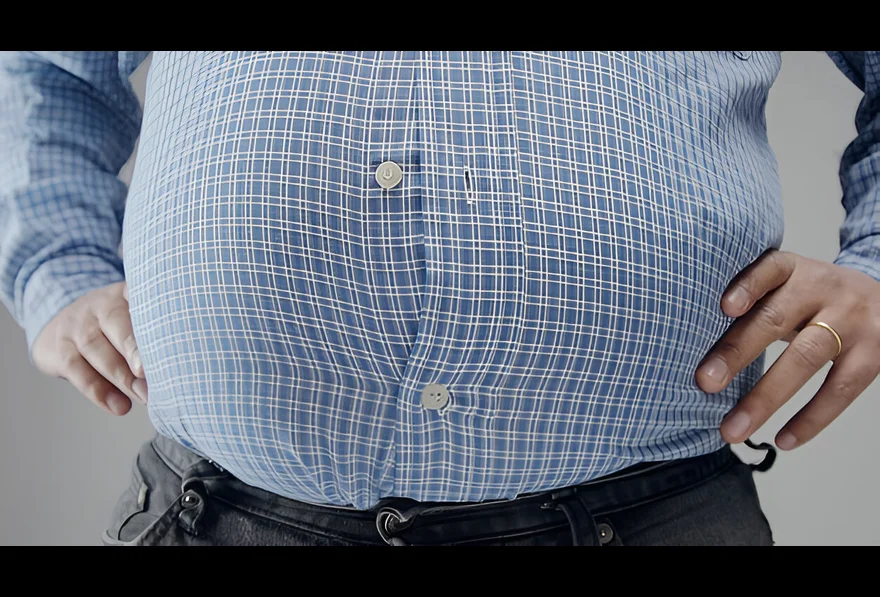
Table of Contents
What is visceral fat?
Visceral fat is a type of body fat stored deep within the abdominal cavity, wrapping around vital organs like the liver, stomach, and intestines. Unlike subcutaneous fat, which you can see and pinch, visceral fat is hidden beneath the abdominal muscles. Even if you have a flat stomach, you may still have high levels of visceral fat.
While some visceral fat is necessary to cushion and protect your organs, excess amounts are metabolically active and can harm your health. Visceral fat releases inflammatory substances and hormones that disrupt normal body functions, increasing your risk of chronic diseases. Understanding the meaning of visceral fat and its unique characteristics is the first step in learning how to manage it effectively.
What's the difference between visceral fat and subcutaneous fat?
The main differences between visceral fat and subcutaneous fat lie in their location and health impact. Subcutaneous fat is located just beneath the skin, while visceral fat is found deep within the abdominal cavity, surrounding the organs.
While subcutaneous fat makes up most of our body fat and serves as an energy reserve, visceral fat is more metabolically active and releases harmful substances. Excess visceral fat is strongly linked to increased inflammation, insulin resistance, and a higher risk of chronic diseases compared to subcutaneous fat. Identifying and targeting visceral fat is crucial for overall health.
Why is visceral fat dangerous?
Visceral fat is particularly dangerous because it's not just a passive fat storage site; it actively releases substances that can harm your health. This "active fat" produces inflammatory chemicals and hormones that disrupt normal body functions, leading to insulin resistance, systemic inflammation, and metabolic disturbances.
Excess visceral fat surrounds vital organs, interfering with their function and releasing fatty acids directly into the liver, contributing to fatty liver disease. The inflammatory environment created by visceral fat also damages blood vessels, increasing the risk of heart disease and stroke.
Additionally, high levels of visceral fat are associated with a greater likelihood of developing type 2 diabetes, certain cancers, and other chronic conditions. Understanding the dangers of excess visceral fat emphasises the importance of taking steps to reduce it.
What causes visceral fat?
Several factors contribute to the accumulation of visceral fat, including:
- Diet: Consuming a diet high in processed foods, refined carbohydrates, and unhealthy fats promotes visceral fat gain.
- Lack of physical activity: A sedentary lifestyle and insufficient exercise reduce calorie burn and contribute to visceral fat buildup.
- Stress: Chronic stress elevates cortisol levels, a hormone that encourages fat storage around the abdomen.
- Hormonal changes: Ageing-related declines in sex hormones like oestrogen and testosterone can lead to fat redistribution and increased visceral fat.
- Genetics: Some individuals may be genetically predisposed to storing fat as visceral fat.
Other factors like poor sleep, smoking, and excessive alcohol consumption can also exacerbate visceral fat accumulation. People with apple-shaped bodies or central obesity, characterised by a larger waist circumference, are more likely to have higher levels of visceral fat.
To reduce visceral fat, it's essential to address these underlying causes through lifestyle changes such as adopting a balanced diet, increasing physical activity, managing stress, and improving sleep quality.
Health risks of visceral fat
Understanding what is visceral fat is means knowing that it significantly increases the risk of several serious health conditions, including:
- Metabolic syndrome: A cluster of conditions including high blood pressure, elevated blood sugar, abnormal cholesterol levels, and increased waist circumference.
- Type 2 diabetes: Visceral fat contributes to insulin resistance, a key factor in developing type 2 diabetes.
- Cardiovascular disease: The inflammatory substances released by visceral fat can damage blood vessels, increasing the risk of heart attack and stroke.
- Non-alcoholic fatty liver disease (NAFLD): Excess visceral fat can lead to fat accumulation in the liver, causing inflammation and potential liver damage.
- Certain cancers: Higher levels of visceral fat are associated with an increased risk of colorectal, breast, and other cancers.
- Sleep apnea: Visceral fat can affect breathing and contribute to sleep disorders like sleep apnea.
The numerous health risks associated with excess visceral fat highlight the importance of taking proactive steps to reduce it. By understanding the dangers and making lifestyle changes, you can lower your risk of these serious conditions and improve your overall health.
How to measure visceral fat
Measuring visceral fat accurately usually requires advanced imaging techniques like CT scans or MRI, which can differentiate between visceral and subcutaneous fat. However, these methods are expensive and not routinely used for screening.
Instead, healthcare providers often use indirect methods to estimate visceral fat levels:
- Waist circumference: Measuring the circumference around your waist can provide a rough estimate of abdominal fat, including visceral fat. A waist circumference greater than 35 inches for women or 40 inches for men indicates an increased risk of health problems.
- Waist-to-hip ratio: Dividing your waist circumference by your hip circumference can help assess body fat distribution. A ratio above 0.85 for women or 0.9 for men suggests higher levels of visceral fat.
- Body mass index (BMI): While BMI doesn't directly measure visceral fat, it provides an overall estimate of body fat. A BMI of 30 or higher is considered obese and often correlates with higher visceral fat levels.
If you're concerned about how to lose visceral fat, talk to your healthcare provider. They can assess your risk factors and recommend appropriate tests or screenings.
How to reduce visceral fat naturally
Understanding what is visceral fat and learning ways on how to lose visceral fat naturally is crucial for overall well-being. And this can be achieved through consistent lifestyle changes.
Exercise
- Aim for at least 30 minutes of moderate-intensity aerobic activity (like brisk walking, cycling, or swimming) most days of the week.
- Include resistance training 2–3 times a week to build muscle and boost metabolism.
- High-Intensity Interval Training (HIIT) can help burn more fat in less time.
- Engage in daily physical activity—take stairs, walk after meals, or stretch regularly.
- Stay consistent; long-term exercise habits are key to reducing visceral fat.
Eat a Healthy Diet
- Focus on whole foods—fruits, vegetables, lean proteins, whole grains, and healthy fats.
- Reduce added sugars and refined carbohydrates which promote fat storage.
- Include fibre-rich foods (like legumes, oats, and greens) to improve digestion and satiety.
- Avoid trans fats and highly processed foods that increase belly fat.
- Incorporate omega-3-rich foods (like walnuts, flaxseeds, and fatty fish) for fat-burning support.
Intermittent Fasting
- Follow a pattern like 16:8—fast for 16 hours and eat within an 8-hour window.
- Helps reduce insulin levels and increase fat burning.
- Can improve metabolism and reduce overall calorie intake without conscious restriction.
- Choose nutrient-dense meals during eating periods to maintain energy levels.
- Consult a healthcare professional before starting, especially if you have medical conditions.
Good Sleep Hygiene
- Aim for 7–9 hours of uninterrupted sleep each night.
- Poor sleep can raise cortisol levels and promote visceral fat storage.
- Maintain a consistent sleep schedule—even on weekends.
- Avoid screens, heavy meals, and caffeine before bedtime.
- Create a calming bedtime routine to improve sleep quality.
Reduce Your Stress
- Chronic stress raises cortisol, which is linked to increased belly fat.
- Practice mindfulness activities like meditation, yoga, or deep breathing.
- Take regular breaks from work or devices to unwind.
- Engage in hobbies and positive social interactions to uplift your mood.
- Consider journaling or talking to a therapist to manage emotional stressors.
Limit Your Alcohol Intake
- Alcohol is high in empty calories and can lead to fat accumulation around organs.
- Reduce the frequency and portion size of alcoholic drinks.
- Opt for alcohol-free days each week to give your body time to recover.
- Choose lighter options (like dry wine or light beer) if you drink occasionally.
- Staying hydrated with water or herbal teas can reduce cravings for alcohol.
Losing visceral fat is vital for overall health. Metropolis Healthcare offers trusted diagnostic services with convenient at-home sample collection, helping you track key health markers and stay committed to your fitness journey.
FAQs
Does visceral fat come back after losing it?
Yes, visceral fat can return if healthy habits aren't maintained. To prevent regain, continue regular exercise, eat a balanced diet, manage stress, and avoid excessive alcohol. Consistency is key to keeping visceral fat off long-term.
How long does it take to reduce visceral fat?
Reduction varies based on age, diet, activity level, and metabolism. With consistent lifestyle changes, some people see results in 2–3 months. Visible reduction may take longer, but internal improvements start earlier.
Is visceral fat the same as belly fat?
Not exactly. Belly fat includes both subcutaneous fat (under the skin) and visceral fat (around organs). Visceral fat is deeper and more harmful, increasing the risk of heart disease, diabetes, and other conditions.
Does visceral fat burn first?
Not specifically. Fat loss occurs throughout the body based on genetics and overall health. However, visceral fat is metabolically active and may reduce more quickly with proper diet and exercise than subcutaneous fat.