Home Visit
 Upload






Preventive Healthcare
World Tuberculosis Day 2026: Theme, Importance and Global Efforts to End TB
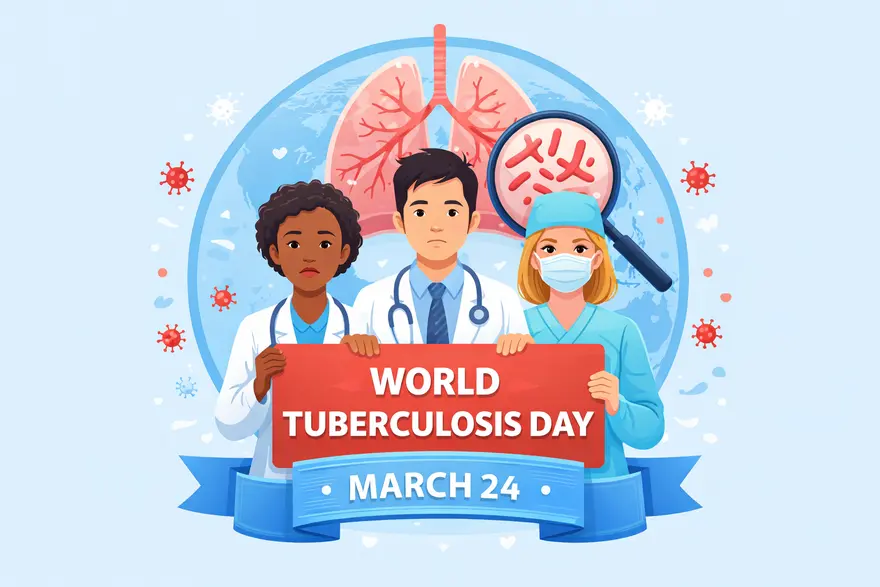
Table of Contents
- What Is World Tuberculosis Day?
- World Tuberculosis Day 2026 Theme
- History Of World Tuberculosis Day (WTBD)
- Importance Of World Tuberculosis Day
- Types Of Tuberculosis
- Global TB Statistics 2026 (Latest WHO Data)
- TB Situation In India
- How TB Spreads
- Symptoms Of Tuberculosis
- Who Is At Higher Risk Of TB?
- TB Diagnosis: Tests And Screening
- Importance Of Early Detection
- TB Treatment And DOTS Strategy
- Drug-Resistant TB: A Growing Concern
- TB Prevention Tips
- Common TB Myths vs Facts
- Innovations In TB Diagnosis And Treatment
- WHO And Global TB Elimination Initiatives
- India’s National TB Elimination Program
- How Individuals Can Contribute To TB Awareness
- When To Get Tested For TB
- Conclusion: Ending TB Requires Collective Action
- FAQs
World Tuberculosis Day 2026 is observed every year on 24 March to raise awareness about the health, social, and economic impact of tuberculosis (TB). The date commemorates the 1882 discovery of Mycobacterium tuberculosis by Dr. Robert Koch, a breakthrough that paved the way for modern TB diagnosis and treatment.
The World Tuberculosis Day 2026 theme, “Yes! We Can End TB: Led by Countries, Powered by People,” highlights the importance of strong country leadership, community participation, and strengthened healthcare systems to accelerate progress toward eliminating TB. Although tuberculosis is preventable and curable, it remains one of the world’s leading infectious diseases, making awareness, early diagnosis, and timely treatment crucial to ending the epidemic.
What Is World Tuberculosis Day?
World Tuberculosis Day is observed annually on 24 March to raise global awareness about tuberculosis (TB) and its significant health, social, and economic impact. The date marks Dr. Robert Koch’s discovery of Mycobacterium tuberculosis in 1882, a milestone that enabled modern methods of TB diagnosis and treatment.
This international awareness day aims to educate the public about TB symptoms, prevention, and the importance of early testing, while encouraging stronger political commitment and community action to eliminate the disease.
Governments, healthcare organisations, and communities observe the day through awareness campaigns and public health initiatives that promote early diagnosis, reduce stigma, and strengthen global efforts to end tuberculosis.
World Tuberculosis Day 2026 Theme
The World Tuberculosis Day 2026 theme is “Yes! We Can End TB: Led by Countries, Powered by People.” It emphasises that eliminating tuberculosis requires strong leadership from national governments along with active participation from communities, healthcare workers, survivors, and civil society.
The theme highlights the importance of strengthening health systems, improving access to early diagnosis and treatment, and increasing investment in TB prevention and care.
By focusing on country-led action and community-driven efforts, it reinforces a hopeful message that with sustained commitment, innovation, and collective responsibility, ending TB as a global public health threat is achievable.
Year By Year Themes Of World Tuberculosis Day
The themes of World Tuberculosis Day highlight the global commitment to eliminating TB through stronger policies, investment, innovation, and community action.
- 2026: Yes! We Can End TB: Led by Countries, Powered by People
- 2025: Yes! We Can End TB: Commit, Invest, Deliver
- 2024: Yes! We Can End TB
- 2023: Yes! We Can End TB
- 2022: Invest To End TB. Save Lives
- 2021: The Clock Is Ticking
- 2020: It’s Time To End TB
- 2019: It’s Time
- 2018: Wanted: Leaders For A TB-Free World
- 2017: Unite To End TB
- 2016: Unite To End TB
- 2015: Gear Up To End TB
Each theme reflects the evolving global focus on awareness, early diagnosis, improved treatment access, and collective action to end tuberculosis as a public health threat.
History Of World Tuberculosis Day (WTBD)
The history of World Tuberculosis Day (WTBD) traces back to 24 March 1882, when Dr. Robert Koch announced the discovery of Mycobacterium tuberculosis, the bacterium that causes tuberculosis. This scientific breakthrough paved the way for the development of diagnostic methods and effective treatments for the disease.
To honour this milestone, the World Health Organization (WHO) and the International Union Against Tuberculosis and Lung Disease established World Tuberculosis Day in 1982, marking the 100th anniversary of the discovery and promoting global awareness about TB prevention, early detection, and treatment.
Importance Of World Tuberculosis Day
The importance of World Tuberculosis Day lies in raising global awareness about the health, social, and economic impact of tuberculosis. Observed annually on 24 March, the day highlights that TB remains one of the world’s leading infectious diseases despite being preventable and curable.
It encourages governments, healthcare organisations, and communities to strengthen efforts in prevention, early diagnosis, and treatment while increasing investment in research and healthcare systems.
The observance also helps reduce stigma associated with TB and encourages people to seek timely testing and care, which is essential for controlling the spread of the disease.
can you combine these options and create a new for the faq in a para -
Types Of Tuberculosis
Tuberculosis can affect the lungs as well as other parts of the body. Based on how the infection behaves and where it spreads, TB is classified into several types:
- Latent TB Infection (LTBI): The TB bacteria remain inactive in the body and do not cause symptoms. People with latent TB are not contagious, but the infection can become active if the immune system becomes weak.
- Active TB Disease: The bacteria become active and multiply in the body, causing symptoms such as persistent cough, fever, night sweats, and weight loss. This form can spread to others if it affects the lungs.
- Pulmonary TB: The most common form of tuberculosis that affects the lungs and spreads through airborne droplets when an infected person coughs, sneezes, or speaks.
- Extrapulmonary TB: Occurs when TB bacteria spread beyond the lungs to other organs such as the lymph nodes, bones, brain, kidneys, or abdomen.
- Military TB: A rare but severe form in which TB bacteria spread through the bloodstream and affect multiple organs throughout the body.
- Drug-Resistant TB: Includes multidrug-resistant TB (MDR-TB) and extensively drug-resistant TB (XDR-TB), where the bacteria become resistant to standard TB medications, making treatment more complex and prolonged.
Recognising these types helps healthcare professionals diagnose TB accurately and provide the most appropriate treatment.
Global TB Statistics 2026 (Latest WHO Data)
Tuberculosis remains a major global health concern and one of the leading causes of death from infectious diseases worldwide, highlighting the urgent need for stronger prevention, early diagnosis, and effective treatment.
Key Global TB Statistics:
- Estimated Cases (2024): Around 10.7 million people developed tuberculosis globally.
- New Diagnoses: Approximately 8.3 million TB cases were officially reported and treated, the highest number recorded so far.
- TB-Related Deaths: About 1.23 million people died from TB, including around 150,000 deaths among people living with HIV.
- Drug-Resistant TB: Nearly 500,000 people develop drug-resistant TB each year, and many still lack access to appropriate treatment
- Demographic Distribution: Adult men account for 54% of TB cases, followed by women (35%) and children (11%).
- Diagnostic Coverage: Rapid molecular diagnostic testing increased from 48% in 2023 to 54% in 2024, improving early detection.
- Treatment Success: The success rate for drug-susceptible TB is around 88%, while drug-resistant TB treatment success is about 71%.
These statistics highlight the importance of continued global investment in awareness, early diagnosis, effective treatment, and stronger health systems to reduce the global burden of tuberculosis.
TB Situation In India
India has one of the highest tuberculosis burdens globally, accounting for nearly one quarter of the world’s TB cases. However, the country has made significant progress in recent years through improved screening, better diagnostics, and expanded treatment programmes under the National Tuberculosis Elimination Programme (NTEP).
The Government of India has also set an ambitious target to eliminate TB by 2025, ahead of the global goal. Continued awareness about tuberculosis symptoms, early testing, and treatment adherence remains essential to further reduce the disease burden.
Key TB Statistics In India (2024–2025):
- Estimated TB Cases: Around 2.7 million cases annually
- Incidence Rate: Reduced from 237 per lakh population in 2015 to 187 per lakh in 2024
- Mortality Rate: Declined from 28 per lakh in 2015 to 21 per lakh in 2024
- Diagnosed Cases: About 26.18 lakh TB cases detected in 2024
- Treatment Coverage: Increased from 53% in 2015 to 92% in 2024
- Latent TB Infection: Nearly 40% of the population may carry latent TB infection
- Drug-Resistant TB: Approximately 2.5% of new TB cases and 13% of previously treated cases are drug-resistant
These figures highlight both the scale of TB in India and the progress being made through national programmes, improved diagnosis, and expanded treatment access.
How TB Spreads
Option 1: Tuberculosis spreads through the air when a person with active TB disease in the lungs or throat releases bacteria into the surrounding environment. Understanding how TB spreads can help you take preventive measures and reduce the risk of infection.
Common ways TB spreads:
- Coughing or sneezing: An infected person releases bacteria-containing droplets into the air.
- Talking or singing closely: Tiny infectious droplets can be inhaled by people nearby.
- Prolonged close contact: Spending extended time with someone who has untreated active TB increases the risk of infection.
- Crowded or poorly ventilated environments: Limited airflow allows TB bacteria to remain suspended in the air for longer periods.
Important facts about TB transmission:
- Only individuals with active TB disease can spread the infection.
- People with latent TB infection do not have symptoms and cannot transmit TB to others.
- TB does not spread through casual contact, such as shaking hands, sharing food or drinks, or touching surfaces like bed linens or toilet seats.
- With proper treatment, people with active TB usually become significantly less contagious within 2 to 3 weeks.
Recognising how tuberculosis spreads is essential for prevention, early diagnosis, and protecting both individuals and communities from infection.
Symptoms Of Tuberculosis
Tuberculosis symptoms usually develop gradually and may vary depending on the part of the body affected. Early recognition of symptoms helps ensure timely diagnosis and treatment.
Common symptoms of TB include:
- Persistent cough lasting more than two to three weeks
- Coughing up blood or sputum
- Chest pain or difficulty breathing
- Fever and night sweats
- Unexplained weight loss
- Fatigue and weakness
- Loss of appetite
Symptoms when TB affects other organs:
- Swollen lymph nodes, especially in the neck
- Back pain if the spine is affected
- Headache or confusion in severe cases
If you experience these symptoms, especially a persistent cough, consult a healthcare professional for evaluation and testing.
can you combine these options and create a new for the faq in bullet points -
Who Is At Higher Risk Of TB?
Certain individuals have a higher risk of developing tuberculosis:
- People with weakened immune systems
- Individuals living with HIV
- People with diabetes or chronic illnesses
- Those living in crowded or poorly ventilated conditions
- Healthcare workers exposed to TB patients
- Smokers or individuals with lung disease
- Children and elderly individuals
TB Diagnosis: Tests And Screening
Diagnosing TB requires clinical evaluation and laboratory testing. Common tests include:
- Sputum Test to detect TB bacteria in mucus from the lungs
- Chest X-Ray to identify lung abnormalities
- Tuberculin Skin Test (TST) to detect immune response to TB bacteria
- Molecular Tests to identify TB bacteria and drug resistance quickly
Accurate diagnostic testing plays a key role in early detection and effective treatment.
Importance Of Early Detection
Early detection of tuberculosis significantly improves treatment outcomes. When TB is diagnosed early, treatment can begin before the disease causes serious complications or spreads to others.
Timely diagnosis also reduces the risk of drug-resistant TB, which is more difficult to treat. Screening individuals with symptoms or those at higher risk helps control the spread of the infection in communities.
TB Treatment And DOTS Strategy
Tuberculosis is treatable with a combination of antibiotics known as Anti Tubercular Therapy (ATT). Treatment typically lasts six to nine months.
The Directly Observed Treatment Short-course (DOTS) strategy ensures that patients take their medications regularly under supervision. This approach improves treatment success rates and helps prevent drug resistance.
Completing the full course of medication is essential for curing the disease.
Drug-Resistant TB: A Growing Concern
Drug-resistant TB occurs when TB bacteria become resistant to commonly used medications. This can happen if treatment is incomplete or incorrect.
Multidrug-resistant TB requires longer treatment with specialised medications and careful monitoring. Strengthening diagnostic systems and ensuring treatment adherence are critical to controlling drug-resistant TB.
TB Prevention Tips
You can reduce your risk of tuberculosis by following preventive measures:
- Ensure good ventilation in homes and workplaces
- Cover your mouth and nose while coughing or sneezing
- Maintain a healthy immune system through balanced nutrition
- Avoid smoking and substance abuse
- Seek medical advice if you experience persistent respiratory symptoms
- Ensure children receive recommended vaccinations such as BCG
Common TB Myths vs Facts
Myth: TB is a disease of the past
Fact: TB continues to affect millions of people worldwide every year.
Myth: TB cannot be cured
Fact: TB is curable with proper treatment and medication.
Myth: TB spreads easily through casual contact
Fact: TB usually spreads through prolonged exposure to airborne bacteria.
Innovations In TB Diagnosis And Treatment
Recent advances in diagnostic technology have improved the speed and accuracy of TB detection.
Rapid molecular tests can identify TB bacteria and detect drug resistance within hours. Artificial intelligence and digital health technologies are also helping improve case detection and treatment monitoring.
Research is also ongoing to develop more effective vaccines and shorter treatment regimens.
WHO And Global TB Elimination Initiatives
The World Health Organization leads global efforts to eliminate tuberculosis through the End TB Strategy. This initiative aims to reduce TB deaths by 95 percent and new cases by 90 percent by 2035.
Key strategies include strengthening diagnostic services, improving treatment access, supporting research, and addressing social factors that contribute to TB transmission.
These initiatives reflect global commitment to achieving a TB-free world.
India’s National TB Elimination Program
India’s National TB Elimination Programme (NTEP) focuses on early detection, free treatment, and improved monitoring systems.
The programme uses modern diagnostics, digital tracking tools, and community-based interventions to ensure patients receive timely care. Public awareness campaigns also help encourage testing and reduce stigma associated with TB.
How Individuals Can Contribute To TB Awareness
You can play an important role in supporting World Tuberculosis Day by:
- Sharing reliable information about TB on social media
- Encouraging people to seek testing if symptoms appear
- Supporting awareness campaigns in your community
- Educating others that TB is preventable and treatable
- Reducing stigma by promoting accurate information about TB
When To Get Tested For TB
You should consider testing if you:
- Have a persistent cough lasting more than two weeks
- Experience unexplained weight loss or prolonged fever
- Have been in close contact with a person diagnosed with TB
- Have a weakened immune system or chronic illness
- Work in environments with high TB exposure risk
Early testing helps ensure timely treatment and prevents transmission.
Conclusion: Ending TB Requires Collective Action
World Tuberculosis Day 2026 reminds us that ending TB is possible with strong leadership, community participation, and improved access to healthcare.
Raising awareness about symptoms, encouraging early diagnosis, and ensuring adherence to treatment are essential steps toward eliminating this disease. When individuals, communities, and healthcare systems work together, significant progress can be made in reducing the burden of TB.
Metropolis Healthcare supports the fight against tuberculosis by providing accurate and reliable diagnostic services across India. With a wide network of laboratories, advanced diagnostic technology, and convenient home sample collection services, timely TB testing becomes more accessible. Early diagnosis through trusted diagnostic services plays a crucial role in controlling the spread of TB and improving treatment outcomes.
FAQs
What Is The Theme Of World TB Day 2026?
The world tuberculosis day 2026 theme is “Yes! We Can End TB: Led by Countries, Powered by People.” It highlights the importance of government leadership and community involvement in eliminating tuberculosis.
Why Is 24th March World TB Day?
24 March marks the day in 1882 when Dr. Robert Koch announced the discovery of the bacterium that causes tuberculosis, enabling the development of diagnostic methods and treatment.
Why Is World Tuberculosis Day Celebrated?
World Tuberculosis Day is celebrated to raise awareness about TB, promote early detection, encourage treatment adherence, and mobilise global action to eliminate the disease.
Is Tuberculosis Curable?
Yes. Tuberculosis is curable with appropriate antibiotic treatment when diagnosed early and treated completely.
What Test Confirms TB?
A combination of diagnostic tests such as sputum examination, chest X-ray, tuberculin skin test, and molecular tests can help confirm tuberculosis infection.
Can TB Be Prevented?
TB can be prevented through vaccination, early detection, good respiratory hygiene, proper ventilation, and timely treatment of infected individuals.
Is TB Common In India?
India has one of the highest TB burdens globally. However, national programmes and improved diagnostic access are helping strengthen TB control efforts across the country.
References
- Pai M, Behr MA, Dowdy D, Dheda K, Divangahi M, Boehme CC, et al. Tuberculosis. Nat Rev Dis Primers. 2016;2(1):16076-16076. PMID:27784885.
- Zumla A, George A, Sharma V, Herbert RHN, Oxley A, Oliver M. The WHO 2014 global tuberculosis report further to go. Lancet Glob Health. 2015;3(1):e10-e12. PMID:25539957.
- Lonnroth K, Migliori GB, Abubakar I, D’Ambrosio L, De Vries G, Diel R, et al. Towards tuberculosis elimination: An action framework for low-incidence countries. Eur Respir J. 2015;45(4):928-952. PMID:25792630.
- Tiberi S, du Plessis N, Walzl G, Vjecha MJ, Rao M, Ntoumi F, et al. Tuberculosis: Progress and advances in development of new drugs, treatment regimens, and host-directed therapies. Lancet Infect Dis. 2018;18(7):e183-e198. PMID:29907513.
- Dye C, Glaziou P, Floyd K, Raviglione M. Prospects for tuberculosis elimination. Annu Rev Public Health. 2013;34:271-286. PMID:23297663.