Home Visit
 Upload






Preventive Healthcare
World Oral Health Day 2026: Tips for Strong Teeth and Healthy Gums
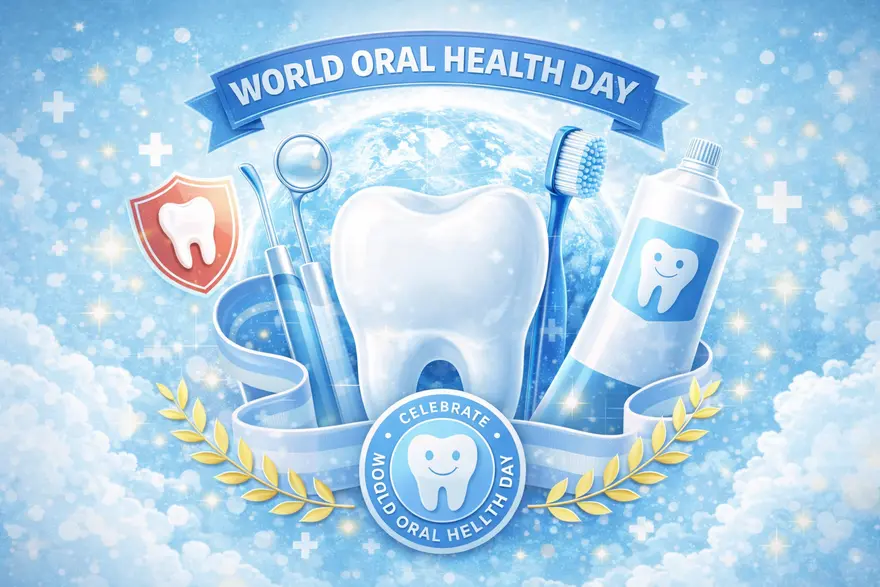
Table of Contents
World Oral Health Day 2026, observed on 20 March, highlights the importance of maintaining good oral hygiene and preventive dental care. Oral diseases affect nearly 3.5 billion people worldwide, yet many can be prevented with simple daily habits.
The theme for World Oral Health Day 2026, “A Happy Mouth Is A Happy Life,” emphasises that a healthy mouth supports overall wellbeing. Practising good oral hygiene, such as brushing twice daily, flossing regularly, limiting sugary foods, and scheduling routine dental check-ups, can help maintain strong teeth and healthy gums while preventing common teeth problems.
Why Celebrate World Oral Health Day?
World Oral Health Day 2026, observed on 20 March, aims to raise global awareness about the importance of good oral hygiene and preventive dental care. Oral diseases affect nearly 3.5 billion people worldwide, making them one of the most common health problems.
The day encourages you to adopt simple daily habits such as brushing twice a day, flossing regularly, and visiting a dentist for routine check-ups. These preventive steps can help reduce the risk of common teeth problems like cavities and gum disease.
World Oral Health Day also highlights the strong link between oral health and overall wellbeing, reminding you that maintaining healthy teeth and gums is essential for a healthier, more confident life.
Oral Health Day In 2026: Key Themes
In 2026, World Oral Health Day continues to highlight the importance of good oral hygiene and preventive dental care under the theme “A Happy Mouth Is A Happy Life.”
Key themes for World Oral Health Day 2026 include:
- Theme For 2026: “A Happy Mouth Is A Happy Life” highlights that good oral health supports overall wellbeing, confidence, and quality of life.
- Lifelong Oral Health: Emphasises the importance of maintaining healthy teeth and gums at every stage of life, from childhood to older age.
- Oral–Systemic Health Link: Reinforces the connection between oral health and conditions such as diabetes, heart disease, and mental wellbeing.
- Focus On Prevention: Encourages simple daily habits such as brushing, flossing, healthy eating, and regular dental check-ups.
- Healthy Smile And Confidence: Promotes a healthy mouth that supports comfortable eating, clear speech, and confident social interactions.
- Global Awareness: Inspires communities and healthcare organisations worldwide to promote oral health education and preventive care.
Together, these themes encourage individuals to prioritise oral hygiene and adopt preventive habits that support strong teeth, healthy gums, and overall wellbeing.
Expert Tips For Strong Teeth And Healthy Gums
Maintaining strong teeth and healthy gums requires consistent oral hygiene and preventive dental care.
These simple habits help protect your teeth and gums:
- Brush Twice Daily: Use a soft-bristled toothbrush and fluoride toothpaste. Brush for at least two minutes using gentle circular motions.
- Floss Daily: Clean between your teeth with dental floss or an interdental brush to remove plaque and trapped food particles.
- Use Mouthwash: An antimicrobial or fluoride mouthwash can help reduce bacteria and strengthen enamel.
- Clean Your Tongue: Gently brush or scrape your tongue to remove bacteria that cause bad breath.
- Replace Your Toothbrush: Change your toothbrush or brush head every 3–4 months or when the bristles become worn.
- Limit Sugary And Acidic Foods: Reducing sugar and acidic drinks helps protect tooth enamel and prevent decay.
- Stay Hydrated: Drinking plenty of water helps wash away food particles and supports saliva production.
- Avoid Tobacco: Smoking and chewing tobacco increase the risk of gum disease, tooth loss, and oral cancer.
- Protect Your Teeth: Use a mouthguard during contact sports to prevent dental injuries.
- Schedule Regular Dental Check-ups: Visit your dentist every six months for professional cleaning and early detection of dental issues.
Following these simple habits consistently can help you maintain strong teeth, healthy gums, and better overall oral health in the long term.
Proper Brushing And Flossing Techniques
Using the correct brushing and flossing techniques helps remove plaque, prevent tooth decay, and maintain good oral hygiene.
Follow these simple practices for effective dental care:
- Use A Soft-Bristled Toothbrush: Choose a soft-bristled brush and fluoride toothpaste to protect enamel and gums.
- Brush Twice Daily For Two Minutes: Clean your teeth for at least two minutes each time, covering all tooth surfaces.
- Angle The Brush Correctly: Hold your toothbrush at a 45-degree angle toward the gum line for better plaque removal.
- Use Gentle Circular Motions: Brush using small, gentle strokes and avoid aggressive scrubbing that may damage enamel or irritate gums.
- Clean All Tooth Surfaces: Brush the outer, inner, and chewing surfaces of your teeth, along with the gum line.
- Brush Your Tongue: Gently clean your tongue to remove bacteria that cause bad breath.
- Floss Once Daily: Use dental floss to clean between teeth and under the gum line where a toothbrush cannot reach.
- Floss Gently And Thoroughly: Slide the floss carefully between teeth and move it in an up-and-down motion to remove trapped plaque and food particles.
Practising these techniques daily helps maintain strong teeth, healthy gums, and better long-term oral health.
Healthy Diet For Better Oral Health
Your diet plays an important role in maintaining healthy teeth and gums. A balanced diet with calcium-rich foods such as milk, yoghurt, cheese, leafy greens, and nuts helps strengthen tooth enamel. Crunchy fruits and vegetables like apples and carrots stimulate saliva production, which helps wash away bacteria and food particles, while drinking plenty of water supports oral cleanliness.
At the same time, limiting sugary snacks, sticky foods, and acidic drinks can help prevent enamel erosion and cavities. Making healthy dietary choices along with good oral hygiene supports strong teeth and healthy gums.
The Impact Of Oral Health On Overall Well-Being
Oral health plays an important role in your overall wellbeing. Poor oral hygiene can lead to the buildup of bacteria in the mouth, causing infections and inflammation that may contribute to systemic conditions such as heart disease, diabetes, and respiratory infections.
Healthy teeth and gums are essential for proper chewing, digestion, and clear speech. Dental problems like tooth decay, gum disease, or tooth loss can affect your nutrition, confidence, and daily activities. Maintaining good oral hygiene and seeking regular dental care can therefore support both your oral health and overall quality of life.
How Oral Health Affects Your Heart, Diabetes, And More
Poor oral health, especially gum disease, can influence several systemic health conditions due to bacteria and inflammation spreading from the mouth.
- Heart Health: Bacteria from gum infections may enter the bloodstream and trigger inflammation in the arteries, increasing the risk of cardiovascular problems.
- Diabetes: People with diabetes are more prone to gum disease, and severe gum infections can make blood sugar levels harder to control.
- Respiratory Health: Oral bacteria can be inhaled into the lungs, potentially increasing the risk of respiratory infections.
- Pregnancy Outcomes: Poor oral health during pregnancy has been linked to complications such as preterm birth and low birth weight.
- Immune System Impact: Chronic oral infections may contribute to ongoing inflammation and affect the body’s ability to fight infections.
Maintaining good oral hygiene, managing existing health conditions, and seeking regular dental care can help reduce these risks and support overall wellbeing.
How To Celebrate World Oral Health Day 2026
You can celebrate World Oral Health Day 2026 by adopting healthier habits and spreading awareness about good oral hygiene in your community.
- Commit To Better Oral Hygiene: Brush twice daily for two minutes and floss regularly to maintain healthy teeth and gums.
- Schedule A Dental Check-up: Visit your dentist for a routine examination and encourage family members to do the same.
- Spread Awareness: Share oral health tips with friends, family, or on social media to promote preventive dental care.
- Teach Children Healthy Habits: Help children learn proper brushing and flossing techniques from an early age.
- Choose Tooth-Friendly Foods: Reduce sugary snacks and adopt a balanced diet that supports strong teeth.
- Participate In Community Activities: Join or organise dental awareness programmes, screening camps, or educational events.
Taking these simple steps can help prevent teeth problems and promote better oral health for individuals and communities.
FAQs
What Are The Best Practices For Maintaining Oral Health?
Brush twice daily with fluoride toothpaste, floss daily, limit sugary foods, and visit your dentist regularly to prevent cavities, gum disease, and other teeth problems.
What Foods Should I Eat For Healthy Teeth?
Eat calcium-rich foods, leafy greens, crunchy fruits and vegetables, nuts, and lean proteins to strengthen enamel and support healthy teeth and gums.
Why Is Oral Health Important For Overall Health?
Good oral health helps prevent infections, supports proper nutrition, and contributes to overall health and wellbeing.