Home Visit
 Upload






Preventive Healthcare
World Mosquito Day 2025: Monsoon Alert – Rising Cases & How to Stay Protected
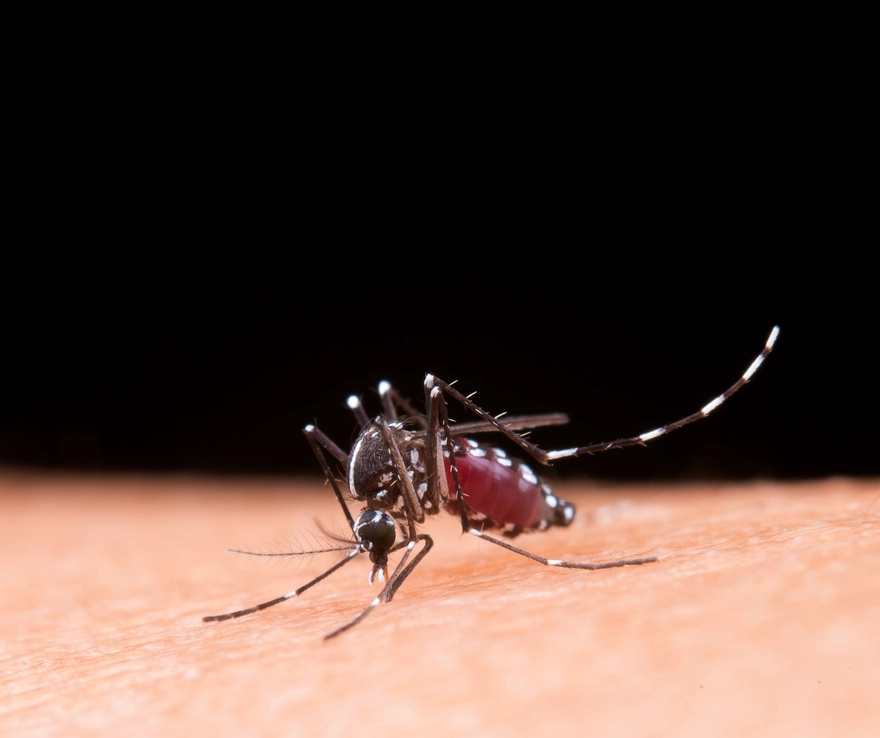
Table of Contents
- World Mosquito Day: Date, Theme & Why It’s Observed
- History and Significance of World Mosquito Day
- Why Mosquito-Borne Diseases Remain a Major Public Health Threat
- Top Mosquito-Borne Diseases in India and How They Spread
- Common Symptoms of Mosquito-Borne Illnesses You Shouldn’t Ignore
- Proven Ways to Stop Mosquito Breeding in and Around Your Home
- How to Support World Mosquito Day: Awareness, Prevention & Action
- Conclusion: A Bite-Sized Step Towards a Mosquito-Free Future
- FAQs
World Mosquito Day 2025 is a reminder of how small steps can protect your health during the monsoon season. With rising mosquito activity, the risk of bites and related illnesses increases, but you can reduce that risk with simple, consistent habits.
Staying safe is not about drastic changes, but about everyday care, such as using repellents, keeping surroundings clean, and ensuring proper protection at home. By being mindful and prepared, you can enjoy the season with greater confidence and peace of mind.
World Mosquito Day: Date, Theme & Why It’s Observed
Every year on 20 August, the world marks World Mosquito Day to remind people of the health risks linked to mosquito bites and the importance of prevention. It is now time to focus on both awareness and practical action that you can take to stay safe.
The World Mosquito Day 2025 theme is 'Accelerating the Fight Against Malaria for a More Equitable World'. This year’s theme highlights the need for faster progress in reducing malaria and ensuring equal access to protection and treatment.
By observing World Mosquito Day, you are reminded that small steps – such as using repellents, reducing breeding sites, and staying informed – can help protect your family’s health. The day is not only about recognising challenges but also about encouraging positive change and community action.
History and Significance of World Mosquito Day
World Mosquito Day was first observed in 1897 to honour Sir Ronald Ross, who discovered that female Anopheles mosquitoes transmit malaria. His work transformed how people understood malaria and helped shape prevention methods that still guide global health efforts today.
- Origins: Sir Ronald Ross’s discovery proved that mosquitoes were the carriers of malaria, marking a turning point in medical research.
- Annual reminder: Each year on 20 August, the day brings global attention to the dangers of mosquito-borne illnesses and the importance of preventive steps.
- Global relevance: Organisations such as the World Mosquito Program and Medicines for Malaria Venture use the day to share progress in tackling diseases like dengue, Zika, and malaria.
- Public engagement: The American Mosquito Control Association encourages communities to spread awareness, showing how people can contribute to reducing risks every day.
- Continued fight: Over 125 years later, World Mosquito Day remains important as mosquitoes still cause millions of infections and deaths each year. The day is both a commemoration and a call to action, reminding you of the power of knowledge and prevention.
Why Mosquito-Borne Diseases Remain a Major Public Health Threat
Mosquito-borne illnesses continue to affect millions of people worldwide, making them a critical public health challenge. World Mosquito Day reminds you that vigilance is essential, especially during monsoon months.
- Scale of the problem: Each year, up to 700 million people are infected with mosquito-borne diseases, and over a million die as a result.
- Rising numbers: Climate change, urbanisation, and global travel have expanded mosquito habitats, allowing diseases to spread faster.
- Persistent outbreaks: In recent years, dengue has surged, with millions of cases reported, highlighting how easily outbreaks can overwhelm health systems.
- Economic impact: Beyond illness, families face high healthcare costs and missed work or school days due to mosquito-related diseases.
- Prevention gap: Traditional methods like spraying often offer only temporary relief, making long-term community participation vital.
By observing World Mosquito Day, you understand why mosquito-borne diseases continue to be a global concern and why consistent action is key.
Top Mosquito-Borne Diseases in India and How They Spread
During the monsoon season, India sees a rise in mosquito activity, making awareness essential. World Mosquito Day helps you learn about the most common diseases and how they spread.
- Malaria: Spread by the female Anopheles mosquito, malaria remains one of the most dangerous illnesses. It is caused by a parasite that multiplies in your blood after a mosquito bite.
- Dengue: Carried by Aedes aegypti mosquitoes, dengue spreads quickly in crowded areas. Stagnant water near homes makes it easier for these mosquitoes to breed.
- Chikungunya: Also spread by Aedes aegypti, chikungunya often comes with joint pain and fever. It spreads in similar conditions to dengue.
- Japanese Encephalitis: Transmitted mainly in rural areas, this disease affects the brain and can be serious if untreated.
- Zika Virus: While not as common, Zika can still spread through mosquito bites and requires preventive measures.
By remembering World Mosquito Day, you are reminded that knowing how these diseases spread helps you prevent them effectively.
Common Symptoms of Mosquito-Borne Illnesses You Shouldn’t Ignore
Recognising symptoms early can make treatment easier and reduce complications. World Mosquito Day raises awareness so you know when to seek medical advice.
- Fever: A sudden rise in body temperature is common in malaria, dengue, and chikungunya.
- Headache and body ache: Many mosquito-borne illnesses cause strong headaches and body pains.
- Skin rash: Dengue and Zika may lead to visible rashes on your skin.
- Joint pain: Severe joint pain is typical of chikungunya and can last for weeks.
- Nausea or vomiting: These signs often appear with malaria and dengue infections.
- Fatigue: Persistent tiredness is a common warning signal across all mosquito-related illnesses.
Through World Mosquito Day, you learn not to dismiss these symptoms. Early action and medical attention ensure faster recovery and peace of mind.
Proven Ways to Stop Mosquito Breeding in and Around Your Home
Preventing mosquito breeding is one of the most effective ways to stay protected. World Mosquito Day encourages simple steps that you can take at home.
- Clear stagnant water: Empty water containers, coolers, and flower pots regularly to prevent breeding.
- Cover water storage: Always keep storage tanks and buckets tightly closed.
- Use natural deterrents: Mosquito coils, nets, and repellents provide added protection inside your home.
- Maintain clean surroundings: Dispose of rubbish and unused items that may collect rainwater.
- Proper drainage: Ensure that drains are not blocked and that water flows freely.
- Protect yourself indoors: Use window screens and nets for safer rest, especially at night.
By applying these simple habits, you contribute directly to the message of World Mosquito Day – prevention starts with small, steady actions in your own environment.
How to Support World Mosquito Day: Awareness, Prevention & Action
World Mosquito Day is more than just a date on the calendar; it is a call for community-driven protection. You can take part by adopting preventive habits and encouraging others to do the same.
- Spread awareness: Share tips with neighbours, friends, and family about how to reduce mosquito breeding.
- Stay informed: Follow updates on the World Mosquito Day 2025 theme to understand the global focus and apply it locally.
- Encourage community action: Participate in clean-up drives or local awareness campaigns.
- Support research: Organisations such as the World Mosquito Program and Medicines for Malaria Venture are working towards better solutions, and your support helps them grow.
- Adopt prevention as routine: Simple steps like using nets and repellents, and cleaning your surroundings, can inspire others to do the same.
By supporting World Mosquito Day, you not only safeguard your own health but also help build a safer and healthier community.
Conclusion: A Bite-Sized Step Towards a Mosquito-Free Future
Protecting yourself from mosquito-borne illnesses begins with everyday habits – keeping surroundings clean, reducing stagnant water, and staying alert to early symptoms. These small steps make a big difference for your well-being.
For timely detection and reliable health insights, you can trust Metropolis Healthcare, a leading diagnostic partner committed to accurate testing and preventive care.
FAQs
Q1. What is the theme for World Mosquito Day 2025?
The World Mosquito Day 2025 theme is “Accelerating the Fight Against Malaria for a More Equitable World,” highlighting fairness, prevention, and global progress.
Q2. How do mosquitoes transmit diseases?
Mosquitoes transmit diseases when infected females bite, injecting parasites or viruses into your bloodstream, spreading illnesses like malaria, dengue, chikungunya, Zika, and others.
Q3. What are the early signs of dengue, malaria, and chikungunya?
Early signs include sudden fever, headache, joint pain, fatigue, nausea, chills, or rash. Recognising symptoms early helps prevent complications and ensures quicker treatment.
Q4. How can I protect my family from mosquito bites at home?
Protect your family by using repellents, mosquito nets, window screens, covering water containers, and regularly removing stagnant water breeding spots inside and outdoors.
Q5. What steps can communities take to reduce mosquito breeding?
Communities can reduce breeding through cleanliness drives, clearing stagnant water, covering drains, using larvicides, raising awareness, and encouraging household-level mosquito prevention practices.
Q6. Are mosquito-borne diseases preventable?
Yes, mosquito-borne diseases are preventable with consistent use of repellents, protective clothing, nets, eliminating breeding sites, and seeking timely testing for early detection.
Q7. Why is mosquito control important for public health?
Mosquito control reduces disease spread, protects vulnerable populations, lowers healthcare costs, prevents outbreaks, and ensures safer, healthier communities during high-risk monsoon seasons.