Home Visit
 Upload






Preventive Healthcare
World Hypertension Day 2026: The Role Of Diagnostics In Early Detection And Prevention
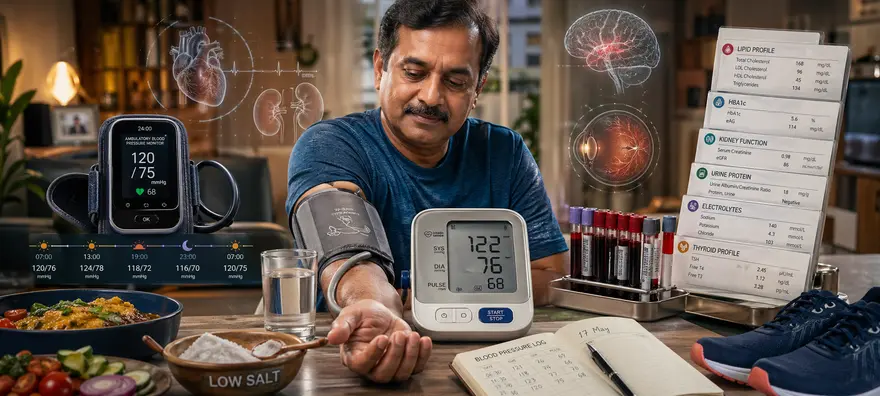
Table of Contents
- What Is World Hypertension Day?
- When Is World Hypertension Day 2026 Celebrated?
- World Hypertension Day 2026 Theme
- Why This Day Is Important
- What Is Hypertension?
- Global Impact Of Hypertension
- Common Awareness Messages Shared On This Day
- Common Hypertension Symptoms To Watch
- Risk Factors For Hypertension
- Which Tests Are Done For Hypertension?
- Importance Of Regular Screening
- Blood Pressure Control Tips
- How To Measure Blood Pressure Accurately At Home
- How You Can Participate In World Hypertension Day
- Role Of Preventive Healthcare In Heart Health
- Key Takeaways
- Conclusion
- FAQs About World Hypertension Day 2026
High blood pressure often develops silently. You may feel well, go about your routine, and still have blood pressure levels that are putting extra strain on your heart, brain, kidneys, eyes, and blood vessels. This is why World Hypertension Day is important.
World Hypertension Day 2026 is a reminder to check your blood pressure regularly, understand your risk, and use the right diagnostic tests to prevent serious complications. Timely screening can help detect hypertension early and support better long-term health.
What Is World Hypertension Day?
World Hypertension Day is a global health awareness day focused on high blood pressure, also called hypertension. It aims to educate people about prevention, early detection, accurate blood pressure measurement, and long-term control.
Hypertension is often called a silent condition because many people do not have clear symptoms. Regular blood pressure checks are the most reliable way to know whether your blood pressure is normal, raised, or high.
When Is World Hypertension Day 2026 Celebrated?
World Hypertension Day 2026 will be observed on 17 May 2026.
It is marked every year on 17 May to encourage people, families, workplaces, and healthcare systems to take blood pressure seriously. The day also highlights the need for routine screening, especially for adults over 30 years and people with risk factors such as obesity, diabetes, kidney disease, smoking, stress, or family history of hypertension.
World Hypertension Day 2026 Theme
The World Hypertension Day 2026 theme is Controlling Hypertension Together.
WHO also presents the theme as Controlling Hypertension Together: check your blood pressure regularly, defeat the silent killer.
This theme highlights that blood pressure control is not only an individual responsibility. It needs action from you, your family, doctors, communities, diagnostic providers, and health systems. Regular monitoring, early diagnosis, lifestyle changes, and treatment adherence all work together to reduce the risk of stroke, heart disease, kidney failure, and other complications.
Why This Day Is Important
World Hypertension Day is important because high blood pressure is common, serious, and often undetected.
Key reasons include:
- Many people with hypertension do not know they have it.
- Hypertension may not cause symptoms in the early stages.
- Uncontrolled blood pressure can increase the risk of stroke.
- It can damage the heart and raise the risk of heart attack and heart failure.
- It can affect kidney function over time.
- It can damage blood vessels in the eyes.
- Early diagnosis allows timely lifestyle changes and treatment.
- Regular monitoring helps you understand whether your blood pressure is controlled.
This day supports hypertension symptoms awareness, but it also reminds you that symptoms alone are not enough. You need regular blood pressure checks.
What Is Hypertension?
Hypertension means your blood pressure stays higher than normal over time. Blood pressure is the force of blood pushing against the walls of your arteries.
A blood pressure reading has two numbers:
- Systolic Pressure:
The top number. It shows the pressure when your heart beats. - Diastolic Pressure:
The bottom number. It shows the pressure when your heart rests between beats.
A single high reading does not always mean you have hypertension. Blood pressure can rise due to stress, exercise, caffeine, poor sleep, or anxiety. Doctors usually diagnose hypertension after repeated high readings taken correctly over time.
Global Impact Of Hypertension
Hypertension is one of the leading preventable causes of illness and early death worldwide.
Important points to know:
- It affects over a billion adults globally.
- Many people remain undiagnosed.
- It is a major risk factor for stroke and heart disease.
- It can contribute to kidney disease and kidney failure.
- It can affect vision and brain health.
- It is becoming more common in younger adults due to sedentary lifestyle, stress, poor diet, smoking, alcohol use, and obesity.
- Early detection can reduce the risk of serious complications.
Common Awareness Messages Shared On This Day
World Hypertension Day campaigns usually focus on simple, practical messages.
Common messages include:
- Check your blood pressure regularly.
- Measure blood pressure accurately.
- Do not wait for symptoms.
- Reduce salt intake.
- Stay physically active.
- Maintain a healthy weight.
- Avoid tobacco.
- Limit alcohol.
- Manage stress.
- Take prescribed medicines regularly.
- Monitor cholesterol, blood sugar, and kidney health.
- Keep follow-up appointments.
Common Hypertension Symptoms To Watch
Hypertension usually has no symptoms. That is why it is risky to depend only on how you feel.
In some cases, especially when blood pressure is very high or long-standing, symptoms may include:
- Frequent headaches
- Dizziness
- Blurred vision
- Chest discomfort
- Shortness of breath
- Fatigue
- Confusion
- Nosebleeds
- Palpitations
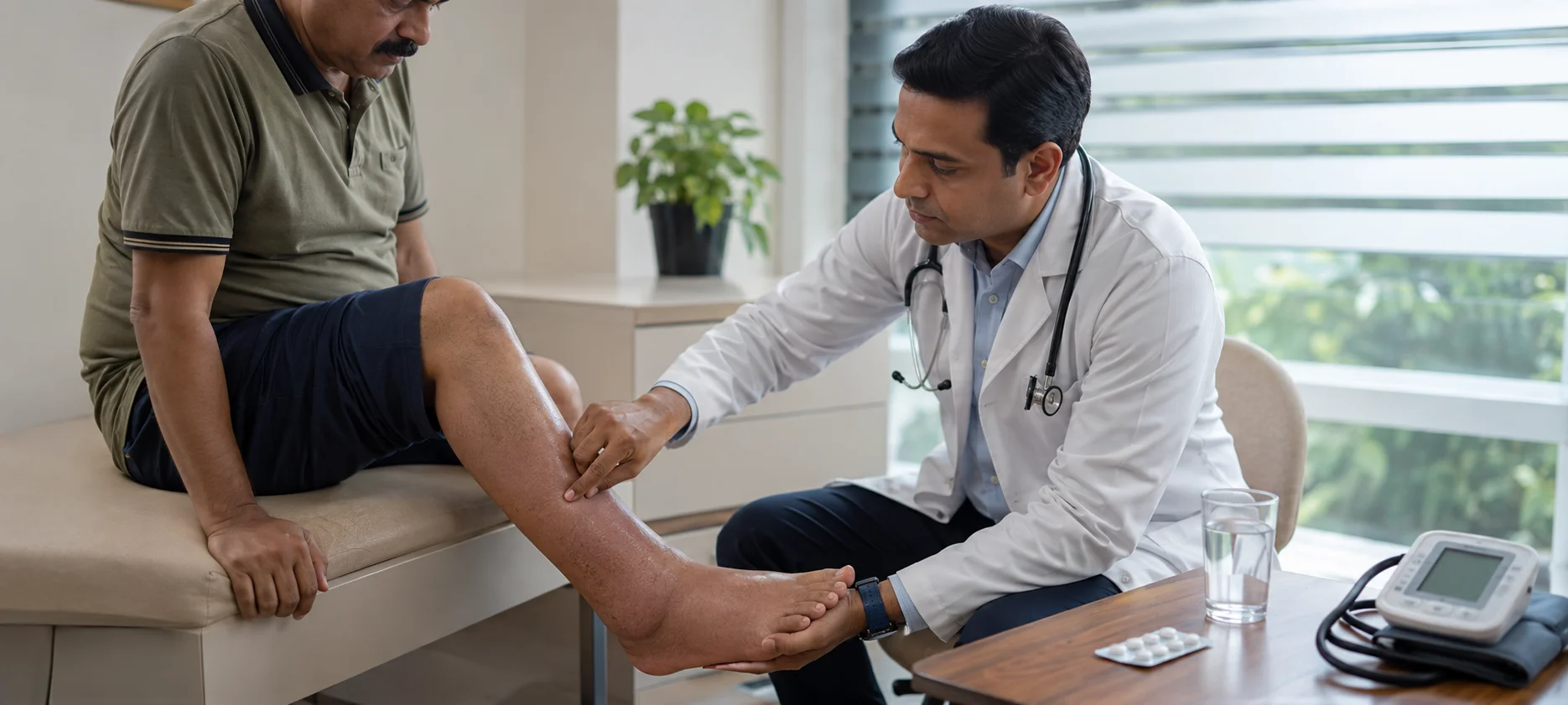
- Swelling in the feet or ankles
These symptoms do not always mean hypertension, and hypertension may occur without any of them. If you notice severe chest pain, breathlessness, weakness on one side of the body, sudden vision changes, or confusion, seek urgent medical care.
Risk Factors For Hypertension
Some risk factors can increase your chances of developing high blood pressure.
Common risk factors include:
- Age above 30 years
- Family history of hypertension
- High salt intake
- Low physical activity
- Excess body weight
- Smoking or tobacco use
- Excess alcohol intake
- Chronic stress
- Poor sleep
- Diabetes
- High cholesterol
- Kidney disease
- Thyroid or hormonal disorders
- Sleep apnoea
- Diet high in processed foods
Knowing your risk helps you take preventive steps earlier.
Which Tests Are Done For Hypertension?
Blood pressure measurement is the first and most important step. However, doctors may also advise tests to understand the cause, assess risk, and check whether hypertension has affected any organs.
Common tests include:
- Clinic Blood Pressure Measurement:
Blood pressure is checked using a validated device. Multiple readings may be taken to confirm whether it is consistently high. - Home Blood Pressure Monitoring:
A home BP monitor helps track readings across different days. It can help your doctor understand your usual blood pressure pattern. - Ambulatory Blood Pressure Monitoring:
This is a 24-hour blood pressure test. A portable device records your blood pressure during daily activities and sleep. It can help detect white coat hypertension, masked hypertension, and night-time blood pressure changes. - Fasting Blood Sugar And HbA1c:
These tests help check diabetes risk. Diabetes and hypertension often occur together and can increase heart and kidney risk. - Lipid Profile:
This includes cholesterol and triglyceride levels. A cholesterol test helps assess your risk of heart disease and stroke. - Kidney Function Tests:
Blood urea, creatinine, and estimated glomerular filtration rate help check how well your kidneys are working. - Urine Routine And Urine Protein Tests:
Protein in urine may be an early sign of kidney strain or damage. - Electrolyte Tests:
Sodium and potassium levels may help identify certain causes of high blood pressure and guide treatment. - Thyroid Profile:
Thyroid imbalance can affect heart rate, metabolism, and blood pressure. - ECG:
An electrocardiogram records the electrical activity of the heart. It can help detect rhythm changes, strain, or previous heart-related issues. - Echocardiogram:
This ultrasound of the heart may be advised if your doctor wants to assess heart structure, pumping function, or signs of long-term pressure load. - Eye Examination:
Long-standing hypertension can affect blood vessels in the retina. An eye check-up may help identify changes.
These tests help doctors look beyond the BP number. They show how hypertension may be affecting your body.
Importance Of Regular Screening
Regular screening is important because hypertension can remain hidden for years. A routine blood pressure check is simple, quick, and non-invasive, but it can reveal a major health risk early.
If your BP is raised, your doctor can guide you on lifestyle changes, monitoring frequency, medicines if needed, and tests to assess heart, kidney, and metabolic health. Early action can reduce the risk of complications and help you stay healthier for longer.
Screening is especially important if you have diabetes, obesity, high cholesterol, kidney disease, family history of hypertension, or a sedentary lifestyle.
Blood Pressure Control Tips
Healthy habits can support better blood pressure control. These steps are useful for prevention as well as long-term management.
- Reduce salt in your meals.
- Limit packaged and processed foods.
- Eat more fruits, vegetables, pulses, whole grains, nuts, and seeds.
- Choose low-fat dairy if suitable for you.
- Stay active for at least 150 minutes a week.
- Walk regularly.
- Maintain a healthy weight.
- Stop smoking and avoid tobacco.
- Limit alcohol intake.
- Sleep well.
- Manage stress through breathing, yoga, meditation, hobbies, or counselling.
- Take medicines exactly as prescribed.
- Do not stop BP medicines without medical advice.
- Keep a record of home BP readings.
- Follow up regularly with your doctor.
Small daily changes can make blood pressure easier to manage.
How To Measure Blood Pressure Accurately At Home
Home monitoring is useful only when readings are taken correctly.
Follow these steps:
- Use a validated upper-arm BP monitor.
- Sit quietly for 5 minutes before measuring.
- Keep your back supported.
- Keep your feet flat on the floor.
- Do not cross your legs.
- Keep your arm supported at heart level.
- Use the correct cuff size.
- Avoid caffeine, smoking, exercise, and heavy meals for at least 30 minutes before checking.
- Take two readings 1 minute apart.
- Record the date, time, and reading.
- Share the readings with your doctor.
Do not change medicines based only on one home reading unless your doctor has given you clear instructions.
How You Can Participate In World Hypertension Day
You can support World Hypertension Day in simple ways.
- Check your blood pressure.
- Encourage family members to check their BP.
- Share accurate information about hypertension.
- Talk about the importance of screening at work or in your community.
- Support low-salt meals at home.
- Start a walking routine with friends or family.
- Help older family members maintain BP records.
- Encourage people with diabetes or kidney disease to follow up regularly.
- Book preventive health checks if you have risk factors.
- Learn how to measure BP correctly at home.
Awareness becomes useful when it leads to action.
Role Of Preventive Healthcare In Heart Health
Preventive healthcare helps you detect health risks before they become serious. For heart health, this includes regular blood pressure checks, blood sugar monitoring, cholesterol testing, kidney function assessment, weight management, and lifestyle review.
A full body checkup can help you track important health markers such as blood sugar, cholesterol, kidney function, liver function, thyroid levels, and other wellness indicators. These markers give a clearer picture of your overall cardiovascular and metabolic health.
Metropolis Healthcare supports preventive health with 4,000 tests, full body checkups, speciality testing, expert pathologists, accurate reports, quick turnaround time, and convenient home sample collection. You can book tests through the website, app, call, or WhatsApp. With a strong home collection network and 10,000 touchpoints, Metropolis helps you stay informed and take timely steps for better health.
Key Takeaways
- World Hypertension Day 2026 will be observed on 17 May 2026.
- The theme is Controlling Hypertension Together.
- Hypertension often has no symptoms.
- Regular BP checks are the best way to detect high blood pressure.
- Home BP monitoring can help track control.
- ABPM can provide a detailed 24-hour BP pattern.
- Blood and urine tests help assess heart, kidney, sugar, and cholesterol risks.
- ECG and echocardiogram may help check heart impact.
- Lifestyle changes and regular follow-up are key to long-term control.
- Preventive health screening can help reduce future complications.
Conclusion
World Hypertension Day 2026 is a reminder that checking your blood pressure can protect your future health. You do not need to wait for symptoms to take action. Regular screening, accurate monitoring, healthy lifestyle habits, and timely medical guidance can help you control hypertension and reduce the risk of serious complications.
Metropolis Healthcare can support your preventive health journey with reliable diagnostic testing, full body checkups, home sample collection, and easy booking options. Staying informed about your health markers is one of the simplest ways to care for your heart, kidneys, and overall wellbeing.
FAQs About World Hypertension Day 2026
How Can I Check My Blood Pressure?
You can check your blood pressure at a clinic, diagnostic centre, pharmacy, health camp, or at home using a validated BP monitor. For home readings, sit calmly, support your arm at heart level, use the right cuff size, and take two readings 1 minute apart.
How Often Should I Check My BP?
If your blood pressure is normal and you have no major risk factors, ask your doctor how often you should check it. Many adults benefit from periodic checks during routine health visits. If you have hypertension, diabetes, kidney disease, high cholesterol, or are on BP medicines, your doctor may advise more frequent home monitoring.
What Is The Theme Of World Hypertension Day 2026?
The World Hypertension Day 2026 theme is Controlling Hypertension Together. WHO also shares the fuller message: Controlling Hypertension Together: check your blood pressure regularly, defeat the silent killer.
Why Is Hypertension Called A Silent Killer?
Hypertension is called a silent killer because it often causes no symptoms for years. During this time, it can still damage the heart, brain, kidneys, eyes, and blood vessels.
What Tests Help Detect Hypertension-Related Risk?
Useful tests include blood pressure measurement, ambulatory blood pressure monitoring, lipid profile, fasting blood sugar, HbA1c, kidney function tests, urine protein tests, ECG, and echocardiogram.
Can Hypertension Be Prevented?
In many cases, the risk can be reduced through healthy habits such as lower salt intake, regular exercise, healthy weight management, avoiding tobacco, limiting alcohol, sleeping well, and managing stress. Some people may still develop hypertension due to age, genetics, or medical conditions.
Can Young Adults Have Hypertension?
Yes. Hypertension can affect young adults too. Stress, obesity, smoking, alcohol use, lack of exercise, high salt intake, poor sleep, and family history can increase the risk.
Does High Cholesterol Affect Blood Pressure?
High cholesterol and hypertension are different conditions, but they often occur together and increase the risk of heart disease and stroke. Monitoring both helps protect cardiovascular health.