Home Visit
 Upload






Preventive Healthcare
Whole30 Diet Guide: Complete Rules, Benefits & Meal Tips
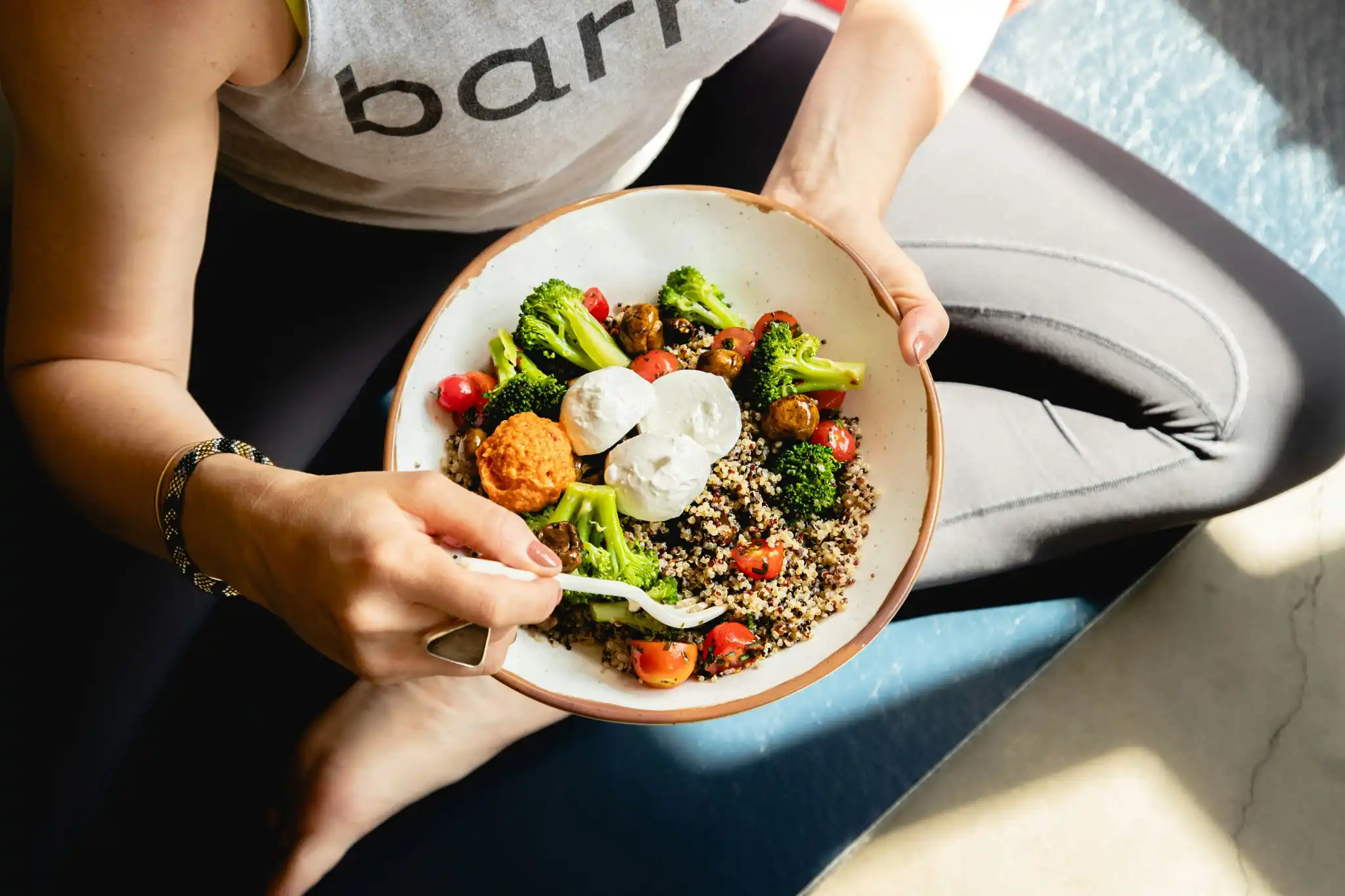
Table of Contents
- What Is the Whole30 Diet?
- How the Whole30 Diet Works
- Whole30 Diet Rules: What You Must Follow for 30 Days
- Why No Cheat Days or Scale Checks? Key Principles of Whole30
- Health Benefits of the Whole30 Diet
- Whole30 Diet Meal Plan: Sample 30-Day Menu Framework
- Tips for Success on the Whole30 Diet
- Common Mistakes People Make on the Whole30 Diet
- Is the Whole30 Diet Healthy & Safe for Everyone?
- Who Should Avoid the Whole30 Diet?
- Side Effects & What to Expect During the First Week
- Reintroduction Phase: What Happens After 30 Days?
- Conclusion
- FAQs
- References
What Is the Whole30 Diet?
The Whole30 diet is a structured 30-day elimination programme that removes potentially inflammatory foods — such as grains, legumes, dairy, added sugars, processed foods, and alcohol — to help identify food sensitivities and reset your relationship with food.
During this time, you focus on real, whole foods like meat, seafood, eggs, vegetables, fruits, and healthy fats, without calorie counting or portion tracking.
After 30 days, foods are systematically reintroduced to pinpoint triggers for digestive issues, inflammation, hormonal imbalance, and other symptoms. Many people also report better energy, sleep, skin, and mental clarity.
How the Whole30 Diet Works
The Whole30 diet works in two main phases:
- Elimination (Days 1–30): Completely avoid potentially problematic foods for 30 days with no cheats.
- Reintroduction (Day 31+): Add back eliminated food groups one at a time, with a few days in between, to identify triggers.
- No tracking: No calorie counting, portion measuring, or food journaling.
- No scale: You avoid weighing yourself until after day 30 to focus on health, not weight.
- Real food only: All meals are based on whole, unprocessed foods prepared at home.
A clinical study published in collaboration with the National Institutes of Health (NIH) found that adults following the Whole30 programme for 30 days saw improvements in energy levels, cravings, and self-reported mood, suggesting short-term benefits for overall well-being and eating habits.
Whole30 Diet Rules: What You Must Follow for 30 Days
Understanding and sticking to the Whole30 rules is crucial for success. In simple terms, you must:
- Eliminate for 30 days: No slips, cheats, or “just one bite”; any deviation means restarting.
- No added sugar: No honey, jaggery, maple syrup, coconut sugar, syrups, or artificial sweeteners.
- No alcohol: In any form, including for cooking.
- No grains: No wheat, rice, oats, corn, barley, millet, or grain-based foods like bread, pasta, noodles, wraps, or cereal.
- No legumes: No beans, lentils, chickpeas, soybeans, tofu, soy sauce, or peanuts (except green beans, snap peas, and snow peas).
- No dairy: No milk, curd, yoghurt, cheese, ice cream, or butter (only ghee/clarified butter allowed).
- No banned additives: Avoid carrageenan, monosodium glutamate (MSG), and sulphites.
- No “junk food” recreations: Don’t make desserts, baked goods, or snack foods using compliant ingredients.
- No scale or measurements: Don’t weigh or measure your body until day 31.
Foods Allowed on the Whole30 Diet
The Whole30 foods list includes nutrient-dense, whole foods that support optimal health and healing:
- Proteins: Fresh chicken, mutton, pork, fish, prawns, eggs, and organ meats like liver, minimally processed and home-cooked.
- Vegetables: All varieties, including okra, bottle gourd, spinach, cabbage, cauliflower, carrots, beets, pumpkin, sweet potatoes, and leafy greens.
- Fruits: Any fresh fruit without added sugar (banana, papaya, guava, apple, orange, pomegranate, etc.); small amounts of pure, unsweetened juice.
- Healthy fats: Cold-pressed coconut, groundnut or mustard oil, extra-virgin olive oil, desi ghee, homemade coconut milk, and unsweetened nuts and seeds.
- Beverages: Plain or infused water, soda/sparkling water without sweeteners, black coffee, and herbal or green tea without milk or sugar.
- Seasonings: Fresh herbs, ginger, garlic, chillies, clean whole spices/masalas, rock or sea salt, and vinegar without sugar.
- Special exceptions: Green beans, sugar snap peas, and snow peas are allowed on Whole30 despite being legumes.
Foods to Avoid on the Whole30 Diet
These foods are eliminated during your 30-day reset to allow proper healing and identification of sensitivities:
- Added sugars: All forms of sugar, jaggery (gur), honey, syrups, coconut sugar, and artificial sweeteners in tea, coffee, sweets, biscuits, drinks, or sauces.
- Grains: Wheat, rice (all types), corn, oats, barley, millet, and grain-based foods like flatbreads, bread, noodles, biscuits, wraps, and baked goods.
- Legumes: All beans and pulses (chickpeas, kidney beans, green gram, black gram, lentils), soy products, peanuts, and peanut butter.
- Dairy: Milk, yoghurt, cottage cheese, cheese, ice cream, and all dairy sweets.
- Alcohol: All alcoholic drinks (beer, wine, whisky, rum, vodka, cocktails) and dishes made with alcohol.
- Processed additives: Packaged foods with MSG (ajinomoto), sulphites, artificial colours, flavours, or preservatives (common in soft drinks, instant soups, sauces, pickles, flavoured curds, and processed meats).
- “Recreated” treats: Cakes, cookies, pancakes, or snacks made with compliant ingredients.
- Refined oils: Refined sunflower, soybean, corn, and mixed “vegetable oils”; Whole30 prefers minimally processed fats like ghee, coconut oil, or olive oil.
Why No Cheat Days or Scale Checks? Key Principles of Whole30
The Whole30 diet aims to give your body a full reset from potentially inflammatory foods and help you develop a healthier relationship with eating. Even small bites of off-plan foods can trigger reactions and blur which foods are truly problematic, so strict compliance is essential.
Avoiding the scale for 30 days shifts focus from weight loss to improvements in energy, digestion, mood, sleep, and skin. By day 31, you see the numbers and understand much better how different foods affect your body.
Health Benefits of the Whole30 Diet
The Whole30 benefits extend far beyond simple weight management, offering comprehensive health improvements:
- Find food triggers: Helps identify which foods worsen your digestion, pain, or other symptoms.
- Lower inflammation: Cutting common irritants may ease joint pain, headaches, and general aches.
- Better digestion: Many people notice less bloating, gas, and discomfort with a simpler, cleaner diet.
- Steadier blood sugar: No added sugar or refined grains means fewer energy crashes and cravings.
- Sharper focus: Many people report clearer thinking and better concentration once inflammatory foods are removed.
- Improved sleep: More stable blood sugar and fewer stimulants often support deeper, more restful sleep.
- Healthier skin: Reducing dairy and processed foods can help with acne and dull or irritated skin.
- More stable energy: Reduced inflammation plus whole foods usually mean more consistent energy all day.
- Weight balance: Many people naturally move towards a healthier weight without counting calories.
Whole30 Diet Meal Plan: Sample 30-Day Menu Framework
|
Week |
Breakfast Focus |
Lunch Focus |
Dinner Focus |
|
Week 1 |
Egg-based dishes with vegetables |
Protein salads |
Simple protein and vegetable plates |
|
Week 2 |
Veggie egg scrambles, stir-fry plates |
Meat/egg soups and stews |
Roasted or grilled meat with vegetables |
|
Week 3 |
Fruit + nuts + protein |
Leftover bowls (protein + vegetables) |
One-pot curries/stews without grains/dairy |
|
Week 4 |
Quick options (boiled eggs, sautéed veg) |
Meal-prep protein-veg bowls |
Whole30-style celebration grills and curries |
Whole30 Breakfast, Lunch, and Dinner Options
Breakfast Options:
- Sweet potato hash with fried eggs and avocado
- Coconut flour dosa-style pancakes with berries
- Veggie scrambled eggs (spinach, capsicum, onion, tomato)
- Chia pudding with coconut milk and fresh fruit
- Grilled chicken strips with sautéed greens
Lunch Options:
- Salad bowl with grilled chicken or boiled eggs, olive oil dressing
- Mixed vegetable broth soup with shredded chicken
- Lettuce wraps with spiced minced chicken and vegetables
- Zucchini “noodle” bowl with tomato-onion sauce and ground meat
- Roasted vegetable platter with nuts and seeds
Dinner Options:
- Grilled fish with roasted cauliflower and sweet potato
- Slow-cooked lamb or chicken stew with root vegetables
- Coconut milk–based curry with chicken and seasonal vegetables
- Baked bell peppers stuffed with spiced minced meat
- Sheet-pan grilled chicken with assorted vegetables
Snack Rules & Examples Allowed on Whole30
This anti-inflammatory diet limits snacking so your body can relearn real hunger and regular meal timing. If you are genuinely hungry between meals:
- Stick to compliant snacks: Fresh fruit, raw vegetables, or plain nuts and seeds (without sugar, flavouring, or additives).
- Space it out: Try to keep 4–5 hours between meals; snacks should be small and just bridge real hunger.
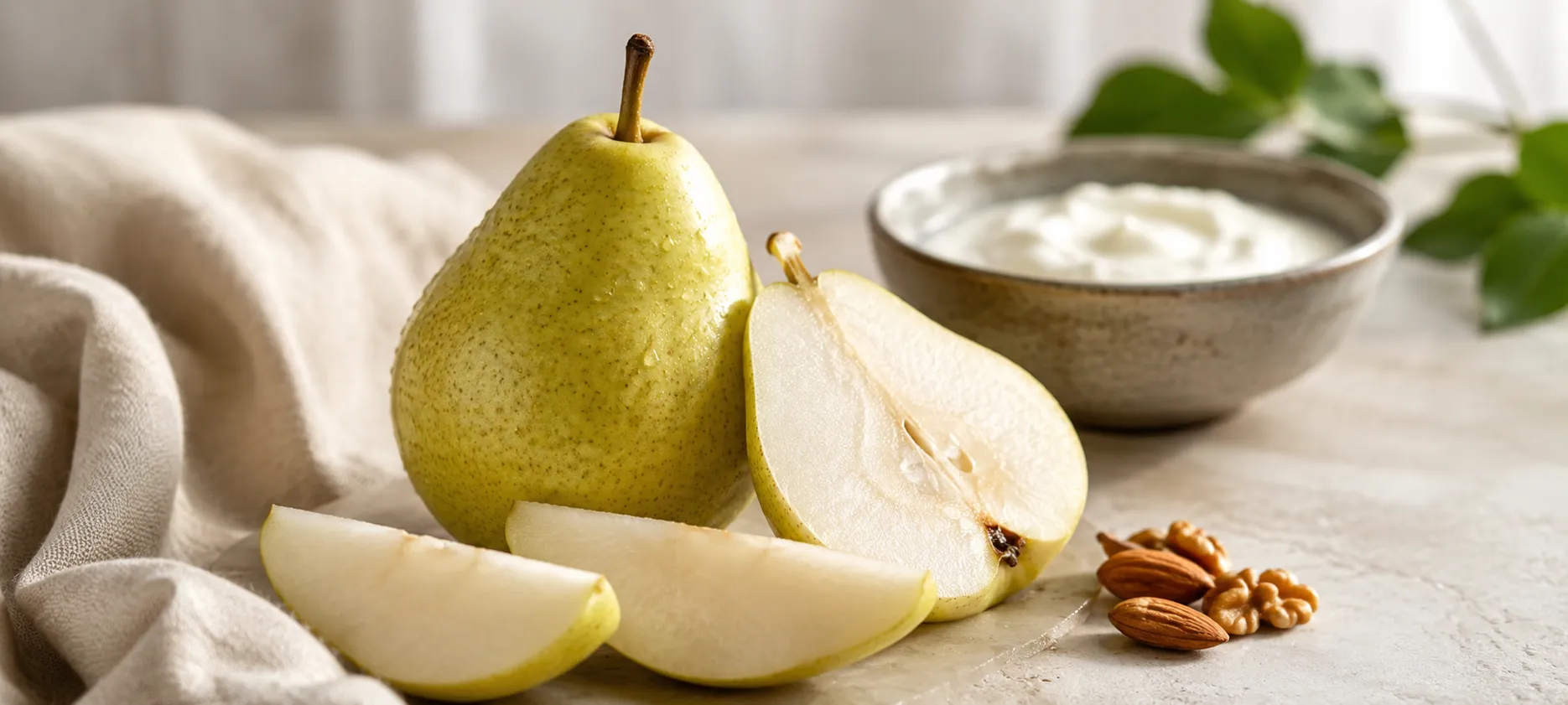
- Easy options: Apple/pear with almond butter, cucumber/carrot sticks with sugar-free guacamole, a small handful of mixed nuts, hard-boiled eggs, fresh coconut pieces, or a few olives.
Tips for Success on the Whole30 Diet
- Plan ahead: Meal plan, shop, and batch-cook so compliant food is always ready.
- Read labels: Check every ingredient list for hidden sugar and additives.
- Set up your kitchen: Clear out tempting foods and stock only Whole30-friendly items.
- Find support: Join online or local groups to stay motivated and share ideas.
- Plan for social events: Anticipate restaurant choices, office parties, and family functions in advance.
- Track non-scale wins: Notice changes in energy, sleep, mood, skin, and digestion, not just weight.
- Stay hydrated: Drink enough water daily to support digestion and overall health.
Common Mistakes People Make on the Whole30 Diet
- Not planning meals: If you don’t prep food in advance, it’s easy to slip and eat non-compliant foods.
- Not checking labels: Sugar and additives often hide in sauces, masalas, and packaged foods.
- Making “healthy junk food”: Turning allowed ingredients into cakes, sweets, or snacks breaks the purpose of the reset.
- Eating too little: Skipping food or eating very small portions can make you tired, cranky, and more likely to crave junk.
- Skipping reintroduction: If you don’t add foods back slowly, you won’t know which ones cause problems.
- Wanting instant results: Some changes, like better skin, sleep, or digestion, take time.
- Giving in to social pressure: Saying ‘yes’ to food at parties or gatherings without a plan can break your streak.
Is the Whole30 Diet Healthy & Safe for Everyone?
The Whole30 diet can help people spot food sensitivities and reset their eating habits. It is a naturally gluten-free diet and removes many common allergens, which may benefit those with some digestive or autoimmune issues. However, it is strict and may not suit everyone.
Most healthy adults can do Whole30 safely if meals are well planned. The focus on whole, unprocessed foods supports good nutrition. But removing whole food groups means you must watch for possible gaps in calcium, fibre, and certain B vitamins.
Who Should Avoid the Whole30 Diet?
Certain individuals should consult healthcare providers before attempting the Whole30 diet or avoid it entirely:
• Pregnant and breastfeeding women: Restrictive elimination diets may not provide adequate nutrition during these critical periods.
• Individuals with eating disorders: The strict rules and food restrictions may trigger unhealthy relationships with food.
• People with diabetes: Significant dietary changes can affect blood sugar control and medication requirements.
• Those with chronic health conditions: Medical supervision is essential when making dramatic dietary changes.
• Children and adolescents: Growing bodies require consistent nutrition, which elimination diets may compromise.
• Individuals taking medications: Certain medications may interact with dietary changes or require monitoring.
Side Effects & What to Expect During the First Week
The first week of Whole30 can feel tough as your body adjusts:
- “Carb flu” and fatigue: Headaches, low energy, irritability, and strong sugar or junk-food cravings.
- Digestive and sleep changes: Temporary constipation, loose stools, or disturbed sleep as your gut and routine adapt.
- Mood + social stress: Mood swings, frustration, and difficulty managing social meals or explaining your food rules.
These effects are usually temporary and ease as your body settles into the new pattern.
Reintroduction Phase: What Happens After 30 Days?
After 30 days, you enter the reintroduction phase (about 10+ days):
- Reintroduce one food group at a time (e.g., dairy for 1–3 days) while keeping the rest Whole30-compliant.
- Track any changes in digestion, energy, sleep, skin, mood, headaches, or joint pain.
- Go back to a full Whole30 for 2–3 days between each group to let symptoms settle.
This helps you identify your problem foods and create a longer-term, more flexible eating pattern that supports your health.
Conclusion
The Whole30 diet can be a useful short-term tool to understand how certain foods affect your body, but it should be approached thoughtfully, especially because it removes entire food groups. Pairing this kind of dietary reset with regular health monitoring helps you track how your body is responding and ensures you are not missing key nutrients over time.
Metropolis Healthcare supports you through this journey with more than 4,000 lab tests, comprehensive full body checkups, and speciality testing tailored to your needs. You can book easily via the website or the app and benefit from convenient home sample collection through 10,000+ touchpoints. Our quick turnaround times and a strong focus on accurate, reliable results help you stay informed about your health before, during, and after your 30-day reset.
Must Read: Balanced Diet Basics: Importance, Benefits & Diet Chart
FAQs
What is the purpose of the Whole30 diet?
The Whole30 Diet is a 30-day reset that removes potentially problematic foods so you can see how they affect your body and mind. It’s a short-term elimination and reintroduction programme — not a lifelong diet.
Can you lose weight on the Whole30 diet?
Yes, many people lose weight by cutting sugar, refined carbs, and ultra-processed foods, but weight loss is a side effect, not the main goal. The focus is on healthier habits and more awareness.
Are eggs allowed on the Whole30 diet?
Yes. Eggs are fully allowed and are a key protein source, as long as oils, sauces, and seasonings used with them are Whole30-compliant.
Can you drink coffee on the Whole30 diet?
Yes, you can drink black coffee. You can’t add sugar, sweeteners, milk, or cream, but unsweetened compliant plant milks are allowed if their ingredients are Whole30-approved.
Is rice allowed on the Whole30 diet?
No. All forms of rice are grains and are not allowed during the 30-day Whole30 elimination.
What happens after 30 days of Whole30?
After 30 days, you reintroduce food groups one at a time and watch how your body responds, then build a personalised, sustainable way of eating.
Is the Whole30 Diet safe long-term?
Whole30 is meant for short-term use. Staying on a very restrictive plan long-term can be hard to maintain and may cause nutrient gaps, so a more flexible whole-food pattern is recommended afterwards.
Can vegetarians follow the Whole30 diet?
Vegetarians can try a modified version, but it’s more challenging because legumes, soy, and dairy are excluded. It usually requires careful planning and, ideally, guidance from a dietician.
References
- https://www.medicalnewstoday.com/articles/325141
- https://www.healthline.com/nutrition/whole-30
- https://health.clevelandclinic.org/whole30-diet
- https://pmc.ncbi.nlm.nih.gov/articles/PMC7400924/