Home Visit
 Upload






Preventive Healthcare
South Beach Diet Explained: Phases, Pros & Cons
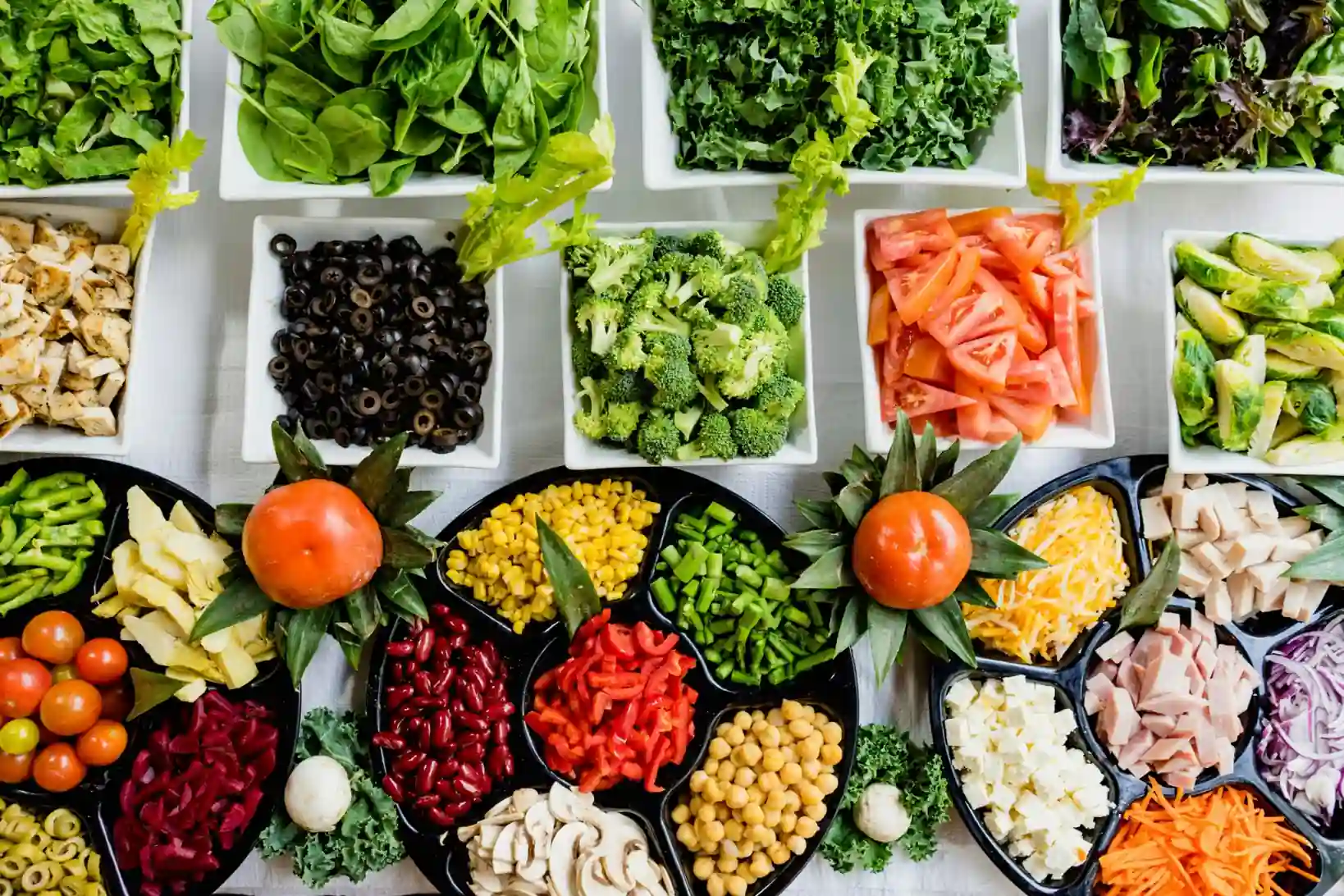
Table of Contents
- What Is the South Beach Diet?
- How the South Beach Diet Works
- South Beach Diet Phases Explained
- South Beach Diet Food List: What to Eat
- South Beach Diet Meal Plan (Sample 7-Day Menu)
- Benefits of the South Beach Diet
- Possible Side Effects of the South Beach Diet
- Is the South Beach Diet Safe? Who Should Avoid It?
- Conclusion
- FAQs
- References
What Is the South Beach Diet?
The South Beach Diet is a structured, moderately low-carbohydrate eating plan that emphasises low-glycaemic foods to help stabilise blood sugar, reduce cravings, and promote sustainable weight loss. Developed by cardiologist Dr. Arthur Agatston, the South Beach Diet prioritises lean protein, healthy fats, and abundant non-starchy vegetables while reducing refined sugar and rapidly absorbed carbohydrates.
The South Beach Diet is designed to be more flexible than many low-carb diets. Instead of eliminating carbohydrates entirely, it gradually reintroduces high-quality carbs such as whole grains, legumes, and carefully selected fruits.
As a low-glycaemic diet, the South Beach Diet aims to keep glucose fluctuations under control, support heart health, and reduce long-term metabolic risks. Its balance of lean proteins and healthy fats also positions it as a suitable high-protein diet for individuals seeking weight control, improved satiety, and better energy balance.
How the South Beach Diet Works
The South Beach Diet operates through several key mechanisms that work together to promote weight loss and improve overall health:
• Stabilises blood sugar levels by limiting high-glycaemic carbohydrates, which helps prevent insulin spikes and crashes.
• Shifts energy metabolism from carbohydrates to fat, triggering your body's natural fat-burning processes.
• Emphasises nutrient-dense foods, including lean proteins, non-starchy vegetables, and healthy monounsaturated fats.
• Controls portion awareness without strict calorie counting, allowing flexible portion sizes based on hunger cues.
• Includes structured meal timing with three main meals and two mandatory snacks daily to maintain stable blood sugar.
• Gradually reintroduces carbohydrates as you progress through the phases, teaching sustainable eating patterns.
The plan also suggests about 60 minutes of daily activity in the maintenance phase, but intense exercise is not required. People at different fitness levels can still follow the diet..
South Beach Diet Phases Explained
The South Beach Diet consists of three distinct phases that progressively relax dietary restrictions as you move toward your weight loss goal and transition into long-term maintenance.
Phase 1: Rapid Weight Loss Phase of the South Beach Diet
Phase 1 is the most restrictive phase of the South Beach Diet. It lasts 14 days and acts like a “reset” for your body. The aim is to cut cravings for sugar and refined carbs by keeping your blood sugar steady.
- Duration: 14 days (you shouldn’t extend it)
- Carbs: About 50 g of net carbs or less per day
- Expected weight loss: About 3.5–6 kg (8–13 lb) in 2 weeks
- What you eat: Normal portions of lean meat, chicken, fish, eggs, and plenty of non-starchy vegetables
- Snacks: 2 required snacks a day, ideally protein + veggies
- Fluids: Stay well-hydrated by drinking plenty of water throughout the day.
- Not allowed: Avoid fruits, grains, sweets, and other high-carb foods
In Phase 1, you may feel a bit tired, get mild headaches, or notice changes in your bowel habits as your body adjusts to fewer carbs. These symptoms usually settle within a week. Most of the fast early weight loss is water and glycogen, but some body fat loss also begins in this phase.
Phase 2: Steady Weight Loss & Food Reintroduction
Phase 2 starts on day 15 and continues until you reach your goal weight. This phase is more flexible than Phase 1.
You still follow the same rules as Phase 1, but now you slowly add back healthy carbs:
- You can have 1–3 servings of fruit a day.
- You can have 1–4 servings of whole grains or starchy vegetables (brown rice, sweet potato, etc.).
- Light beer or dry wine is allowed in small amounts (if your doctor says it’s okay).
Weight loss progresses more gradually in this phase. Most people lose around 0.5–1 kg (1–2 lb) per week, depending on their body and how well they follow the plan. The main aim of Phase 2 is to reintroduce carbs carefully while still losing weight. It helps you learn eating habits you can follow for the long term.
If you experience strong cravings, weight gain, or reduced control over carb intake, you can return to Phase 1 for a few days to reset before resuming Phase 2.
Phase 3: Maintenance Phase for Lifelong Healthy Eating
Phase 3 starts after you reach your target weight. The focus now is on maintaining your weight, not losing more.
You continue to follow the basic rules of Phase 2, but with more flexibility:
- You can enjoy occasional treats.
- No food is completely off-limits, but portion size and frequency matter.
- You learn how to eat well most of the time and still enjoy social events, travel, and celebrations.
Phase 3 is meant to feel like a normal, sustainable lifestyle, not a strict “diet”. To avoid slowly gaining weight again, the plan has a simple safety rule:
If you overeat for a while and notice weight gain, you can go back to Phase 1 for 1–2 weeks, then return to Phase 3. This helps you reset your habits and get back on track.
Phase 3 also encourages regular exercise (as suggested in the South Beach Diet Supercharged plan). Staying active helps you keep the weight off, support heart health, and feel stronger and more energetic in daily life.
South Beach Diet Food List: What to Eat
The South Beach Diet emphasises nutrient-dense, whole foods that support stable blood sugar levels and provide sustained energy throughout the day:
- Lean proteins: Skinless chicken, fish, eggs, egg whites, grilled/boiled fish, lean mutton in moderation, soya chunks, tofu, and cottage cheese (controlled portions).
- Eggs and dairy: Whole eggs, low-fat milk, toned curd, Greek-style yoghurt, paneer, and low-fat cheese.
- Non-starchy vegetables: Spinach, cabbage, beans, carrots, capsicum, tomatoes, cauliflower, broccoli, cucumbers, gourds, and mixed salad veggies.
- Healthy fats: Groundnut, mustard, rice bran, or olive oil in limited amounts; nuts (almonds, walnuts, pistachios); seeds (flax, chia, sunflower, pumpkin); and a little avocado if available.
- Legumes: Small portions of chickpeas, kidney beans, lentils, and sprouts from Phase 2 onward, with larger portions allowed in later phases.
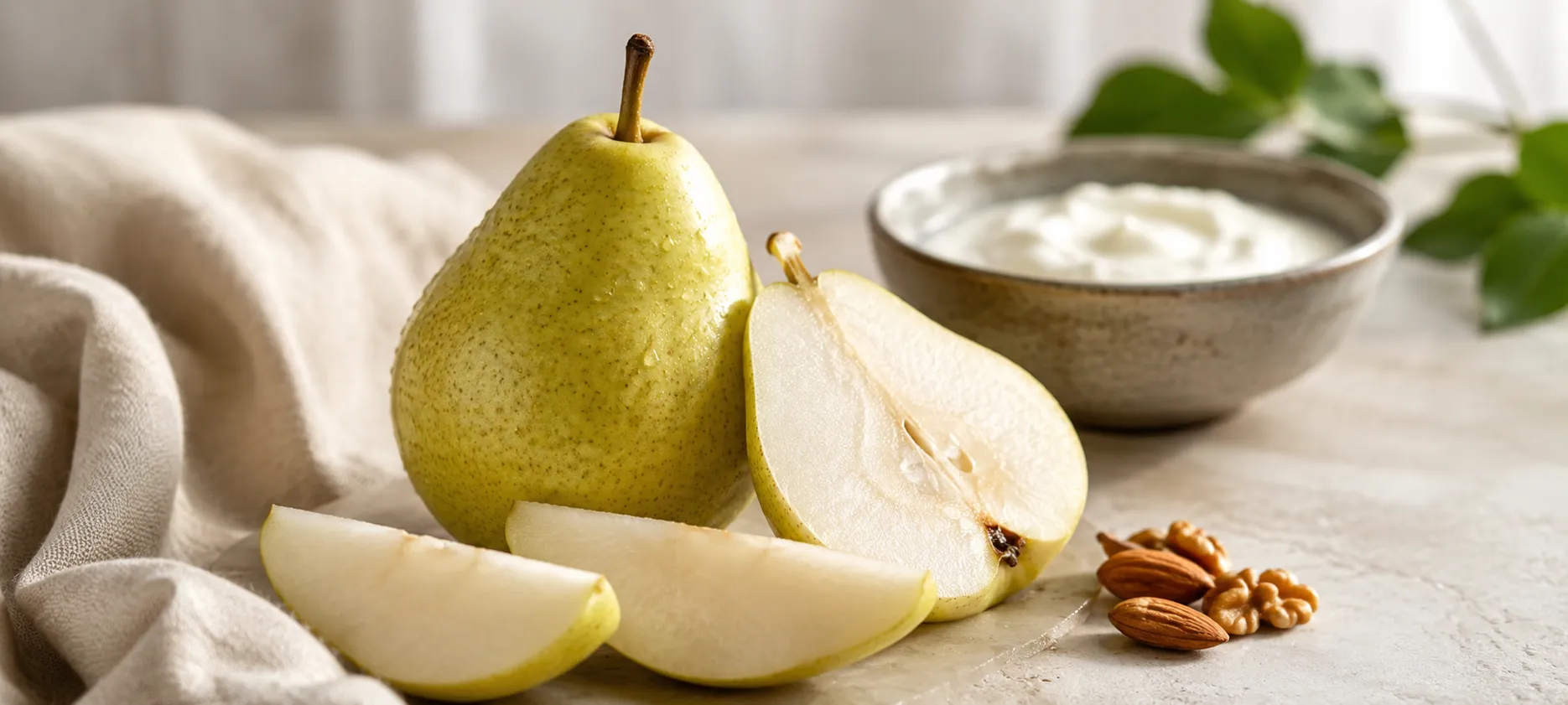
- Low-glycaemic fruits (Phase 2 and beyond): Guava, apple, orange, pear, berries (if available), peaches, and limited papaya.
- Whole grains (Phase 2 and beyond): Flatbread made from whole wheat or multigrain flour, brown rice, oats, and millets in controlled portions.
- Beverages: Water, lemon water without sugar, herbal teas, plain black tea or coffee (without sugar), and unsweetened buttermilk; alcohol only in moderation if your doctor permits.
These South Beach Diet foods provide essential nutrients whilst supporting the programme's metabolic goals. The emphasis on whole, minimally processed foods ensures you receive adequate vitamins, minerals, and fibre for optimal health.
South Beach Diet Foods to Avoid
Understanding which foods to limit or avoid helps ensure success with the South Beach Diet approach:
- High-carb fruits (to be avoided in Phase 1): Bananas, kiwi, mango, grapes, pineapple, lychee, and dried fruits.
- Refined grains and starches: White bread, biscuits, bakery buns, white rice, regular pasta, and sugary breakfast cereals.
- Sugary foods and desserts: Sweets, cakes, pastries, ice cream, chocolate, and other packaged desserts.
- High-glycaemic vegetables in Phase 1: Potatoes, sweetcorn, and large portions of beetroot.
- Processed and packaged foods: Chips, instant noodles, ready-to-eat snacks, and foods with added sugar, flavours, and preservatives.
- Sugary drinks: Soft drinks, packaged fruit juices, energy drinks, milkshakes, and heavily sweetened tea or coffee.
- Unhealthy fats: Deep-fried snacks, processed meats, and foods with hydrogenated oils (trans fats).
- Alcohol in Phase 1: Regular beer, sugary cocktails, and sweet alcoholic drinks should be avoided.
South Beach Diet Meal Plan (Sample 7-Day Menu)
This sample South Beach diet meal plan demonstrates how to structure your daily eating during different phases:
|
Day & Phase |
Breakfast |
Lunch |
Dinner |
Snacks |
|
Monday (Phase 1) |
Vegetable omelette |
Grilled chicken salad |
Baked fish and steamed broccoli |
Cottage cheese cubes; roasted chickpeas |
|
Tuesday (Phase 1) |
Scrambled egg and salad |
Stir-fried tofu and vegetables |
Chicken curry (low-oil) + sautéed greens |
Greek yoghurt (unsweetened); nuts |
|
Wednesday (Phase 1) |
Boiled eggs and raw vegetables |
Fish fillet + leafy greens |
Grilled cottage cheese + roasted vegetables |
Buttermilk (unsweetened); almonds |
|
Thursday (Phase 2) |
Veg omelette + 1 whole-grain flatbread |
Grilled chicken + quinoa salad |
Fish curry and brown rice |
Apple slices; yoghurt with berries |
|
Friday (Phase 2) |
Oatmeal with skim milk |
Whole-wheat flatbread + lentil curry + vegetables |
Grilled tofu + brown rice |
Pear slices; wholegrain crackers |
|
Saturday (Phase 2) |
Whole-wheat toast + avocado + egg |
Kidney beans + whole-grain flatbread |
Grilled chicken + millet pilaf |
Orange slices, hummus, and raw veggies |
|
Sunday (Phase 3) |
Oat pancakes + fresh fruit + yoghurt |
Lean meat + baked sweet potato |
Whole-grain pasta with vegetables |
Smoothie (without sugar); nuts and seeds |
Benefits of the South Beach Diet
The South Beach Diet offers numerous advantages that make it appealing for individuals seeking sustainable weight management and improved health outcomes:
- Quick early results: Phase 1 often leads to rapid initial weight loss, which can help boost motivation.
- Better blood sugar control: Focusing on low-glycaemic foods helps reduce spikes and crashes in energy.
- Heart-friendly pattern: Emphasis on lean protein, healthy fats, and high-fibre foods may support heart health.
- Fewer cravings: Stable blood sugar and more protein can help cut cravings for sweets and refined carbs.
- Lower glycaemic load: A Medscape General Medicine analysis found that the South Beach Diet’s median daily glycaemic load (~34) was less than half that of typical high-carb diets, indicating a lower overall blood sugar impact.
- Long-term habits, not a “crash” plan: The three phases teach portion control, smart carb choices, and balanced meals for maintenance.
- Flexible and practical: You can adapt it to Indian foods and social situations, with room for occasional treats.
- No strict calorie counting: You mainly focus on food quality and rough portions, which many people find easier to follow.
Possible Side Effects of the South Beach Diet
While the South Beach Diet is generally well-tolerated, some individuals may experience temporary side effects, particularly during Phase 1:
- Tiredness and weakness: You may feel low on energy in the first few days as your body shifts from using carbs to using fat for fuel.
- Headaches and irritability: Sudden cut-down of sugar and refined carbs can cause mild headaches, Mood swings or feeling ‘on edge’ during the first week.
- Digestive changes: Your bowel habits may change, with constipation, bloating, or altered frequency of bowel movements as your fibre and carbohydrate intake adjusts.
- Bad breath: Mild ketosis from lower carbs can cause a fruity or unusual mouth odour, which often improves with better hydration and oral hygiene.
- Difficulty concentrating: Some people feel foggy or less focused temporarily while the brain adapts to using more fat instead of glucose.
- Sleep disturbances: You may notice trouble falling asleep, lighter sleep, or waking up more often until your body gets used to the new eating pattern.
- Increased urination: As your body loses stored water and salt in the early phase, you may need to pass urine more often than usual.
Most side effects are mild and resolve within 7–10 days as your body adapts to the new eating pattern. Staying well-hydrated, ensuring adequate electrolyte intake, and getting sufficient rest can help minimise these temporary effects.
Is the South Beach Diet Safe? Who Should Avoid It?
The South Beach Diet is generally safe for most healthy adults because it uses a moderate, rather than extreme, low-carbohydrate approach. But some people need to be careful or avoid it.
- People with type 1 diabetes: They should not follow this diet without close medical supervision, as lower carbs can cause dangerous blood sugar swings.
- People with type 2 diabetes on medicines: Must talk to their doctor first, because their diabetes doses may need to be changed.
- Pregnant or breastfeeding women: Should avoid restrictive diets, as they need extra nutrients for the baby and for milk production.
- Children and teenagers: As they are still growing and developing, restrictive plans like this are not recommended.
- People with past or current eating disorders: Diet “rules” and restrictions may trigger unhealthy patterns and should be approached very carefully.
- People with kidney disease should check with their doctor first, as higher protein intake can put an extra load on the kidneys.
Conclusion
The South Beach Diet can be a useful low-glycaemic, high-protein approach for weight loss and better metabolic health. But it should always be adapted to your medical needs and followed under professional guidance, especially if you have existing health conditions.
To safely track your progress, Metropolis Healthcare offers more than 4,000 lab tests, full body checkups, and speciality testing. Our convenient home sample collection is supported by 10,000+ touchpoints, quick turnaround times, and a strong focus on accurate results. You can book easily via the website or the app, making it simpler to monitor your health while following the South Beach Diet or any other plan.
Must Read: Balanced Diet Basics: Importance, Benefits & Diet Chart
FAQs
What is the purpose of the South Beach Diet?
It’s designed to promote weight loss and better heart and metabolic health by emphasising low-glycaemic carbs, lean protein, and healthy fats while cutting refined sugars and processed carbs.
How much weight can you lose on the South Beach Diet?
Phase 1 often claims 3.5–6 kg (8–13 lb) in 2 weeks, with slower, steady loss in later phases depending on your body, activity, and adherence.
What foods can you eat on the South Beach Diet?
Lean meats, fish, eggs, tofu, paneer, non-starchy vegetables, and healthy fats (olive oil, nuts, seeds, and avocado). In later phases, fruits, whole grains, and legumes are consumed in controlled portions.
Is the South Beach Diet safe for diabetics?
It may help control blood sugar, but it can significantly affect glucose levels, especially in Phase 1. So, people with diabetes should follow it only under medical supervision.
Can vegetarians follow the South Beach Diet?
Yes. Vegetarians can rely on tofu, tempeh, paneer, low-fat dairy, lentils, and other legumes as main protein sources while following the same phased structure.
Is the South Beach Diet better than keto?
Keto is very low carb and very high fat, while South Beach is moderately low carb and higher in lean protein and unsaturated fats. For long-term benefits, the “better” diet is the one that is safe, balanced, and sustainable for you.
How long is Phase 1 of the South Beach Diet?
Phase 1 lasts 14 days, after which you move to Phase 2 and gradually reintroduce healthy carbohydrates.
Do you need to exercise while on the South Beach Diet?
Exercise isn’t mandatory but is strongly recommended to improve weight loss, heart health, and overall fitness.
References
- https://pmc.ncbi.nlm.nih.gov/articles/PMC1682003/
- https://www.mayoclinic.org/healthy-lifestyle/weight-loss/in-depth/south-beach-diet/art-20048491
- https://www.healthline.com/nutrition/south-beach-diet
- https://www.webmd.com/vitamins/ai/ingredientmono-1193/south-beach-diet