Home Visit
 Upload






Preventive Healthcare
The Mediterranean Diet: Benefits, Foods & How To Start
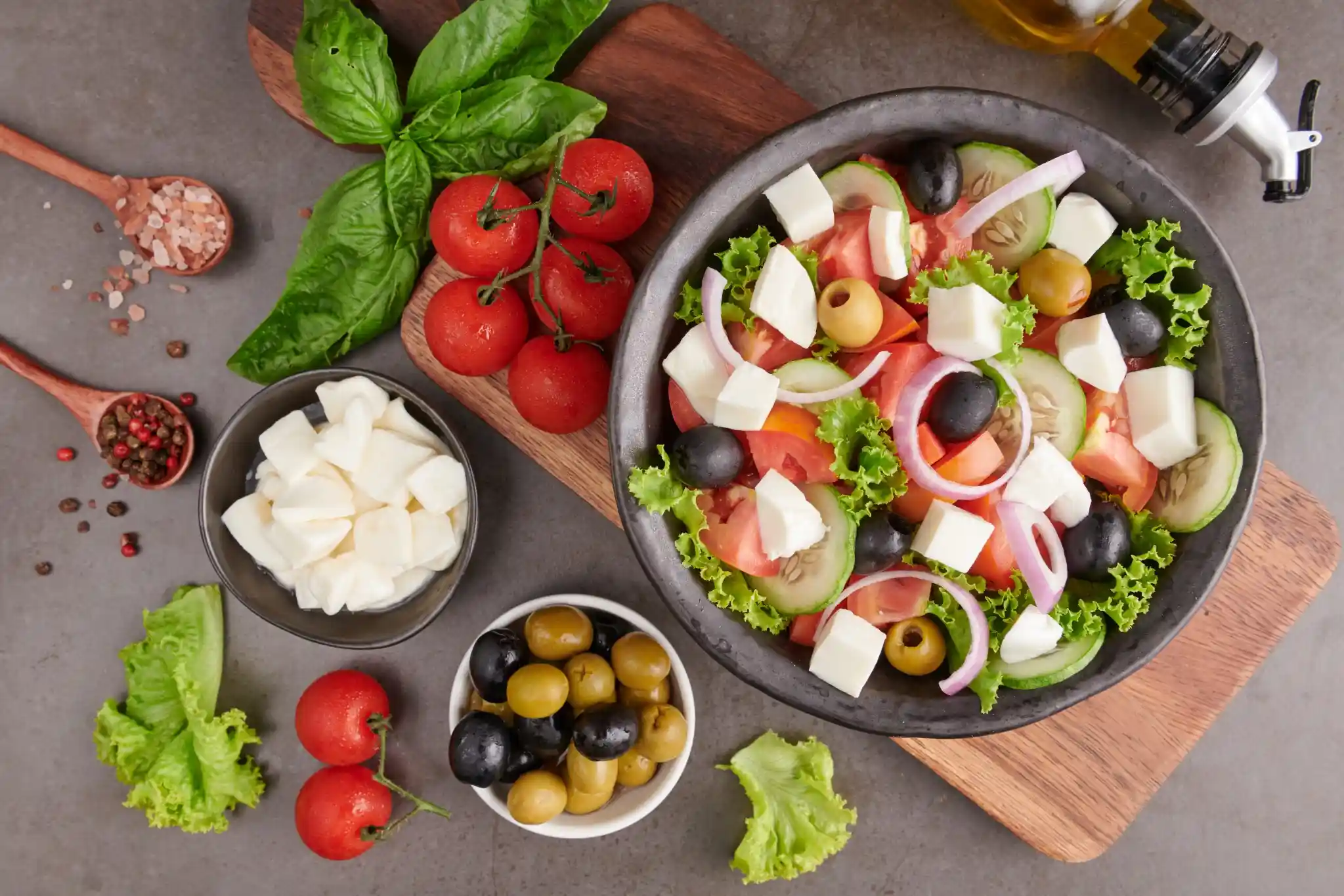
Table of Contents
- What Is the Mediterranean Diet?
- How the Mediterranean Diet Works
- Health Benefits of the Mediterranean Diet
- Mediterranean Diet Food List: What to Eat and Avoid
- Mediterranean Diet Meal Plan (7-Day Sample Menu)
- How to Start the Mediterranean Diet: Beginner Steps
- Mediterranean Diet for Vegetarians/Vegans
- Common Mistakes to Avoid
- Who Should Avoid or Modify the Mediterranean Diet?
- How the Mediterranean Diet Supports Long-Term Health
- Conclusion
- FAQs
- References
What Is the Mediterranean Diet?
The Mediterranean diet is a way of eating based on the traditional food habits of countries bordering the Mediterranean Sea, such as Greece, Italy, and Spain. It emphasises plant-based foods (vegetables, fruits, whole grains, legumes, nuts, and seeds), healthy fats (especially extra virgin olive oil), moderate amounts of fish and poultry, and minimal processed foods and added sugars.
Unlike restrictive “fad” plans, the Mediterranean diet is more of a lifestyle pattern. It focuses on fresh, seasonal ingredients, shared meals with family, and an overall approach that supports heart health, longevity, and balanced nutrition.
How the Mediterranean Diet Works
The Mediterranean diet supports health through several connected mechanisms:
- Anti-inflammatory effects: Polyphenols and antioxidants in plant foods help reduce chronic inflammation.
- Cardiovascular protection: Olive oil and omega-3-rich fishv improve cholesterol and support heart health.
- Blood sugar regulation: High fibre from whole grains and legumes stabilises glucose and improves insulin sensitivity.
- Weight management: Healthy fats, protein, and fibre promote satiety while keeping meals nutrient-dense.
- Gut health: A variety of plant foods nourishes good gut bacteria, aiding digestion and immunity.
- Cellular protection: Antioxidant-rich colourful fruits and vegetables protect against oxidative stress and support healthy ageing.
Health Benefits of the Mediterranean Diet
The benefits of the Mediterranean diet extend across multiple aspects of health, making it one of the most evidence-based dietary approaches available today.
- Cardiovascular health: The Mediterranean diet can cut heart disease risk by up to 30%. Healthy fats from olive oil, nuts, and fish help improve cholesterol levels and support healthy blood pressure.
- Weight management: It uses high-fibre, filling foods that curb hunger. This helps slow, steady weight loss without strict calorie counting.
- Diabetes control: It can lower type 2 diabetes risk by about 52% compared to low-fat diets. Whole grains, legumes, and healthy fats help keep blood sugar steady.
- Brain health: Regular adherence is linked to a lower risk of memory loss and dementia. Anti-inflammatory foods and good fats may reduce Alzheimer’s risk by up to 40%.
- Cancer protection: Antioxidants, fibre, and healthy fats may lower the risk of certain cancers, particularly colorectal and breast cancer. Eating fewer processed foods adds more protection.
- Longevity: People on this pattern often live longer with fewer chronic illnesses. It supports healthy ageing and better day-to-day energy and function.
According to the National Institutes of Health (NIH), long-term adherence to the traditional Mediterranean diet is associated with very low cholesterol levels and a markedly reduced incidence of coronary heart disease. It also helps improve waist circumference, blood pressure, triglycerides, and blood glucose.
Mediterranean Diet Food List: What to Eat and Avoid
Understanding which Mediterranean diet foods to emphasise and which to limit lays the foundation for optimal nutrition — while still enjoying delicious, satisfying meals.
Foods to Include Daily
- Vegetables: Tomato, okra, bottle gourd, eggplant, bell peppers, spinach, fenugreek leaves, carrot, beetroot.
- Fruits: Indian gooseberry, guava, banana, apple, orange, sweet lime, papaya, pomegranate, and small mango varieties.
- Whole grains & millets: Whole wheat flatbread, brown or red rice, sorghum flatbread, pearl millet flatbread, finger millet pancakes, barley, broken wheat porridge.
- Legumes: Green gram, red lentils, chickpeas, kidney beans, black-eyed peas, sprouted pulses.
- Nuts & seeds: Almonds, walnuts, pistachios, peanuts, flaxseeds, chia seeds, sesame seeds, sunflower seeds.
- Healthy oils: Extra virgin olive oil as the primary fat, or small amounts of mustard, groundnut, or rice bran oil.
- Herbs & spices: Coriander, mint, curry leaves, ginger, garlic, turmeric, cumin, carom seeds, black pepper, asafoetida.
Foods to Eat in Moderation
- Fish & seafood: Prefer fatty fish like Indian mackerel, sardines, rohu, hilsa, kingfish, or pomfret, prepared grilled, baked, or lightly pan-seared.
- Poultry: Skinless chicken or turkey in home-style curries, stews, grilled preparations, or oven-roasted dishes instead of fried versions.
- Dairy: Toned milk, cultured yoghurt, buttermilk, and small portions of cottage cheese; keep heavy cream and cheese to a minimum.
- Eggs: 2–4 eggs per week, ideally boiled, poached, or in a light vegetable omelette.
- Alcohol (optional): If consumed, limit it to small, occasional amounts with meals; it is not essential for health benefits.
Foods to Limit or Avoid
- Red meat: Limit lamb, beef, and rich gravies to once a week or less.
- Processed meats: Avoid sausages, salami, bacon, frozen/semi-cooked kebabs and nuggets.
- Refined grains: Limit white bread, polished white rice, refined-flour naan, deep-fried breads, and biscuits.
- Added sugars: Limit sweets (syrup sweets, deep-fried sweets, and flour-based sweets), cakes, pastries, ice creams, and sweetened cereals.
- Sugary drinks & junk: Avoid sodas, packaged juices, energy drinks, chips, instant noodles, and ready-to-eat meals.
Mediterranean Diet Meal Plan (7-Day Sample Menu)
Creating a structured Mediterranean diet meal plan helps establish sustainable eating patterns and ensures nutritional adequacy. This sample menu demonstrates how to incorporate Mediterranean diet foods throughout the week.
|
Day |
Breakfast |
Lunch |
Dinner |
Snack |
|
Monday |
Yoghurt with fruit and walnuts |
Lightly spiced pan-seared fish curry + brown rice + salad |
Vegetable and white chickpea soup |
Apple with nut butter |
|
Tuesday |
Vegetable semolina bowl |
Sprouted lentil–chickpea salad + cottage cheese crumble |
Grilled fish + roasted vegetables + millet or quinoa |
Mixed nuts and roasted chickpeas |
|
Wednesday |
Oat porridge with figs and almonds |
Chickpea curry + brown rice + salad |
Grilled chicken with salad and one whole wheat flatbread |
Hummus with carrot/cucumber sticks |
|
Thursday |
Vegetable omelette + whole wheat toast |
Grilled tuna or fish + kidney bean salad |
Whole wheat vegetable pasta in tomato–basil sauce |
Yoghurt with a drizzle of honey |
|
Friday |
Spinach–banana–yoghurt smoothie |
Grilled vegetables and quinoa, or sorghum grains |
Light fish stew with vegetables and boiled potatoes |
Orange or sweet lime + almonds |
|
Saturday |
Savoury millet pancake + fresh fruit |
Whole wheat wrap with hummus, salad, and grilled cottage cheese |
Stuffed eggplant with spiced brown rice and nuts |
Olives + cottage cheese cubes |
|
Sunday |
Chia pudding with fruit and nuts |
Brown rice and seafood pilaf |
Small portion of roasted lamb + baked potato + salad |
Fresh fruit salad |
Breakfast Options
- Yoghurt parfait: Thick curd layered with seasonal fruits and nuts.
- Whole wheat toast: With mashed avocado, sliced tomato, herbs, and a light oil drizzle.
- Vegetable omelette: Eggs with spinach, tomato, onion, peppers, and herbs.
- Oats porridge: With milk or plant milk, topped with fruits and seeds.
- Smoothie bowl: Yoghurt blended with banana, mango, or berries, topped with homemade granola and nuts.
Lunch & Dinner Ideas
- Grilled fish dishes: Pan-seared Indian mackerel, kingfish, or pomfret with lemon, garlic, and herbs.
- Legume-based salads: Chickpea salad, sprouted lentil bowl, or kidney bean salad with lemon–olive oil dressing.
- Vegetable-loaded pasta or grain bowls: Whole wheat pasta or vegetable-rich brown rice/millet bowls.
- Protein grain bowls: Brown rice, quinoa, or sorghum topped with dal, sautéed veggies, and cottage cheese/fish/chicken.
- Soups: Light lentil soups, mixed vegetable soup, or tomato–herb broth with whole wheat bread.
Snacks & Healthy Dessert Choices
- Fresh fruit with nuts: Seasonal fruits (banana, apple, papaya, guava, orange, pomegranate) with a few almonds, walnuts or pistachios.
- Veg sticks with dips: Carrot, cucumber, capsicum sticks with hummus, and hung-curd dip.
- Olives and paneer/cheese: A small serving of olives with a few cubes of cheese.
- Curd bowls: Thick curd with a little honey, chopped nuts, and seasonal fruit pieces.
- Homemade trail mix: Mix roasted peanuts, almonds, seeds (flax, pumpkin, sunflower) and a few raisins/dates.
- Fruit-based desserts: A simple mixed fruit bowl or sliced orange instead of heavy sweets.
How to Start the Mediterranean Diet: Beginner Steps
Transitioning to the Mediterranean diet doesn't require dramatic overnight changes. These practical steps help you gradually adopt this sustainable eating pattern:
- Switch your cooking oil: Use olive oil or cold-pressed plant oils and avoid hydrogenated fats.
- Add more vegetables: Make vegetables the largest part of your plate at every meal.
- Choose whole grains: Replace refined grains with whole wheat, brown rice, oats, quinoa, and millets.
- Snack on nuts and fruits: Choose nuts and whole fruits instead of packaged or fried snacks.
- Use more lentils and beans: Add lentils, chickpeas, and beans to meals for plant-based protein.
- Cut down red meat: Limit lamb, goat, and beef to small, occasional servings.
- Flavour with herbs and spices: Use herbs and spices for taste instead of heavy sauces or extra salt.
Mediterranean Diet for Vegetarians/Vegans
The Mediterranean diet is easy to adapt for both vegetarians and vegans because it naturally focuses on plant-based foods.
Mediterranean Diet for Vegetarians:
- The Mediterranean diet fits vegetarians because it is mostly plant-based.
- Vegetarians can rely on vegetables, fruits, lentils, chickpeas, beans, whole grains, nuts, seeds, yoghurt, cottage cheese, and eggs for balanced nutrition.
Mediterranean Diet for Vegans:
- Vegans can follow the same pattern without dairy and eggs.
- They can use lentils, chickpeas, beans, sprouts, whole grains, nuts, seeds, hummus, healthy oils, and fortified foods (for vitamin B12) to meet protein and nutrient needs.
Common Mistakes to Avoid
Successful Mediterranean diet implementation requires awareness of potential pitfalls that can undermine your health goals:
- Using too much oil: Olive and cold-pressed oils are healthy but still high in calories; use small amounts.
- Oversized portions: Lentils, beans, grain bowls, and cottage cheese are healthy but can lead to overeating if portions are large.
- Relying on “healthy” packaged foods: Avoid ready-made hummus, flavoured chips, diet snacks, and bottled dressings.
- Eating too fast: Avoid rushing meals; eat slowly and chew thoroughly for better digestion.
- Focusing on one “magic” food: No single item—olive oil, salads, or nuts—creates health; the full eating pattern matters.
- Lack of variety: Avoid repeating the same lentils or vegetables daily; rotate your grains, legumes, and produce.
- Using poor-quality oil: Choose extra virgin olive oil for salads and cold-pressed oils for cooking; avoid hydrogenated and reused oils.
Who Should Avoid or Modify the Mediterranean Diet?
While the Mediterranean diet suits most people, some may need changes or medical advice:
- Gallbladder disease: High fat from oils, nuts, and fish may trigger pain and discomfort.
- On blood thinners: Alcohol and large amounts of leafy greens should be monitored by a doctor.
- Severe kidney disease: Nuts, seeds, lentils, beans, and some vegetables may need strict limits.
- Eating disorders: Follow only under guidance from a doctor and therapist.
- Food allergies: People with nut, fish, lactose, or gluten allergies need safe alternatives.
- Strict low-salt diet: Limit olives, cheese, pickles, savoury fried snacks, and packaged foods.
How the Mediterranean Diet Supports Long-Term Health
The Mediterranean diet’s enduring appeal comes from its sustainable, flexible approach to long-term health rather than quick fixes. It offers a framework that can adapt to different life stages, with research showing that long-term adherence is linked to lower chronic disease risk, better cognitive function, and improved quality of life in older age.
By emphasising whole foods, shared meals, and enjoyment of eating, the Mediterranean pattern nurtures a healthier relationship with food and supports mental as well as physical well-being. It recognises that true health includes good nutrition, social connection, lower stress, and the ability to enjoy everyday life.
Conclusion
The Mediterranean diet is a sustainable way of eating that supports heart health, weight management, better blood sugar control, and overall well-being. Focusing on fruits, vegetables, whole grains, healthy fats, and lean proteins helps you build a balanced, enjoyable food pattern that fits into daily life.
Metropolis Healthcare offers 4,000+ tests, including full body checkups and tests to check the nutritional levels in your body. Home sample collection is available through 10,000+ touchpoints with quick reporting and high accuracy. You can book via the website or app, making it easy for you and your doctor to track your health as you follow the Mediterranean diet.
Must read: Balanced Diet Basics: Importance, Benefits & Diet Chart
FAQs
What foods can you eat on the Mediterranean diet every day?
- Vegetables and fruits
- Whole grains (brown rice, oats, whole wheat, millets)
- Legumes (lentils, chickpeas, beans, peas)
- Healthy fats (olive oil, nuts, seeds)
- Herbs and spices instead of heavy sauces
- Water and other unsweetened drinks
How much weight can you lose on the Mediterranean diet?
Weight loss is individual and depends on age, activity, and calorie intake. The Mediterranean diet supports slow, steady weight loss when combined with portion control and exercise. For structured guidance, you can follow a dedicated weight loss diet chart and customise it with your doctor or dietitian.
Is the Mediterranean diet good for diabetics?
Yes, it can help improve blood sugar control, as it focuses on whole grains, legumes, vegetables, fruits, nuts, and healthy fats. People with diabetes should still individualise their meal plan with their healthcare team.
Can I drink coffee or wine on the Mediterranean diet?
Moderate coffee without added sugar generally fits the plan. Wine may be allowed in small amounts with meals for some adults, but it is not essential, and anyone advised to avoid alcohol should not drink it.
Is the Mediterranean diet expensive?
It can be budget-friendly if you base meals on local, seasonal produce, grains, and legumes. Use nuts and olive oil in small amounts, and cut back on packaged snacks, sugary drinks, and frequent takeaways.
Are eggs allowed on the Mediterranean diet?
Yes, eggs are allowed in moderation, a few times per week as part of balanced meals. People with high cholesterol or heart disease should follow their doctor’s advice on how many to eat.
How long does it take to see results on the Mediterranean diet?
You may feel better energy and digestion within weeks. Changes in cholesterol, blood pressure, and blood sugar usually appear over months, while long-term heart and brain benefits come with years of consistent practice.
Can the Mediterranean diet be vegetarian?
Yes. A vegetarian version relies on vegetables, fruits, whole grains, legumes, nuts, seeds, olive oil, and dairy if included. These emphasise getting enough protein, iron, calcium, B12, and healthy fats.
Can the Mediterranean diet be gluten-free?
Yes. Choose gluten-free grains like brown rice, quinoa, buckwheat, amaranth, millets, and potatoes, and avoid wheat, barley, and rye. People with celiac disease should always check labels for hidden gluten.
Is the Mediterranean diet anti-inflammatory?
It is considered anti-inflammatory because it emphasises whole, minimally processed foods, colourful fruits and vegetables, omega-3-rich fish, nuts, seeds, and olive oil, all of which may help reduce chronic inflammation.
References
- https://my.clevelandclinic.org/health/articles/16037-mediterranean-diet
- https://www.healthline.com/nutrition/mediterranean-diet-meal-plan
- https://www.mayoclinic.org/healthy-lifestyle/nutrition-and-healthy-eating/in-depth/mediterranean-diet/art-20047801
- https://pmc.ncbi.nlm.nih.gov/articles/PMC3684452/