Home Visit
 Upload






Preventive Healthcare
Weight Loss Exercises: Best Workouts To Burn Fat And Stay Fit
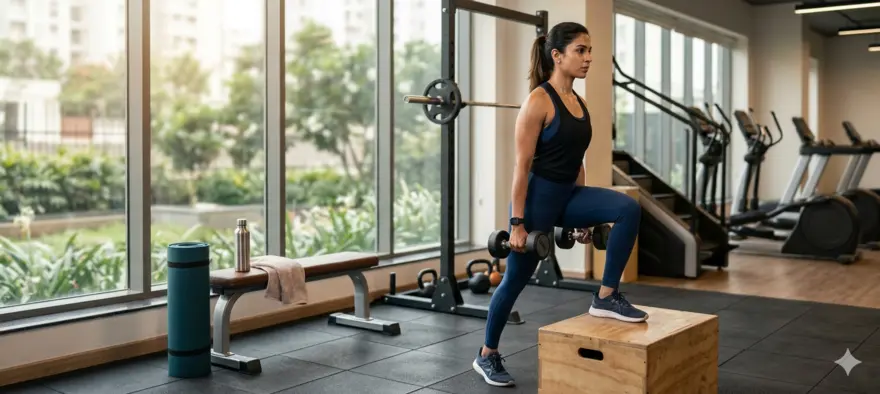
Table of Contents
- How Exercise Helps With Weight Loss
- Best Weight Loss Exercises
- Cardio For Weight Loss
- Why Cardio Works For Weight Loss
- Strength Training For Weight Loss
- Compound Exercises That Burn More Energy
- Home Exercises To Lose Weight
- Gym Workout For Weight Loss
- Best Weight Loss Exercises For Female
- Best Weight Loss Exercises For Male
- Can You Lose Belly Fat With Exercise?
- How To Create An Effective Weight Loss Workout Plan
- How Often Should You Exercise For Weight Loss?
- Safety Tips Before You Start
- When To Consider Health Monitoring During Weight Loss
- Conclusion
- FAQs
- References
If you want to lose weight, exercise can help, but it works best when you pair it with healthy eating and steady daily habits. No single workout can melt fat from one body part. You cannot spot reduce belly fat. What you can do is build a routine that helps you burn more energy, improve fitness, protect muscle, and support long-term weight control. Public health guidance also shows that regular aerobic activity and muscle-strengthening exercise both matter for health and weight management.
The good news is that you do not need a perfect routine to get started. Walking, simple home exercises to lose weight, gym sessions, and strength training can all help. The best exercise to lose weight is often the one you can do regularly and safely.
How Exercise Helps With Weight Loss
Exercise helps with weight loss in more than one way. Cardio increases calorie use during and after activity. Strength training helps you build or maintain muscle, which supports your resting energy use and helps protect lean mass while you lose fat. Exercise also plays an important role in keeping weight off after you lose it, especially when you combine it with a balanced diet.
It also improves fitness, stamina, blood sugar control, heart health, and mood. That matters because a plan that makes you feel stronger and more energetic is easier to follow for the long term.
Best Weight Loss Exercises
Walking
Walking is one of the simplest and most effective forms of weight loss exercise. It is easy on the joints, beginner-friendly, and easy to fit into daily life. Brisk walking also helps if you are easing into exercise after a long gap.
HIIT
HIIT, or high-intensity interval training, uses short bursts of hard effort followed by easier recovery periods. It can be time-efficient and can improve fitness and body composition, but it is not necessary for everyone. If you are new to exercise, start with lower-impact intervals first.
Running Or Jogging
Running and jogging can burn more calories than many lower-intensity activities in the same amount of time. They can work well if your joints tolerate impact and you enjoy them. Start gradually to reduce the risk of injury.
Cycling
Cycling is a useful cardio option if you want a lower-impact workout. It supports heart health and endurance and can be done outdoors or on a stationary bike.
Swimming
Swimming gives you a full-body workout and is especially useful if you have knee or back discomfort. It is joint-friendly and can improve fitness while helping you stay active consistently.
Jump Rope
Skipping rope is a strong option when you want fast, intense cardio in a small space. It also challenges coordination and works several muscle groups. It may not suit you if you have knee pain or are just starting out.
Strength Training
Strength training is one of the most important parts of a weight-loss routine. It helps preserve muscle, improves body composition, and supports long-term fat loss when combined with diet and cardio.
Compound Exercises
Compound movements such as squats, lunges, deadlifts, push-ups, rows, and shoulder presses work many muscles at once. That makes them efficient when you want to build strength and use more energy in less time.
Stair Climbing
Stair climbing is simple, demanding, and easy to add to everyday life. It can raise your heart rate quickly and help improve lower-body strength and stamina.
Yoga And Pilates
Yoga and Pilates may not burn as many calories as running or HIIT, but they can still support your goals. They improve strength, balance, flexibility, body awareness, and consistency. That can make your wider routine easier to maintain.
Cardio For Weight Loss
If you are focusing on cardio for weight loss, these are good options to consider:
- Brisk walking
- Jogging or running
- Cycling
- Swimming
- Jump rope
- Stair climbing
- HIIT sessions
- Rowing or elliptical training at the gym
Cardio helps because it increases calorie burn and improves stamina. You do not need to choose the hardest option. A brisk walk done regularly can be more useful than an intense routine you stop after one week.
Why Cardio Works For Weight Loss
Cardio works for weight loss because it raises your energy expenditure. It also improves heart and lung fitness, which helps you stay active for longer and recover better between sessions. Still, cardio alone is not always enough for the best body composition results. Most evidence supports combining aerobic work with resistance training and a sensible food plan.
Strength Training For Weight Loss
Strength training deserves a regular place in your plan. It helps you keep muscle while you lose fat, which is especially important if you are eating fewer calories.
Useful strength exercises include:
- Squats
- Lunges
- Push-ups
- Deadlifts
- Shoulder press
- Rows
- Glute bridges
- Resistance band exercises
You can do these with body weight, dumbbells, kettlebells, resistance bands, or machines. Aim to train all major muscle groups at least twice a week. Leave enough recovery time between hard sessions.
Compound Exercises That Burn More Energy
Compound exercises are especially helpful when you want efficient workouts. They train several joints and muscle groups together, so they can help you build strength, improve movement, and support fat loss more effectively than isolation exercises alone.
Good examples include:
- Squats
- Lunges
- Deadlifts
- Push-ups
- Shoulder presses
- Burpees
If you are a beginner, start with bodyweight versions. Once your technique improves, you can add resistance slowly.
Home Exercises To Lose Weight
You do not need a gym to make progress. Home exercises to lose weight can work very well when you do them consistently.
Try options such as:
- Marching or jogging in place
- High knees
- Squats
- Lunges
- Mountain climbers
- Burpees
- Skipping rope
- Step-ups on a stable step
- Short bodyweight circuits
A simple home workout can mix cardio and strength. For example, you can do squats, step-ups, wall push-ups, marching in place, and lunges in circuits of 20 to 40 seconds each.
Gym Workout For Weight Loss
A gym workout for weight loss can combine machines, free weights, and cardio in one session. That makes it practical if you want structure.
A simple gym session may include:
- 10 minutes of brisk walking or cycling to warm up
- 20 to 30 minutes of cardio such as treadmill walking, rowing, cycling, or elliptical work
- 20 to 30 minutes of strength work such as leg press, rows, chest press, shoulder press, and squats
- 5 minutes to cool down
If you are new, start with shorter sessions and focus on form before intensity.
Best Weight Loss Exercises For Female
If you are looking for exercise for weight loss for female goals, the core advice stays the same: choose a mix of cardio and strength training that you can keep doing. Walking, cycling, swimming, resistance training, and low-impact interval work are all useful choices. The best plan depends more on your fitness level, schedule, joint comfort, and preferences than on gender alone.
Best Weight Loss Exercises For Male
If you are looking for exercise for weight loss for male routines, compound lifting, brisk cardio, interval sessions, and regular walking can all be effective. Again, the most useful plan is the one that matches your current fitness, recovery, and consistency. You do not need extreme workouts to see progress.
Can You Lose Belly Fat With Exercise?
Exercise can help reduce belly fat, but not by targeting the belly alone. Spot reduction is a myth. Belly fat usually comes down as your overall body fat comes down. That is why full-body exercise, healthy eating, sleep, and stress control matter more than any one ab workout.
How To Create An Effective Weight Loss Workout Plan
Set A Realistic Weekly Goal
Start with a level you can manage. Public health guidance recommends at least 150 minutes of moderate activity or 75 minutes of vigorous activity each week, with muscle-strengthening work on 2 or more days.
Combine Cardio And Strength Training
This gives you the benefits of calorie burn, fitness, and muscle support. It is one of the most practical forms of lifestyle-based weight loss treatment.
Start With Your Current Fitness Level
If you are a beginner, walking, wall push-ups, chair squats, and cycling are enough to start. Build from there.
Increase Intensity Gradually
Add time, speed, resistance, or repetitions slowly. Sudden jumps often lead to soreness or injury.
Plan Rest And Recovery
Your body needs recovery to adapt. This matters even more if you are doing HIIT or lifting weights.
Track Progress Beyond The Scale
Notice changes in energy, strength, stamina, sleep, and waist measurement. These signs often improve before the scale changes much.
Pair Exercise With Healthy Eating
Exercise works best when you also manage food quality and portion size. Diet and activity are both important, especially if you want steady fat loss and long-term weight control.
How Often Should You Exercise For Weight Loss?
For most adults, a good starting point is at least 150 minutes of moderate-intensity activity each week or 75 minutes of vigorous activity. Strength training should be added at least 2 times a week. If your goal is weight loss or keeping weight off, you may need more activity than the minimum, especially if your diet does not change much. Daily movement also counts, so walking more, taking stairs, and reducing long sitting time can all help.
Safety Tips Before You Start
Start slowly if you have not exercised in a while. Warm up before workouts and cool down after. Use good footwear, keep water nearby, and stop if you feel chest pain, dizziness, or unusual shortness of breath. If you have obesity, diabetes, joint pain, high blood pressure, heart disease, or another long-term condition, speak to your doctor before starting a harder plan.
When To Consider Health Monitoring During Weight Loss
Weight loss is not only about what you do in the gym or at home. Sometimes blood sugar, thyroid function, cholesterol, liver health, sleep, or nutrition gaps can affect your progress. If you are following a structured GLP-1 Diet or using GLP-1 Agonists under medical guidance, regular follow-up can be especially useful. In such cases, a GLP 1 Test Package or a GLP-1 Monitor Package may support more organised tracking of key health markers over time.
Routine screening may also help if you have a family history of diabetes, thyroid problems, fatty liver, or heart disease, or if your weight has changed quickly without a clear reason.
Conclusion
The best weight loss exercise is not one perfect workout. It is a balanced routine you can continue. Walking, cardio, strength training, home circuits, and gym sessions can all help you burn fat and stay fit when you do them regularly. The most reliable results usually come from combining exercise with healthy eating, sleep, and realistic goals.
As you work towards better fitness, it also helps to stay informed about your health. Preventive screening, routine blood tests, and full body checkups can give you a clearer picture of blood sugar, cholesterol, thyroid, and other markers linked to weight and metabolism. Metropolis Healthcare supports proactive health monitoring with 4,000+ tests, expert-led diagnostics, reliable reports, and convenient home sample collection through a strong network of touchpoints. You can book easily through the website, app, call, or WhatsApp, making it simpler to stay on top of your health while you build healthier habits.
FAQs
What Are The Best Exercises To Lose Belly Fat?
You cannot lose belly fat with only belly exercises. The best approach is full-body activity such as walking, cycling, HIIT, strength training, and a healthy eating plan that helps reduce overall body fat.
How Much Cardio Is Needed For Weight Loss?
A common starting target is 150 minutes of moderate-intensity cardio a week or 75 minutes of vigorous activity. Some people may need more for weight loss or weight maintenance.
Can You Lose Weight By Just Exercising?
You can lose some weight with exercise alone, but it is usually more effective when you also improve your eating pattern. Exercise is especially important for fitness, body composition, and keeping weight off.
What Is The Best Exercise For Weight Loss At Home?
Brisk marching, high knees, squats, lunges, step-ups, wall push-ups, and short bodyweight circuits are all useful. The best home routine is one you can repeat several times a week.
Does Weight Training Help With Weight Loss?
Yes. Weight training helps you preserve or build muscle, improve body composition, and support long-term fat loss, especially when combined with diet and cardio.
Can GLP-1 Agonists Help With Weight Loss?
They may help some people when prescribed by a doctor as part of a wider medical plan. They are not a substitute for movement, food quality, sleep, and follow-up. Your doctor can advise whether they fit your overall weight loss treatment plan.
Is Walking Enough For Weight Loss?
Walking can absolutely help, especially if you do it briskly and regularly. For better results, add strength work and healthy eating.
Which Exercise Burns The Most Calories?
That depends on your body weight, intensity, fitness level, and how long you exercise. Running, vigorous cycling, swimming, and jump rope can burn a lot, but the best exercise is still the one you can do safely and consistently.
References
- World Health Organization. Physical activity. Updated 2024.
- NHS. Physical activity guidelines for adults aged 19 to 64. Updated 2021.
- Centers for Disease Control and Prevention. Physical Activity and Your Weight and Health. Updated 2023.
- Mayo Clinic Staff. Exercise for weight loss: Calories burned in 1 hour. Mayo Clinic. 2024.
- Oppert JM, Bellicha A, Ciangura C, et al. Physical activity and exercise for weight loss and weight maintenance in people living with obesity. Curr Obes Rep. 2023;12(2):141-149. PMID: 37142892.
- Swift DL, McGee JE, Earnest CP, Carlisle E, Nygard M, Johannsen NM. The effects of exercise and physical activity on weight loss and maintenance. Prog Cardiovasc Dis. 2018;61(2):206-213. PMID: 30003901.
- Lopez P, Taaffe DR, Galvao DA, et al. Resistance training effectiveness on body composition and body weight outcomes in individuals with overweight and obesity across the lifespan: A systematic review and meta-analysis. Obes Rev. 2022;23(5):e13428. PMID: 35191588.
- Wewege M, van den Berg R, Ward RE, Keech A. The effects of high-intensity interval training vs. moderate-intensity continuous training on body composition in overweight and obese adults: A systematic review and meta-analysis. Obes Rev. 2017;18(6):635-646. PMID: 28401638.
- Catenacci VA, Wyatt HR. The role of physical activity in producing and maintaining weight loss. Nat Clin Pract Endocrinol Metab. 2007;3(7):518-529. PMID: 17581621.
- Donnelly JE, Blair SN, Jakicic JM, Manore MM, Rankin JW, Smith BK. Appropriate physical activity intervention strategies for weight loss and prevention of weight regain for adults. Med Sci Sports Exerc. 2009;41(2):459-471. PMID: 19127177.