Home Visit
 Upload






Preventive Healthcare
2 Month Pregnancy Symptoms: What to Expect
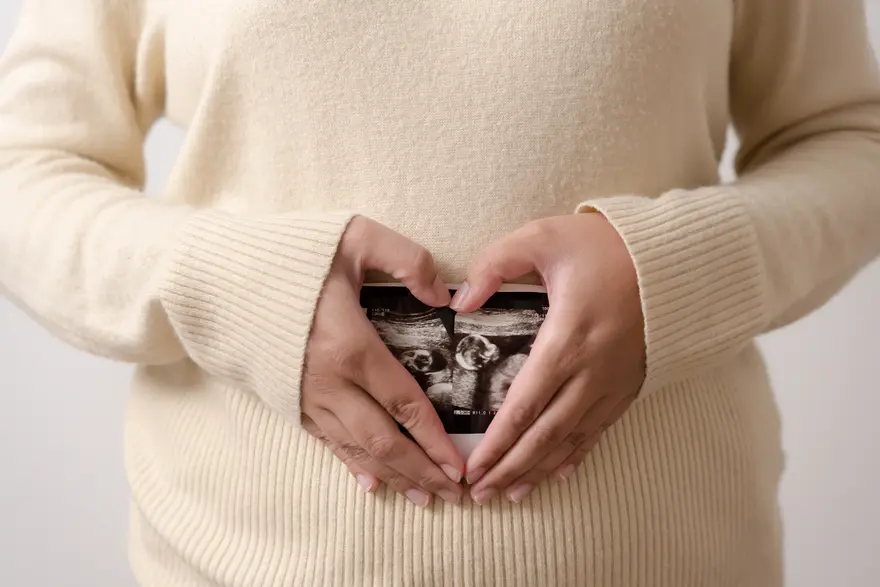
Table of Contents
- Baby Development 2nd Month of Pregnancy
- How Does Your Belly Look at 2 Months Pregnant?
- Symptoms at 2 months Pregnant
- Ultrasound at 2 Months Pregnant: What Will You See?
- 2 Months Pregnant with Twins: Signs and Differences
- Safe Exercises and Diet Tips for 2 Months of Pregnancy
- Important Medical Treatment & Health Checkups at 2 Months Pregnant
- Tips for a Healthy Second Month of Pregnancy
- FAQs
The 2 month foetus pregnancy marks an exciting and transformative period as your body adapts to nurture the growing life within. During this crucial time, understanding the common 2 month pregnancy symptoms, tracking your baby's development, and adopting healthy lifestyle practices are essential for a smooth and confident pregnancy journey.
As hormonal changes intensify, you may experience a range of physical and emotional symptoms that can leave you feeling anxious or overwhelmed. Rest assured, these symptoms are a normal part of the miraculous process unfolding inside you. By staying informed about 2 month pregnant foetus and seeking proper prenatal care, you can navigate this special time with greater ease and joy.
Baby Development 2nd Month of Pregnancy
During the second month of pregnancy, your baby undergoes remarkable growth and development. Here are some key milestones:
- The neural tube, which forms the brain and spinal cord, closes and continues to develop.
- Tiny limb buds emerge, gradually forming arms and legs with paddle-like hands and feet.
- Facial features such as eyes, ears, nose, and lips start to form, giving your baby a more distinct appearance.
- The heart divides into chambers and begins to beat rhythmically, often detectable via ultrasound.
- Major organs like the liver and kidneys start to function, laying the foundation for your baby's bodily processes.
By the end of the 2 month pregnancy, your little one transitions from an embryo to a foetus, measuring approximately 1-2 centimetres in length.
How Does Your Belly Look at 2 Months Pregnant?
One of the most common questions expectant mothers have is, "What will my belly size at 2 months pregnant look like?" The answer varies from woman to woman, especially in early pregnancy.
At this stage, most women do not yet have a noticeable baby bump, particularly if it's their first pregnancy. However, you may experience some physical changes, such as:
- Slight bloating or a feeling of fullness in the lower abdomen due to hormonal shifts and increased blood flow.
- Clothes feeling a bit snugger around the waist, even though visible growth is minimal.
- A small bump may be noticeable for some women, especially those who have been pregnant before.
Remember, every pregnancy is unique, and 2 month belly pregnancy appearances can differ significantly.
Symptoms at 2 months Pregnant
As your body adjusts to the incredible changes taking place, you may experience various 2 month pregnancy symptoms, such as:
- Morning sickness: Nausea, sometimes accompanied by vomiting, can occur at any time of day.
- Breast tenderness and enlargement: Hormonal changes may cause your breasts to feel sore, swollen, or tingly as they prepare for milk production.
- Frequent urination: In the first trimester, frequent urination is mainly due to hormonal changes (increased hCG and progesterone), not yet due to uterus size.
- Fatigue and drowsiness: The demands of pregnancy can leave you feeling exhausted, especially in the first trimester.
- Food cravings or aversions: You may develop strong desires for certain foods or find that previously enjoyed dishes become unappealing.
- Mood swings and heightened emotions: Hormonal fluctuations can make you feel more emotional or prone to mood swings.
- Mild cramping or discomfort: Occasional pelvic cramping or a pulling sensation in the lower abdomen is normal as your uterus expands. Severe pain or bleeding should not be ignored and requires prompt medical review.
If any symptoms during 2 month pregnancy concern you or seem unusual, don't hesitate to reach out to your doctor for guidance.
Ultrasound at 2 Months Pregnant: What Will You See?
An ultrasound at 2 months pregnant is an exciting milestone that offers a glimpse into your baby's development. Here's what you might see:
- The gestational sac: A fluid-filled structure that surrounds and protects the developing embryo.
- The yolk sac: A small, circular structure that provides nourishment to the embryo before the placenta fully develops.
- A tiny embryo: Measuring about 1-2 centimetres, your baby's body will be visible, although details may be hard to discern.
- Cardiac activity: You may see a flickering motion, which is your baby's heartbeat. Hearing it for the first time can be an emotional and joyous moment.
- Early limb development: The beginnings of arms and legs, known as limb buds, may be visible.
- Head and body distinction: Your baby's head and body will start to take on a more defined shape.
2 Months Pregnant with Twins: Signs and Differences
If you're wondering if you might be expecting twins, 2 months pregnant is often when the first signs appear. Some indicators and differences may include:
- More pronounced symptoms: Due to higher hormone levels, nausea, fatigue, and breast tenderness may be more intense compared to a singleton pregnancy.
- Increased bloating: You may experience greater abdominal discomfort or a slightly larger belly than expected for your gestational age.
- Rapid weight gain: Some women carrying twins may notice faster weight gain in the early months.
- Ultrasound confirmation: The presence of two gestational sacs or two embryos with separate heartbeats can confirm a twin pregnancy.
If you suspect you have 2 month belly pregnancy, discuss your concerns with your doctor.
Safe Exercises and Diet Tips for 2 Months of Pregnancy
Maintaining a healthy lifestyle is crucial during 2 month pregnant foetus. Here are some tips:
Exercise:
- Engage in gentle activities like walking, swimming, or prenatal yoga to stay active and support your physical and mental well-being.
- Avoid high-impact or contact sports that carry a risk of injury or abdominal trauma.
- Listen to your body and modify your routine as needed, taking breaks when fatigued.
Diet:
- Focus on a balanced diet rich in fruits, vegetables, whole grains, lean proteins, and calcium-rich foods to support your baby's growth and development.
- Take a prenatal vitamin containing essential nutrients like folic acid, iron, and calcium, as recommended by your doctor.
- Stay hydrated by drinking plenty of water throughout the day.
- Eat smaller, more frequent meals to help alleviate nausea and maintain stable blood sugar levels.
- Avoid alcohol and tobacco, and limit caffeine intake to promote a healthy pregnancy.
Before starting any new exercise regimen or making significant dietary changes, consult your doctor.
Important Medical Treatment & Health Checkups at 2 Months Pregnant
During the 2 month foetus pregnancy, important medical check-ups may include:
- Scheduling your first prenatal visit: This appointment typically involves a comprehensive health assessment, including a review of your medical history, physical examination, and baseline tests.
- Blood tests: Your doctor will check your blood type, Rh factor, and haemoglobin levels and screen for infections or immunities.
- Urine tests: These help detect urinary tract infections, protein levels, and other potential issues.
- Ultrasound: An ultrasound at around 8 weeks can confirm the pregnancy, check for multiple gestations, and provide an estimated due date.
- Genetic screening: Your doctor may discuss options for screening tests like the Triple Marker Test, Prega Pro Test, or Prega Plus to assess the risk of certain chromosomal abnormalities.
- Pregnancy confirmation: A beta HCG test or urine pregnancy test can verify the presence of the pregnancy hormone, hCG.
Tips for a Healthy Second Month of Pregnancy
Here are some helpful tips to prioritise your well-being:
- Fatigue is common in early pregnancy, so listen to your body and take naps or rest when needed.
- Choose nutrient-dense foods that are easy to digest, and avoid skipping meals to keep nausea at bay.
- Engage in relaxation methods like deep breathing, meditation, or gentle stretching to manage stress and promote emotional balance.
- Incorporate moderate physical activity into your routine, following the guidelines provided by your doctor.
- Steer clear of alcohol, tobacco, and exposure to strong chemicals to protect your developing baby.
At Metropolis Healthcare, we understand the importance of reliable diagnostic services and personalised care during this special time. Our team of expert phlebotomists offers convenient at-home sample collection for essential pregnancy tests like the Beta HCG Test, ensuring your comfort and peace of mind. With our state-of-the-art laboratories and user-friendly Metropolis TruHealth app, you can access your test results easily and securely.
FAQs
What is the feeling of 2 months pregnant?
At 2 months pregnant, many women experience a range of symptoms, including fatigue, nausea, breast tenderness, frequent urination, and mood swings. Some may also have mild abdominal bloating or cramping. However, the intensity of these symptoms varies from person to person.
How to confirm pregnancy in 2nd month?
While a home pregnancy test can detect pregnancy, doctors confirm pregnancy in the second month through blood tests that measure hCG levels and a transvaginal ultrasound. These methods help accurately date the pregnancy and assess foetal development.
Is 2 months pregnant have heartbeat?
Yes, by the second month of pregnancy, a baby's heartbeat can usually be detected via ultrasound. This milestone typically occurs around the 6th to 7th week of pregnancy, bringing joy and reassurance to expectant parents.
Will you test positive at 2 months pregnant?
Yes, at 2 months pregnant, both urine and blood pregnancy tests are highly likely to show positive results due to the presence of the pregnancy hormone, hCG. These tests are reliable indicators of pregnancy at this stage.
What are 5 week pregnancy symptoms?
At 5 weeks pregnant, common symptoms may include a missed period, nausea, breast tenderness, fatigue, frequent urination, and sometimes mild cramping or spotting. These symptoms are caused by hormonal changes and the body's adaptation to pregnancy.
Is it normal to not feel pregnant at 2 months?
Yes, it's entirely normal for some women to have few or no noticeable pregnancy symptoms at 2 months. Symptom experiences vary widely, and the absence of symptoms doesn't necessarily indicate a problem. However, if you have concerns, it's always best to consult your doctor.