Home Visit
 Upload






Preventive Healthcare
Third Trimester of Pregnancy: What to Expect Week by Week
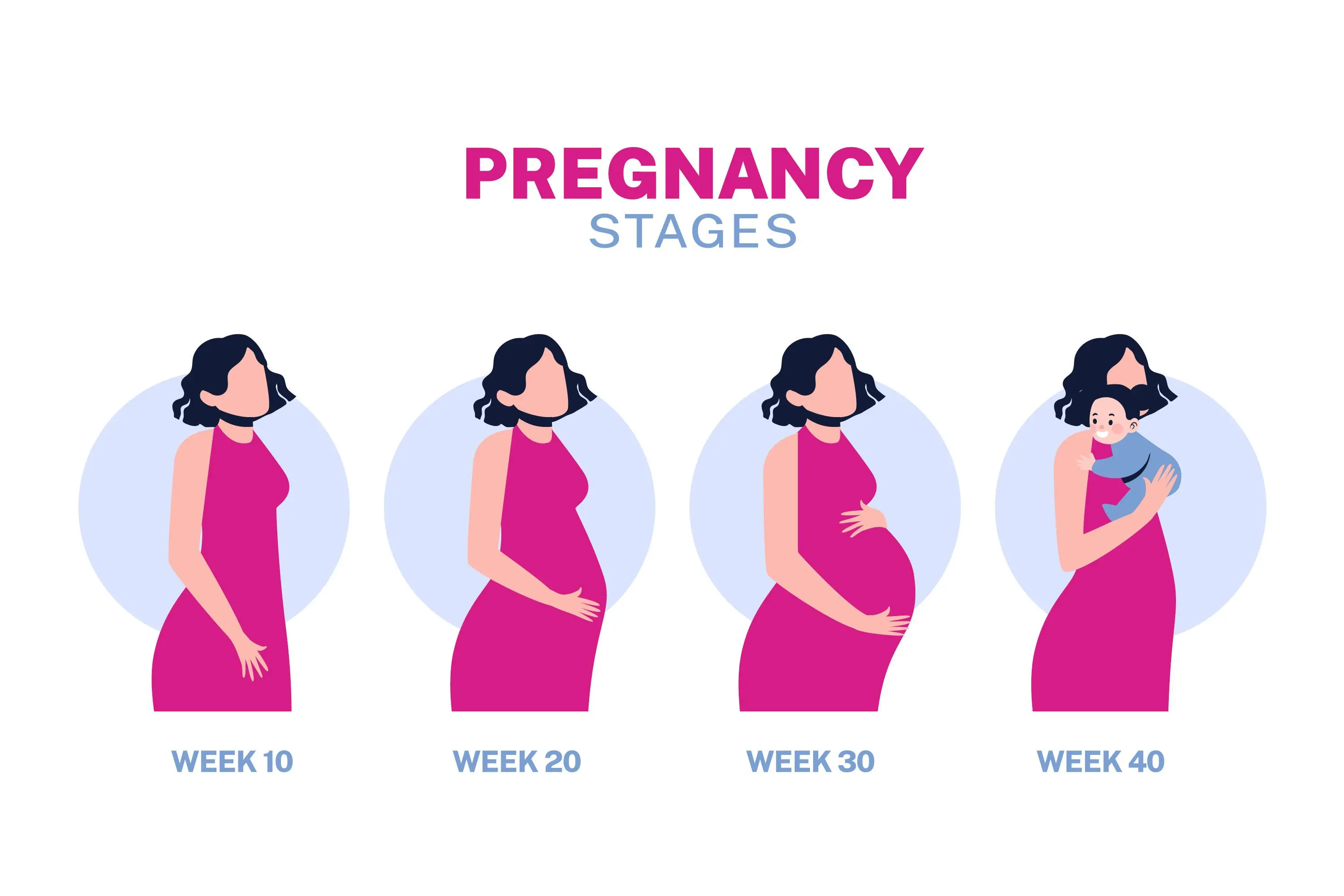
Table of Contents
- What Is the Third Trimester?
- When Does the Third Trimester of Pregnancy Start?
- What Is Prenatal Care in the Third Trimester?
- What Are the Common Symptoms in the Third Trimester?
- How Do We Take Care of Ourselves in the Third Trimester?
- What Happens to Our Emotions in the Third Trimester?
- How Does Our Baby Develop in the Third Trimester?
- What Complications Can Happen in the Third Trimester?
- What Happens to Our Baby in the Third Trimester?
- What Can We Expect From Our Doctor or Midwife?
- How Can We Stay Healthy Through the Third Trimester?
- What Are Signs of Labour?
- What Else Should We Consider in the Third Trimester?
- Third Trimester Tips for Twins
- When Should We Call Our Doctor in the Third Trimester of Pregnancy?
- FAQs
What Is the Third Trimester?
The third trimester is the final stage of pregnancy, spanning from week 28 until delivery, which usually occurs around week 40. During this period, your baby undergoes rapid growth and development, gaining weight and refining vital organ functions. As your body prepares for labour and delivery, you may experience increased physical discomfort and emotional changes. However, with proper care and support, you can navigate this phase with confidence and look forward to meeting your little one.
When Does the Third Trimester of Pregnancy Start?
The third trimester officially begins at week 28 and lasts until your baby is born, typically around 40 weeks. However, it's important to note that every pregnancy is unique, and delivery can occur anywhere from 37 to 42 weeks. Most doctors consider a pregnancy full-term between 39 and 40 weeks. As you enter the third trimester pregnancy weeks, your prenatal care will become more frequent, with check-ups usually scheduled every two weeks until week 36, and then weekly until delivery.
What Is Prenatal Care in the Third Trimester?
During the third trimester, prenatal care becomes more frequent and focused on monitoring the health and well-being of both you and your baby. Here's what you can expect:
- Checkups every two weeks from weeks 28 to 36, then weekly until delivery
- Measurement of your blood pressure, weight, and fundal height (distance from pubic bone to top of uterus)
- Monitoring of your baby's heart rate and movement
- Urine tests to check for signs of preeclampsia or urinary tract infections. Also screening for protein and glucose levels
- A Group B Streptococcus (GBS) test around week 36 to screen for harmful bacteria
- Additional tests, such as non-stress tests or biophysical profiles, if you have a high-risk pregnancy or your baby is overdue.
What Are the Common Symptoms in the Third Trimester?
As your body accommodates your growing baby, you may experience various third trimester symptoms, including:
- Braxton Hicks contractions (practice contractions)
- Shortness of breath, as your uterus presses against your diaphragm
- Frequent urination, due to increased pressure on your bladder
- Swelling in your feet, ankles, and hands (oedema)
- Backaches and pelvic pain, as your ligaments stretch and your posture changes
- Heartburn and indigestion, caused by hormonal changes and a compressed stomach
- Trouble sleeping, due to discomfort and anxiety about the impending birth
If any third trimester symptoms seem unusual or concerning, don't hesitate to contact your doctor.
How Do We Take Care of Ourselves in the Third Trimester?
Self-care is crucial during the third trimester to ensure the health and well-being of both you and your baby. Here are some tips:
- Maintain a balanced, nutrient-rich diet to support your baby's growth and your own energy levels
- Stay hydrated by drinking plenty of water throughout the day
- Engage in safe, moderate exercise, such as walking or prenatal yoga, to help alleviate discomfort and labour preparation (unless advised otherwise by your doctor)
- Get adequate rest and sleep, using pillows to support your growing belly and alleviate pressure points
- Attend all scheduled prenatal appointments to monitor your health and your baby's development
- Practice stress-reduction techniques, such as deep breathing, meditation, or prenatal massage, to manage anxiety and promote relaxation.
What Happens to Our Emotions in the Third Trimester?
The third trimester can be an emotional rollercoaster, with feelings ranging from excitement and joy to anxiety and apprehension. Here's what you might experience:
- Increased mood swings, due to hormonal changes and the physical demands of late pregnancy
- A mix of eagerness and nervousness about the impending birth and the responsibilities of parenthood
- Frustration or irritability, stemming from physical discomfort and lack of sleep
- A sense of impatience, as you await your baby's arrival
- Nesting instincts, or a strong desire to prepare your home for the baby.
How Does Our Baby Develop in the Third Trimester?
During the third trimester, your baby undergoes rapid growth and development in preparation for life outside the womb. Here are some key milestones in foetal development in third trimester:
- Rapid weight gain, with your baby growing from about 2.5 pounds at the start of the third trimester to 6-9 pounds at birth
- Maturation of the lungs, brain, and nervous system, enabling your baby to breathe, regulate body temperature, and respond to stimuli
- Development of the senses, including the ability to see, hear, and taste
- Accumulation of fat stores, giving your baby a more rounded appearance
- Descent of the baby's head into the pelvis in preparation for birth (lightening)
- Fine-tuning of the digestive system, allowing your baby to process some nutrients
By the end of the third trimester, your baby is fully developed and ready to make their entrance into the world.
What Complications Can Happen in the Third Trimester?
While most pregnancies progress smoothly, it's important to be aware of potential complications that can arise during the third trimester. These may include:
- Preeclampsia (high blood pressure and organ damage)
- Gestational diabetes
- Preterm labour (labour before 37 weeks)
- Placenta previa (placenta covering the cervix)
- Intrauterine growth restriction (baby not growing as expected)
- Stillbirth (rare but possible)
If you experience any unusual symptoms or concerns, don't hesitate to contact your doctor.
What Happens to Our Baby in the Third Trimester?
As your baby grows and develops during the third trimester, you may notice some exciting changes:
- Increased foetal movement, with your baby's kicks and jabs becoming stronger and more frequent
- A more defined sleep-wake cycle, with periods of activity and rest
- Improved coordination and the ability to grasp, suck, and blink
- The descent of the baby's head into the pelvis (lightening), which may provide some relief from heartburn and shortness of breath but can also increase pelvic pressure and the urge to urinate
- Hiccups, which you may feel as rhythmic, jerky movements in your belly
- Responsiveness to external stimuli, such as music, light, and touch.
What Can We Expect From Our Doctor or Midwife?
During the third trimester, your doctor will closely monitor your health and your baby's development through regular prenatal visits. Here's what you can expect:
- Measurement of your fundal height to assess your baby's growth
- Checking your baby's heart rate and position using a doppler or ultrasound
- Monitoring your blood pressure and weight gain
- Testing your urine for signs of preeclampsia or urinary tract infections
- Discussing your birth preferences and creating a birth plan
- Providing information on labor signs and when to go to the hospital
- Offering guidance on third trimester pregnancy precautions, such as avoiding certain foods and activities
- Performing a cervical exam to check for dilation and effacement as your due date approaches
- Scheduling additional tests or monitoring if you have a high-risk pregnancy or your baby is overdue.
How Can We Stay Healthy Through the Third Trimester?
Maintaining a healthy lifestyle is crucial during the third trimester to support your well-being and your baby's development. Here are some tips:
- Eat a balanced, nutrient-dense diet rich in fruits, vegetables, whole grains, lean proteins, and healthy fats
- Stay hydrated by drinking water, herbal tea, and other caffeine-free beverages
- Engage in safe, moderate exercise, such as walking, swimming, or prenatal yoga, to maintain fitness and prepare for labor (unless advised otherwise by your doctor)
- Get plenty of rest and sleep, aiming for at least 7-9 hours per night
- Avoid harmful substances, such as alcohol, tobacco, and illicit drugs
- Manage stress through relaxation techniques, such as deep breathing, meditation, or prenatal massage
- Attend all scheduled prenatal appointments and follow your doctor's recommendations for managing any pre-existing or pregnancy-related conditions.
What Are Signs of Labour?
As you approach the end of your third trimester, it's essential to be aware of the signs of labor. These can include:
- Regular, painful contractions that become more frequent and intense over time
- A sudden gush or trickle of fluid, indicating that your water has broken (rupture of membranes)
- A bloody show, or the passage of the mucus plug that seals the cervix during pregnancy
- A dull, persistent backache or pelvic pressure
- Diarrhea or nausea, as your body prepares for labor
- Cervical changes, such as dilation and effacement, which your doctor can assess during a vaginal exam
If you experience any of these signs or have concerns about the onset of labor, contact your doctor immediately.
What Else Should We Consider in the Third Trimester?
In addition to focusing on your health and your baby's development, there are several practical considerations during the third trimester:
- Finalising your birth plan and childcare arrangements
- Packing a hospital bag with essentials for you and your baby
- Attending childbirth education classes
- Preparing your home for your baby's arrival
- Planning for postpartum support
- Discussing any concerns or questions with your doctor
By addressing these aspects in advance, you can feel more prepared and confident as you approach labour and delivery.
Third Trimester Tips for Twins
If you're expecting twins, your third trimester experience may differ slightly. Some key points to keep in mind:
- Expect more frequent prenatal visits and monitoring
- Prepare for the possibility of earlier delivery (often before 37 weeks)
- Rest as much as possible, as carrying twins can increase fatigue
- Be vigilant for signs of preterm labour
- Discuss delivery options (vaginal vs. C-section) with your doctor early on
With proper care and support, you can navigate the unique challenges of a twin pregnancy and look forward to welcoming your bundles of joy.
When Should We Call Our Doctor in the Third Trimester of Pregnancy?
During the third trimester, it's crucial to stay alert for any signs or symptoms that may indicate a problem with your health or your baby's well-being. Contact your doctor immediately if you experience:
- Severe headaches, blurred vision, or sudden swelling in your face, hands, or feet (signs of preeclampsia)
- Vaginal bleeding or watery discharge
- Regular, painful contractions before 37 weeks (signs of preterm labor)
- A significant decrease in foetal movement
- Fever, chills, or other signs of infection
- Severe abdominal pain or cramping
- Any other symptoms that feel unusual or concerning
Remember, your doctor is your partner in ensuring a healthy pregnancy and a safe delivery. Don't hesitate to reach out with any questions or concerns you may have throughout your third trimester.
At Metropolis Healthcare, we understand the importance of reliable and accurate diagnostic services during pregnancy. Our team of expert pathologists and technicians is dedicated to providing you with the information you need to make informed decisions about your health and your baby's well-being. From routine third trimester tests to specialised screenings, we offer a comprehensive range of services to support you throughout your pregnancy journey.
FAQs
Is my baby fully developed at 27 weeks?
At 27 weeks, your baby is not yet fully developed. While most major organs are formed, they continue to mature throughout the third trimester. Your baby's lungs, brain, and nervous system, in particular, undergo significant development in the final weeks of pregnancy.
Is the third trimester 27 or 28 weeks?
The third trimester is generally considered to begin at week 28, although some doctors may refer to week 27 as the start of this final stage. The consensus among major health organizations is that the third trimester officially starts at week 28.
What to avoid during the third trimester of pregnancy?
During the third trimester, it's essential to avoid certain foods and activities that may pose risks to you or your baby. These include raw or undercooked meats, fish with high mercury levels, unpasteurized dairy products, alcohol, smoking, and certain medications. Consult with your doctor for a comprehensive list of third trimester pregnancy precautions.
When does the third trimester of pregnancy start and end?
The third trimester of pregnancy starts at week 28 and continues until your baby is born, typically around week 40. However, pregnancies can range from 37 to 42 weeks, so your exact due date may vary.
How can I sleep better in the third trimester?
To improve sleep during the third trimester, try using pillows for support, sleeping on your left side, maintaining a consistent bedtime routine, and avoiding caffeine and large meals before bed.
What tests are done in the third trimester?
Common third trimester tests include Group B strep screening, ultrasounds to monitor foetal growth and position, and non-stress tests to assess your baby's well-being. Your doctor may recommend additional tests based on your specific needs.