Home Visit
 Upload






Preventive Healthcare
Tuberous Sclerosis: Causes, Symptoms & Treatment
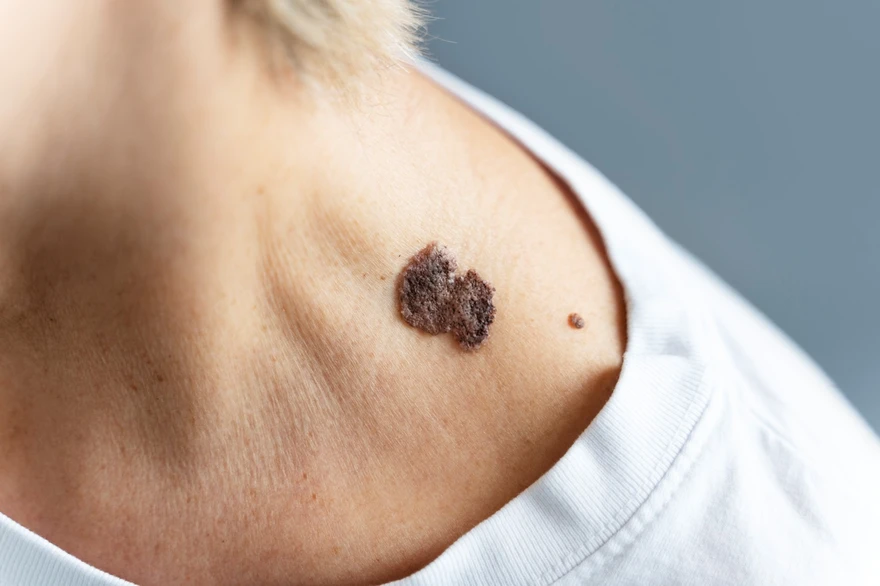
Table of Contents
- What Is Tuberous Sclerosis?
- How Tuberous Sclerosis Affects the Body
- Causes of Tuberous Sclerosis
- Risk Factors for Tuberous Sclerosis
- Symptoms of Tuberous Sclerosis
- Complications of Tuberous Sclerosis
- How Tuberous Sclerosis is Diagnosed
- Treatment for Tuberous Sclerosis
- Living with Tuberous Sclerosis
- Prevention of Tuberous Sclerosis
- When to See a Doctor
- Conclusion
- FAQs
- References
What Is Tuberous Sclerosis?
Tuberous sclerosis complex (TSC) is a rare genetic condition that affects multiple systems in the body. It is characterised by the growth of benign (non-cancerous) tumours called hamartomas in various organs, including the brain, skin, kidneys, heart, lungs, and eyes.
The severity of tuberous sclerosis symptoms ranges from mild skin changes to potentially life-threatening complications such as uncontrolled seizures, kidney disease, or progressive lung involvement.
How Tuberous Sclerosis Affects the Body
TSC disrupts the normal growth and division of cells, leading to the development of abnormal cell clusters or tumours. These tumours can cause problems by pressing on surrounding tissues, blocking fluid flow, or impairing organ function. The brain, kidneys, heart, and lungs are some of the most commonly affected organs. While some individuals with tuberous sclerosis may experience only mild signs and symptoms, others may face significant health challenges that require ongoing medical care and monitoring.
Causes of Tuberous Sclerosis
Understanding tuberous sclerosis causes is important to know why this condition develops. TSC is primarily linked to genetic mutations that affect cell growth and division, leading to the formation of benign tumours in different organs. According to international consensus reports, TSC affects about 1 in 6,000 live births worldwide.
Genetic Mutations
Tuberous sclerosis is caused by mutations in either the TSC1 or TSC2 gene. These genes are responsible for producing proteins called hamartin (TSC1) and tuberin (TSC2), which work together to regulate cell growth and division through the mTOR pathway. When either gene is mutated, it can lead to uncontrolled cell proliferation and the formation of hamartomas.
Inherited vs. Spontaneous Mutation
- Inherited mutations: TSC can be passed down from an affected parent to their child in an autosomal dominant pattern. This means that if one parent carries the mutated gene, each child has a 50% chance of inheriting the condition.
- Spontaneous mutations: In about two-thirds of cases, TSC occurs due to a spontaneous (de novo) mutation in either the TSC1 or TSC2 gene. These mutations arise at conception or during early foetal development in individuals with no family history of the disorder.
Risk Factors for Tuberous Sclerosis
- Having a parent with TSC (autosomal dominant inheritance)
- Each child of an affected parent has a 50% risk of inheriting the condition.
- No known environmental, lifestyle, or other external risk factors
- Most cases (approximately 2/3) result from new, spontaneous gene mutations.
Symptoms of Tuberous Sclerosis
Tuberous sclerosis symptoms can vary widely, depending on which organs are affected. While some individuals may have only mild signs, others may experience more serious complications.
Skin Symptoms
- Hypomelanotic macules: White or light-coloured patches on the skin
- Facial angiofibromas: Small, red bumps on the face, especially on the cheeks and nose
- Shagreen patches: Thick, pebbly patches of skin, usually found on the lower back
- Ungual fibromas: Growths around or under the fingernails or toenails
Neurological Symptoms
- Seizures: Often starting in infancy or early childhood
- Developmental delays: May include intellectual disability
- Behavioural issues: Such as autism spectrum disorder
- Subependymal giant cell astrocytomas (SEGAs): Benign brain tumours that can block cerebrospinal fluid flow and cause hydrocephalus
Kidney Symptoms
- Angiomyolipomas: Benign tumours composed of blood vessels, smooth muscle, and fat
- Kidney cysts: Fluid-filled sacs in the kidneys
- Kidney complications: Impairment or, in rare cases, life-threatening bleeding from angiomyolipomas
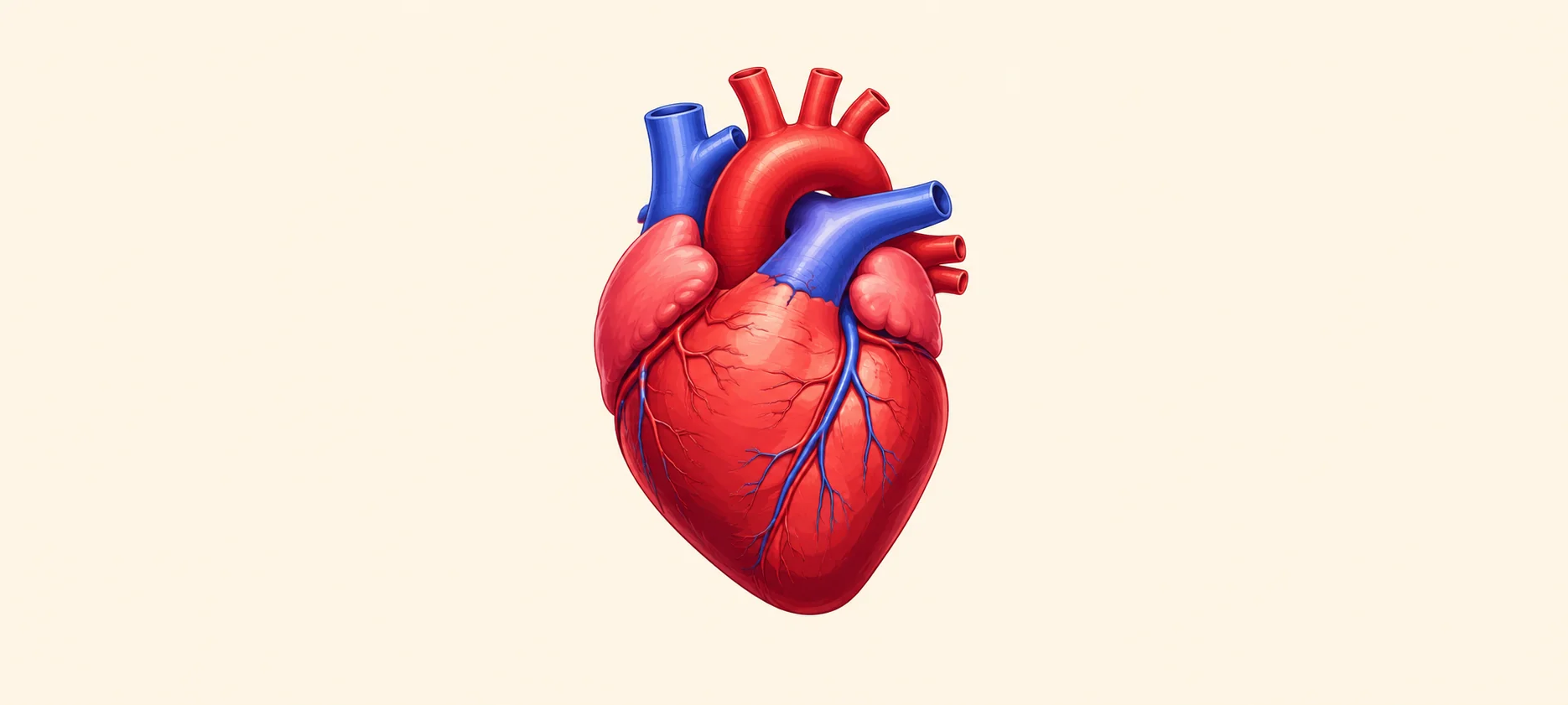
Heart Symptoms
- Rhabdomyomas: Benign heart tumours, usually detected in infants
- Arrhythmias: Abnormal heart rhythms
- Heart failure: Rare in infants, but may occur when rhabdomyomas are very large or multiple.
Lung Symptoms
- Lymphangioleiomyomatosis (LAM): A progressive lung disease that primarily affects adult women with TSC
- Breathing issues: Shortness of breath, cough, or chest pain
- Pneumothorax: Collapsed lung
Eye Symptoms
- Retinal hamartomas: Benign tumours in the back of the eye
- Vision problems: Though most retinal hamartomas do not cause major impairment
Complications of Tuberous Sclerosis
- Drug-resistant epilepsy (seizures that do not respond well to standard medications)
- Hydrocephalus due to SEGAs blocking cerebrospinal fluid flow
- Developmental delays, intellectual disabilities, or learning difficulties
- Kidney failure or life-threatening bleeding from angiomyolipomas
- Heart arrhythmias or obstruction of blood flow due to rhabdomyomas
- Progressive lung disease (LAM) leading to respiratory failure
- Vision loss, although rare
- Behavioural and psychiatric disorders, such as autism spectrum disorder, attention deficit hyperactivity disorder (ADHD), or anxiety
- Cosmetic disfigurement due to facial angiofibromas or other skin lesions
How Tuberous Sclerosis is Diagnosed
1. Medical History & Physical Examination
The process for tuberous sclerosis diagnosis begins with a thorough medical history and physical examination. Doctors will look for characteristic clinical signs, such as hypomelanotic macules, facial angiofibromas, or neurological symptoms like seizures. They will also enquire about any family history of TSC. Physical findings often prompt further testing to confirm the diagnosis.
2. Imaging Tests
- MRI of the brain: To detect cortical tubers, subependymal nodules, or SEGAs (subependymal giant cell astrocytomas)
- CT scan: To assess the kidneys, lungs, or other organs for the presence of tumours
- Ultrasound: Particularly useful for evaluating the kidneys
- Echocardiogram: To check for rhabdomyomas in infants or young children
3. Genetic Testing
Genetic testing can identify mutations in the TSC1 or TSC2 genes, confirming a tuberous sclerosis diagnosis. This information is valuable for family planning and genetic counselling. However, in some cases, a detectable mutation may not be found even with advanced genetic testing techniques.
4. EEG (Electroencephalogram)
An EEG is a test that records electrical activity in the brain. It is used to detect and characterise seizures, which are common in individuals with TSC. The EEG can help guide the selection of appropriate anti-epileptic medications.
5. Eye Examination
A comprehensive eye examination, including a dilated fundus exam, is performed to detect retinal hamartomas and other ocular manifestations of TSC. While most retinal hamartomas do not cause significant vision problems, regular eye exams are important for monitoring any changes over time.
Treatment for Tuberous Sclerosis
Treatment for tuberous sclerosis focuses on managing symptoms and controlling disease manifestations, as there is currently no cure. Key treatment options include:
Medications
- Antiepileptic drugs: To control seizures; vigabatrin is particularly effective for infantile spasms associated with TSC.
- mTOR inhibitors (everolimus, sirolimus): To shrink certain brain and kidney tumours, treat skin lesions, and manage seizures that do not respond to other therapies.
- Topical sirolimus: Applied directly to the skin to treat facial angiofibromas.
- Other medications: May be prescribed for managing behavioural issues or heart rhythm abnormalities.
Surgical Options
- Removal of brain, kidney, or heart tumours if they are causing significant impairment or complications.
- Surgical treatment for drug-resistant epilepsy, such as resection of cortical tubers, vagus nerve stimulation, or responsive neurostimulation in selected cases.
- Laser therapy or dermabrasion for improving the appearance of skin lesions.
- In severe cases of LAM, lung transplantation may be considered.
Therapies and Supportive Care
- Physical therapy to address motor skill delays or muscle weakness.
- Occupational therapy to help with daily living skills and adaptations.
- Speech therapy for individuals with communication difficulties.
- Behavioural therapy or counselling to manage autism spectrum disorder, ADHD, or other psychiatric comorbidities.
- Educational and vocational support to ensure individuals with TSC reach their full potential.
Regular Monitoring
Lifelong surveillance is crucial for individuals with tuberous sclerosis, as new symptoms and complications can develop over time. Regular monitoring includes periodic brain and abdominal imaging, EEGs, kidney function tests, and other examinations based on the specific organs involved. Early detection and intervention for complications can significantly improve outcomes and quality of life.
Living with Tuberous Sclerosis
- Multidisciplinary care involving specialists from various fields (neurology, dermatology, nephrology, pulmonology, etc.) is often necessary.
- Regular follow-up appointments to monitor disease progression and manage complications.
- Education about recognising and monitoring symptoms, as well as when to seek medical attention.
- Psychological and social support for both affected individuals and their families.
- Access to educational and vocational services to promote independence and self-sufficiency.
- Lifestyle adjustments to manage symptoms, such as maintaining a healthy diet, staying physically active, and avoiding triggers for seizures.
- Connecting with support groups and advocacy organisations for resources, information, and a sense of community.
Prevention of Tuberous Sclerosis
As tuberous sclerosis is a genetic condition, there is no way to prevent its occurrence. Most cases arise from spontaneous mutations, which cannot be predicted or avoided. For families with a history of TSC, genetic counselling can help them understand the risks and make informed decisions about family planning. Prenatal genetic testing may be an option for some families. However, it is important to discuss the implications and limitations of such testing with a genetic counsellor or healthcare provider.
When to See a Doctor
- If a child or adult experiences unexplained seizures or developmental delays
- When characteristic skin changes, such as hypomelanotic macules or facial angiofibromas, appear
- For any unexplained symptoms involving the kidneys, heart, or lungs
- If there is a family history of tuberous sclerosis
- When new or worsening symptoms develop in someone already diagnosed with TSC
Conclusion
Tuberous sclerosis complex is a challenging genetic disorder that affects multiple systems in the body. By staying informed about the latest research and treatment options, affected individuals and their families can work closely with their healthcare team to manage symptoms, prevent complications, and optimise their quality of life.
If you or a loved one has been diagnosed with tuberous sclerosis, Metropolis Healthcare can support you with accurate genetic and imaging-related testing for timely care. As India’s trusted diagnostics brand, we offer NABL- & CAP-accredited labs across 28 states and 7 union territories across the country. With expert pathologists, reliable reports, and convenient options like home sample collection and online access to results, Metropolis makes diagnosis simple, accessible, and trustworthy.
FAQs
1. Is tuberous sclerosis life-threatening?
Tuberous sclerosis is not always life-threatening. While it can sometimes cause complications in important organs like the brain, kidneys, or heart, many people have only mild symptoms. Early diagnosis and comprehensive management can make a big difference in controlling symptoms and preventing complications.
2. Can tuberous sclerosis be cured?
Currently, there is no cure for tuberous sclerosis. However, many of the symptoms and complications associated with the condition can be effectively managed through a combination of medications, surgery, and supportive therapies.
3. At what age is tuberous sclerosis usually diagnosed?
Tuberous sclerosis can be diagnosed at any age, from infancy to adulthood, depending on the severity and manifestations of the condition. However, most cases are detected during childhood due to the presence of seizures, characteristic skin findings, or developmental delays.
4. Can someone with tuberous sclerosis have children?
Yes, individuals with tuberous sclerosis can have children. However, there is a 50% chance of passing the condition on to each child if one parent carries the mutated gene. Genetic counselling is essential for affected individuals and their partners to understand the risks and make informed decisions about family planning.
5. What is the life expectancy of someone with TSC?
The life expectancy for individuals with tuberous sclerosis varies depending on the severity of the condition and the presence of complications. Many people with TSC have a normal or near-normal life expectancy, particularly those with mild symptoms and few complications.
References
- https://pmc.ncbi.nlm.nih.gov/articles/PMC4058297/
- https://my.clevelandclinic.org/health/diseases/17586-tuberous-sclerosis
- https://www.mayoclinic.org/diseases-conditions/tuberous-sclerosis/symptoms-causes/syc-20365969
- https://www.ninds.nih.gov/health-information/disorders/tuberous-sclerosis-complex