Home Visit
 Upload






Preventive Healthcare
Bullous Pemphigoid: Symptoms, Causes & Treatment
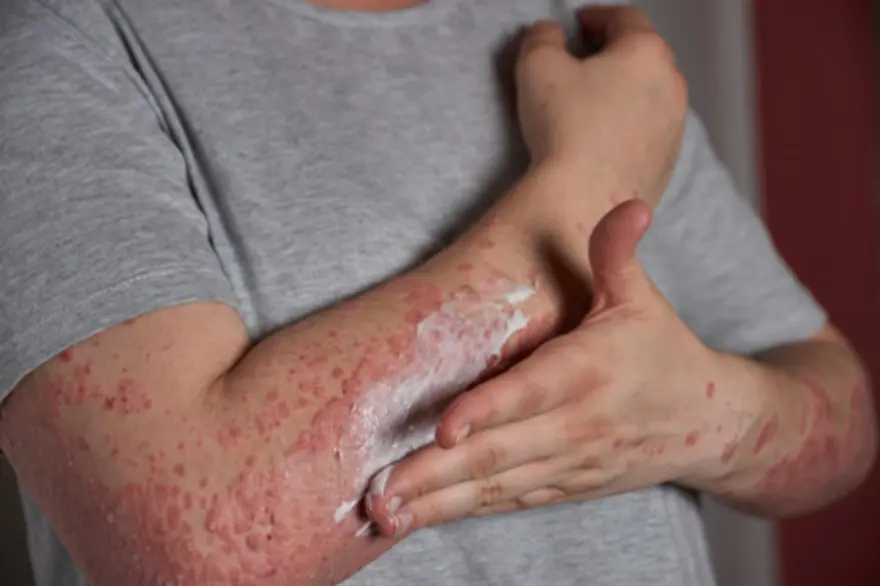
Table of Contents
- What Is Bullous Pemphigoid?
- Causes of Bullous Pemphigoid
- Risk Factors for Bullous Pemphigoid
- Symptoms of Bullous Pemphigoid
- Complications of Bullous Pemphigoid
- How Bullous Pemphigoid is Diagnosed
- Treatment for Bullous Pemphigoid
- Living with Bullous Pemphigoid
- When to See a Doctor
- Prevention and Flare-up Management
- Conclusion
- FAQs
- References
What Is Bullous Pemphigoid?
Bullous pemphigoid is an autoimmune blistering disease in which the immune system mistakenly attacks proteins (BP180 and BP230) that anchor the outer skin layer (epidermis) to the layer below (dermis). This abnormal immune response leads to the separation of skin layers and the formation of blisters. The condition is not contagious or infectious, and its severity can vary from mild to severe.
Bullous pemphigoid primarily affects older adults. While the condition can significantly impact the quality of life, understanding bullous pemphigoid causes, symptoms, and available treatment options can help you manage it effectively.
Causes of Bullous Pemphigoid
The exact cause of bullous pemphigoid is not fully understood, but it is believed to result from a combination of factors, including an abnormal immune response and potential triggers.
Autoimmune Response
In bullous pemphigoid, the immune system produces autoantibodies that mistakenly recognise and attack the basement membrane zone proteins (BP230 and BP180). These proteins are responsible for maintaining the structural integrity between the epidermis and dermis. The autoimmune reaction disrupts the bond between the skin layers, leading to subepidermal blistering.
Potential Triggers
Several factors have been identified as potential triggers for bullous pemphigoid, including:
- Certain medications (e.g., diuretics, antibiotics, NSAIDs, diabetic medications, cancer immunotherapies)
- Ultraviolet light therapy or radiation treatments
- Associated medical conditions such as neurological diseases (e.g., dementia, Parkinson's disease, stroke, multiple sclerosis) have been linked; psoriasis and lichen planus are less consistently associated.
- Physical trauma to the skin
Risk Factors for Bullous Pemphigoid
While anyone can develop bullous pemphigoid, certain factors may increase the risk:
- Age: The condition is most common in people over 60 years old.
- Neurological diseases: Individuals with dementia, Parkinson's disease, stroke, epilepsy, or multiple sclerosis are at a higher risk.
- Genetic predisposition: Rare familial cases of bullous pemphigoid have been reported.
- Use of specific medications: Certain drugs, as mentioned in the potential triggers, may increase the risk.
- Previous skin disorders: People with a history of psoriasis or lichen planus may be more susceptible.
Symptoms of Bullous Pemphigoid
Early Signs
- Intense itching, often preceding the appearance of blisters
- Redness or rash on the skin
- Mild discomfort before blister formation
Blister Formation
- Large, tense blisters filled with clear fluid; occasionally blood-stained.
- Blisters that do not break easily and are most common on areas that flex (armpits, arms, legs, groin, abdomen).
- Healing usually occurs without scarring.
- Mucous membrane involvement is uncommon in bullous pemphigoid, but when present, it may cause sores in the mouth or, rarely, the eyes.
Other Associated Symptoms
- Pain, especially when blisters rupture
- Swelling around the blisters
- In rare cases, mild fever or malaise
Complications of Bullous Pemphigoid
If left untreated or poorly managed, bullous pemphigoid symptoms can lead to several complications:
- Secondary skin infections from open blisters
- Erosion or ulceration of the affected skin
- Scarring, although rare, usually occurs after severe or repeated blistering.
- Dehydration due to extensive fluid loss from open blisters
- Impaired mobility or discomfort, especially in elderly patients
- Potential vision loss if the mucous membranes of the eyes are involved.
How Bullous Pemphigoid is Diagnosed
1. Physical Examination
During a physical examination for bullous pemphigoid diagnosis, a healthcare provider will carefully assess the appearance, location, and distribution of blisters. They will also ask about symptoms, medical history, and recent medication use. The distinctive blisters and urticarial lesions often provide important clues that help confirm the condition.
2. Skin Biopsy
A skin biopsy is essential for the diagnosis of bullous pemphigoid. It involves removing a small sample of skin from the edge of a blister and examining it under a microscope. Typical findings include a separation between the epidermis and dermis, with inflammatory cells (eosinophils) present in the area.
3. Blood Tests
- Detection of autoantibodies (using ELISA or other immunoassays)
- General bloodwork to rule out infection or other disorders
- Eosinophil count (often elevated in bullous pemphigoid)
4. Immunofluorescence Testing
Direct immunofluorescence of a skin sample is the gold standard for bullous pemphigoid diagnosis. It detects autoantibodies deposited along the basement membrane zone, confirming the presence of the autoimmune skin disorder.
Treatment for Bullous Pemphigoid
The primary goals of bullous pemphigoid treatment are to control symptoms, promote healing of blisters, and prevent complications. Treatment options include (as per international and Indian guidelines):
- Corticosteroids: Oral or topical; most common first-line therapy
- Immunosuppressive medications: Some options are azathioprine, methotrexate, and mycophenolate mofetil.
- Tetracycline antibiotics: Sometimes used for their anti-inflammatory effects
- Biologic agents: For severe or refractory cases
- Plasmapheresis: Rarely, for severe disease
Medications
- Oral corticosteroids (e.g., prednisone)
- Topical corticosteroids (for localised or mild disease)
- Steroid-sparing immunosuppressants (azathioprine, methotrexate, mycophenolate mofetil)
- Antibiotics (tetracycline, minocycline, doxycycline)
- Biologics such as rituximab (anti-CD20) or omalizumab (anti-IgE) may be used in selected severe or refractory cases.
Topical Treatments
- High-potency topical corticosteroids, such as clobetasol, can be highly effective and may even replace oral steroids in some patients with widespread disease., can be highly effective and may even replace oral steroids in some patients with widespread disease.
- Antiseptic ointments to prevent infections in open blisters
- Moisturisers to soothe and protect affected skin
Lifestyle & Home Remedies
- Avoid scratching to minimise blister formation and secondary infection.
- Use mild soaps and moisturisers.
- Wear loose-fitting clothing to reduce skin irritation.
- Protect skin from trauma.
- Monitor for signs of infection (redness, warmth, pus).
- Follow medication instructions carefully.
- Seek support for mental health and coping.
Living with Bullous Pemphigoid
Living with bullous pemphigoid requires ongoing management, including medication adherence, regular medical follow-up, and lifestyle adjustments to protect the skin and minimise complications. The disease can fluctuate, with periods of remission and flare-ups, and it often impacts daily activities, particularly in elderly patients.
- Maintain regular dermatology and general healthcare visits.
- Monitor for new blisters or signs of infection.
- Adapt personal care routines to minimise skin trauma.
- Seek support from family, caregivers, or patient groups.
- Report any changes in symptoms promptly.
When to See a Doctor
- Unexplained blisters appear
- Blisters involve the eyes or mouth
- Signs of skin infection (redness, pus, swelling) are present
- Blisters open and leak fluid
- Rapid worsening of symptoms or severe pain occurs
Prevention and Flare-up Management
While it may not always be possible to prevent bullous pemphigoid, certain measures can help manage the condition and reduce the risk of flare-ups:
- Avoid known trigger medications if possible
- Treat underlying neurological or skin disorders
- Protect skin from trauma and friction
- Follow the prescribed treatment regimen closely
- Address infections promptly
Conclusion
Bullous pemphigoid is a challenging autoimmune skin disorder that can significantly impact the quality of life. By understanding the causes, symptoms, and available treatment options, you can work with your healthcare provider to effectively manage the condition and minimise complications.
At Metropolis Healthcare, our team of experienced pathologists and technicians can provide accurate diagnostic testing, including 4000+ tests, to help confirm the diagnosis and guide treatment decisions. With over 220 NABL- and CAP-accredited labs across India and trained technicians for at-home sample collection, Metropolis Healthcare delivers reliable results and personalised care to help you prioritise your health.
FAQs
1. Is bullous pemphigoid life-threatening?
Bullous pemphigoid is rarely life-threatening, but severe infections, widespread blistering, or dehydration can be dangerous, especially in older adults or those with frailty. With proper treatment, most people recover well, though ongoing monitoring is needed.
2. Can bullous pemphigoid go away on its own?
In some cases, bullous pemphigoid may go into remission, especially with treatment, and symptoms can resolve within several years. However, spontaneous resolution without treatment is uncommon, and medical management is usually necessary.
3. How long does treatment take to work?
The effectiveness of bullous pemphigoid treatment varies from person to person. Some individuals may see improvement within a few weeks, while others may require several months of treatment. Regular follow-up with a healthcare provider is essential to monitor progress and adjust treatment as needed.
4. Is bullous pemphigoid contagious?
No, bullous pemphigoid is not contagious. It is an autoimmune disorder caused by the body's immune system mistakenly attacking the skin, and it cannot be transmitted from one person to another.
5. What foods should I avoid with bullous pemphigoid?
There is no specific diet recommended for individuals with bullous pemphigoid. However, maintaining a well-balanced, nutritious diet can support overall health and promote healing. If you have any concerns about your diet or notice that certain foods seem to worsen your symptoms, consult your healthcare provider for personalised advice.
References
- https://www.icmr.gov.in/icmrobject/uploads/STWs/1725967366_immunobullous.pdf
- https://www.nhs.uk/conditions/bullous-pemphigoid/
- https://my.clevelandclinic.org/health/diseases/15855-bullous-pemphigoid
- https://www.mayoclinic.org/diseases-conditions/bullous-pemphigoid/symptoms-causes/syc-20350414