Home Visit
 Upload






Preventive Healthcare
Trachoma: Causes, Symptoms, And Treatment
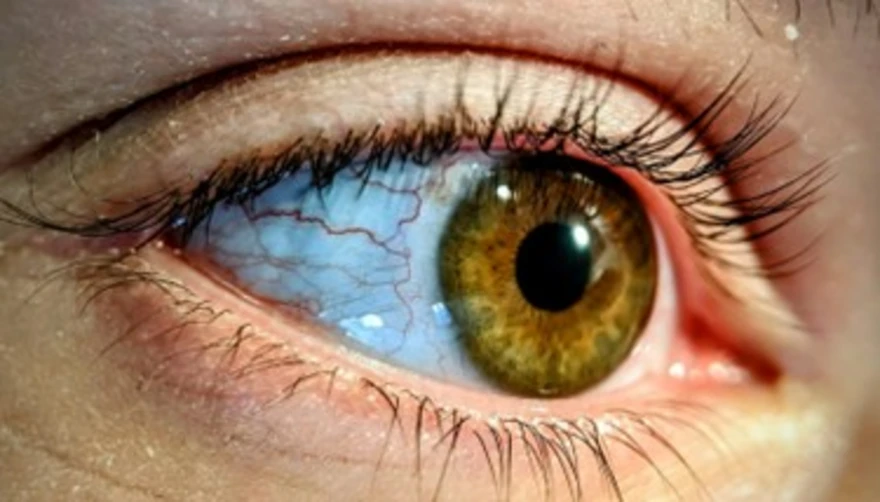
Table of Contents
What Is Trachoma?
Trachoma is a chronic bacterial eye infection caused by Chlamydia trachomatis, which affects the conjunctiva — the thin membrane lining the inside of the eyelids and covering the white part of the eyeball. The infection initially resembles conjunctivitis but, if left untreated, progresses to repeated inflammation, scarring, and ultimately blindness.
According to the World Health Organisation (WHO), trachoma remains the leading infectious cause of preventable blindness worldwide. It spreads rapidly in communities lacking proper sanitation and clean water access, especially in hot, arid climates.
The disease begins with mild eye irritation and discharge, often mistaken for simple conjunctivitis. However, over time, Over time, repeated infections can cause the eyelids to turn inward (a condition called trichiasis), making the eyelashes rub against the cornea and damage it permanently.
Fortunately, with timely trachoma treatment, especially antibiotics and improved hygiene, complete recovery is possible before serious complications occur.
Who Is at Risk?
Certain populations and living conditions increase vulnerability to trachoma infection:
- Children aged 1–9 years: Often exposed through unclean faces, shared towels, or contact with flies.
- Women and caregivers: Frequent contact with infected children increases risk.
- Rural and arid communities: Particularly in sub-Saharan Africa, South Asia, and the Middle East.
- Overcrowded households: Close personal contact aids bacterial transmission.
- Limited water access: Reduces the frequency of face washing and sanitation.
- Communities with poor waste management: Encourage fly breeding and facilitate infection spread.
What Are the Causes of Trachoma?
Trachoma is caused by infection with the bacterium Chlamydia trachomatis, which spreads easily in unhygienic conditions. The bacteria infect the conjunctiva, leading to inflammation, scarring, and, with repeated infections, permanent damage to the eyelids and cornea.
Poor facial hygiene, dust exposure, and flies carrying the bacteria increase transmission. Broader causes include poverty, water scarcity, and limited healthcare access, making trachoma not just a biological infection but also a disease of poor sanitation and social inequality.
How Trachoma Spreads
- Direct contact: Through eye or nasal discharge of infected individuals, particularly in children.
- Shared personal items: Such as towels, handkerchiefs, or bedding contaminated with bacteria.
- Flies: Particularly Musca sorbens (eye-seeking flies), which transmit the infection mechanically by landing on discharge around the eyes.
- Crowded homes: Increase the likelihood of direct and indirect transmission.
Signs & Symptoms
Early trachoma symptoms may appear mild, making early diagnosis difficult. Over time, repeated infections worsen inflammation and cause severe eye damage.
Key symptoms include:
- Persistent eye redness and irritation.
- Watery or mucus-like discharge from the eyes.
- Itchiness, especially on the inner eyelids.
- Swollen eyelids and blurred vision.
- Light sensitivity (photophobia).
- Inward-turning eyelashes (trichiasis) in later stages.
- Pain or foreign-body sensation when blinking.
Stages of Trachoma
The WHO classifies trachoma progression into five distinct stages based on clinical signs:
- Trachomatous Inflammation-Follicular (TF): Early stage showing small white bumps (follicles) on the inner eyelid.
- Trachomatous Inflammation–Intense (TI): The inner eyelid becomes thickened, inflamed, and may produce discharge.
- Trachomatous Scarring (TS): Repeated inflammation causes permanent scarring of the inner eyelid.
- Trachomatous Trichiasis (TT): Eyelashes turn inward and rub against the cornea, causing pain and injury.
- Corneal Opacity (CO): The final stage leading to partial or total blindness due to corneal scarring.
Diagnosis of Trachoma
Accurate trachoma diagnosis helps distinguish it from other forms of conjunctivitis or eye allergies. Doctors rely on both clinical signs and laboratory tests to confirm the infection:
- Clinical examination: The doctor examines the eyelids and conjunctiva for follicles, scarring, or inward-turning lashes.
- Conjunctival swab tests: Samples from the inner eyelid are analysed for Chlamydia trachomatis using nucleic acid amplification tests (NAATs).
- Microscopic analysis: Identifies bacterial inclusions within conjunctival cells.
- Vision assessment: To determine corneal damage or blindness.
Treatment Options
Trachoma treatment focuses on eliminating the infection, managing inflammation, and preventing blindness. Depending on disease severity, treatment includes:
- Antibiotic therapy: A single oral dose of azithromycin (as recommended by WHO for community use) effectively clears the infection. Alternatively, topical tetracycline eye ointment may be used twice daily for six weeks.
- Surgical correction: In advanced cases (trichiasis), surgery is required to reposition the eyelid and prevent lashes from scraping the cornea.
- Facial hygiene: Regular cleaning of the face and eyes helps prevent reinfection.
- Community treatment programmes: Mass drug administration in endemic regions treats entire communities simultaneously.
WHO SAFE Strategy
To eliminate trachoma globally, the World Health Organisation promotes the SAFE Strategy, a comprehensive public health approach:
- S – Surgery: To correct advanced trachoma (trichiasis) and prevent blindness.
- A – Antibiotics: Community-wide administration of azithromycin to treat active infections.
- F – Facial cleanliness: Encouraging face washing, especially in children, to reduce transmission.
- E – Environmental improvement: Access to clean water, proper sanitation, and waste disposal to reduce fly breeding and infection spread.
This integrated strategy has been instrumental in reducing global trachoma prevalence and eliminating the disease in several countries.
Prevention Tips
- Maintain facial hygiene: Wash faces regularly with clean water to remove infectious discharge.
- Avoid sharing towels or bedding: Personal hygiene items should not be shared in households.
- Improve sanitation: Dispose of waste properly and control fly populations.
- Access to clean water: Ensures better hygiene and regular face washing.
- Community participation: Support local health campaigns and antibiotic programmes.
Complications if Untreated
When left untreated, trachoma can cause irreversible eye damage and blindness. Major complications include:
- Chronic corneal infection and opacity.
- Trichiasis (inward eyelash growth) causes corneal scratches.
- Eyelid deformities and scarring.
- Secondary infections leading to total blindness.
- Recurrent pain, light sensitivity, and vision impairment affect daily life.
Global Efforts to Eliminate Trachoma
Trachoma elimination is a global health priority under the WHO’s 2021–2030 Neglected Tropical Diseases (NTD) Roadmap. Countries like Morocco, Oman, Ghana, and Cambodia have already eliminated trachoma as a public health problem by implementing the SAFE strategy and improving sanitation infrastructure.
Organisations such as the International Trachoma Initiative (ITI) and national health ministries distribute millions of antibiotic doses annually. India, Ethiopia, and Sudan continue large-scale campaigns to treat and prevent new infections through public awareness, clean water access, and fly control programmes.
Also Read : Blepharitis: Causes, Symptoms, And Treatment
Conclusion
Trachoma is a preventable cause of blindness, and its elimination is within reach through early testing, timely treatment, improved sanitation, and community awareness.
At Metropolis Healthcare, we help protect your vision and overall health with 4000+ diagnostic tests, including eye infection panels and full-body health checkups. Enjoy home sample collection across 10,000+ touchpoints, quick turnaround, and accurate results, all of which can be booked via website, app, call, or WhatsApp. Together, with timely care and hygiene, we can work toward a trachoma-free world.
FAQs
Is trachoma contagious?
Yes, trachoma is highly contagious, spreading easily through contact with eye or nasal secretions, shared towels, or flies. Overcrowded households and poor sanitation accelerate transmission.
Can trachoma cause blindness?
Yes. Repeated or untreated infections cause eyelid scarring, inward eyelashes (trichiasis), and corneal opacity, leading to permanent blindness in severe cases.
Is trachoma an STD?
Though caused by Chlamydia trachomatis, the same bacterium linked to sexually transmitted infections, trachoma is not sexually transmitted. It spreads via direct contact or contaminated objects.
How is trachoma treated?
Trachoma can be treated with antibiotics like azithromycin or tetracycline ointment; surgery for trichiasis to prevent blindness; and maintaining hygiene through regular face washing and environmental cleanliness.
Is trachoma the same as pink eye?
No. Trachoma is a chronic bacterial eye infection that can cause blindness, while pink eye (acute conjunctivitis) is a temporary inflammation that usually resolves without lasting damage.
How can trachoma be prevented?
You can prevent trachoma by washing your face and hands with clean water daily, not sharing towels or pillowcases, maintaining clean surroundings and managing waste effectively, and participating in local hygiene and antibiotic programmes.
Who is at the highest risk of trachoma?
Children in rural, low-income communities with limited water and sanitation access are most at risk, along with women who care for infected children.
References
- https://www.who.int/news-room/fact-sheets/detail/trachoma
- https://www.mayoclinic.org/diseases-conditions/trachoma/symptoms-causes/syc-20378505
- https://my.clevelandclinic.org/health/diseases/25148-trachoma
- https://www.aao.org/eye-health/diseases/what-is-trachoma