Home Visit
 Upload






Preventive Healthcare
Blepharitis: Causes, Symptoms, And Treatment
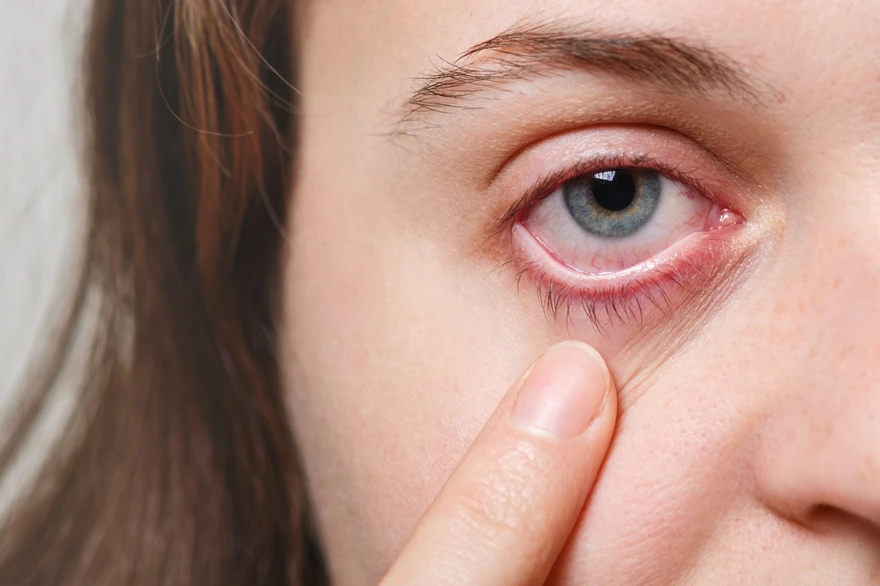
Table of Contents
- What Is Blepharitis?
- Causes of Blepharitis
- Risk Factors for Blepharitis
- Symptoms of Blepharitis
- Complications of Blepharitis
- How Blepharitis Is Diagnosed
- Treatment for Blepharitis
- Lifestyle & Home Remedies
- Living with Blepharitis
- When to See a Doctor
- Prevention of Blepharitis
- Conclusion
- FAQs
- References
What Is Blepharitis?
Blepharitis is a prevalent, long-term condition marked by inflammation of the eyelid margins, typically affecting both eyes along the edges where the eyelashes grow. This inflammation can lead to redness, swelling, irritation, and crusting around the eyelids, often with periods of flare-ups and remissions. While blepharitis can be persistent and uncomfortable, it rarely causes permanent vision loss. However, if left unmanaged, it may lead to complications.
Causes of Blepharitis
Bacterial Infection
According to the National Institutes of Health (NIH), bacterial infections such as Staphylococcus species are a primary cause of blepharitis, especially in acute cases. These bacteria colonise the eyelid margin, release toxins, and promote inflammation by breaking down lipids, which can destabilise the tear film and cause discomfort. While bacteria are often present naturally, their overgrowth leads to blepharitis symptoms. Less frequently, viral infections like herpes simplex or varicella zoster can trigger acute ulcerative blepharitis.
Seborrhoeic Dermatitis
Seborrhoeic dermatitis, a skin condition causing flaky, greasy scales and redness, commonly affects the scalp, eyebrows, and face. When it involves the eyelids, it can lead to seborrhoeic blepharitis, marked by greasy, yellowish scales along the lash line. This form of blepharitis is often less inflamed than the bacterial type, but it is persistent and associated with dandruff elsewhere on the body.
Meibomian Gland Dysfunction
Meibomian gland dysfunction (MGD) is the leading cause of posterior blepharitis. These glands, located in the eyelids, secrete oils that help maintain a healthy tear film. When they become clogged or dysfunctional, the oils cannot reach the surface, causing dryness, irritation, and eyelid inflammation. MGD is commonly associated with skin conditions, like rosacea and hormonal changes.
Allergies & Environmental Factors
- Eye drops or medications: Allergic reactions to topical treatments can trigger eyelid inflammation.
- Contact lens solutions: Some solutions may irritate the eyelids or induce allergic responses.
- Makeup: Sensitivities or allergic reactions to cosmetics applied near the eyelids can cause blepharitis.
- Pollution & smoke: Environmental irritants like dust, smoke, or pollution may aggravate eyelid inflammation.
Other Skin Conditions
- Rosacea: This chronic skin disorder frequently affects the face and eyelids, causing swelling, redness, and irritation.
- Eczema (atopic dermatitis): Eczema can cause dry, itchy, and inflamed skin, including on the eyelids.
- Psoriasis: This skin condition is marked by red, scaly patches that can sometimes involve the eyelids.
Risk Factors for Blepharitis
- Dandruff of the scalp and eyebrows (seborrhoeic dermatitis)
- Rosacea or other chronic skin conditions
- Dry eyes or tear film abnormalities
- Allergies (environmental or product-related)
- Use of eye makeup, especially if not removed properly
- Contact lens use
- Poor eyelid hygiene
- Age, as older adults are more commonly affected
- Hormonal changes (e.g., menopause)
- Family history of blepharitis or related skin disorders
Symptoms of Blepharitis
- Redness along the eyelid margins
- Swollen or puffy eyelids
- Itching or burning sensation in the eyes
- Watery or dry eyes (abnormal tear production)
- Crusting or flaking at the base of the eyelashes, especially upon waking
- Gritty or foreign body sensation in the eyes
- Frequent blinking or light sensitivity
- Eyelids sticking together, especially in the morning
- Loss of eyelashes (madarosis) or abnormal lash growth
- Blurred vision that usually improves with blinking
- Sensitivity to light (photophobia)
Complications of Blepharitis
- Chronic eye irritation and discomfort
- Recurring eye infections, including styes and chalazia
- Scarring or thickening of the eyelid margins
- Loss or misdirection of eyelashes
- Conjunctivitis (inflammation of the conjunctiva)
- Corneal problems (keratitis, ulcers, or scarring), if severe or untreated
- Tear film instability and dry eye syndrome
- Difficulty wearing contact lenses due to irritation or dryness
How Blepharitis Is Diagnosed
1. Medical History & Symptom Review
Diagnosing blepharitis begins with a detailed medical history, focusing on your symptoms, their duration, associated conditions (such as skin disorders), and any potential triggers, like allergies, makeup use, or environmental exposures. Your doctor will enquire about previous eye problems, family history, and medication use to identify risk factors and possible causes.
2. Physical Examination
During the physical exam, your doctor will carefully inspect your eyelid margins for signs of inflammation, such as redness, swelling, crusting, and abnormal lash growth. The presence of flakes, oiliness, or thickened lids may indicate seborrhoeic or meibomian gland-related blepharitis. A slit-lamp microscope is commonly used to obtain a magnified view of your eyelids and assess gland function and tear film integrity.
3. Eye Tests
- Slit-lamp examination: Provides a detailed, magnified view of your eyelid margins, lashes, and tear film.
- Tear film evaluation: Assesses the quality and stability of your tear film to check for dryness or instability.
- Culture swabs: In cases that are severe, atypical, recurrent, or not responding to standard treatment, your doctor may take a sample from the eyelid margin for laboratory analysis to identify resistant organisms or unusual pathogens. Routine cultures are generally not required for uncomplicated blepharitis.
- Gland expressibility assessment: Checks for blockage or dysfunction of the meibomian glands.
Treatment for Blepharitis
- Eyelid hygiene (regular cleaning of eyelid margins)
- Warm compresses to loosen crusts and oils
- Gentle cleansing of eyelids with commercially available lid cleansers or prescribed eyelid wipes is preferred; if using a home remedy, use a mild, non-irritating, non-soap solution and avoid getting soap directly into the eye.
- Many clinicians now recommend preservative-free lid cleansers or ophthalmic-grade wipes rather than regular baby shampoo, which can cause irritation in some people.
- Topical antibiotics (for bacterial cases)
- Oral antibiotics (for severe or persistent cases)
- Topical corticosteroids (short-term use for inflammation)
- Artificial tears (to alleviate dry eyes)
- Treating underlying skin conditions (rosacea, seborrhoeic dermatitis, etc.)
- Managing allergies (avoiding triggers, using antihistamines if appropriate)
Eyelid Hygiene
- Wash your hands thoroughly before touching your eyes.
- Apply warm, damp compresses to your closed eyelids for 5–10 minutes to soften crusts and oils.
- Gently massage your eyelids and lashes to loosen debris.
- Clean your eyelid margins with a cotton swab dipped in diluted baby shampoo or a specially formulated eyelid cleanser.
- Rinse your eyelids with lukewarm water and pat them dry.
- Repeat these steps once or twice daily, as advised by your doctor.
Medications
- Topical antibiotic ointments or drops (e.g., erythromycin ointment) may be prescribed for suspected bacterial overgrowth or acute anterior blepharitis.
- Oral antibiotics — commonly low-dose doxycycline (used for its anti-inflammatory effects) or macrolides in selected cases — are used for moderate to severe meibomian gland dysfunction or when topical therapy fails.
- Doxycycline is often prescribed at anti-inflammatory doses and for several weeks; treatment decisions should be individualised and monitored for side effects.
- Short-term topical corticosteroids may be used under specialist supervision for significant inflammation, but they carry risks (increased intraocular pressure, cataract formation with prolonged use, and infection potentiation).
- They should be used at the lowest effective dose and for the shortest duration, with appropriate follow-up.
- Cyclosporine eye drops or other approved anti-inflammatory tear supplements can be considered when dry eye disease coexists; they may take several weeks to show benefit.
- Oral or topical medications to treat associated skin conditions like rosacea or seborrhoeic dermatitis.
Managing Underlying Conditions
- Controlling rosacea or seborrhoeic dermatitis with appropriate skincare and medications.
- Managing dry eye disease with artificial tears, punctal plugs, or other treatments.
- Treating allergies with antihistamines, immunotherapy, or allergen avoidance.
- Optimising contact lens hygiene and considering alternative lens types or wearing schedules.
- Avoid eye makeup or use hypoallergenic, non-irritating products.
Lifestyle & Home Remedies
- Avoid rubbing your eyes, as this can worsen irritation and spread infection.
- Use a humidifier to add moisture to the air, especially if you live in a dry environment.
- Take breaks from digital screens and practise good eye hygiene habits.
- Apply a warm compress to your eyelids for 5-10 minutes, 2-3 times daily, to soothe inflammation.
- Gently massage your eyelids to stimulate oil gland secretion and promote tear film stability.
- Consider using preservative-free artificial tears to alleviate dryness and discomfort.
- Maintain a balanced diet; some studies suggest omega-3 fatty acid supplements may help reduce symptoms of meibomian gland dysfunction and dry eye in some people, although evidence is mixed.
- Discuss supplements with your doctor before starting them.
Living with Blepharitis
Living with blepharitis can be challenging, as the condition tends to be chronic and recurring. However, with consistent eyelid hygiene, medical treatment, and lifestyle modifications, most people can effectively manage their symptoms and prevent complications. It's essential to be patient and persistent with your treatment regimen, as it may take several weeks to notice significant improvement.
If you experience persistent or worsening symptoms despite treatment, don't hesitate to consult your eye care professional for further evaluation and guidance. They can help you adjust your management plan and explore additional options to optimise your eye health and comfort.
When to See a Doctor
- Severe or persistent symptoms that don't improve with self-care
- Significant pain, swelling, or redness of the eyelids
- Blurred vision or eye pain
- Sensitivity to light that interferes with daily activities
- Recurrent styes or other eyelid infections
- Eyelash loss or changes in eyelash appearance
- Corneal irritation or injury
Prevention of Blepharitis
- Practise good eyelid hygiene and cleanse your eyelids regularly.
- Managing underlying skin conditions, such as rosacea or seborrhoeic dermatitis.
- Avoid touching or rubbing your eyes, especially with unwashed hands.
- Replace eye makeup regularly and avoid sharing cosmetic products.
- Maintaining good contact lens hygiene and following recommended wear and replacement schedules.
- Protecting your eyes from environmental irritants, such as wind, dust, and smoke.
- Eating a balanced diet and staying hydrated support overall eye health.
- Managing stress and getting sufficient sleep to promote healthy eye function.
Conclusion
Blepharitis is a prevalent eye condition that causes chronic eyelid inflammation, leading to discomfort, irritation, and unsightly symptoms. By understanding the causes, symptoms, and treatment options for blepharitis, you can take proactive steps to manage this condition effectively. Implementing a consistent eyelid hygiene routine, following your doctor's treatment plan, and making lifestyle modifications can help alleviate symptoms and prevent complications.
At Metropolis Healthcare, we understand the importance of accurate diagnosis and personalised care in managing eye health. With a comprehensive range of more than 4,000 tests and profiles, Metropolis offers highly specialised tests for neurological disorders, infectious diseases, and genetic conditions. Our team of skilled phlebotomists provides convenient at-home sample collection, ensuring a comfortable and hassle-free experience. Test reports are easily accessible online via email or the Metropolis Healthcare App, empowering you to take charge of your health.
FAQs
1. Is blepharitis contagious?
No, blepharitis itself is not contagious. However, in some cases, the underlying cause, such as a bacterial infection, may spread through direct contact with the eye secretions of an affected person. It's important to practise good hygiene, avoid sharing towels or eye makeup, and wash your hands frequently to minimise the risk of spreading any infectious agents.
2. Can blepharitis cause vision loss?
In most cases, blepharitis does not directly cause vision loss. However, if left untreated, severe or chronic blepharitis can lead to complications that may affect vision, such as corneal damage or scarring. Additionally, blepharitis can cause discomfort and irritation that may temporarily affect vision clarity. Prompt treatment can help prevent these complications and maintain eye health.
3. How long does blepharitis last?
Blepharitis is often a chronic eye irritation that may require ongoing management. Symptoms can come and go, with flare-ups followed by periods of relief. Consistent eyelid hygiene and following your doctor's treatment plan can help control symptoms and reduce the frequency of flare-ups.
4. Can eyelid hygiene alone treat blepharitis?
While eyelid hygiene is a crucial component of blepharitis treatment, it may not always be sufficient on its own. In some cases, additional therapies, such as oral or topical antibiotics, anti-inflammatory medications, or treatments for underlying conditions, may be necessary to manage blepharitis properly. However, maintaining a consistent eyelid hygiene routine can help reduce the severity and frequency of flare-ups and is essential for long-term control of the condition.
5. Are children at risk of blepharitis?
Yes, children can develop blepharitis, although it is more common in adults. Paediatric blepharitis can be caused by bacterial infections, allergies, or underlying skin conditions. If your child experiences persistent eyelid inflammation, crusting, or discomfort, consult a paediatric eye care specialist for appropriate diagnosis and treatment.
References
- https://my.clevelandclinic.org/health/diseases/10032-blepharitis
- https://www.aao.org/eye-health/diseases/what-is-blepharitis
- https://www.ncbi.nlm.nih.gov/books/NBK459305/
- https://www.nhs.uk/conditions/blepharitis/
- https://www.hopkinsmedicine.org/health/conditions-and-diseases/blepharitis