Home Visit
 Upload






Preventive Healthcare
Seborrheic Dermatitis – Types, Causes, Symptoms, and Treatment
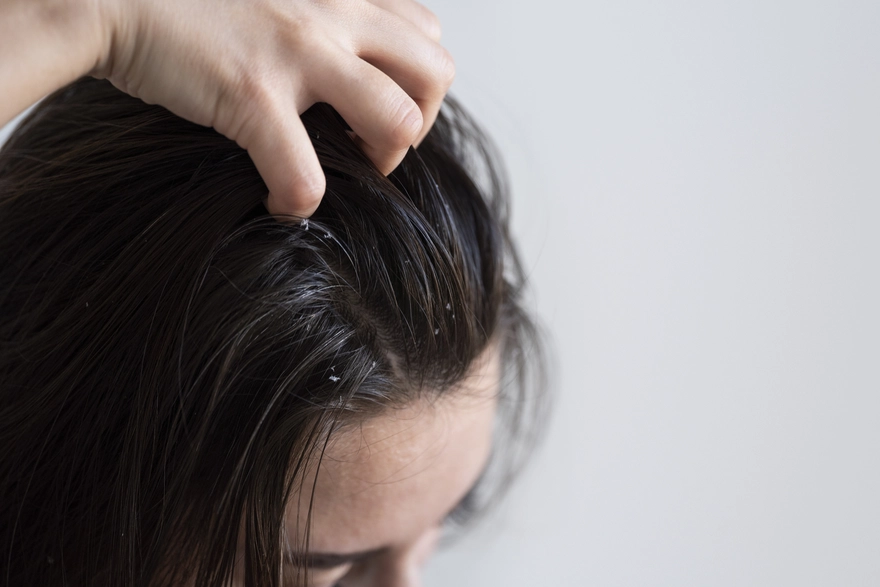
Table of Contents
- What Is Seborrheic dermatitis?
- What Causes Seborrheic dermatitis?
- Who Is at Risk?
- Common Symptoms of Seborrheic dermatitis and Areas Affected
- Diagnosis: How Seborrheic dermatitis Is Identified
- Treatment Options for Seborrheic dermatitis
- Can Seborrheic dermatitis Be Prevented?
- When to See a Dermatologist for Seborrheic dermatitis
- Conclusion
- FAQs
What Is Seborrheic dermatitis?
Seborrheic dermatitis is a prevalent, chronic inflammatory skin disease characterised by red, itchy, and flaky skin with greasy, yellow or white scales. It primarily affects areas rich in oil (sebaceous) glands, such as the scalp, face, and body folds. This condition can occur at any age, often manifesting as "dandruff" in adults and "cradle cap" in infants. It may also be referred to as seborrhoeic eczema or seborrhoeic psoriasis.
What Causes Seborrheic dermatitis?
While the precise causes of seborrheic dermatitis are not fully understood, several factors are believed to contribute to its development. It includes:
- Overgrowth of Malassezia yeast: This fungus is naturally present on the skin but can overgrow in certain individuals, triggering an inflammatory response.
- Individual susceptibility: Genetics, immune response, and skin barrier function play significant roles in determining one's vulnerability to seborrheic dermatitis.
- Other triggers: Environmental stress, cold or dry weather, hormonal changes, and certain neurological and medical conditions can worsen the condition or trigger flare-ups.
It's important to note that seborrheic dermatitis is not caused by poor hygiene or lack of cleanliness. Instead, it is a complex interplay of biological and environmental factors that contributes to this chronic skin condition.
Who Is at Risk?
Certain groups of people are more prone to developing seborrheic dermatitis symptoms than most people. They include:
- Infants: They commonly develop cradle cap in the first 3 months, but it usually resolves in the first year.
- Adults: Aged 30–60, especially men
- Weak immunity: People with weakened immune systems, such as those with HIV/AIDS or organ transplant recipients.
- Individuals with neurological conditions like Parkinson's disease.
- People with very oily skin.
- Those with a family history of skin conditions.
While these risk factors increase the likelihood of developing seborrheic dermatitis, it's crucial to remember that anyone can be affected by this condition, regardless of age, gender, or overall health status.
Common Symptoms of Seborrheic dermatitis and Areas Affected
Seborrheic dermatitis can manifest in various symptoms, which may vary in severity from person to person. It could be in the form of:
- Flaking or dandruff
- Itching or burning sensation
- Greasy, scaly patches—yellow or white scales on red or light patches of skin
- Possible crusting in severe cases
- A rash may appear brown on darker skin.
The most commonly affected areas include:
- Scalp (most common)
- Face (nose, eyebrows, ears)
- Chest, upper back, and body folds (armpits, under breasts, groin)
- Eyelids (blepharitis)
- In infants: scalp, sometimes armpit, and groin folds
If you notice any seborrheic dermatitis symptoms persisting or worsening, it's essential to consult a healthcare provider for an accurate diagnosis and an appropriate treatment plan.
Diagnosis: How Seborrheic dermatitis Is Identified
Seborrheic dermatitis diagnosis typically involves the following:
- Clinical diagnosis: Based on the appearance, location, and symptoms of the rash.
- Medical history: Your physician may ask about triggers and family history of skin conditions.
- Pathological tests: A skin biopsy or blood tests may be needed to rule out other conditions if the diagnosis is unclear.
Your doctor will carefully examine the affected areas and ask about your symptoms, medical history, and any potential triggers to determine the best course of action for managing your seborrheic dermatitis.
Treatment Options for Seborrheic dermatitis
The goal of seborrheic dermatitis treatment is to reduce symptoms and maintain remission, as there is no permanent cure. These treatment options include:
Over-the-Counter Solutions
Mild cases of seborrheic dermatitis can often be managed with over-the-counter (OTC) products. You can use:
- Medicated shampoos contain selenium sulphide, zinc pyrithione, ketoconazole, coal tar, and salicylic acid.
- Non-prescription creams or lotions with mild antifungal or anti-inflammatory properties.
- Regular gentle cleansing with mild soap and warm water to remove oil and scales.
When using over-the-counter treatments, follow the instructions carefully and give the products time to work. If symptoms persist or worsen, consult your dermatologist for further guidance.
Prescription Medications for Seborrheic dermatitis
For more severe or stubborn cases, your dermatologist may prescribe:
- Topical corticosteroids: To reduce inflammation; use should be limited to avoid side effects.
- Topical antifungals (stronger than OTC): Like ketoconazole or ciclopirox creams.
- Calcineurin inhibitors: Inhibitors such as tacrolimus or pimecrolimus, for sensitive areas like the face or eyelids.
- In rare, severe cases: Short-term oral antifungals.
Always use prescription medications as directed by your doctor and report any side effects or concerns promptly.
Natural Remedies and Lifestyle Tips for Seborrheic dermatitis
In addition to medical treatments, incorporating lifestyle changes and natural remedies may help manage seborrheic dermatitis symptoms. You can engage in:
- Gentle skin and scalp care: Avoid scratching, use gentle cleansers, and rinse thoroughly.
- Manage stress: Stress can worsen seborrheic dermatitis symptoms.
- Keep affected areas dry: Especially skin folds, to prevent further irritation.
- Balanced diet: Omega-3 fatty acids and a balanced diet may be beneficial, though scientific evidence is limited.
- Avoid harsh soaps, astringents, and alcohol-based products.
- Moderate sunlight exposure may help some people.
- Tea tree oil: Some studies suggest tea tree oil may help soothe the condition. However, it can also irritate sensitive skin.
Remember, what works for one person may not work for another. You need to be patient and consistent, working with your dermatologist to find the best combination of treatments and lifestyle changes for your individual needs.
Can Seborrheic dermatitis Be Prevented?
While complete prevention of seborrheic dermatitis is not possible due to underlying genetic and biological factors, there are steps you can take to reduce the frequency and severity of flare-ups. It involves:
- Regular use of medicated shampoos and gentle skin care can help prevent flare-ups.
- Managing stress and other triggers, such as cold or dry weather, may reduce symptom frequency and severity.
By incorporating preventive measures into your daily routine and being mindful of potential triggers, you can better control your seborrheic dermatitis and maintain healthier, more comfortable skin.
When to See a Dermatologist for Seborrheic dermatitis
It's important to consult a dermatologist if:
- Symptoms do not improve with OTC treatments.
- The rash spreads, becomes painful, or shows signs of infection (e.g., pus, oozing).
- Seborrheic dermatitis affects your quality of life or causes emotional distress.
- For infants, if the rash seems extensive or persistent.
Your dermatologist can provide an accurate diagnosis, rule out other conditions, and develop a tailored treatment to help you effectively manage your seborrheic dermatitis.
Conclusion
Seborrheic dermatitis is a chronic, relapsing inflammatory skin condition that can be managed effectively with a combination of medicated treatments, lifestyle changes, and regular skin care.
If you suspect you or your loved one may have seborrheic dermatitis, don't hesitate to seek medical advice. Metropolis Healthcare offers accurate pathology testing and health check-up services to rule out any other health conditions and help you prioritise your seborrheic dermatitis treatment. With the right knowledge, medical support, and self-care practices, managing seborrheic dermatitis and achieving healthier, more comfortable skin is within reach.
FAQs
What is the main cause of seborrheic dermatitis?
The cause of seborrheic dermatitis is multifactorial. It involves an overgrowth of Malassezia yeast, individual vulnerability (genetics, immune system), and external triggers such as stress and weather changes.
How do I get rid of my seborrheic dermatitis?
Seborrheic dermatitis can be managed significantly with consistent use of medicated shampoos and creams. Maintaining good skin hygiene and following a dermatologist’s advice helps prevent flare-ups.
Is seborrheic dermatitis a fungal disease?
Yes, seborrheic dermatitis is linked to the overgrowth of a skin yeast called Malassezia. It’s not a classic infection but an inflammatory reaction to this fungus.
Can seborrheic dermatitis go away?
In infants, this condition often resolves naturally within a year. But in adults, seborrheic dermatitis usually does not go away permanently and tends to be chronic and recurrent. However, with proper treatment and care, flare-ups can be controlled and symptoms kept mild.
Is seborrheic dermatitis contagious?
No, seborrheic dermatitis is not contagious. It cannot spread from person to person through contact, since it is caused by the skin’s inflammatory reaction to a normally present yeast.
How is seborrheic dermatitis different from dandruff?
Dandruff is the mildest form of seborrheic dermatitis, limited to the scalp and marked by flaking without significant inflammation or discolouration. Whereas, seborrheic dermatitis can affect other body areas and causes more noticeable redness, scaling, and sometimes swelling.
Can diet affect seborrheic dermatitis symptoms?
Yes, diet can significantly influence seborrheic dermatitis symptoms. Foods high in sugar, refined carbs, alcohol, and saturated fats may worsen inflammation, while a diet rich in fruits, vegetables, omega-3 fatty acids, and probiotics helps reduce flare-ups.