Home Visit
 Upload






Preventive Healthcare
Rectal Health 101: How to Keep Your Rectum Healthy
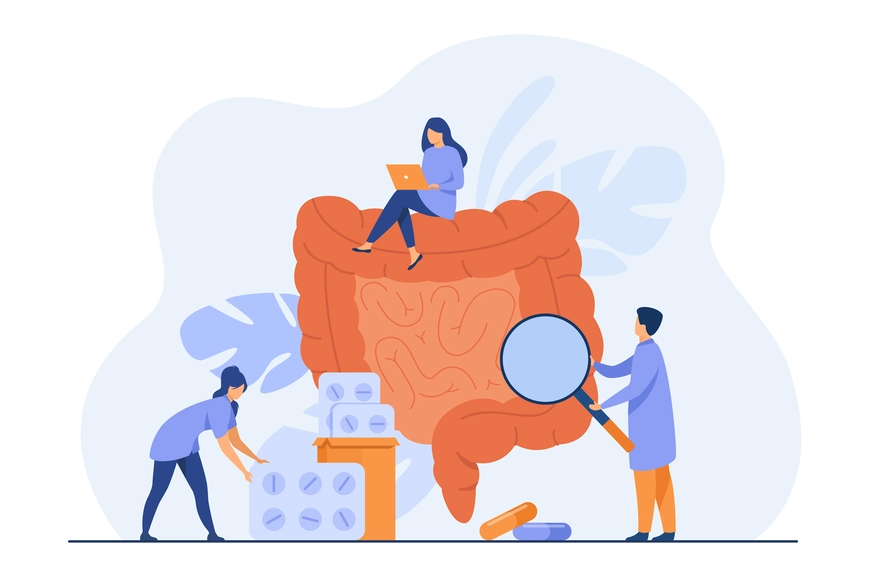
Table of Contents
- What Is the Rectum, and What Does It Do?
- Why Rectal Health Is Important
- Where Is the Rectum Located?
- How Long Is the Rectum?
- Common Rectal Disorders You Should Know
- Signs and Symptoms of Possible Rectal Disorders
- Tips for Maintaining Good Rectal Health
- Diet and Lifestyle for a Healthy Rectum
- When to See a Doctor for Rectal Issues
- Conclusion: Don't Ignore Your Rectal Wellness
- FAQs
What Is the Rectum, and What Does It Do?
The rectum is the final section of the large intestine, connecting the colon to the anus. The rectum's function is primarily to store faeces before they are expelled from the body during a bowel movement. While rectum is mainly responsible for water and electrolyte absorption, the rectum’s primary role is stool storage and coordinating safe, controlled elimination.
As the rectum fills with stool, stretch receptors in its walls detect the pressure and trigger the urge to defecate. The rectum works in coordination with the anal sphincter muscles and pelvic floor muscles to maintain continence and control the timing of bowel movements. This complex interplay of muscles and nerves allows you to hold stool until it's convenient to use the bathroom.
Why Rectal Health Is Important
Maintaining good rectal health is essential for overall digestive well-being and quality of life. A healthy rectum ensures proper elimination of waste, prevents discomfort, and reduces the risk of complications such as pain, bleeding, or infection.
Consider these reasons why prioritising rectal health matters:
- Regular, pain-free bowel movements
- Maintaining continence and avoiding accidental leakage
- Preventing conditions like haemorrhoids, anal fissures, and rectal prolapse
- Early detection and management of serious issues like colorectal cancer
When the rectum is functioning optimally, it supports smooth digestion and elimination, allowing you to feel comfortable and confident in your daily life.
Where Is the Rectum Located?
The rectum is situated in the pelvic cavity, following the natural curve of the sacrum (lower spine). The rectum anatomy starts at the end of the sigmoid colon, around the level of the third sacral vertebra (S3), and ends at the anal canal.
To visualise the rectum's location, imagine a straight line from your belly button to your backbone. The rectum lies along this path, deep within your pelvis, between the colon and the anus. It passes through the pelvic floor muscles before transitioning into the anal canal.
Understanding the rectum's position can help you better communicate symptoms to your healthcare provider and appreciate how its function affects your overall pelvic health.
How Long Is the Rectum?
On average, the human rectum length ranges between 10 and 15 centimetres (cm), which is approximately 4 to 6 inches. However, this rectum length can vary slightly from person to person.
Additionally, the rectum is divided into two main parts:
- The upper part (ampulla): This section is more dilated and acts as a temporary storage reservoir for faeces.
- The lower part (anal canal): This narrow, muscular tube connects the rectum to the anus, spanning about 2.5 to 4 cm.
While the rectum length is similar in both sexes, there are some anatomical differences between the rectum in males and females due to the presence of the prostate gland and uterus, respectively. These variations can influence the presentation and management of certain rectal disorders.
Common Rectal Disorders You Should Know
Several common rectal disorders can affect the rectum's function and cause discomfort or complications. Being aware of these conditions can help you recognise symptoms early and seek prompt medical attention. Some of the most prevalent rectal disorders include:
- Haemorrhoids: Swollen blood vessels in the rectum or anus, often causing pain, itching, and bleeding during bowel movements.
- Anal fissures: Small tears in the lining of the rectum or anus, leading to severe pain and bleeding, especially when passing hard stools.
- Rectal prolapse: A condition where the rectal wall protrudes through the anus, often due to weakened pelvic floor muscles.
- Proctitis: Inflammation of the rectal lining, commonly caused by infections, inflammatory bowel disease, or radiation therapy.
- Colorectal cancer: Malignant growths that develop in the colon or rectum, requiring early detection and treatment for the best outcomes.
Other rectal issues include abscesses, fistulas, constipation, and faecal incontinence. If you experience persistent symptoms related to your rectum, don't hesitate to consult a healthcare professional for an accurate diagnosis and appropriate management.
Signs and Symptoms of Possible Rectal Disorders
Paying attention to changes in your bowel habits and any unusual symptoms can help you identify potential rectal disorders early. Common signs and symptoms that may indicate a problem with your rectum include:
- Rectal pain, discomfort, or pressure
- Bleeding from the rectum or blood in the stool
- Persistent itching, burning, or irritation around the anus
- Lumps, swelling, or skin tags near the anus
- Changes in bowel movements, such as constipation, diarrhoea, or incomplete evacuation
- Mucus or pus discharge from the rectum
- Pain or straining during bowel movements
- Faecal incontinence, or difficulty controlling bowel movements
If you experience any of these symptoms, especially if they persist or worsen over time, it's essential to consult a healthcare provider. They can perform a thorough evaluation, including a digital rectal exam, to determine the underlying cause and recommend an appropriate treatment.
Tips for Maintaining Good Rectal Health
Adopting healthy lifestyle habits and practising good bowel hygiene can go a long way in promoting rectal health and preventing common disorders. Here are some tips to keep your rectum functioning optimally:
- Eat a fibre-rich diet: Include plenty of fruits, vegetables, whole grains, and legumes to promote regular bowel movements and prevent constipation.
- Stay hydrated: Drink an adequate amount of water throughout the day to keep stools soft and easy to pass.
- Exercise regularly: Engaging in physical activity helps stimulate digestion and supports overall rectal health.
- Practise good bathroom habits:
- Don't ignore the urge to have a bowel movement.
- Avoid straining or spending excessive time on the toilet.
- Use the correct posture while defecating (lean forward with your knees higher than your hips).
- Maintain anal hygiene: Gently clean the anal area after each bowel movement using water, soft toilet paper or wipes, and avoid harsh scrubbing.
- Manage stress: High stress levels can affect digestion and worsen rectal disorders. So find healthy ways to cope with stress, such as relaxation techniques or meditation.
- Get regular screenings: If you're at risk for colorectal cancer or have a family history of rectal disorders, follow your doctor's recommendations for screening tests like colonoscopies.
By incorporating these habits into your daily routine, you can support the health of your rectum and reduce the risk of developing common rectal problems.
Diet and Lifestyle for a Healthy Rectum
A diet high in fibre is crucial for maintaining a healthy rectum and colon. You can include:
- Fibre, abundant in whole grains, fruits, vegetables, nuts, seeds, beans, and lentils, promotes soft, regular stools. This reduces the risk of constipation, haemorrhoids, and anal fissures.
- Aim to consume at least 25-30 grams of fibre daily from food sources.
- Increase your water intake to 2-3 litres per day to help the fibre work effectively.
- Limit your consumption of red and processed meats like sausages, bacon, and lunch meats.
- Avoid excessive alcohol and fried, fatty, and spicy foods, as these can increase the risk of rectal and colon diseases, including cancer.
- Include probiotic foods such as yoghurt, kefir, kimchi, and sauerkraut in your diet. These support a healthy gut microbiome, known to lower cancer risk and improve digestive function.
Physical activity is vital for healthy rectal functions. Aim for at least 30 minutes of moderate exercise every day. Avoid prolonged sitting, which increases rectal pressure and the risk of haemorrhoids. Maintain a healthy weight to lower your risk of colorectal diseases. Quit smoking and limit alcohol to reduce health risk.
Some practical daily tips:
- Move every hour for at least two minutes if you have a desk job.
- Do not strain or spend long periods on the toilet.
- Listen to your body and respond instantly to bowel urges.
When to See a Doctor for Rectal Issues
Consult a healthcare provider if you experience any of these signs:
- Rectal bleeding; blood in or on the stool or on toilet paper
- Persistent pain or discomfort around the anus or rectum, especially after bowel movements
- Unexplained itching, swelling, or visible lumps near the rectum
- Changes in bowel habits like diarrhoea, constipation, or a change in stool size or shape lasting more than a few days
- Unintended weight loss or fatigue
- A feeling of incomplete emptying after a bowel movement
Early evaluation can help diagnose benign conditions like haemorrhoids or fissures as well as serious issues such as colorectal cancer or inflammatory bowel disease. Don't delay seeking medical advice if you notice symptoms.
Conclusion: Don't Ignore Your Rectal Wellness
Now that you understand the rectum and its importance better, prioritise your diet and lifestyle for a healthy rectum. Go for regular screenings if you suspect any rectal problems. Timely intervention is key to effective treatment and long-term rectal health.
At Metropolis Healthcare, we understand the importance of rectal wellness. Our team of qualified phlebotomists provides convenient at-home blood sample collection for cancer screening and other diagnostic tests.
FAQs
How do I know if I have a rectal health problem?
Common symptoms include rectal bleeding, pain, itching, swelling, lumps, persistent changes in bowel habits, or a feeling of incomplete bowel emptying. These issues warrant an evaluation by your doctor.
What are the signs of rectal cancer or prolapse?
Rectal cancer signs include blood in the stool, persistent changes in bowel habits, unexplained weight loss, ongoing abdominal discomfort, and fatigue. Rectal prolapse signs include a visible bulge from the anus, a fullness or pressure sensation, difficulty controlling bowel movements, and mucus discharge. If you notice any of these, consult a healthcare provider right away.
How often should I get a rectal exam?
Rectal screening recommendations vary by age and risk factors. Most adults should begin colon and rectal cancer screening at age 45, or earlier if there is a family history or other risk factors. Discuss with your doctor about the best schedule for you.
Can diet really help improve rectal health?
Yes. A fibre-rich, plant-based diet, adequate fluid intake, and reduced red/processed meat consumption are scientifically proven to improve rectal health and lower the risk of haemorrhoids, fissures, and colorectal cancer.
What foods are best for preventing constipation and rectal issues?
The best foods to prevent rectal issues are whole grains, raw fruits (apples, pears, bananas), non-starchy vegetables (broccoli, carrots, leafy greens), beans, lentils, nuts, seeds, and probiotic foods. Limit processed foods, red and processed meats, fried foods, and excessive dairy if lactose intolerant.
Is rectal bleeding always a sign of something serious?
Not always. Rectal bleeding can also occur from minor issues like haemorrhoids, anal fissures, or constipation. But bleeding can also signal more serious problems like polyps or cancer. Hence, any unexplained or persistent rectal bleeding should be immediately evaluated by a doctor.
What doctor should I consult for rectal health problems?
Start with your primary care physician, who may refer you to a gastroenterologist (a digestive specialist) or a colorectal surgeon if needed.