Home Visit
 Upload






Preventive Healthcare
Sleep Problems in Menopause: Causes & Treatments
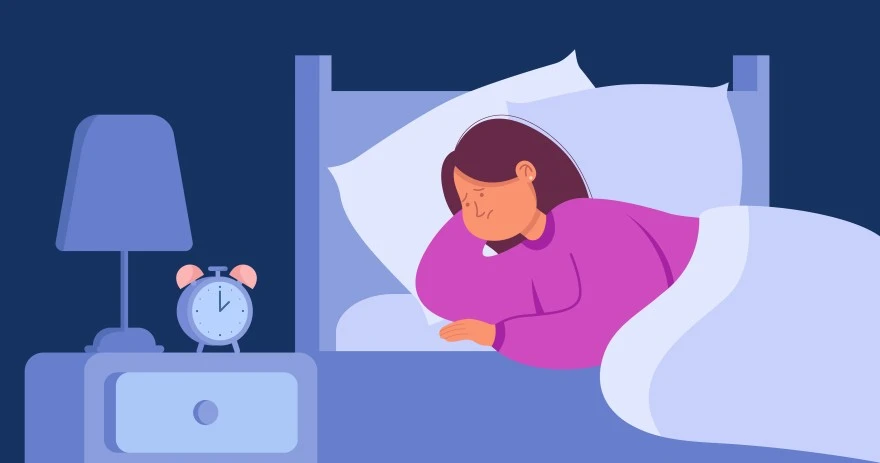
Table of Contents
What are Sleep Problems in Menopause?
Sleep problems in menopause refer to persistent difficulties with falling asleep, staying asleep, or achieving restorative sleep during perimenopause and into postmenopause. These issues typically emerge as your hormone levels begin fluctuating and declining, usually starting in your 40s.
Unlike occasional sleeplessness, sleep problems in menopause often involve chronic insomnia lasting weeks or months. You might find yourself lying awake for hours, waking multiple times during the night, or feeling unrefreshed despite spending what seems like adequate time in bed. These disturbances often coincide with hot flashes, night sweats, and mood changes, further disrupting the natural sleep cycle.
Poor sleep during menopause affects your concentration, memory, emotional regulation, and physical health, creating a cycle where sleep problems worsen other menopausal symptoms.
Symptoms of Sleep Problems in Menopause
- Difficulty falling asleep despite feeling tired.
- Frequent night awakenings, particularly due to hot flashes or night sweats.
- Early morning awakening with inability to return to sleep.
- Non-restorative sleep leaves you feeling unrefreshed despite sufficient sleep duration.
- Night sweats and hot flashes.
- Loud snoring or breathing interruptions suggest possible sleep apnoea.
- Restless legs or uncomfortable sensations that prevent sleep onset.
- Daytime fatigue and sleepiness.
- Mood changes, including irritability, anxiety, or depression.
- Morning headaches or muscle aches.
Causes of Sleep Problems During Menopause
The primary cause of sleep problems in menopause is hormonal change, particularly declining oestrogen and progesterone levels. As oestrogen drops during perimenopause and menopause, your body's temperature regulation becomes less stable, triggering hot flashes and night sweats that directly interrupt sleep.
Progesterone also decreases significantly during menopause. This hormone naturally promotes relaxation and sleepiness, so its decline can make falling and staying asleep more challenging. Additionally, shifting cortisol levels during menopause can disrupt natural circadian rhythms.
Beyond hormones, menopause increases the risk of developing other conditions that independently impair sleep quality. sleep apnoea becomes more common as airway tissues relax, while restless legs syndrome may emerge or worsen. Mood disorders, anxiety, and physical discomforts like joint pain can further compound sleep difficulties during this transition.
Treatments for Sleep Problems in Menopause
Effective treatment for sleep problems in menopause typically combines lifestyle modifications, behavioural therapies, and, when appropriate, medical interventions tailored to your specific symptoms and health profile.
Cognitive Behavioural Therapy for Insomnia (CBT-I) is considered the gold-standard first-line treatment for chronic insomnia during menopause. This evidence-based approach helps you identify and change thoughts and behaviours that interfere with sleep.
According to the Sleep Foundation, menopausal hormone therapy (MHT) can effectively lessen severe hot flashes and night sweats in women, leading to improved sleep quality. Non-hormonal options include certain antidepressants, gabapentin for hot flashes, melatonin to help regulate circadian rhythm, and short-term prescription sleep medications when other approaches prove insufficient.
Lifestyle Changes to Improve Sleep
- Maintain consistent sleep-wake times, even on weekends, to strengthen your circadian rhythm.
- Create an optimal sleep environment with cool temperatures, blackout curtains, and comfortable bedding.
- Limit caffeine and alcohol, as both can worsen hot flashes and disrupt sleep.
- Avoid screens for 1-2 hours before bedtime to prevent blue light from interfering with melatonin production.
- Exercise regularly but avoid vigorous activity within 3 hours of bedtime.
- Practice relaxation techniques, such as deep breathing, meditation, or gentle yoga.
- Avoid large meals, spicy foods, and excessive fluids close to bedtime.
When to Seek Medical Help for Sleep Problems in Menopause
You should consult your doctor if sleep problems in menopause persist for more than three weeks or significantly impact your daily functioning. Immediate medical attention is warranted if you experience loud snoring with breathing pauses, severe hot flashes that don’t respond to basic measures, symptoms of depression or anxiety, or medical conditions such as Parkinson’s disease.
Your doctor can evaluate for underlying sleep disorders, review medications that might affect sleep, and discuss appropriate treatment options. They may recommend a sleep study if sleep apnoea is suspected or refer you for CBT-I therapy. Early intervention can prevent sleep problems from becoming chronic and harder to treat.
How Sleep Problems in Menopause Affect Overall Health
Poor sleep quality is strongly linked to increased risks of depression, anxiety disorders, and cognitive difficulties, including memory problems and reduced concentration.
Research shows that persistent sleep disruption during menopause may contribute to weight gain, elevated blood pressure, and a higher risk of cardiovascular disease over time.
Sleep problems in menopause can also worsen other menopausal symptoms, creating a challenging cycle where poor sleep intensifies hot flashes, mood changes, and physical discomfort. Addressing sleep issues often leads to improvements in overall menopausal symptom management and quality of life.
Conclusion
Sleep problems in menopause are incredibly common, affecting the majority of women during their menopausal transition. While hormonal changes, hot flashes, and emerging health conditions contribute to these difficulties, numerous effective treatments can help restore restful sleep and improve your overall well-being.
From proven lifestyle modifications and CBT-I to hormone therapy and targeted medications, there are multiple effective options for addressing sleep problems during menopause. Working with healthcare professionals to identify your specific triggers and develop a personalised treatment plan can make a significant difference in both your sleep quality and daytime functioning.
At Metropolis Healthcare, we support your health journey with comprehensive diagnostic services that can help identify underlying factors contributing to sleep problems in menopause. Our extensive portfolio of over 4,000 tests includes hormone panels and health screenings that provide valuable insights for your healthcare team. With convenient at-home sample collection available across our 10,000+ collection points throughout India, you can access reliable diagnostics from the comfort of your home.
FAQs
How long do sleep problems last in menopause?
Sleep problems can persist throughout perimenopause and several years beyond menopause, often paralleling hot flashes. Some women experience improvement as hormones stabilise, while others require ongoing management strategies.
What is the best treatment for sleep problems during menopause?
- Cognitive Behavioural Therapy for Insomnia (CBT-I) for chronic sleep issues.
- Menopausal hormone therapy is used when hot flashes are the primary trigger.
- Lifestyle modifications focusing on sleep hygiene and stress management.
- Targeted medications such as antidepressants or sleep aids, when appropriate.
Can sleep problems during menopause lead to other health problems?
Yes, chronic sleep problems increase risks of depression, anxiety, weight gain, elevated blood pressure, and cardiovascular disease, emphasising the importance of seeking appropriate treatment.
References
1. https://www.nhs.uk/conditions/menopause/symptoms/
2. https://www.sleepfoundation.org/women-sleep/menopause-and-sleep
3. https://pmc.ncbi.nlm.nih.gov/articles/PMC9190958/
4. https://journals.lww.com/menopausejournal/fulltext/2024/08000/sleep_disturbance_associated_with_the_menopause.11.aspx
5. https://www.hopkinsmedicine.org/health/wellness-and-prevention/how-does-menopause-affect-my-sleep
6. https://mcpress.mayoclinic.org/menopause/cant-sleep-how-menopause-can-contribute-to-sleep-problems/