Home Visit
 Upload






Preventive Healthcare
10 Skin Whitening Home Remedies: Natural Tips for Brighter, Glowing Skin
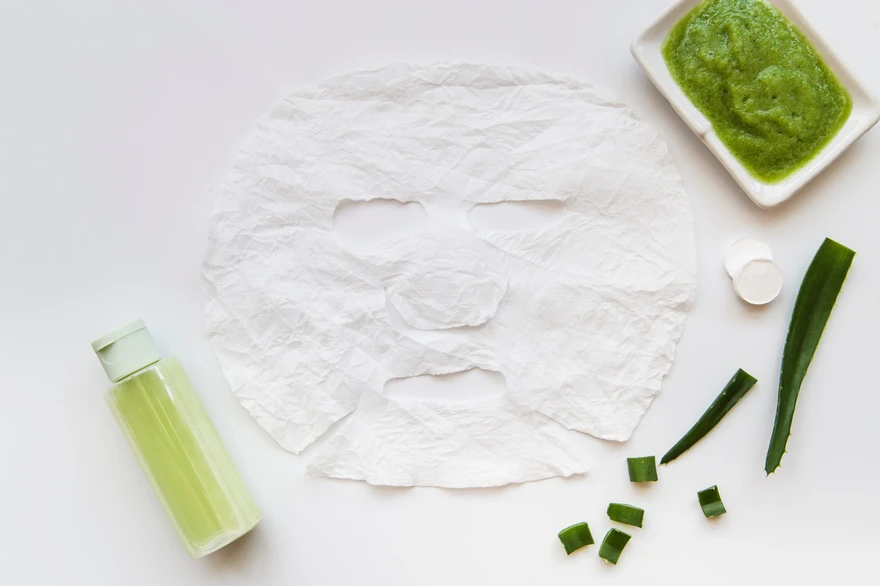
Table of Contents
- Why Go for Natural Skin Whitening Remedies?
- Best Natural Ingredients for Skin Whitening
- Top 10 Skin Whitening Home Remedies
- How to Prepare and Use Skin Whitening Remedies?
- Precautions While Using Home Remedies
- Skin Whitening Home Remedies for Different Skin Types
- Is Skin Whitening Safe?
- How Long Does it Take for Skin Whitening Remedies to Show Results?
- Common Mistakes to Avoid While Using Skin Whitening Remedies
- Conclusion
- FAQs
Why Go for Natural Skin Whitening Remedies?
Choosing natural skin whitening remedies offers several compelling advantages over harsh chemical treatments. Many conventional lightening products contain ingredients like hydroquinone or strong acids that can cause irritation, redness, or even permanent skin damage when misused.
Natural skin whitening remedies work gently with your skin's natural processes. They typically contain antioxidants, vitamins, and plant compounds that support healthy skin cell turnover without causing severe side effects. These ingredients often provide additional benefits like moisturising, anti-inflammatory properties, and protection against environmental damage.
Cost-effectiveness is another significant advantage. Most ingredients for effective skin whitening remedies are readily available in your kitchen or local market, making them far more affordable than expensive cosmetic treatments. You also have complete control over what goes on your skin, avoiding potentially harmful preservatives or synthetic fragrances.
Best Natural Ingredients for Skin Whitening
Several natural ingredients have proven effective for creating the best home remedy for skin whitening through scientific research and traditional use:
- Vitamin C-rich ingredients (such as lemon and orange peel): Vitamin C supports a brighter look by helping reduce melanogenesis (often via tyrosinase-related pathways) and limiting oxidative stress.
Always dilute lemon juice before use, as undiluted application can cause irritation and increase sun sensitivity.
- Lactic acid (yoghurt, milk): Lactic acid gently exfoliates, helping fade dullness by speeding surface cell turnover.
It can improve texture over time, especially when paired with moisturising skincare.
- Aloe vera: Aloe vera contains compounds like aloin and aloesin, studied for potential tyrosinase-inhibiting activity and calming inflamed skin.
It’s best used as a soothing base with consistent application rather than a quick “bleach” fix. - Turmeric: Curcumin has anti-inflammatory and antioxidant properties that may help reduce the appearance of uneven skin tone.
It can stain skin temporarily, so use small amounts and rinse thoroughly. - Honey: Honey acts as a humectant, drawing moisture into skin and supporting barrier recovery, which can make tone look more even.
Its mild enzymatic activity plus hydration can enhance glow, especially for dry skin. - Oatmeal: Oatmeal provides gentle physical exfoliation and soothing compounds (helpful for sensitive or irritated skin).
Regular use can smooth the texture, which improves how light reflects off the skin. - Liquorice extract: Liquorice contains glabridin, researched for tyrosinase-related brightening and reduction of visible dark spots.
It’s one of the more evidence-backed botanicals for pigmentation support when used in stable formulations.
According to Front Pharmacol (PMC/PubMed), a review notes that several traditional Asian herbs and natural remedies may support skin brightening by reducing melanogenesis, commonly through tyrosinase inhibition and antioxidant effects; however, outcomes can be inconsistent because herbal components are complex and vary across sources and preparations.
Top 10 Skin Whitening Home Remedies
Here are the most effective skin whitening home remedies you can prepare using natural ingredients:
- Aloe Vera and Honey Mask
Mix two tablespoons fresh aloe vera gel with one tablespoon honey. Apply to clean skin for 20 minutes before rinsing with lukewarm water. - Yoghurt and Turmeric Face Pack
Combine three tablespoons plain yoghurt with ½ teaspoon turmeric powder. Leave on for 15 minutes before gentle removal. - Lemon and Honey Brightening Treatment
Mix one tablespoon fresh lemon juice with two tablespoons honey. Apply as a spot treatment on dark areas for 10 minutes. - Oatmeal and Milk Exfoliating Scrub
Blend two tablespoons of ground oatmeal with enough milk to form a paste. Gently massage in circular motions before rinsing. - Cucumber and Rose Water Toner
Blend half a cucumber with two tablespoons of rose water. Apply with cotton pads as a daily toner. - Papaya and Honey Enzyme Mask
Mash a quarter cup of ripe papaya with one tablespoon honey. Apply for 20 minutes for natural enzyme exfoliation. - Tomato and Sugar Scrub
Mix fresh tomato pulp with one tablespoon of sugar for gentle exfoliation and vitamin C benefits. - Potato Juice Treatment
Apply fresh potato juice directly to dark spots using cotton pads. Leave for 15 minutes before rinsing. - Green Tea and Lemon Face Mask
Mix cooled green tea with lemon juice and apply as an antioxidant-rich treatment. - Rice Water and Honey Combination
Combine rice water with honey for a traditional East Asian brightening remedy.
How to Prepare and Use Skin Whitening Remedies?
Proper preparation ensures maximum effectiveness of your chosen skin whitening remedies. Always start with clean hands and a freshly washed face to prevent bacterial contamination. Use freshly prepared ingredients whenever possible, as they retain higher concentrations of active compounds.
When preparing masks or treatments, mix ingredients just before application to maintain potency. Store any leftover mixture in the refrigerator for no more than 2-3 days. Always perform a patch test on your inner wrist before facial application and wait 24 hours to monitor for adverse reactions.
Apply treatments to slightly damp skin for better absorption. Use gentle, upward motions when applying masks, avoiding the delicate eye area. Most remedies work best when applied 2-3 times weekly, allowing your skin time to regenerate between treatments.
Consistency is key – you'll typically notice improvements after 4-6 weeks of regular use.
Precautions While Using Home Remedies
While natural ingredients are generally safer than synthetic chemicals, certain precautions remain essential when using skin whitening remedies. Citrus-based treatments can increase photosensitivity, making your skin more susceptible to UV-induced skin damage. Always apply broad-spectrum sunscreen with at least SPF 30 when using lemon, orange, or other citrus ingredients.
Some people may experience allergic reactions to natural ingredients. Common allergens include nuts, certain fruits, and essential oils. If you notice redness, itching, or burning sensations, discontinue use immediately and rinse thoroughly with cool water.
Avoid over-exfoliation by limiting physical scrubs to 1-2 times weekly. Excessive scrubbing can damage your skin barrier, leading to increased sensitivity and potentially worsening pigmentation issues. Never use home remedies on broken, inflamed, or severely irritated skin.
Skin Whitening Home Remedies for Different Skin Types
Different skin types require tailored approaches when selecting the best home remedy for skin whitening. Oily skin benefits from clay-based masks combined with ingredients like lemon juice or tomato, which help control excess sebum while providing brightening benefits.
Dry skin responds well to moisturising ingredients like honey, aloe vera, and milk-based treatments. These provide hydration while gently addressing pigmentation concerns. Avoid alcohol-containing ingredients that might further dehydrate your skin.
Sensitive skin requires extra caution with any home remedy for ‘skin whitening in 3 days’ claims. Choose gentle ingredients like cucumber, rose water, or plain yoghurt. Always dilute potentially irritating ingredients and reduce application time for sensitive skin types.
Combination skin benefits from zone-specific treatment. Apply oil-controlling remedies to your T-zone while using moisturising treatments on drier areas. This targeted approach ensures each area receives appropriate care without exacerbating existing concerns.
Is Skin Whitening Safe?
The safety of skin whitening remedies depends largely on the ingredients used and application methods. Natural skin whitening remedies are generally safer than commercial products containing harsh chemicals, but they're not entirely risk-free.
Understanding realistic expectations is crucial. No safe home remedy can permanently alter your genetic skin colour. These treatments help improve superficial pigmentation, UV damage, and uneven tone, but they cannot change your natural skin color.
Professional dermatological guidance becomes important for persistent pigmentation issues, underlying skin conditions, or when home irritation occurs. Certain conditions like melasma or post-inflammatory hyperpigmentation may require professional treatment for optimal results.
How Long Does it Take for Skin Whitening Remedies to Show Results?
Patience is essential when using natural brightening remedies, as these ingredients act more gradually than synthetic skin-lightening agents. Most people begin noticing subtle improvements after 2-3 weeks of consistent use, with more significant results appearing after 6-8 weeks.
The timeframe varies based on several factors, including your skin type, the severity of pigmentation, chosen remedies, and consistency of application. While some people search for a home remedy for skin whitening in 3 days, realistic expectations involve weeks rather than days for noticeable improvements.
Individual skin cell turnover cycles influence the timing of visible results. Your skin naturally renews itself approximately every 28 days, meaning multiple cycles are needed to see substantial changes. Combining multiple complementary remedies often produces faster results than relying on single ingredients.
Common Mistakes to Avoid While Using Skin Whitening Remedies
Several common mistakes can reduce the effectiveness of even the best skin whitening remedies:
• Over-application: Using treatments too frequently can irritate your skin and potentially worsen pigmentation
• Inconsistent use: Sporadic application prevents cumulative benefits from developing properly
• Skipping sun protection: Failing to use sunscreen negates whitening efforts and may worsen existing pigmentation
• Mixing incompatible ingredients: Certain combinations can cause adverse reactions or neutralise beneficial effects
• Ignoring skin reactions: Continuing use despite irritation can cause lasting damage
• Unrealistic expectations: Expecting overnight results can lead to disappointment and unsafe experimentation
• Poor hygiene: Using contaminated tools or ingredients can introduce bacteria and cause breakouts
Conclusion
Natural skin whitening home remedies can help improve brightness, reduce dullness, and enhance your skin’s natural glow when used consistently and safely. However, lasting skin health depends not only on external care but also on internal factors such as nutrition, hormones, and overall wellness. Combining gentle home remedies with sun protection, hydration, and a balanced lifestyle delivers the best long-term results.
For deeper insights into skin concerns, reliable diagnostics like Metropolis Healthcare play a vital role. With access to 4,000+ tests, comprehensive full body checkups, and speciality testing, advanced diagnostic services make it easier to identify underlying issues affecting skin health. Convenient home sample collection with quick turnaround and accurate results, seamless booking via website, app, call, or WhatsApp, and a strong home collection network across 10,000+ touchpoints ensure trusted care and nationwide reach—supporting healthier skin from the inside out.
FAQs
Can lemon juice whiten skin?
Lemon juice can help brighten skin temporarily due to vitamin C, but it must be diluted and used cautiously to avoid irritation.
Are turmeric and honey good for skin whitening?
Yes, turmeric and honey support skin brightness, hydration, and inflammation control when used in small, balanced amounts.
How do you make a skin whitening mask at home?
- Choose ingredients based on skin type
- Mix fresh, clean ingredients
- Apply evenly on clean skin
- Leave for 10–15 minutes
- Rinse and moisturise
What should I do if my skin reacts to a remedy?
Stop using the remedy immediately, rinse with water, and apply a soothing moisturiser. Seek medical advice if irritation persists.
How can I maintain glowing skin after whitening?
Maintain results with daily sunscreen use, proper hydration, balanced nutrition, regular cleansing, and periodic gentle exfoliation.