Home Visit
 Upload






Preventive Healthcare
Benefits of Honey: 10 Science-Backed Health Uses & Safety Tips
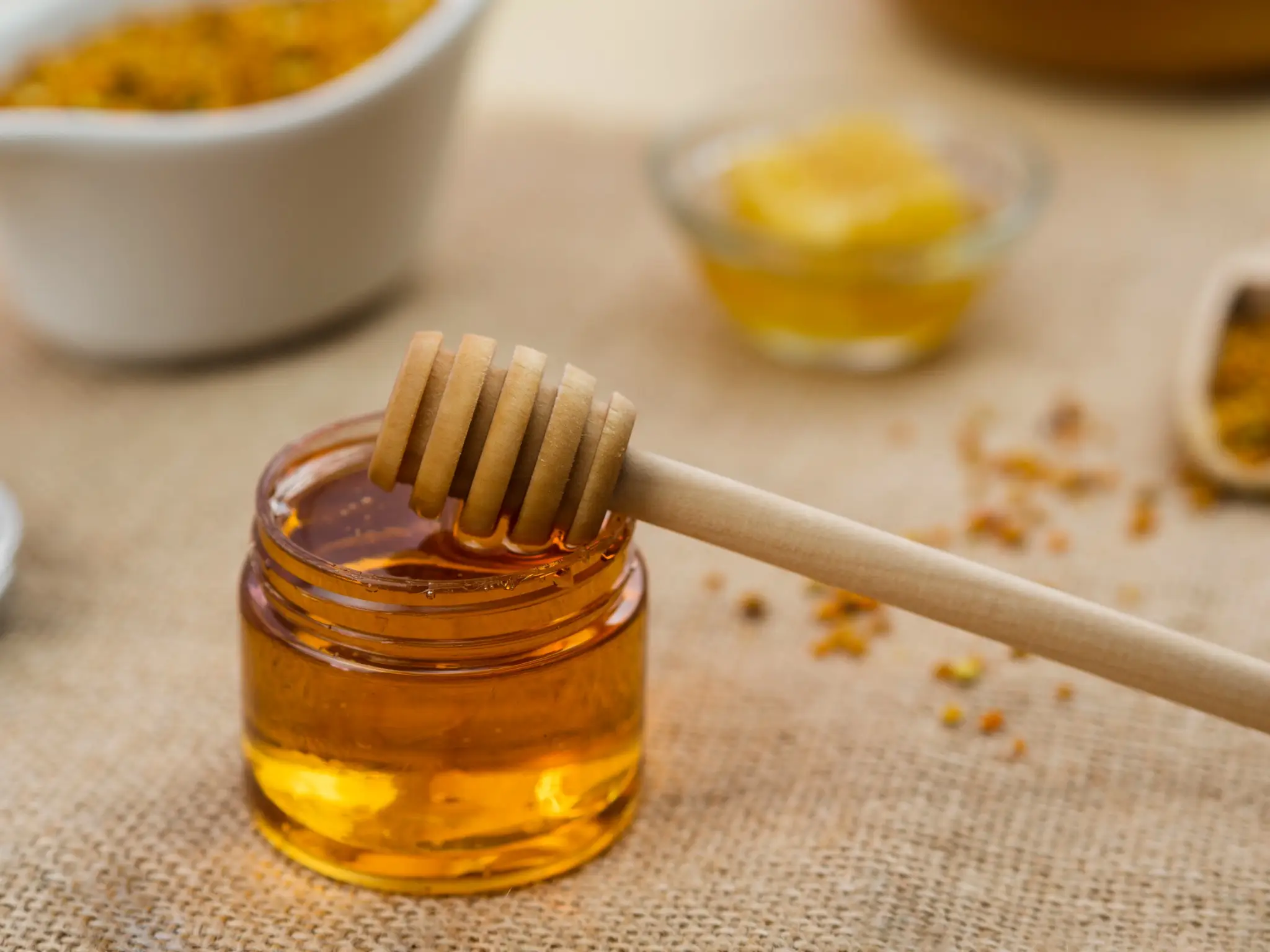
Table of Contents
What is Honey?
Honey is a complex natural substance created when honeybees collect nectar from flowers and transform it through natural enzymatic processes. The bees add enzymes that break down complex plant sugars, then store this mixture in hexagonal wax cells within their hives. Through evaporation and additional enzymatic activity, the nectar becomes the thick, golden substance we know as honey.
Unlike processed sugars, honey offers more than just simple carbohydrates. This natural sweetener provides a unique combination of fructose and glucose, along with trace amounts of vitamins, minerals, amino acids, and powerful plant compounds .known as polyphenols. These bioactive components are what give honey its distinctive flavour profiles and therapeutic properties.
The composition of honey varies significantly depending on the floral sources bees visit. For instance, Manuka honey from New Zealand tea trees contains higher levels of methylglyoxal, whilst acacia honey offers a milder taste with different antioxidant profiles. This diversity means that different types of honey may offer varying health benefits.
Nutritional Value of Honey
According to the USDA, the nutritional composition of 100 grams of honey is as follows:
|
Nutrient |
Amount (per 100g) |
|
Energy |
304 kcal |
|
Protein |
0.3 g |
|
Carbohydrate |
82.4 g |
|
Dietary Fibre |
0.2 g |
|
Total Sugars |
82.12 g |
|
Calcium |
6 mg |
|
Iron |
0.42 mg |
|
Magnesium |
2 mg |
|
Phosphorus |
4 mg |
|
Potassium |
52 mg |
|
Sodium |
4 mg |
|
Zinc |
0.22 mg |
|
Vitamin C |
0.5 mg |
|
Vitamin B6 |
0.024 mg |
|
Folate |
2 µg |
10 Health Benefits of Honey
1. Rich in Antioxidants
Honey contains powerful antioxidants, including Flavonoids, phenolic acids, and enzymes that help neutralize harmful free radicals in your body. These compounds may reduce your risk of chronic diseases such as heart disease and certain cancers. Darker varieties of honey typically contain higher antioxidant levels than lighter ones.
2. Supports Blood Sugar Management
Unlike refined sugars, honey's unique composition may help promote more moderate blood glucose responses. The combination of fructose, glucose, and beneficial plant compounds can potentially support healthier blood sugar patterns when used in moderation as part of a balanced diet. Research suggests that moderate honey consumption may help reduce fasting glucose levels in some individuals. However, portion control remains essential, particularly for people managing diabetes or prediabetes.
3. Improves Heart Health
The cardiovascular benefits of eating honey include potential improvements in cholesterol profiles. Studies indicate that regular honey consumption may help lower total cholesterol, reduce harmful LDL cholesterol, and increase beneficial HDL cholesterol levels. Additionally, honey's antioxidants may help protect blood vessels from damage and support healthy circulation. These effects, combined with its potential to reduce inflammation, contribute to overall cardiovascular wellness.
4. Natural Anti-Inflammatory Agent
Chronic inflammation contributes to numerous health conditions, from arthritis to heart disease. Honey's natural anti-inflammatory compounds may help reduce inflammatory markers in your body. This property makes honey particularly valuable as part of an anti-inflammatory diet approach.
5. Enhances Wound Healing
Medical-grade honey has been used successfully to treat burns, ulcers, and surgical wounds. Its antibacterial properties prevent infection, whilst its moisture-retaining qualities promote faster healing. The topical benefits of honey extend to minor cuts, blemishes, and skin irritation due to these same healing properties.
6. Antibacterial and Antimicrobial Effects
Honey’s antimicrobial effects arise from several mechanisms, including natural enzyme production that creates hydrogen peroxide. This makes honey effective against various bacteria and microorganisms that can cause infections.
Manuka honey, in particular, has gained recognition for its exceptional antibacterial properties, making it valuable for both internal and external therapeutic applications.
7. Supports Respiratory Health
Research indicates that honey can be effective for managing nighttime coughs in adults and in children over one year old. The benefit of warm water and honey helps coat the throat, reduce irritation, and provide natural relief from cough symptoms.
8. Aids Digestion
Honey's prebiotic effects support digestive health by promoting the growth of beneficial gut bacteria. This can enhance overall digestive function and contribute to better nutrient absorption and intestinal health. Regular, moderate consumption of honey may help support a healthy gut microbiome, which plays a crucial role in immune function and overall wellness.
9. Boosts Immune Function
The immune-supporting benefits of honey come from its combination of antioxidants, antimicrobial compounds, and prebiotic effects. These properties work together to strengthen your body’s natural defense mechanisms and support overall immune system function. During seasonal changes or times of increased stress, incorporating honey into your diet may provide additional immune support alongside other healthy lifestyle practices.
10. Helps Manage Cholesterol
Some studies suggest that regular honey consumption may help improve cholesterol profiles by reducing LDL (‘bad’) cholesterol while maintaining or increasing HDL (‘good’) cholesterol levels. This effect likely results from honey's antioxidant compounds and their impact on lipid metabolism.
Safety Tips When Using Honey
- Never give honey to infants under 12 months due to the serious risk of infant botulism, a potentially fatal condition caused by bacteria that honey may contain.
- Consume honey in moderation, as it remains high in calories and natural sugars that can contribute to weight gain and dental problems if overconsumed.
- Choose reputable brands and opt for raw, unprocessed honey whenever possible to maximise nutritional benefits whilst ensuring quality and safety standards.
- Store honey in tightly sealed containers at room temperature to prevent fermentation and preserve its beneficial properties.
- Be aware of allergic reactions, especially if you have known sensitivities to bee products, pollen, or certain plants that bees may visit.
- Use medical-grade honey for wound care applications rather than regular table honey to ensure sterility and appropriate concentration of active compounds.
- Consult your doctor before using honey therapeutically, particularly if you have diabetes, take medications, or have underlying health conditions that might interact with honey's natural compounds.
What Are the Side Effects of Honey?
For most healthy adults, honey consumption is safe when enjoyed in reasonable amounts. However, you should be aware of potential side effects. The high sugar and calorie content can contribute to weight gain, tooth decay, and blood sugar fluctuations, which are particularly concerning for people managing diabetes.
The most serious risk involves infants under one year old, who should never consume honey due to botulism risk. This rare but potentially life-threatening condition occurs because infant digestive systems cannot handle certain bacteria spores that honey may contain.
Some individuals may experience allergic reactions ranging from mild oral irritation to severe anaphylaxis. If you are allergic to bee stings, pollen, or certain plants, approach honey consumption cautiously and consider consulting an allergist before regular use.
Conclusion: Honey's Health Benefits and Precautions
Honey is a natural sweetener packed with nutrients, antioxidants, and bioactive compounds that support overall health, including heart, digestive, and immune function. Different floral sources create unique flavours and therapeutic properties. While generally safe for adults, it should be consumed in moderation due to its high sugar content. Infants under one year must avoid honey because of botulism risk. Choosing raw, unprocessed honey ensures maximum benefits, but people with allergies or medical conditions should use it carefully.
At Metropolis Healthcare, we understand the importance of monitoring your key health markers as you explore natural wellness approaches. Our comprehensive portfolio of more than 4,000 tests helps you track vital health indicators, from blood sugar levels to inflammatory markers, ensuring your natural health strategies truly support your overall well-being. With our convenient home sample collection service spanning 10,000+ touchpoints across India, you can easily access the diagnostic insights needed to make informed health decisions.
FAQs
Is honey good for your health?
Yes, honey offers significant health benefits, including antioxidants, antimicrobial action, and wound healing properties. However, it should be used in moderation due to high sugar content and is unsafe for infants under one year.
Can honey help with coughs?
Yes, honey can help relieve coughs by coating and soothing the throat, reducing irritation. Its natural antimicrobial properties may aid in fighting infections. It is particularly effective for nighttime coughs in children over one year and in adults.
Can honey help with sleep problems?
Yes, honey may aid sleep by stabilising blood sugar and promoting melatonin production. Consuming a small amount before bed can support relaxation, improve sleep quality, and help regulate the circadian rhythm, especially when combined with a balanced bedtime routine.
Can honey be harmful to children?
Yes, honey can be harmful for children under 1 year old. It may contain Clostridium botulinum spores, which can cause infant botulism, a rare but serious illness affecting the nervous system. For older children, consuming honey is generally considered safe.
References
- https://pmc.ncbi.nlm.nih.gov/articles/PMC10346535/
- https://fdc.nal.usda.gov/food-details/1103956/nutrients
- https://health.clevelandclinic.org/the-benefits-of-honey-how-to-incorporate-it-into-your-diet
- https://pmc.ncbi.nlm.nih.gov/articles/PMC5424551/
- https://www.mayoclinic.org/symptoms/cough/expert-answers/honey/faq-20058031