Home Visit
 Upload






Preventive Healthcare
Health Benefits of Mulberry: 10 Reasons This Fruit Is a Wellness Booster
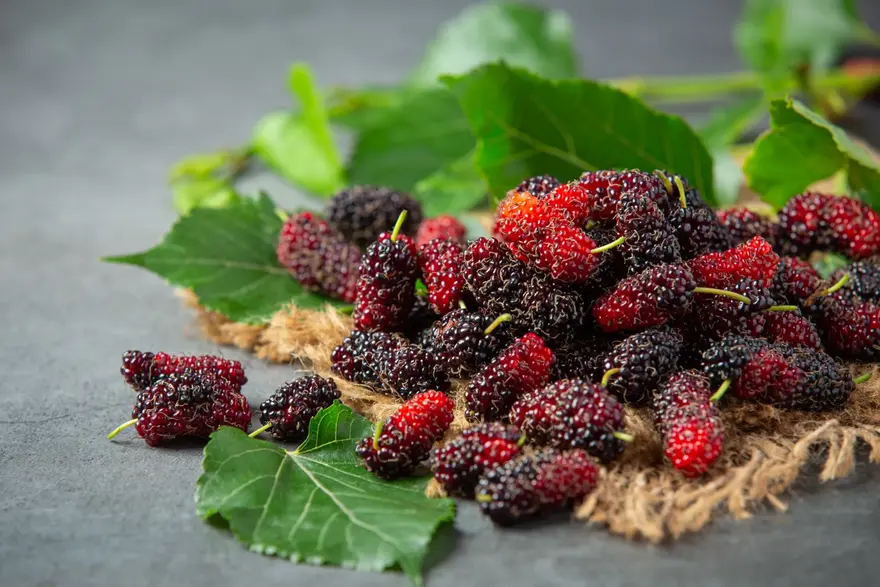
Table of Contents
What Are Mulberries?
Mulberries are sweet, edible fruits that grow on trees belonging to the genus Morus. This remarkable fruit comes in three main varieties: black, white, and red mulberries. Each type offers slightly different nutritional profiles, but all share the characteristic sweet–tart flavour that makes them so appealing.
The mulberry plant thrives in temperate climates and has been cultivated for thousands of years. Unlike figs, which grow in Mediterranean climates, or blackberries, which are technically aggregate fruits, mulberries are true berries that develop directly from the flowers of the mulberry tree. The fruit typically measures 2–3 centimetres in length and resembles an elongated blackberry in appearance.
You can enjoy fresh mulberry fruit straight from the tree, dried as a snack, or processed into juices and jams. Even mulberry leaves have traditional uses in herbal medicine, particularly in Asian cultures, where they've been valued for their potential health benefits for centuries.
Nutritional Profile of Mulberry
According to the USDA, here is the detailed breakdown of the nutritional content present in every 100 grams of raw mulberry:
|
Nutrient |
Amount (per 100g) |
|
Energy |
43 kCal |
|
Protein |
1.44 g |
|
Total Fat |
0.39 g |
|
Carbohydrate |
9.8 g |
|
Total Fibre |
1.7 g |
|
Total Sugars |
8.1 g |
|
Calcium |
39 mg |
|
Iron |
1.85 mg |
|
Magnesium |
18 mg |
|
Phosphorus |
38 mg |
|
Potassium |
194 mg |
|
Sodium |
10 mg |
|
Vitamin C |
36.4 mg |
|
Vitamin A |
25 IU |
|
Vitamin K |
7.8 µg |
10 Health Benefits of Mulberry
- Rich in Antioxidants: Mulberry benefits include exceptional antioxidant properties from flavonoids, anthocyanins and vitamin C. These compounds neutralise harmful free radicals, reducing oxidative stress throughout your body. The dark pigments in mulberries contain antioxidants that help protect your cells from oxidative stress, which can contribute to premature ageing and chronic diseases.
- Supports Heart Health: Regular consumption of mulberry fruit may help lower total and LDL cholesterol levels whilst supporting healthy blood pressure. The potassium content helps regulate cardiovascular function, whilst antioxidants protect blood vessels from damage. Studies suggest that compounds in mulberries can reduce cardiovascular risk factors.
- Helps Regulate Blood Sugar Levels: Mulberry contains natural compounds that may help control blood glucose levels, making it beneficial for people managing diabetes. The fibre content slows sugar absorption, preventing rapid blood sugar spikes and making it particularly valuable for people managing diabetes or prediabetes.
- Boosts Immune System Function: The high vitamin C content in mulberry provides significant immune system support. One serving delivers a substantial portion of your daily vitamin C needs, helping your body fight infections and maintain healthy immune responses. The antioxidants further strengthen your body's natural defence mechanisms.
- Promotes Digestive Health: The dietary fibre in mulberry supports healthy digestion by promoting regular bowel movements and feeding beneficial gut bacteria. This contributes to better nutrient absorption and overall digestive comfort.
- Enhances Blood Circulation: The iron content in mulberry fruit supports red blood cell production, improving oxygen transport throughout your body. Additionally, the polyphenols help maintain healthy blood vessels and circulation. This combination supports cardiovascular function, oxygen delivery, and sustained energy levels.
- Supports Brain Health and Cognitive Function: The flavonoids found in mulberry may help protect against cognitive decline and support healthy brain function. These compounds can cross the blood-brain barrier, potentially offering neuroprotective benefits.
- Promotes Eye Health: Rich in vitamin C and protective flavonoids, mulberry may help prevent age-related eye conditions such as macular degeneration or cataracts. The antioxidants in this fruit support the delicate tissues of your eyes against oxidative damage.
- May Help Reduce Cancer Risk: Research suggests that the antioxidants and phenolic compounds in mulberry may help reduce the risk of certain cancers. These protective compounds work by neutralising carcinogenic free radicals and supporting healthy cellular function throughout your body.
- Natural Anti-Inflammatory Effects: Mulberry contains polyphenols and resveratrol that help reduce inflammation throughout your body. Chronic inflammation contributes to various health conditions, so incorporating anti-inflammatory foods like mulberries supports overall wellness and disease prevention.
How to Add Mulberry to Your Diet?
- Snack: Eat fresh mulberries between meals as a nutritious snack. They provide natural sweetness, antioxidants, and fibre, keeping you full and energized while supporting overall health.
- Smoothies: Blend fresh or frozen mulberries into smoothies. They naturally sweeten beverages and add vitamins, minerals, and antioxidants, making your drink more nutrient-dense without added sugar.
- Fruit Salads: Add mulberries to fruit salads for extra color, flavor, and nutrition. Their antioxidants, vitamin C, and iron enhance the overall health benefits of your morning or afternoon fruit bowl.
- Yogurt or Oatmeal Topping: Sprinkle mulberries on yoghurt or oatmeal. This adds fibre and antioxidants, improves digestion, and enhances the taste and visual appeal of your breakfast.
- Trail Mix or Granola: Mix dried mulberries into trail mix or granola. They provide natural sweetness and antioxidants while pairing well with nuts and seeds for a protein-rich, energizing snack.
- Baking and Energy Bars: Use mulberry powder in baking recipes or homemade energy bars. It adds flavor, antioxidants, and nutrients to muffins, cookies, and protein bars without refined sugar.
- Jam and Sauces: Prepare homemade mulberry jam or sauces. They are healthier alternatives to store-bought spreads, adding flavor, antioxidants, and fibre to pancakes, toast, or desserts.
- Tea: Brew mulberry leaf tea for a mild, antioxidant-rich beverage. It supports hydration and contributes to overall wellness.
- Frozen Desserts: Freeze mulberries to use in smoothie bowls or make ice creams and sorbets. They retain nutrients and provide a naturally sweet, refreshing dessert.
- Energy Balls: Combine dried mulberries into homemade energy balls with nuts and seeds. This creates a nutrient-dense snack high in fibre, protein, and antioxidants for on-the-go energy.
Potential Side Effects of Mulberry
While mulberry is generally safe for most people, it's important to be aware of potential considerations. The fruit may lower blood sugar levels, which could be problematic if you're taking diabetes medications or have hypoglycaemia. If you're managing blood sugar conditions, monitor your levels carefully when adding mulberry to your diet.
Some individuals may experience mild digestive upset when first introducing mulberry, particularly if consuming large quantities. Starting with smaller portions allows your digestive system to adjust gradually. Additionally, people with known allergies to similar fruits should exercise caution when trying mulberry for the first time.
Mulberry leaf extracts and supplements may interact with certain medications, so consult your doctor before using mulberry supplements, especially if you're taking blood-thinning medications or diabetes medicines.
Where to Buy Mulberry?
During peak season (late spring to early summer), fresh mulberry is widely available at local fruit markets, supermarkets, and organic stores across the country. The mulberry tree grows well in India's climate, making fresh fruit readily available during harvest time.
For year-round access to mulberry benefits, dried mulberry, powders, jams, and teas are readily available at health food shops and major online retailers. When purchasing fresh mulberry, choose firm, unbruised berries with vibrant colour. For processed forms, opt for reputable brands with quality certifications to ensure you’re getting authentic products free from unnecessary additives.
Many speciality stores now stock mulberry alongside other superfruits like figs and blackberries, making it convenient to compare and choose the best options.
Conclusion: Why Mulberries Are Worth Adding to Your Diet
The impressive array of mulberry benefits makes this fruit a valuable addition to any health-conscious diet. From supporting immune function and heart health to helping regulate blood sugar and promoting healthy digestion, mulberries offer evidence-based wellness advantages that can significantly impact your overall health. The combination of antioxidants, vitamins, and minerals in this remarkable mulberry fruit creates a natural wellness booster that's both delicious and nutritious.
Whether you're managing specific health concerns or simply seeking to optimise your nutrition, incorporating mulberries alongside other beneficial fruits like figs and blackberries can enhance your dietary diversity and health outcomes. The versatility of mulberry—from fresh fruit to dried snacks to therapeutic mulberry leaves—provides numerous ways to enjoy its benefits.
At Metropolis Healthcare, we understand that optimal health begins with informed choices about nutrition and regular health monitoring. Our comprehensive portfolio of more than 4,000 tests includes specialised panels that can help you track how dietary changes like adding mulberries impact your health markers. With our extensive network of over 10,000 touchpoints across India, accessing reliable diagnostic services to monitor your wellness journey has never been more convenient.
FAQs
What are the health benefits of mulberries?
Mulberries provide powerful antioxidant protection, support heart health, help regulate blood sugar, boost immunity, and promote healthy digestion. Their unique nutritional profile offers comprehensive wellness benefits for overall health maintenance.
How many mulberries should you eat daily?
A serving of about one cup (140 g) of fresh mulberries or 40 g of dried mulberries daily is generally safe and provides significant nutritional benefits while avoiding potential digestive discomfort from excessive fibre intake.
Are mulberries safe for diabetics?
Mulberries contain natural compounds that may help lower blood sugar levels and are generally considered safe for diabetics when consumed in moderation. However, monitor your glucose levels carefully and consult your doctor for personalised dietary advice.
References
- https://www.foodresearchjournal.com/article/94/4-1-10-345.pdf
- https://fdc.nal.usda.gov/food-details/169913/nutrients
- https://pmc.ncbi.nlm.nih.gov/articles/PMC5981255/
- https://pmc.ncbi.nlm.nih.gov/articles/PMC6130672/
- https://pubs.acs.org/doi/10.1021/acs.jafc.7b03614
- https://pmc.ncbi.nlm.nih.gov/articles/PMC8241616/