Home Visit
 Upload






Preventive Healthcare
Bhujangasana Benefits: 12 Amazing Health Perks of the Cobra Pose
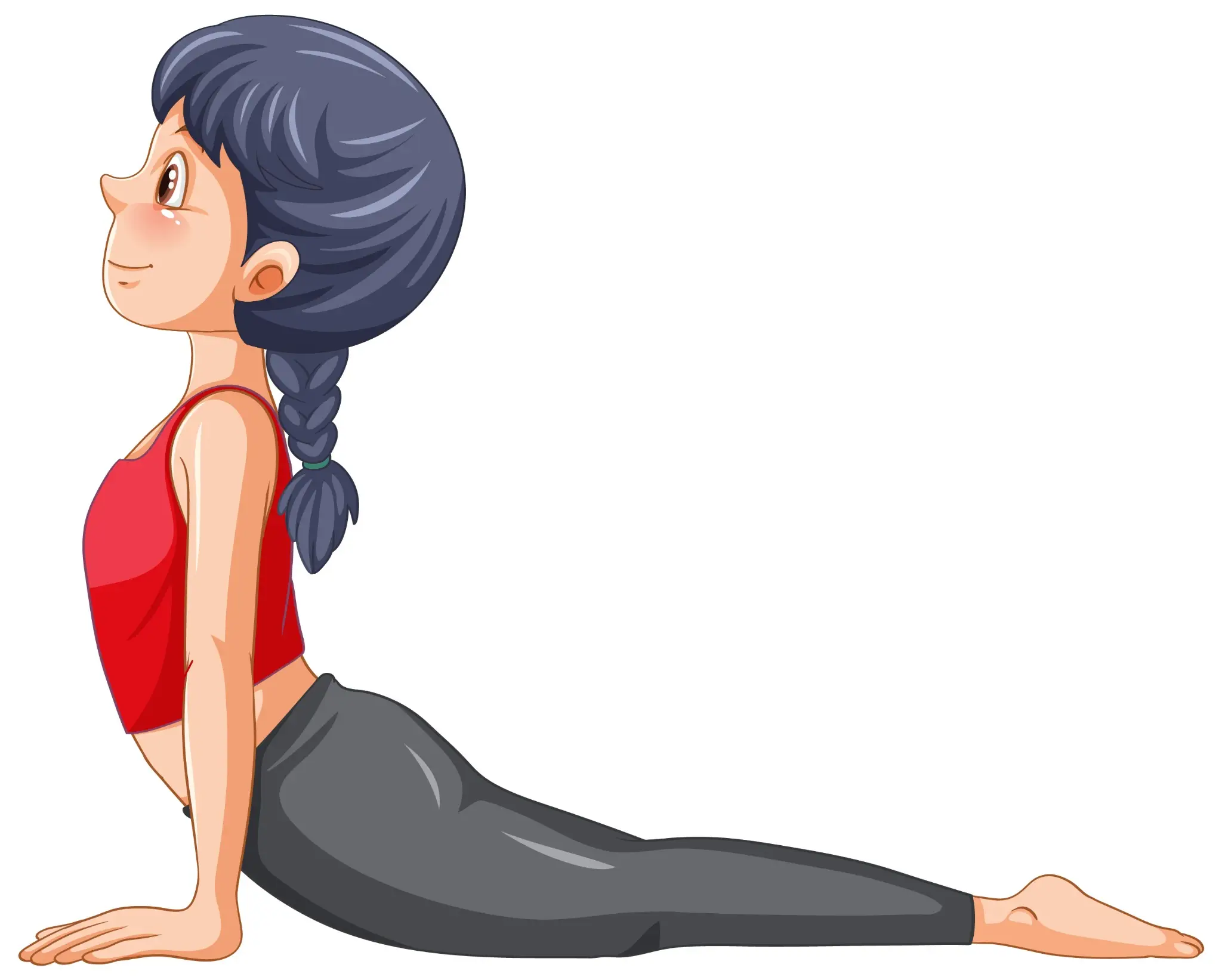
Table of Contents
What is Bhujangasana?
Bhujangasana, commonly known as the cobra pose, derives its name from the Sanskrit words "bhujanga", meaning ‘snake,’ and ‘asana,’ meaning ‘posture. This foundational backbending posture mimics a cobra raising its hood, creating an elegant arch through your spine while lying face down on your yoga mat.
The cobra pose forms an integral part of traditional yoga sequences, particularly surya namaskar (sun salutations), where it flows seamlessly between other yoga postures. Unlike more advanced postures such as Padmasana (Lotus Pose), bhujangasana is accessible to practitioners of all levels while delivering profound therapeutic benefits.
This heart-opening pose primarily targets your chest, shoulders, abdomen, and spine, making it an excellent counterpose to forward-bending positions. When you practice bhujangasana regularly, you engage multiple muscle groups whilst promoting spinal mobility and strength. The pose symbolically represents awakening, courage, and transformation, reflecting its powerful impact on both physical and emotional well-being.
How to Perform Bhujangasana
- Starting Position: Begin by lying flat on your stomach on a yoga mat. Stretch your legs back with the tops of your feet resting on the floor. Keep your toes pointing backwards and your thighs pressed gently against the mat.
- Hand placement: Place your palms directly beneath your shoulders, fingers spread wide. Keep your elbows close to your torso and relaxed. Rest your forehead gently on the floor, allowing your neck to relax.
- Prepare the Spine: Take a few deep breaths, grounding your pelvis and legs. This will prepare your spine for the gentle arch.
- Inhale and Lift: On a deep inhale, press firmly into your palms and lift your chest off the floor. Use your back muscles to help the lift, keeping your elbows slightly bent if needed. Ensure your shoulders are rolled back and away from your ears.
- Open the Chest: Expand your chest forward and upward, creating a gentle arch in the upper back. Keep your pelvis and legs pressed to the floor. Look slightly upward without straining your neck.
- Engage Muscles: Tighten your core slightly, and maintain length in the spine. Hold the pose for 15–30 seconds while breathing steadily.
- Exhale and Release: Slowly lower your chest and forehead back to the floor. Relax your arms along the sides of your body.
- Repeat: Repeat two to three rounds, resting briefly in a prone position between each.
12 Key Benefits of Bhujangasana
1. Tones Belly Fat
The cobra pose creates a deep stretch through your abdominal muscles, promoting better muscle tone and digestive function. When you practice bhujangasana regularly, the gentle compression and extension of your belly area may help tone the abdominal region and reduce fat accumulation around your midsection. This toning effect occurs through improved circulation and lymphatic drainage in the abdominal region.
Research suggests that consistent yoga practice, including poses like bhujangasana, can contribute to maintaining healthy body composition when combined with proper nutrition and lifestyle habits.
2. Strengthens the Arms
Practising bhujangasana requires significant upper-body engagement, particularly in your arms and shoulders. As you lift your torso against gravity, your biceps, triceps, and shoulder muscles work together to support your body weight. This isometric strengthening occurs each time you hold the cobra pose, gradually building functional strength in your arms, wrists, and shoulders, which can improve your performance in other yoga postures and daily activities.
3. Strengthens the Spine
One of the most significant bhujangasana benefits involves spinal strengthening and mobility enhancement. The pose activates your erector spinae muscles, which run along your spine and are crucial for maintaining proper posture. These muscles often weaken due to prolonged sitting and poor postural habits.
Regular practice of the cobra pose yoga helps counteract spinal compression whilst building the muscular support your spine needs for optimal function. The gentle backbending motion also promotes healthy spinal curves and reduces stiffness.
4. Improves Blood Circulation
The chest-opening nature of bhujangasana creates significant improvements in blood circulation throughout your upper body. As you expand your chest and lift your heart, blood flow to your lungs, heart, and brain increases markedly. This enhanced circulation delivers more oxygen and nutrients to vital organs whilst promoting toxin removal.
Improved circulation from regular cobra pose practice can lead to better energy levels, clearer thinking, and enhanced overall vitality. The pose particularly benefits those who spend long hours in forward-hunched positions.
5. Relieves Sciatic Nerve Pain
The gentle spinal extension and hip flexor stretch can help reduce pressure on the sciatic nerve, particularly when the pain originates from muscle tension or minor spinal misalignment. The cobra pose works by creating space in the lower spine whilst stretching the hip flexors and gluteal muscles that often contribute to sciatic nerve compression. However, it’s crucial to approach this benefit cautiously and consult a healthcare professional before using yoga for pain management. For those experiencing sciatic symptoms, starting with very gentle versions of bhujangasana and gradually progressing under professional guidance ensures safety.
6. Improves Lung Capacity
The pose stretches the intercostal muscles between the ribs whilst expanding the chest cavity, allowing the lungs to fill more completely and efficiently. This expansion encourages deeper, more effective breathing patterns that can persist beyond the yoga practice itself. Improved lung capacity supports enhanced oxygenation of the blood, enhanced athletic performance, and greater overall vitality.
The breathing benefits of the cobra pose yoga are particularly valuable for individuals with mild respiratory concerns or those seeking to improve their breathing efficiency. Regular practice of bhujangasana can help reverse the shallow breathing patterns often developed through stress, poor posture, or sedentary lifestyles.
7. Alleviates Menstrual Discomfort
The gentle stretching of the lower abdomen and pelvis can help relieve tension in the reproductive organs whilst promoting healthy circulation to the pelvic region.
The stress-reducing effects of cobra pose yoga may also help regulate hormonal fluctuations that contribute to menstrual symptoms. The pose's calming influence on the nervous system may provide natural relief from the emotional and physical challenges often associated with menstruation.
8. Reduces Stress
One of the most appreciated benefits of bhujangasana is its ability to reduce stress and promote emotional balance. The heart-opening nature of the pose is believed to release stored tension and emotions, whilst the rhythmic breathing required promotes activation of your parasympathetic nervous system.
This physiological shift moves your body from stress response into relaxation mode, reducing cortisol levels and promoting feelings of calm and well-being. Regular practice can help build resilience against daily stressors.
9. Increases Energy
The energizing effects of bhujangasana make it an excellent choice for combating fatigue and lethargy. The spinal extension and chest opening stimulate the nervous system whilst improving circulation, creating a natural energy boost that doesn't rely on caffeine or other stimulants.
The pose's ability to counteract the energy-draining effects of poor posture is particularly valuable for office workers and students. By opening the chest and strengthening the spine, cobra pose yoga helps restore the body's natural vitality and alertness.
10. Improves Posture
The bhujangasana benefits for postural improvement are particularly relevant for addressing forward head posture, rounded shoulders, and weakened back muscles. Regular practice of the cobra pose yoga strengthens the muscles responsible for maintaining proper spinal alignment, whilst stretching the tight muscles in the front of the body that contribute to poor posture. This balanced approach creates lasting improvements in how you carry yourself throughout daily activities.
The postural benefits extend beyond physical appearance to include reduced neck and shoulder tension, decreased headache frequency, and improved breathing efficiency.
11. Enhances Flexibility
Bhujangasana enhances flexibility in the abdomen and hip flexors while promoting spinal mobility and range of motion. This comprehensive flexibility improvement supports better movement quality in all activities, from other yoga postures like Padmasana to daily tasks like reaching overhead or bending forward.
Enhanced flexibility also reduces injury risk by ensuring joints can move through their full range of motion safely. The gradual nature of flexibility development through bhujangasana ensures sustainable progress without overstretching or strain.
12. Eases Lower Back Pain
Lower back pain affects millions of people worldwide, often stemming from weak back muscles, poor posture, or sedentary lifestyles. Bhujangasana addresses these issues by strengthening the erector spinae muscles whilst promoting healthy spinal curves. The pose can provide significant relief for individuals with mechanical lower back pain.
The gentle traction created during the cobra pose helps decompress spinal joints whilst improving circulation to back muscles. This combination of strengthening and decompression often results in reduced pain and improved function.
According to a study published in IJOY, consistent practice of yoga, including the cobra pose in the practice, can effectively reduce chronic lower back pain by improving core strength, especially beneficial among individuals with chronic lower back pain (CLBP).
Conclusion
The remarkable bhujangasana benefits extend far beyond simple stretching, offering a comprehensive approach to physical and mental wellness. From strengthening your spine and improving posture to reducing stress and enhancing breathing capacity, this accessible cobra pose deserves a central place in your daily health routine. The beauty of bhujangasana’s benefits lies in its simplicity and adaptability—whether you're a beginner exploring what bhujangasana is or an experienced practitioner deepening your practice.
By incorporating the proper bhujangasana procedure into your routine, you're investing in long-term health benefits that compound over time. Start slowly, focus on proper alignment, and gradually increase duration and intensity as your body adapts.
At Metropolis Healthcare, we understand that optimal wellness requires a comprehensive approach to health monitoring and assessment. With our extensive portfolio of more than 4,000 advanced diagnostic tests and a robust network spanning over 10,000 touchpoints across India, we make it convenient to track your health progress as you incorporate beneficial practices like yoga into your lifestyle. Our home sample collection service ensures you can access precise health insights, empowering you to make informed decisions about your physical and mental well-being.
FAQs
What is Bhujangasana good for?
Bhujangasana is excellent for strengthening the spine, opening the chest, improving posture, and relieving back tension. It also boosts energy, supports deeper breathing, and promotes flexibility throughout the upper body.
Can Bhujangasana help with back pain?
Yes, bhujangasana can relieve mild back pain by strengthening supporting muscles and improving spinal flexibility. However, individuals with serious back injuries or chronic conditions should consult a doctor before practising.
How many times should I do Bhujangasana per day?
Bhujangasana is typically practised 3-5 times per session, holding for 15-30 seconds each time. Listen to your body's signals and avoid overstraining. Beginners should start with fewer repetitions and shorter holds.
Who should avoid Bhujangasana?
Avoid bhujangasana if you're pregnant, recovering from abdominal surgery, or experiencing severe wrist injuries. Those with herniated discs or chronic back pain should seek medical clearance before practising.
References
- https://www.artofliving.org/in-en/yoga/yoga-poses/bhujangasana-cobra-pose
- https://wjpr.s3.ap-south-1.amazonaws.com/article_issue/c48ddce243c827ac0c815d58fc72cc7f.pdf
- https://www.researchgate.net/profile/Vikash-Bhatnagar/publication/373076145_Importance_of_Bhujangasana_in_Daily_Life/links/64d9d806ad846e28829043b2/Importance-of-Bhujangasana-in-Daily-Life.pdf
- https://pmc.ncbi.nlm.nih.gov/articles/PMC6746048/#sec1-5
- https://www.ijfmr.com/papers/2023/2/1794.pdf