Home Visit
 Upload






Preventive Healthcare
10 Home Remedies for Low Blood Pressure: Safe & Natural Ways to Stabilise BP
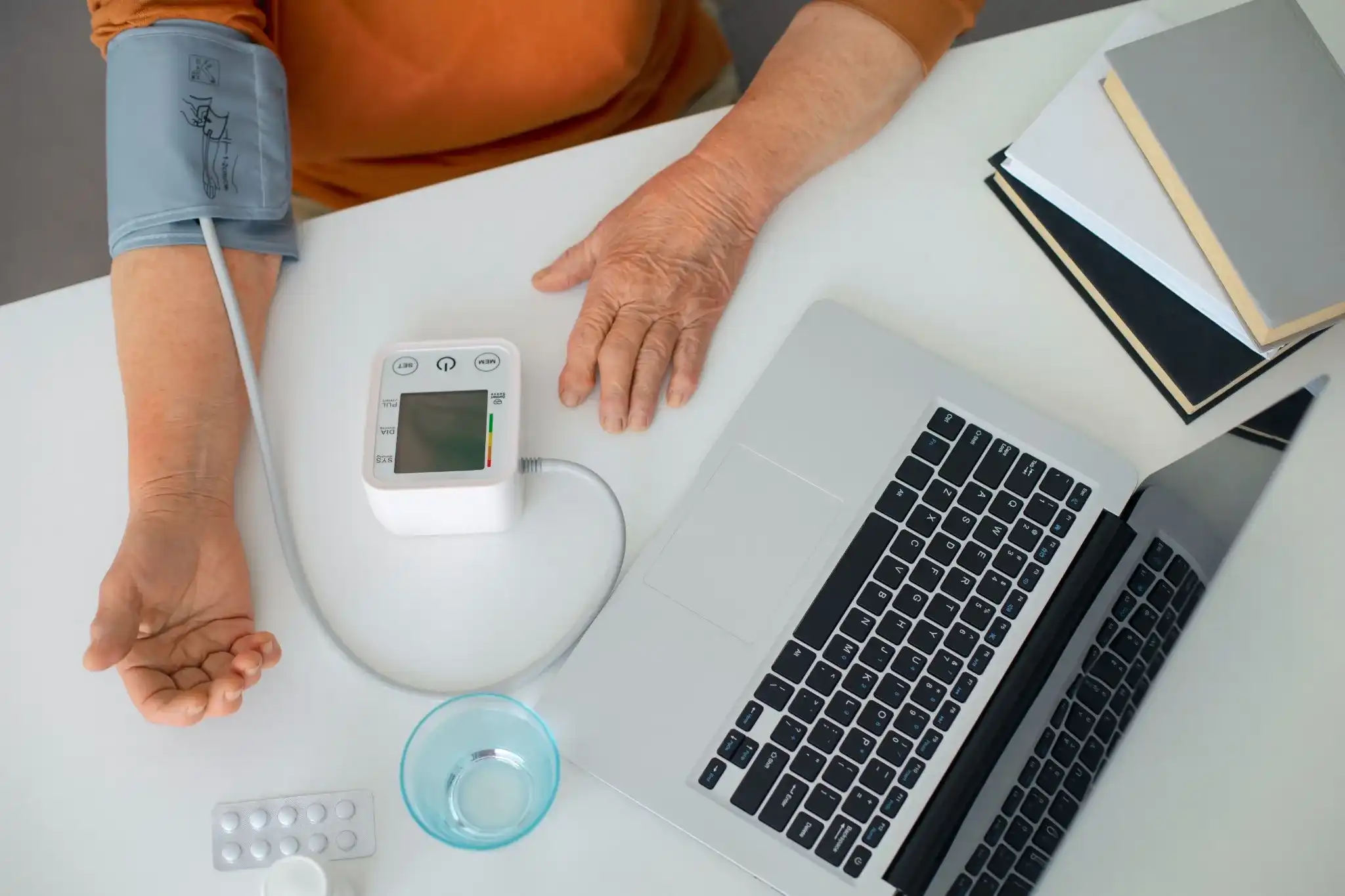
Table of Contents
Low blood pressure (hypotension) occurs when readings consistently fall below 90/60 mmHg. While often considered less concerning than high blood pressure or hypertension, chronic low blood pressure can cause symptoms, such as dizziness, fatigue, and fainting, which can interfere with daily activities. Causes may include dehydration, nutritional deficiencies, prolonged inactivity, or certain medications.
Addressing these factors through simple dietary and lifestyle changes can help manage blood pressure levels effectively. In the following sections, we will outline 10 home remedies for low blood pressure that focus on practical ways to help maintain stable readings and reduce associated symptoms in daily life.
Common Symptoms of Low Blood Pressure
The symptoms often develop gradually and may worsen during certain activities or times of day:
- Dizziness or lightheadedness, especially when standing up quickly
- Fainting episodes (syncope) that can occur without warning
- Blurred vision that makes reading or driving difficult
- Nausea accompanied by a general feeling of being unwell
- Fatigue or weakness that persists throughout the day
- Confusion or trouble concentrating, affecting work and daily tasks
- Rapid, shallow breathing during physical activity
- Cold, clammy, or pale skin, particularly in the hands and feet
10 Home Remedies for Low Blood Pressure
1. Stay Hydrated
Maintaining adequate fluid intake is crucial for managing low blood pressure naturally. Dehydration reduces blood volume, causing your blood pressure to drop significantly. When you drink adequate fluids, you maintain optimal blood volume, which helps stabilise your blood pressure naturally. Aim for 8–10 glasses of water daily, increasing this amount during hot weather or physical activity. Consider adding electrolyte-rich drinks during intense exercise or illness.
2. Increase Salt Intake
Unlike those with hypertension, people with low blood pressure may benefit from moderate increases in salt intake. Sodium helps your body retain fluid, increasing blood volume and raising blood pressure. Add a pinch of salt to your meals, or drink a glass of salted water in the morning. For instance, mixing half a teaspoon of salt in a glass of water can offer quick relief during acute episodes of low blood pressure. Always consult your doctor before increasing salt intake if you have heart or kidney conditions.
3. Eat Smaller, More Frequent Meals
Large meals can redirect substantial blood flow to your digestive system, potentially causing postprandial hypotension. This condition commonly affects older adults but can impact anyone with low blood pressure. Eating smaller, more frequent meals helps maintain steady blood pressure throughout the day. Instead of three large meals, consume five to six smaller meals and include protein, healthy fats, and complex carbohydrates in each.
4. Wear Compression Stockings
Compression stockings prevent blood from pooling in your legs, improving circulation and helping maintain adequate blood pressure. This mechanical approach works particularly well for orthostatic hypotension, where blood pressure drops upon standing. Choose graduated compression stockings with 15–20 mmHg pressure for daily wear. Wear them during daily activities, especially if you spend long periods standing or sitting.
5. Raise Your Head Whilst Sleeping
Elevating your head during sleep can help prevent severe morning drops in blood pressure. This position helps maintain better blood circulation to your brain throughout the night, reducing morning symptoms of low blood pressure. Raise the head of your bed by 4–6 inches using bed risers or place an extra pillow under your head and shoulders. This gentle elevation supports circulation without causing discomfort.
6. Eat a Balanced Diet
Ensure your diet includes sufficient vitamins and minerals that support healthy blood pressure regulation. According to the American Heart Association, nutritional deficiencies, particularly vitamin B12 and folate deficiencies, can contribute to low blood pressure and anaemia. Include plenty of fruits, vegetables, whole grains, lean proteins, and healthy fats in your meals. Foods such as spinach, beetroot, almonds, and lean meats provide essential nutrients that support cardiovascular health and help maintain stable blood pressure.
7. Limit Alcohol and Caffeine
Alcohol may lower blood pressure further by dilating blood vessels and causing dehydration, which can worsen symptoms like dizziness or fatigue. While moderate caffeine intake can temporarily raise blood pressure, excessive consumption can lead to dehydration and other health issues. Monitoring and reducing intake of alcoholic beverages and caffeinated drinks may help maintain more stable blood pressure levels, supporting overall well-being and reducing the risk of sudden drops.
8. Avoid Sudden Position Changes
Orthostatic hypotension occurs when blood pressure drops dramatically upon changing positions quickly. This common cause of dizziness and fainting can be managed through mindful movement patterns. When getting up from lying or sitting positions, do so gradually in stages. Sit on the edge of your bed for a few moments before standing, or pause when moving from sitting to standing. This simple technique allows your cardiovascular system time to adjust and maintain adequate blood pressure.
9. Cross Legs Whilst Sitting
This simple physical manoeuvre can temporarily increase blood pressure by improving venous return to your heart. Crossing your legs whilst sitting creates muscle tension that helps push blood upward against gravity. Practise this technique when you feel symptoms of low blood pressure while sitting. You can also try clenching your hands or tensing your arm muscles for similar effects. These isometric exercises provide quick, temporary relief whilst you implement other home remedies for low BP.
10. Manage Stress and Get Adequate Rest
Chronic stress and poor sleep quality can disrupt your body's natural blood pressure regulation mechanisms. Implementing stress management techniques and prioritising quality sleep supports overall cardiovascular health. Practise deep breathing exercises, meditation, or gentle yoga to reduce stress levels. Aim for 7–9 hours of quality sleep each night, maintaining consistent sleep and wake times.
How to Monitor Low Blood Pressure at Home
- Invest in a reliable home blood pressure monitor: Choose a validated device and take readings at consistent times daily, recording results in a logbook for your doctor.
- Maintain a detailed symptom diary: Document episodes of dizziness, fainting, or weakness, noting triggers, duration, and severity to identify patterns and discuss with your doctor.
- Track your fluid and salt intake: Monitor daily water consumption and sodium intake to understand how dietary changes affect your blood pressure readings.
- Monitor medication effects carefully: Some prescription and over-the-counter medications can lower blood pressure; track any new symptoms that coincide with medication changes.
- Check blood pressure in different positions: Measure readings while lying down, sitting, and standing to identify positional changes that may indicate orthostatic hypotension.
When Should You See a Doctor for Low BP?
Seek professional care if low blood pressure causes frequent or severe symptoms such as .fainting, confusion, chest pain, or shortness of breath.. Additionally, if symptoms begin after starting a new medication or if you have underlying health conditions like heart disease or diabetes, a medical evaluation becomes essential. Sudden, severe drops in blood pressure or loss of consciousness require emergency medical attention. Pregnant women experiencing significant changes in blood pressure should consult their doctor promptly, as this can affect both maternal and fetal health.
Conclusion
Managing low blood pressure through natural approaches can significantly improve your quality of life and reduce uncomfortable symptoms. The these home remedies for low BP offer safe, evidence-based strategies that work together to help stabilise blood pressure. From staying properly hydrated and adjusting your diet to making simple lifestyle modifications like wearing compression stockings and changing positions gradually, you can identify which approaches work best for you.
However, persistent or severe low blood pressure warrants professional medical evaluation to rule out underlying causes and prevent serious complications.
At Metropolis Healthcare, we understand the importance of accurate blood pressure monitoring in managing your cardiovascular health. Our comprehensive portfolio of more than 4,000 tests includes specialised panels that can help identify underlying causes of blood pressure irregularities. With our convenient home sample collection service spanning more than 10,000 touchpoints across India, you can access professional diagnostic services from the comfort of your home, making health monitoring both accessible and stress-free.
FAQs
Can low BP be dangerous?
Yes, low blood pressure can be dangerous if it leads to falls, fainting, or inadequate blood flow to vital organs. Severe hypotension may signal underlying health problems and requires prompt medical evaluation, especially when symptoms persist or worsen significantly.
Can I use home remedies for low BP if I'm on medication?
You should always consult your doctor before trying home remedies for low blood pressure if you're taking medication, as some remedies or dietary changes may interact with your treatment or worsen your condition unexpectedly.
How quickly can I see improvement with home remedies for low BP?
Some remedies, like drinking water or eating salty snacks, may help raise blood pressure within minutes. However, other remedies, such as dietary adjustments, may take days or weeks. Consistent monitoring is important to assess effectiveness safely.
What foods should I avoid if I have low BP?
- Alcoholic beverages, since alcohol can significantly lower blood pressure
- Foods very high in sugar, which can cause quick drops after initial spikes
- Highly processed foods, unless your doctor advises otherwise
- Large, heavy meals that can trigger post-meal hypotension episodes
Can low blood pressure be cured naturally?
While some people can manage low BP with lifestyle and dietary changes, it may not be completely "cured" if caused by underlying health conditions. Ongoing management and regular check-ups remain essential for safety.
References
- https://my.clevelandclinic.org/health/diseases/21156-low-blood-pressure-hypotension
- https://www.ncbi.nlm.nih.gov/books/NBK499961/
- https://www.nhs.uk/conditions/low-blood-pressure-hypotension/
- https://www.heart.org/en/health-topics/high-blood-pressure/the-facts-about-high-blood-pressure/low-blood-pressure-when-blood-pressure-is-too-low
- https://www.healthdirect.gov.au/low-blood-pressure-hypotension
- https://www.health.harvard.edu/blog/monitoring-blood-pressure-at-home-make-sure-you-follow-these-steps-202308212967