Home Visit
 Upload






Preventive Healthcare
Skin Lesions: Types, Causes, and Treatment Options

Table of Contents
- What Are Skin Lesions?
- Types of Skin Lesions
- Where Are Skin Lesions Located?
- What Are the Common Causes of Skin Lesions?
- What Are the Symptoms of Skin Lesions?
- Are Skin Lesions Dangerous?
- How Are Skin Lesions Diagnosed?
- What Tests Are Done to Diagnose Skin Lesions?
- Treatment Options for Skin Lesions
- Home Care and Preventive Tips
- When to See a Doctor
- Key Takeaways
- Frequently Asked Questions About Skin Lesions
- Stay Ahead of Your Skin Health with Metropolis Healthcare
- References
Your skin is your body's largest organ, and it tells a story. Sometimes that story includes spots, bumps, patches, or growths that look or feel different from the skin around them. These are skin lesions, and they are far more common than you might think.
Most skin lesions are completely harmless. But understanding what they are, what causes them, and when to seek help can give you the clarity and confidence you need to take care of your skin and your health.
What Are Skin Lesions?
A skin lesion is any area of skin that looks or feels different from the surrounding skin. This includes changes in colour, texture, shape, or size. Skin lesions can appear anywhere on the body, from your scalp to the soles of your feet.
They range from something as familiar as a freckle or a pimple to more complex changes like ulcers or precancerous patches. The important thing to know is that the majority of skin lesions are benign, meaning they are not cancerous and pose no real threat to your health.
Types of Skin Lesions
Skin lesions are broadly classified into two categories: primary lesions and secondary lesions.
Primary Lesions
These are the original changes in your skin. They may be present from birth or may develop over time due to an illness, injury, or environmental factor.
Common types include:
- Macule or Patch: A flat, discoloured area of skin with no raised surface. Freckles and flat moles are common examples.
- Papule or Plaque: A raised, solid bump without fluid inside. Acne papules and psoriasis plaques fall into this category.
- Nodule: A firm, raised lump that extends deeper into the skin than a papule.
- Vesicle or Bulla: A blister filled with clear fluid. Vesicles are small blisters; bullae are larger ones. Chickenpox and contact burns can cause these.
- Pustule: A raised bump filled with pus or white fluid. Common in acne and some bacterial infections.
- Wheal: A raised, itchy bump that appears suddenly and disappears within hours. Hives (urticaria) are a good example.
- Keratin Cyst: A bump beneath the skin filled with thick yellowish keratin material.
Secondary Lesions
These develop from primary lesions, usually as a result of scratching, irritation, or an underlying condition progressing over time.
Common types include:
- Scale: Flaky, peeling skin that builds up on the surface. Often seen with psoriasis or eczema.
- Crust: Dried fluid, blood, or pus over a healing wound or lesion. Scabs are a familiar example.
- Erosion: A shallow loss of the surface layer of skin, often moist and raw.
- Fissure: A deep, painful crack in the skin, commonly seen on the heels or lips.
- Ulcer: An open sore that penetrates deeper layers of skin and may be slow to heal.
- Scar: Raised or pale skin tissue that forms after skin injury or deep lesions heal.
- Atrophy: Thinning and wrinkling of the skin, often from prolonged steroid use or certain skin conditions.
Common Specific Lesions You May Know
Some lesions have familiar names and are worth mentioning separately:
- Moles (Nevi): Pigmented spots made up of clusters of skin cells. Most are harmless.
- Skin Tags: Small, soft, flesh-coloured growths that hang off the skin, often in areas of friction.
- Warts: Rough, raised growths caused by the human papillomavirus (HPV).
- Actinic Keratosis: Rough, scaly patches caused by years of sun exposure. These are considered precancerous and should be monitored.
- Cherry Angiomas: Small, bright red spots made up of blood vessels near the skin surface. These are harmless and very common in adults.
Where Are Skin Lesions Located?
Skin lesions can appear anywhere on the body. However, certain types tend to favour particular areas.
Acne commonly appears on the face, chest, and back. Eczema tends to develop in skin folds such as the elbows, knees, and neck. Psoriasis often affects the scalp, lower back, elbows, and knees. Fungal infections, including ringworm, usually develop in warm, moist areas such as the groin, feet, and between skin folds. You can read more about fungal skin infections separately, as they represent a distinct category of infectious skin conditions.
Warts are more common on the hands and feet, while actinic keratosis typically appears on sun-exposed areas such as the face, ears, scalp, and hands.
What Are the Common Causes of Skin Lesions?
Skin lesions have many possible causes. Here are the most common:
- Infections: Bacterial infections (such as staphylococcus), viral infections (such as HPV, herpes, or chickenpox), and fungal infections (such as ringworm) can all cause skin lesions.
- Inflammatory skin conditions: Eczema, psoriasis, and contact dermatitis are among the most common inflammatory skin conditions that lead to lesions.
- Allergic reactions: Contact with allergens such as certain metals, plants like poison ivy, or insect bites can trigger skin lesions.
- Sun exposure: Prolonged or unprotected sun exposure can damage skin cells and lead to sunburn, actinic keratosis, or, over time, skin cancer.
- Hormonal changes: Fluctuations in hormones are a key driver of acne, especially during puberty, menstruation, or pregnancy.
- Autoimmune conditions: Conditions like lupus or psoriasis cause the immune system to attack healthy skin cells, producing characteristic lesions.
- Injury or friction: Wounds, burns, pressure, or repeated friction can damage skin and cause lesions such as blisters, cuts, or calluses.
- Genetic factors: Some lesions, like birthmarks and certain moles, are present from birth or are inherited.
- Underlying systemic diseases: Liver disease, kidney disease, and poorly controlled diabetes can all manifest with skin lesions.
- Medications: Some drugs, including chemotherapy agents, can cause skin reactions that appear as lesions.
What Are the Symptoms of Skin Lesions?
The symptoms of a skin lesion vary depending on its type and cause. General signs to be aware of include:
- A visible change in your skin such as a new spot, bump, patch, or growth
- Redness, discolouration, or darkening of an area of skin
- Itchiness or irritation around the affected area
- Swelling or tenderness
- Pain or discomfort at the site of the lesion
- Fluid-filled blisters or pus-filled bumps
- Flaking, peeling, or crusting of the skin
- An open sore or wound that is slow to heal
Some lesions produce no symptoms at all and are only noticed because of their appearance. Others may be painful or itchy from the start.
Are Skin Lesions Dangerous?
The majority of skin lesions are benign, meaning they are not cancerous and are not dangerous to your health. Moles, skin tags, freckles, and cherry angiomas, for example, are all very common and generally harmless.
That said, some lesions do require attention. The key distinction is between benign vs malignant lesions. A malignant lesion is one that is cancerous or has the potential to become cancerous. Skin cancer is one of the most common cancers globally, and early detection significantly improves outcomes.
A helpful way to monitor any mole or pigmented spot is through the ABCDE rule:
A (Asymmetry): One half of the lesion does not match the other. B (Border): The edges are irregular, ragged, or blurred. C (Colour): There are multiple shades or uneven colour distribution. D (Diameter): The lesion is larger than 6mm (about the size of a pencil eraser). E (Evolution): The lesion is changing in size, shape, or colour over time.
If any of these features apply to a lesion you have noticed, it is worth getting it evaluated by a healthcare provider.
How Are Skin Lesions Diagnosed?
A healthcare provider diagnoses skin lesions primarily through a physical examination of your skin. They will assess the lesion's size, shape, colour, texture, depth, and location. They will also ask about your medical history, any medications you are taking, known allergies, family history of skin conditions, and any recent changes you have noticed.
In many cases, a visual examination is all that is needed. However, for lesions that appear suspicious or are difficult to identify, further investigation may be recommended.
What Tests Are Done to Diagnose Skin Lesions?
Depending on what your provider suspects, the following tests may be used:
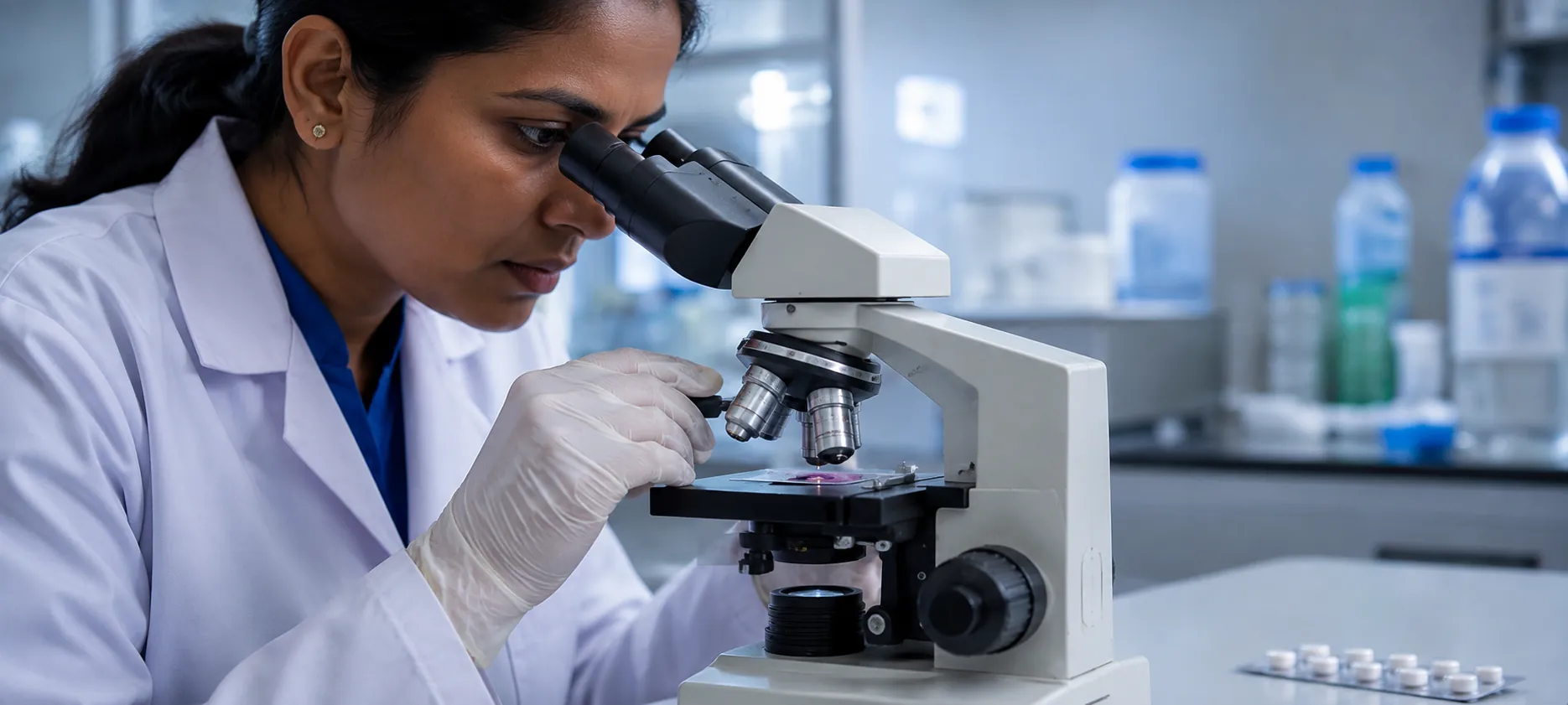
- Skin biopsy: A small sample of the lesion is taken and examined under a microscope. This is the most definitive way to determine whether a lesion is benign or malignant.
- Blood tests: These help identify underlying systemic conditions such as autoimmune diseases, liver or kidney disease, or infections that may be contributing to skin changes.
- Allergy testing: Patch tests help identify contact allergens that may be causing allergic skin lesions.
- Microbial swab: A swab from the lesion can be cultured to identify bacterial or fungal infections.
- Imaging tests: In rare cases, imaging like an X-ray or ultrasound may be needed to understand the depth or extent of a lesion.
Treatment Options for Skin Lesions
Topical Treatments
Many skin lesions, especially inflammatory ones, respond well to medicated creams, gels, or ointments applied directly to the skin. These may include corticosteroids for inflammation, antifungals for fungal infections, retinoids for acne and certain other lesions, or keratolytic agents like salicylic acid to break down thickened skin tissue.
Oral Medications
When the cause is systemic, such as a bacterial infection or autoimmune condition, oral antibiotics, antifungals, antivirals, or immunosuppressants may be prescribed.
Cryotherapy
Liquid nitrogen is applied to freeze and destroy unwanted lesions. It is commonly used for warts, actinic keratosis, and some benign lesions.
Surgical Excision
The lesion is cut out under local anaesthesia. This approach is used for suspicious moles, precancerous lesions, and certain benign growths that the patient wishes to have removed.
Laser Therapy
Laser treatments can remove or reduce lesions, especially vascular lesions like cherry angiomas, pigmented spots, or warts.
Cauterisation
Using heat or chemicals to destroy the lesion. Often used for skin tags or small benign growths.
Treatment of the Underlying Condition
For secondary lesions that arise from a chronic condition like psoriasis or diabetes, managing the root cause is essential to controlling the skin lesions.
Benign lesions that are not causing any discomfort or cosmetic concern do not always need treatment. Your provider will help you decide the best course of action based on your individual situation.
Home Care and Preventive Tips
While not all skin lesions can be prevented, there are steps you can take to protect your skin and reduce your risk:
- Apply sunscreen daily: Use a broad-spectrum sunscreen with SPF 30 or higher, even on cloudy days, to protect against UV-related lesions and skin cancer.
- Avoid tanning beds: Artificial UV radiation significantly increases your risk of skin cancer.
- Keep skin moisturised: Well-hydrated skin is less prone to fissures and inflammatory flare-ups.
- Practise good hygiene: Regular cleansing helps prevent bacterial and fungal skin infections.
- Avoid known allergens: If you know what triggers a skin reaction for you, minimise contact with those substances.
- Do not scratch or pick lesions: This can worsen the lesion, introduce infection, and lead to scarring.
- Wear protective clothing: Hats, long sleeves, and UV-protective clothing reduce sun exposure to vulnerable skin areas.
- Eat a balanced diet: Nutrients like vitamins A, C, and E support healthy skin and immune function.
- Monitor your skin regularly: Do a routine check of your skin every month, paying attention to any new or changing lesions.
When to See a Doctor
Most skin lesions are harmless and do not require urgent attention. However, you should see a healthcare provider if your lesion:
Changes in size, shape, or colour over time. Bleeds without any injury or reason. Does not heal as expected. Causes persistent pain or significant discomfort. Has irregular borders, multiple colours, or an unusual texture. Appears suddenly and spreads quickly. Is accompanied by other symptoms such as fever, fatigue, or joint pain.
If you notice anything about a skin lesion that concerns you, it is always better to get it checked. Early evaluation leads to faster answers and, in the case of something like skin cancer, significantly better outcomes.
Key Takeaways
- Skin lesions are abnormal areas of skin that differ in colour, texture, or appearance from surrounding skin.
- They are classified as primary (the original change) or secondary (changes that develop from primary lesions).
- Common causes include infections, inflammatory skin conditions, sun exposure, allergic reactions, hormonal changes, and underlying systemic disease.
- Most skin lesions are benign and not dangerous. The distinction between benign vs malignant lesions is central to determining the right course of action.
- Diagnosis is largely visual, but biopsies, blood tests, and swabs may be used when needed.
- Treatment ranges from topical creams and oral medications to cryotherapy, laser therapy, and surgical removal.
- Regular skin monitoring and sun protection are among the most effective ways to reduce your risk.
- Any lesion that changes, bleeds, or does not heal should be evaluated by a doctor promptly.
Frequently Asked Questions About Skin Lesions
What Are the 10 Skin Lesions?
While there is no definitive universal list, ten of the most commonly referenced skin lesions include macules, papules, pustules, vesicles, bullae, nodules, wheals, plaques, ulcers, and scales. These cover the full range of primary and secondary lesion types and are the standard categories used by dermatologists and healthcare providers for classification.
Could Lesions Be Cancerous?
Yes, some lesions can be cancerous or precancerous. However, the majority of skin lesions are benign. Cancerous lesions, such as melanoma or squamous cell carcinoma, often show specific warning signs: irregular borders, uneven colouring, enlarging size, or a tendency to bleed. Using the ABCDE rule can help you assess moles and pigmented spots at home, but only a healthcare provider can confirm whether a lesion is malignant. If in doubt, always get it checked.
Can Skin Lesions Go Away on Their Own?
Some skin lesions do resolve without treatment. Mild acne, insect bites, minor contact reactions, and some viral lesions like certain warts in children can clear up on their own over time. However, others, particularly those linked to underlying conditions or precancerous changes, will not resolve without medical intervention. If a lesion is persistent, growing, or changing, it should be assessed by a doctor rather than left to chance.
Can Infections Cause Skin Lesions?
Yes, infections are one of the most common causes of skin lesions. Bacterial infections such as staphylococcus can cause boils and impetigo. Viral infections like HPV cause warts, while herpes simplex causes cold sores and blisters. Fungal infections produce scaling, redness, and ring-like patterns on the skin. In each case, the type of lesion, its appearance, and its location can help a provider identify the underlying infection and recommend appropriate treatment.
When Should I Worry About a Skin Lesion?
You should take a skin lesion seriously if it is growing or changing rapidly, has an irregular or blurred border, contains more than one colour, is larger than 6mm, bleeds without injury, refuses to heal, or causes significant pain. Any of these signs warrant a prompt visit to your doctor. Skin conditions caught early, including skin cancer, are far more manageable and treatable, so do not delay seeking an assessment if something does not feel right.
Stay Ahead of Your Skin Health with Metropolis Healthcare
Your skin is constantly communicating with you. Paying attention to changes is a simple but powerful form of self-care. And when those changes call for answers, having access to reliable diagnostics makes all the difference.
At Metropolis Healthcare, you can go beyond just treating visible symptoms. Routine blood tests and full body checkups can help uncover underlying conditions, such as autoimmune disorders, hormonal imbalances, or nutritional deficiencies, that may be showing up on your skin before they become more serious.
With over 4,000 tests available, NABL and CAP-accredited labs, and a strong home sample collection network with over 10,000 touchpoints across India, Metropolis makes proactive health monitoring simple and accessible. Book your tests easily through the website, app, call, or WhatsApp and receive accurate, timely reports from the comfort of your home.
Because understanding what is happening inside your body is one of the best things you can do for the health of your skin and everything beneath it.
References
- James WD, Elston DM, Treat JR, Rosenbach MA. Andrews' Diseases of the Skin: Clinical Dermatology. 13th ed. Elsevier; 2019.
- Wolff K, Johnson RA, Saavedra AP, Roh EK. Fitzpatrick's Color Atlas and Synopsis of Clinical Dermatology. 8th ed. McGraw-Hill; 2017.
- World Health Organization. Skin conditions. WHO Global Report on Skin Neglected Tropical Diseases. WHO; 2020.
- American Academy of Dermatology Association. Skin cancer facts and statistics. AAD; 2023.
- Weedon D. Weedon's Skin Pathology. 4th ed. Churchill Livingstone; 2016.