Home Visit
 Upload






Preventive Healthcare
8 Causes for Chills Without Fever and Tips for Treatment
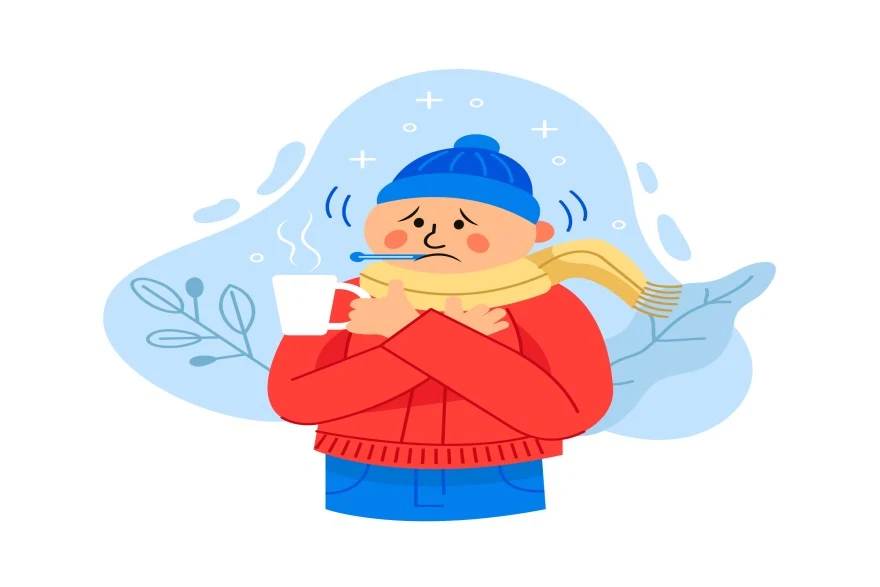
Table of Contents
Feeling sudden chills without a fever can be unsettling, especially when you're unsure of the cause. While it might seem confusing, this symptom is often linked to common, manageable reasons. Your body could be reacting to changes in temperature, stress, or something as simple as not eating enough.
In this blog, you'll learn about eight possible causes and what you can do to feel better. Knowing what’s behind the chills can help you take calm, confident steps towards feeling more comfortable and in control of your health.
8 Potential Causes of Chills Without Fever
Feeling suddenly cold and shaking without fever can be confusing, but it often has a clear cause. Below are eight possible reasons and simple tips to manage each one.
- Cold Exposure or Environment
Being in a cold setting or wearing damp clothes can trigger body shivering but no fever. Your body responds by tightening muscles to preserve warmth. Staying dry, using layers, and keeping your extremities warm can quickly ease these chills. - Emotional Stress or Anxiety
Intense emotions may cause shivering without fever, especially during a panic or anxiety episode. This is due to adrenaline affecting your nervous system. Breathing exercises, calming routines, or speaking to a therapist may help reduce these episodes. - Hypoglycaemia (Low Blood Sugar)
Skipping meals or overexertion may result in a blood sugar drop, causing weakness and chills and rigors without fever. Eating regular, balanced meals and carrying a quick source of sugar can help manage this condition. - Thyroid Disorders (Hypothyroidism)
If your thyroid is underactive, it can affect how your body regulates temperature. You might feel body shivering but no fever, especially in normal room conditions. A simple blood test and hormone replacement can bring relief. - Infections in Early Stage
Sometimes, chills come before any other fever symptoms appear. Viral infections like the flu or even dengue fever can start this way. If chills persist, monitor for other signs and seek medical advice. - Anaemia
Low red blood cell levels reduce your body’s ability to transport oxygen. This may cause fatigue and frequent chills, even in warm weather. Iron supplements or dietary adjustments, under medical supervision, can improve symptoms. - Medication Side Effects
Certain medicines, especially antibiotics or antidepressants, can cause chills and rigors without fever as side effect. If you notice this after starting new medication, speak to your doctor before making any changes. - Hormonal Changes (Menopause)
You may feel sudden waves of cold during menopause due to fluctuating hormone levels. While hot flushes are common, chills can also occur. Managing symptoms through lifestyle, diet, or hormone therapy might help.
When Should I Be Concerned About Chills?
Most of the time, chills are harmless and pass quickly. But there are moments when they may need closer attention. Here are a few signs to watch for:
- Persistent Chills Without Reason
If you’re regularly shivering without fever, even in comfortable environments, it could signal a deeper issue like a thyroid disorder, anaemia, or chronic infection. Medical tests can help uncover the cause. - Chills With Other Symptoms
When chills appear with fatigue, confusion, rash, or dizziness, it could be more than just body shivering but no fever. Watch for combined symptoms which may require medical evaluation. - Signs of Infection
Early stages of dengue fever or flu may begin with chills before the temperature rises. If fever symptoms follow or worsen, see a healthcare provider. - After Taking Medication
Experiencing suddenly feeling cold and shaking without fever after taking a new drug might be a side effect. It’s a good idea to report this to your doctor, especially if it doesn’t go away. - Low Body Temperature or Numbness
If you notice that you're unusually cold, especially in your hands and feet, or you feel numb, it could suggest an issue like hypothermia, anaemia, or hypothyroidism. - Ongoing Emotional Distress
If anxiety is triggering repeated episodes of shivering without fever, it may be time to seek help. A mental health expert can guide you with techniques to manage anxiety more effectively.
Home Remedies
If your chills are mild and not linked to serious illness, simple home remedies may ease the discomfort. Here are supportive steps you can try:
- Layer Up and Stay Warm
Wearing warm clothes, socks, and using blankets helps stabilise your temperature, especially when you feel body shivering but no fever. - Eat Regular, Balanced Meals
To prevent shivering without fever from low blood sugar, never skip meals. Include a good mix of carbs, protein, and fats throughout the day. - Stay Hydrated
Sometimes, dehydration can make you feel cold or dizzy. Drink enough fluids throughout the day, especially after exercise or in hot weather. - Breathing Techniques
Stress and anxiety can cause chills and rigors without fever. Deep breathing or gentle stretching helps relax your nervous system and ease shivering. - Warm Showers or Baths
A warm shower helps improve circulation and relaxes tense muscles. It’s a quick way to stop the sensation of suddenly feeling cold and shaking without fever. - Herbal Teas
Chamomile, ginger, or cinnamon tea can help warm you up from the inside, improve circulation, and reduce anxiety-driven chills. - Reduce Triggers Like Caffeine and Sugar
Too much caffeine or sugar can cause blood sugar fluctuations or heightened anxiety. Reducing these may help prevent body shivering but no fever. - Monitor Your Symptoms
Keep track of how often the chills occur and whether any other fever symptoms follow. This helps provide useful information to your doctor if needed.
Conclusion
Chills without fever can be caused by many everyday factors like stress, hormonal changes, or low blood sugar. Recognising these helps you manage them with simple, supportive steps.
However, if your symptoms are frequent or concerning, diagnostic testing can offer clarity. In such cases, you may consider Metropolis Healthcare—a trusted lab offering accurate, science-backed tests with convenient home sample collection for your peace of mind.
FAQs
Why do I have chills but no fever?
Your body may be reacting to stress, cold, low sugar, or an early stage of infection.
What can cause unexplained chills?
Unexplained chills can result from anxiety, thyroid issues, anaemia, or medication side effects without fever.
Can you have a cold without a fever?
Yes, mild colds often happen without fever, especially in healthy adults or after early treatment.
Can you have COVID-19 chills without a fever?
Yes, chills can appear before fever or with mild COVID-19, alongside fatigue and other symptoms.