Home Visit
 Upload






Preventive Healthcare
Dengue Mosquito: How to Identify & Prevent Bites (Daytime Danger)
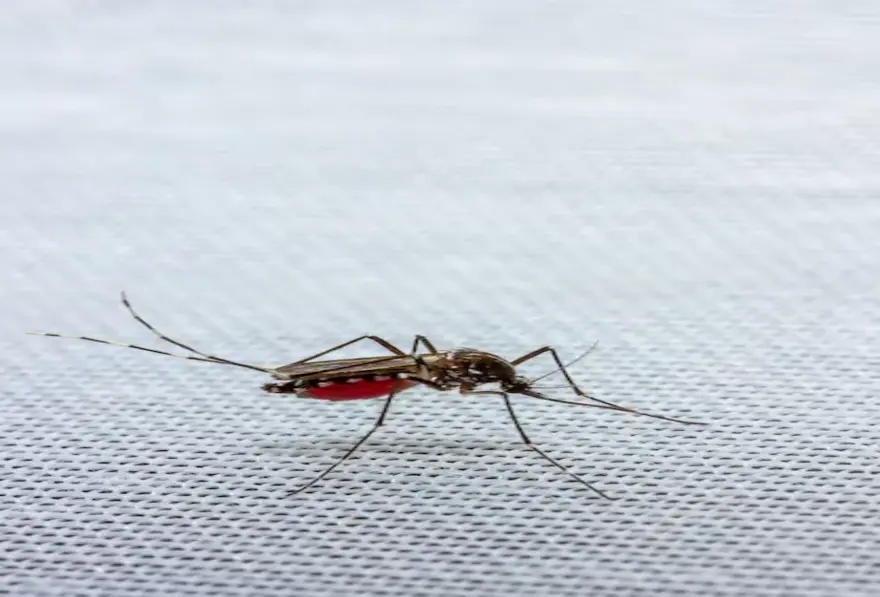
Table of Contents
- Introduction: The Daytime Dengue Danger
- What Is the Dengue Mosquito (Aedes aegypti)?
- How to Identify a Dengue Mosquito?
- Dengue Mosquito Life Cycle
- When and Where Are Dengue Mosquitoes Most Active?
- Why Do Dengue Mosquitoes Bite During the Day?
- Common Breeding Grounds Around Your Home
- How to Prevent Dengue Mosquito Bites?
- Protective Measures for Homes & Outdoors
- Conclusion: Stay Safe from Dengue This Season
- Frequently Asked Questions (FAQs)
Introduction: The Daytime Dengue Danger
Dengue mosquitoes can bite during the day, making protection important even outside of typical mosquito hours. If you or someone close to you is concerned about these bites, learning how to spot and avoid them can bring peace of mind.
This article will help you identify the dengue mosquito and take simple steps to prevent bites. With the right knowledge, you can reduce the risk and feel more confident about staying safe. Understanding what to look for is the first step in protecting your health.
What Is the Dengue Mosquito (Aedes aegypti)?
The dengue mosquito, known scientifically as Aedes aegypti, is the primary carrier of the dengue virus. It prefers clean, stagnant water in artificial containers to lay eggs and lives close to where people reside. Unlike many other mosquitoes, this species tends to be active during the day, making daytime awareness important. You’ll often find it in and around homes, particularly where stagnant water is present.
Aedes aegypti mosquitoes are highly adapted to urban settings and prefer human blood, increasing the chance of transmission in populated areas. Recognising its habits can help protect your health effectively.
Read: Dengue Fever: Symptoms, Causes, Risk Factors and More
How to Identify a Dengue Mosquito?
It’s important to know how to identify a dengue mosquito to take early action. Aedes aegypti is small, dark in colour, and has distinctive white markings on its legs and a lyre-shaped pattern of white scales on its thorax. These markings make it easier to recognise compared to other mosquitoes.
This species is also fast-moving and prefers indoor environments. If you notice small mosquitoes hovering low around your ankles during the day, it could be Aedes aegypti. Noticing these features early helps you stay alert and manage your surroundings more effectively.
Also Read: 10 Warning Signs and Symptoms of Dengue Fever
Dengue Mosquito Life Cycle
Understanding the life cycle of Aedes aegypti helps you interrupt their growth before they spread. They go through four life stages — egg, larva, pupa, and adult.
- Eggs: Female mosquitoes lay eggs just above the waterline in containers. These eggs can survive dry conditions for months and hatch when in contact with water.
- Larvae: Once hatched, larvae remain in water and feed on tiny organisms. They grow through four stages, shedding their skin each time.
- Pupae: In this stage, the mosquito does not feed. It remains in water and transforms into an adult.
- Adults: Fully grown mosquitoes emerge from the pupal case and take flight. Female Aedes aegypti seek blood meals to produce eggs, continuing the cycle.
By removing water containers and monitoring for larvae, you can disrupt this cycle and reduce mosquito populations.
When and Where Are Dengue Mosquitoes Most Active?
Knowing the dengue mosquito timing helps you stay vigilant at the right moments. Aedes aegypti are most active during the early morning hours after sunrise and in the late afternoon before sunset. Unlike many other mosquitoes that bite at night, these mosquitoes are daytime biters.
- Daytime Activity: They are especially active in the early hours of the day and again before dusk. However, they may also bite indoors at any time if they are disturbed or hungry.
- Indoor Presence: These mosquitoes prefer to live near humans, often found indoors or in shaded areas like under beds, tables, and cupboards.
- Urban Spaces: Aedes aegypti thrive in cities and towns, where water collects in containers, flower pots, and blocked drains.
- Weather Conditions: Warm, humid environments with rainfall are ideal. You’re more likely to see an increase in activity during and after the rainy season.
- Still Water Sources: They breed near still water. If you have pet bowls, plant trays, or open tanks, these could be hotspots.
Understanding where and when to expect them can help you focus your protective efforts and reduce your risk of exposure.
Why Do Dengue Mosquitoes Bite During the Day?
Unlike other mosquito species, Aedes aegypti prefer to feed during daylight hours. This can be surprising, as many assume mosquitoes are mostly active at night.
- Daylight Adaptation: This species has adapted to daytime activity, which increases its chances of encountering people at home, school, or work.
- Human Preference: Aedes aegypti prefers human blood over animals. Because people are active during the day, so are these mosquitoes.
- Indoor Habitat: Their preference for shaded, indoor areas allows them to rest and bite even when sunlight is strong outside.
- Quick Feeders: These mosquitoes often bite multiple times in a short period, making them more likely to transmit the virus if infected.
- Breeding Habits: Since they live near human environments, they find many opportunities to feed throughout the day.
Being aware of this unusual pattern supports better mosquito bite prevention practices, especially when you’re active during the day.
Common Breeding Grounds Around Your Home
Eliminating breeding grounds is one of the best ways to prevent dengue naturally. Dengue mosquitoes don’t need large bodies of water; even a small puddle can be enough.
- Plant trays and flower pots: Water collects under pots or in leaf bases and provides a perfect place for egg-laying.
- Unused containers: Buckets, bottles, and lids lying outdoors can collect rainwater and become breeding sites.
- Blocked drains and gutters: Leaves and debris in gutters can cause water to pool, offering ideal mosquito breeding spots.
- Water tanks and barrels: If not properly sealed, these can attract Aedes aegypti for egg-laying.
- Pet water bowls: These should be cleaned and refilled daily to avoid larvae build-up.
Regular checks of these spots can dramatically reduce your chances of having mosquitoes breed nearby.
How to Prevent Dengue Mosquito Bites?
Taking steps to reduce mosquito contact can protect your health and bring peace of mind. You don’t need complex tools—just consistent, simple habits for mosquito bite prevention.
- Use mosquito repellent: Apply a repellent on exposed skin, especially during early morning and late afternoon when Aedes aegypti are active.
- Wear protective clothing: Light-coloured, long-sleeved tops and trousers make it harder for mosquitoes to bite your skin.
- Install screens: Fit mesh screens on doors and windows to stop mosquitoes from entering your living spaces.
- Use fans: Strong air currents make it difficult for mosquitoes to fly and settle on your skin.
- Sleep under nets: While Aedes aegypti are active during the day, if you nap in the afternoon, using a mosquito net adds protection.
Staying consistent with these steps will help you and your family stay safe, especially during high-risk times.
Protective Measures for Homes & Outdoors
It’s reassuring to know there are practical ways to safeguard both indoor and outdoor spaces from dengue mosquitoes. Simple changes can help you keep Aedes aegypti away.
- Eliminate stagnant water: Check for standing water in plant trays, gutters, and buckets around the home and empty them regularly.
- Cover water storage containers: Ensure tanks and barrels are sealed to prevent mosquito access.
- Maintain your garden: Trim overgrown plants and remove leaf litter where water may collect.
- Use outdoor repellents: Consider citronella candles or mosquito coils in outdoor seating areas for extra protection.
- Inspect indoor hiding spots: Keep rooms well-lit and aired, and check behind curtains, under beds, and behind furniture where mosquitoes may rest.
Making these routines part of your daily life can significantly reduce your exposure to dengue mosquitoes and help prevent dengue naturally.
Conclusion: Stay Safe from Dengue This Season
Staying informed about Aedes aegypti and its habits helps you reduce risk and feel more secure. By learning to identify dengue mosquitoes, taking action during peak dengue mosquito timing, and applying simple steps for mosquito bite prevention, you can protect yourself and your loved ones.
For accurate dengue testing and reliable reports, you can trust Metropolis Healthcare, a leading diagnostics provider known for its home testing and expert care.
Frequently Asked Questions (FAQs)
What does a dengue mosquito look like?
Dengue mosquitoes, especially Aedes aegypti, are small, dark, and have white stripes on their legs and a lyre-shaped marking on their thorax.
Do dengue mosquitoes bite at night?
No, Aedes aegypti mosquitoes usually bite during the day, especially in the early morning and late afternoon, not typically at night.
Where do dengue mosquitoes breed?
They breed in clean, stagnant water found in containers like plant trays, buckets, tyres, and flowerpots commonly found in and around homes.
Is Aedes aegypti the only mosquito that spreads dengue?
No, while Aedes aegypti is the main carrier, Aedes albopictus can also spread dengue, though it’s considered a less efficient vector.
Can mosquito nets prevent dengue during the day?
Yes, mosquito nets are helpful during daytime naps or rest, especially for babies or the elderly, offering added protection against daytime bites.