Home Visit
 Upload






Preventive Healthcare
Dengue Diet: What to Eat and What to Avoid in Dengue Fever?
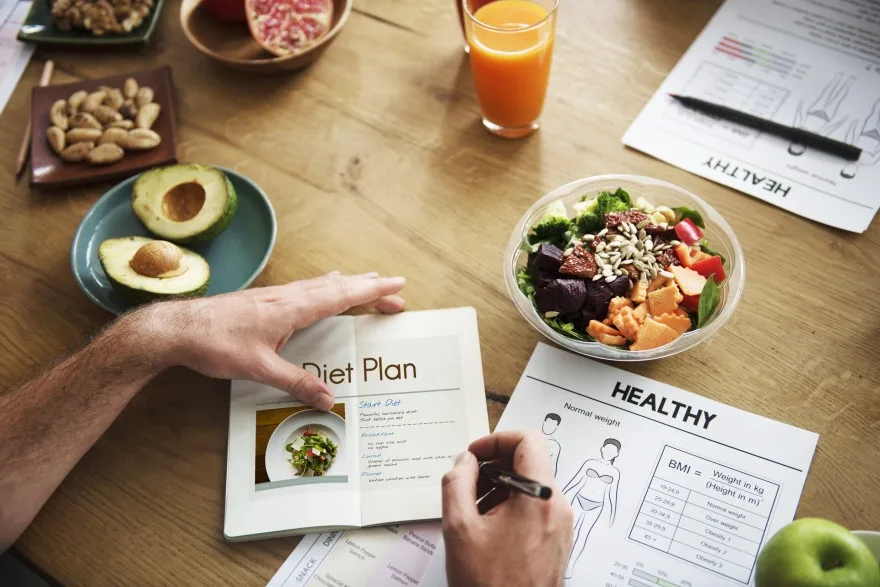
Table of Contents
If you or someone close to you is recovering from dengue fever, knowing what to eat can make a real difference. The right foods can help support your body, ease symptoms, and speed up recovery. At the same time, avoiding certain foods can prevent discomfort and complications.
This post will help you understand which foods are helpful during dengue and which ones to stay away from. With the right care and a balanced diet, you can feel better and support your body through the healing process.
Why is Diet Important in Dengue Recovery?
When you're dealing with dengue fever, your body is under stress and working hard to recover. The dengue diet plays a key role in helping you heal faster, feel better, and avoid complications.
- A good dengue diet helps boost your immune system so your body can fight the virus more effectively. Proper nutrition supports white blood cells and platelet production, both of which are important during dengue.
- Eating the right foods helps keep your energy levels stable. Fever, fatigue, and dehydration can leave you feeling drained. A nutrient-rich diet helps you regain strength gently and steadily.
- A well-balanced diet of dengue patients helps reduce nausea, supports digestion, and prevents dehydration, which is common during dengue fever.
- Choosing the right food for dengue patients also helps your body handle the side effects of medication and reduces the risk of weakness after recovery.
What To Eat During Dengue Fever?
The right food to eat during dengue can help you feel more comfortable and heal faster. Focus on foods that are hydrating, light, and rich in essential nutrients.
Hydrating Fluids
Staying well-hydrated is one of the most important parts of the dengue diet.
- Water: Drink small amounts frequently throughout the day to avoid dehydration. Aim for at least 8 to 10 glasses daily, or more if you're sweating or vomiting.
- Herbal teas: Ginger or chamomile teas are soothing and help with nausea, while also adding to your fluid intake.
Electrolyte-Rich Drinks
Dengue can cause a loss of electrolytes, so it’s essential to replace them.
- Oral Rehydration Solutions (ORS): These are a quick way to restore lost salts and fluids. You can use store-bought ORS or make a homemade version with salt, sugar, and water.
- Coconut water: This natural drink is rich in electrolytes and easy on the stomach, making it a perfect addition to your dengue diet.
Soft, Easily Digestible Fruits
Including fruit for dengue patient in meals can provide essential vitamins and hydration.
- Papaya: Known for potentially boosting platelet count, papaya is also rich in enzymes that aid digestion.
- Banana: Gentle on the stomach and high in potassium, bananas help replace lost nutrients and reduce weakness.
- Watermelon and pomegranate: Both are hydrating and full of antioxidants, which support recovery and reduce fatigue.
Cooked Vegetables
Lightly cooked vegetables are easier to digest and provide vital nutrients.
- Carrots and pumpkins: Soft when cooked and rich in vitamin A, they help support immunity and recovery.
- Zucchini and squash: These vegetables are light on the stomach and full of water content to keep you hydrated.
- Spinach (cooked): Provides iron and other nutrients to support red blood cell health.
Lean Proteins
Protein is important for repairing and rebuilding your strength.
- Boiled eggs: A soft, easy-to-digest source of protein that supports muscle recovery.
- Chicken or fish (well-cooked): Lean meats are nourishing without being too heavy on the stomach.
- Tofu: A great plant-based option that fits well into a balanced dengue diet.
Healthy Fats
Good fats help support energy levels during illness.
- Avocado: Soft and full of healthy fats and vitamins, avocados are gentle on digestion and energy-boosting.
- Nuts and seeds: Almonds or chia seeds (in small amounts) provide important nutrients but should be introduced gradually.
Which Foods To Avoid In Dengue Fever?
While the right food supports healing, there is a list of food to avoid during dengue as they may slow down your recovery or cause discomfort.
Fatty And Greasy Foods
High-fat foods are hard to digest and can upset your stomach.
- Fried foods and fast food: These are heavy, oily, and may worsen nausea or indigestion, making them unsuitable in any dengue diet.
- Processed meats: Items like sausages or salami are high in fat and salt, and not suitable for a healing body.
Spicy And Acidic Foods
These can irritate your stomach and worsen symptoms.
- Chillies, garlic, and pepper: These spices may lead to discomfort, especially if you're feeling nauseous.
- Citrus fruits (in excess): While small amounts of lemon are fine, acidic fruits like oranges may irritate your stomach lining.
Caffeinated And Sugary Beverages
These drinks can lead to dehydration and energy crashes.
- Soda, energy drinks, and packaged juices: These are loaded with sugar and additives that don’t support recovery.
- Coffee and black tea: Caffeine may interfere with rest and worsen dehydration, which is the last thing you need during dengue.
Alcohol
Alcohol should be completely avoided in your dengue diet.
- Dehydration: Alcohol pulls water from your body, increasing the risk of complications.
- Liver strain: Your liver is already under stress during dengue, and alcohol makes it worse.
3-Day Dengue Diet Plan
This sample meal plan is a gentle guide to help you plan meals while recovering. It includes suggestions for food to eat during dengue in simple, nourishing ways.
Day 1
- Breakfast: Soft-boiled egg, toast (white bread), and warm herbal tea
- Mid-morning: Banana or papaya slices
- Lunch: White rice, steamed carrots and zucchini, boiled chicken
- Afternoon snack: Coconut water and a handful of soft fruits
- Dinner: Pumpkin soup with tofu and white rice
Day 2
- Breakfast: Porridge with skim milk and honey
- Mid-morning: Watermelon cubes
- Lunch: Mashed potatoes, steamed spinach, grilled fish
- Afternoon snack: ORS or homemade electrolyte drink
- Dinner: Soft rice with lentil broth and cooked beetroot
Day 3
- Breakfast: Scrambled egg, white toast, and peppermint tea
- Mid-morning: Guava without seeds or pulp
- Lunch: Chicken soup with rice and cooked vegetables
- Afternoon snack: Coconut water and boiled apple
- Dinner: Tofu with soft-cooked squash and mashed yams
Conclusion
Following the right dengue diet helps you feel better, stay hydrated, and regain strength safely. Choosing the right food to eat during dengue and avoiding items that slow recovery can make a real difference.
If you or a loved one shows signs of dengue, early testing is key. For accurate and timely results, you can trust Metropolis Healthcare—a reliable diagnostic partner offering convenient home sample collection.
FAQs
How long will dengue fever last?
Dengue fever usually lasts 7 to 10 days. Recovery may take longer if symptoms are severe or if complications develop.
What kills dengue virus?
There is no specific antiviral medicine. Your immune system clears the virus, supported by rest, hydration, and a proper dengue diet.
Which fruit is best in dengue?
Papaya is considered the best fruit for dengue patients due to its nutrients and potential to support platelet count and digestion.
Are bananas and curd good for dengue fever?
Bananas are helpful, but avoid curd. Dairy may be hard to digest during dengue and can sometimes worsen nausea or stomach discomfort.
What breakfast is good for dengue fever?
Choose soft, energy-boosting options like porridge, boiled eggs, or toast. Light, easy-to-digest foods suit the diet of dengue patients well.
How can I speed up dengue recovery?
Stay hydrated, rest well, follow a nutritious dengue diet, and avoid spicy or greasy foods. Monitor symptoms and seek medical support as needed.