Home Visit
 Upload






Preventive Healthcare
Puffed Rice Benefits: Nutrition, Uses And Health Effects
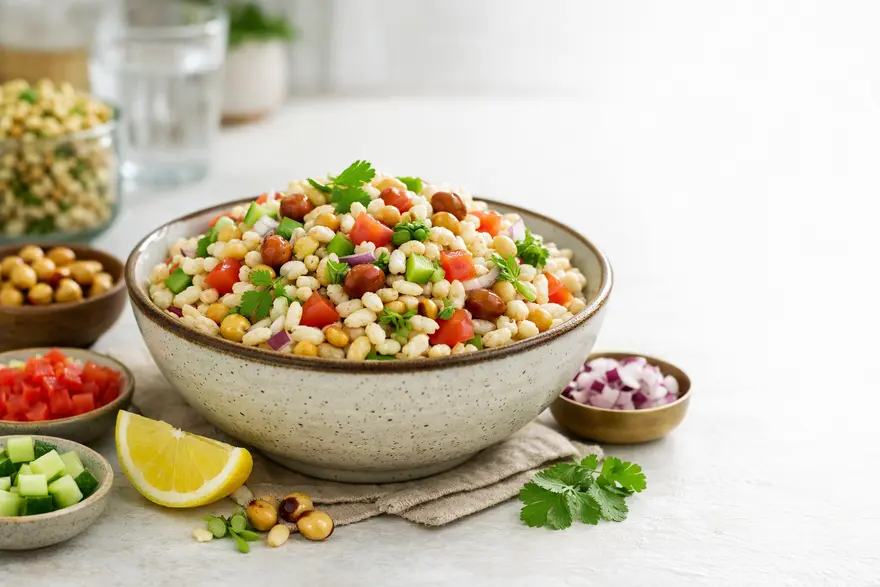
Table of Contents
- What Is Puffed Rice?
- Is Puffed Rice Healthy?
- Nutritional Value Of Puffed Rice
- Calories In Puffed Rice
- 10 Health Benefits Of Puffed Rice
- Best Ways To Eat Puffed Rice
- Best Time To Eat Puffed Rice
- How Much Puffed Rice Can You Eat Daily?
- Side Effects Of Eating Too Much Puffed Rice
- Who Should Limit Or Avoid Puffed Rice?
- Tips To Make Puffed Rice Healthier
- Conclusion
- FAQs
- References
Puffed rice, also known as murmura, muri, kurmura, or mamra in different parts of India, is one of those simple foods that almost everyone knows. It is crunchy, light, easy to store, and quick to turn into a snack. From homemade chivda to vegetable bhel, it has long been part of everyday Indian eating.
But is puffed rice actually healthy? The answer is more balanced than many headlines suggest. Puffed rice can fit well into a healthy diet, especially when you use it in sensible portions and combine it with vegetables, pulses, nuts, or curd. On its own, though, it is mostly a refined carbohydrate, so it is not the most filling or nutrient-dense snack.
What Is Puffed Rice?
Puffed rice is rice that has been heated so the grains expand and become light and crisp. This process gives it the familiar airy texture that makes it easy to snack on.
It is usually made from rice that has been processed and puffed using heat. The end result is a dry, ready-to-eat food that can be eaten plain or mixed with other ingredients.
Is Puffed Rice Healthy?
Puffed rice can be healthy in the right context. It is naturally low in fat and easy to use in quick homemade snacks. It can also be a better choice than deep-fried packaged snacks when prepared simply.
At the same time, puffed rice is mostly carbohydrate and is relatively low in protein and fibre on its own. That means it may not keep you full for long if you eat it plain. Its overall health value depends a lot on how you serve it. A bowl of puffed rice with chopped vegetables, roasted chana, peanuts, and sprouts is very different from a salty, oily, sev-loaded mix.
Nutritional Value Of Puffed Rice
Plain puffed rice is mainly a source of carbohydrates. It contains very little fat and only a modest amount of protein. Compared with less processed grain options, it is not especially rich in fibre unless you pair it with other ingredients.
The exact nutrition can vary depending on the type of puffed rice and whether it is plain, fortified, or sold as part of a ready-made snack mix. That is why labels and portion sizes matter.
Calories In Puffed Rice
Puffed rice calories can seem confusing because the food is extremely light. Per 100 grams, puffed rice is fairly calorie-dense. But in real life, a cup or small bowl weighs much less than 100 grams, so a normal serving of plain puffed rice may provide much fewer calories than people expect.
This is why puffed rice can work as a low calorie snack in practical portions. The problem usually starts when it is mixed with fried toppings, extra oil, sweet chutneys, or large amounts of sev and namkeen.
10 Health Benefits Of Puffed Rice
It Can Be A Light Snack Option
Puffed rice feels light and is easy to portion into a quick snack. If you want something simple between meals, it can be more convenient than many heavier snack foods.
It Is Naturally Low In Fat
Plain puffed rice contains very little fat. This makes it useful when you want a lighter base for a homemade snack.
It Can Help You Swap Fried Snacks
If you often reach for chips, fried farsan, or other heavily salted snacks, puffed rice can be a better starting point. The final health value still depends on what you add, but the base itself is lighter.
It Works Well In Homemade Weight Loss Snacks
Puffed rice can be part of weight loss snacks when you keep the portion sensible and avoid calorie-heavy toppings. Its airy texture can make a serving feel larger than it is.
It Gives Quick Energy
Because it is mainly carbohydrate, puffed rice can provide quick energy. That is one reason some people prefer it as a light evening snack or small pre-workout option.
It Is Easy To Pair With Better Ingredients
One of the biggest benefits of puffed rice is versatility. You can combine it with onions, tomatoes, cucumber, sprouts, roasted peanuts, roasted chana, curd, or seeds to improve both taste and nutrition.
It Can Be Easier Than Heavy, Greasy Snacks
Many people find homemade puffed rice snacks lighter than oily or rich snacks. That can be useful when you want something crunchy without the heaviness of deep-fried foods.
It Is Budget-Friendly
Puffed rice is affordable and widely available, which makes it an easy pantry staple for quick meals and snacks.
It Is Easy To Store And Use
It does not need elaborate preparation. This makes it practical for busy days when you want a fast snack without relying on packaged junk food.
It Can Support Better Portion Awareness
A measured serving of puffed rice can be a smart snack base because it is easy to customise. You can build a more balanced bowl instead of eating random processed snacks straight from a packet.
Best Ways To Eat Puffed Rice
Puffed rice is best when you make it part of a more balanced snack. Good options include:
- Vegetable bhel with onion, tomato, cucumber, coriander, and lemon
- Dry roasted puffed rice mixed with peanuts and roasted chana
- Puffed rice with curd, herbs, and a little roasted cumin
- Light homemade chivda with nuts and seeds
- Sprout and puffed rice chaat with fresh vegetables
These combinations can improve satiety and make the snack more nutritionally useful than plain puffed rice alone.
Best Time To Eat Puffed Rice
Puffed rice works best as a mid-morning or evening snack. It can also suit people who want a light pre-workout option.
It may be less useful when you need a filling meal, because plain puffed rice usually does not keep you satisfied for very long. Late-night mindless snacking on puffed rice mixtures can also lead to overeating, especially if the mix is salty or oily.
How Much Puffed Rice Can You Eat Daily?
There is no single perfect amount for everyone, but moderation matters. For many adults, a small bowl of plain or lightly prepared puffed rice can fit into a balanced diet.
What matters more than daily frequency is how you eat it. If puffed rice becomes a regular snack, try not to eat it plain every time. Add some protein, fibre, or healthy fat from ingredients such as roasted chana, sprouts, peanuts, curd, or chopped vegetables.
Side Effects Of Eating Too Much Puffed Rice
Eating too much puffed rice may cause a few problems:
- You may feel hungry again quickly if you eat it plain
- Large portions can add up in calories more than you realise
- Salty or oily versions can become an unhealthy snack
- People with blood sugar concerns may notice quicker glucose spikes
- It can crowd out more nutrient-dense foods if eaten too often
So while puffed rice is not a bad food, it is also not something to overeat just because it feels light.
Who Should Limit Or Avoid Puffed Rice?
Some people should be more careful with puffed rice, especially in large portions or heavily seasoned forms.
You may need to limit it if you:
- Have diabetes or poor blood sugar control
- Need snacks that keep you full for longer
- Are trying to increase protein intake
- Tend to overeat light, crunchy foods
- Usually eat puffed rice only in processed, high-salt mixes
This does not always mean you must avoid it completely. It usually means you should be more selective about portion size and pairings.
Tips To Make Puffed Rice Healthier
You can make puffed rice healthier with a few easy changes:
- Add chopped vegetables for more bulk and fibre
- Mix in roasted chana, peanuts, or sprouts for better satiety
- Use curd for a more filling snack
- Go easy on sev, oil, and sweet chutneys
- Limit extra salt
- Choose homemade versions more often than packaged mixes
These simple changes can turn puffed rice from a plain carbohydrate snack into something much more balanced.
Conclusion
Puffed rice can absolutely be part of a healthy diet, but it works best when you see it for what it is. It is a light, convenient, mostly carbohydrate-based food that can make a good snack base. It is not a miracle health food, and it is not the most filling choice when eaten plain.
If you enjoy puffed rice, there is no need to stop eating it. Just keep portions sensible and pair it with ingredients that add protein, fibre, and freshness. That way, you get the crunch and convenience without turning it into an empty snack.
If you are trying to improve your eating habits as part of a broader health plan, Metropolis Healthcare offers a wide range of diagnostic tests and health check packages, along with convenient home sample collection, so you can stay informed about your overall wellness with confidence.
FAQs
Is Puffed Rice Good For Weight Loss?
It can be, if you eat it in sensible portions and prepare it well. Puffed rice may work for weight loss when it replaces fried snacks and is paired with ingredients that improve fullness, such as sprouts, peanuts, roasted chana, or vegetables.
How Many Calories Are In Puffed Rice?
This depends on the portion. Per 100 grams, puffed rice is fairly high in calories, but a cup or small bowl usually weighs much less. That is why everyday servings often contain fewer calories than people assume. The calories increase quickly if you add oil, sev, peanuts, or sweet chutneys.
Can Diabetics Eat Puffed Rice?
People with diabetes can sometimes include puffed rice in moderation, but they should be careful because it can raise blood sugar quickly. Smaller portions and smarter pairings, such as protein and fibre-rich ingredients, are usually a better approach than eating it plain.
Is Puffed Rice Good For Digestion?
Puffed rice is light and easy to eat, but it is not especially high in fibre on its own. If you want a more digestion-friendly snack, it helps to combine it with vegetables, sprouts, or other fibre-rich ingredients.
Can Puffed Rice Be Eaten Daily?
Yes, it can be eaten daily in moderation, provided it is part of a balanced diet and not replacing more nutritious foods too often. The healthiest way to eat it regularly is to keep it simple and combine it with better-quality ingredients.
References
- Longvah T, Ananthan R, Bhaskarachary K, Venkaiah K. Indian Food Composition Tables. Hyderabad: National Institute of Nutrition, Indian Council of Medical Research; 2017.
- Miller JB, Pang E, Bramall L. Rice: A High or Low Glycemic Index Food? Am J Clin Nutr. 1992;56(6):1034-1036. PMID: 1442654.
- Henry CJK, Quek RYC, Kaur B, Shyam S, Singh HKG. A Glycaemic Index Compendium of Non-Western Foods. Nutr Diabetes. 2021;11(1):2. PMID: 33414403.