Home Visit
 Upload






Preventive Healthcare
Portfolio Diet: Heart-Healthy Eating Plan For Lowering Cholesterol
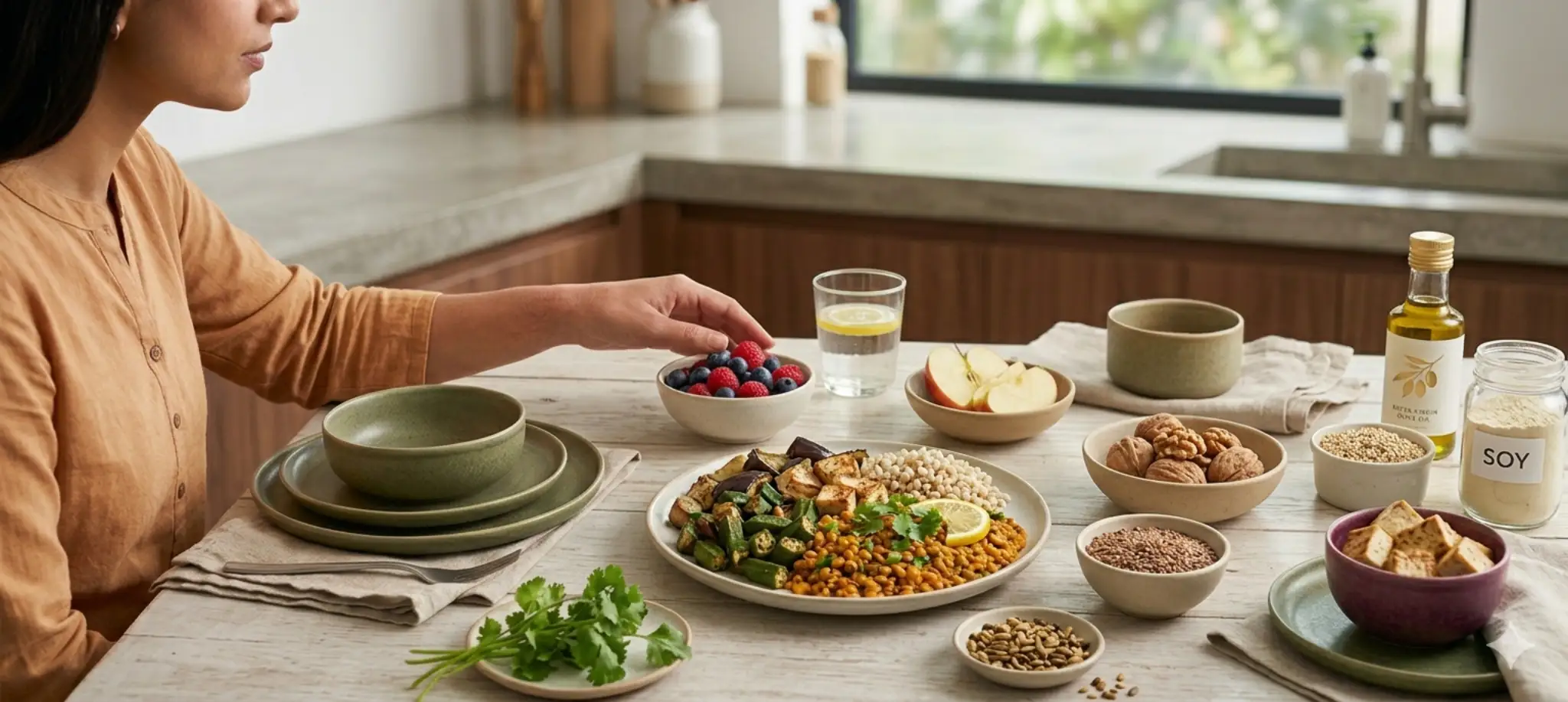
Table of Contents
- What Is The Portfolio Diet?
- How Does The Portfolio Diet Help Lower Cholesterol?
- What Makes The Portfolio Diet Different From Other Heart-Healthy Diets?
- Core Portfolio Diet Food List
- Foods To Limit Or Avoid On The Portfolio Diet
- Sample Portfolio Diet Meal Plan
- How Much Cholesterol Reduction Can You Expect?
- Who May Benefit From The Portfolio Diet?
- Is The Portfolio Diet Safe For Long-Term Use?
- How To Adapt The Portfolio Diet To Indian And Local Foods
- Common Mistakes People Make On The Portfolio Diet
- Tips To Make The Portfolio Diet Easier To Follow
- When Should You Get Your Cholesterol Tested?
- How Metropolis Healthcare Can Support Your Heart Health Journey
- Conclusion
- Frequently Asked Questions
- References
If you have been told your cholesterol is high, or if you are simply looking for a smarter, more sustainable way to support your heart health, the Portfolio Diet may be worth exploring. Unlike restrictive eating plans that focus on cutting out entire food groups, the Portfolio Diet takes a different approach. It focuses on adding specific, evidence-backed plant foods to your daily meals to help lower LDL cholesterol, often referred to as bad cholesterol, naturally.
The concept is straightforward: combine several food groups that are each known to support healthier cholesterol levels, and the cumulative effect can be meaningful. This guide covers everything you need to know about the Portfolio Diet, including the full food list, a sample meal plan, and practical advice for adapting it to everyday Indian eating habits.
What Is The Portfolio Diet?
The Portfolio Diet is a plant-forward eating pattern designed primarily to help lower cholesterol. It was developed by Dr. David Jenkins, a nutritional scientist at the University of Toronto, who wanted to move away from the idea that one single "superfood" could dramatically improve heart health. Instead, he proposed combining multiple evidence-backed food groups into one cohesive eating approach.
The word "portfolio" reflects the financial analogy behind the concept. Just as a wise investor spreads risk across multiple assets rather than betting everything on one, the Portfolio Diet spreads its cholesterol-lowering strategy across several food categories. Each food group in the portfolio contributes to better cholesterol levels in its own way, and together, they can produce a more significant effect than any single food alone.
The Portfolio Diet does not ask you to completely overhaul your life overnight. It is built around inclusion rather than restriction, and it can be adopted gradually, one food group at a time.
How Does The Portfolio Diet Help Lower Cholesterol?
The Portfolio Diet works through several complementary mechanisms, each targeting cholesterol differently:
- Plant proteins replace animal-based foods that are high in saturated fat. Saturated fat raises LDL cholesterol in the blood, so swapping meat and high-fat dairy for soy-based foods, beans, and lentils directly reduces one of the main dietary drivers of high bad cholesterol.
- Viscous or sticky fibre forms a gel-like substance in your digestive tract. This gel binds to bile acids, which are made from cholesterol in your liver. When bile acids are excreted rather than reabsorbed, your liver needs to draw more cholesterol from your blood to produce new bile acids, which in turn lowers circulating LDL cholesterol.
- Nuts and seeds provide heart-healthy unsaturated fats and plant compounds that support healthier blood lipid levels. Research consistently shows that regular nut consumption is associated with lower LDL cholesterol.
- Plant sterols are naturally occurring compounds in plants that have a structure similar to cholesterol. When you eat them, they compete with dietary cholesterol for absorption in the gut, limiting how much cholesterol enters your bloodstream.
- Monounsaturated fats from sources like olive oil and avocado help replace saturated fats in the diet, further supporting better cholesterol ratios.
Together, these five components create a comprehensive approach to reducing LDL cholesterol that is both practical and grounded in evidence.
What Makes The Portfolio Diet Different From Other Heart-Healthy Diets?
- It specifically targets LDL cholesterol: While many heart-healthy diets offer general cardiovascular benefits, the Portfolio Diet is designed with the explicit goal of lowering bad cholesterol through a structured combination of foods.
- It emphasises adding foods rather than removing them: Most people find it easier to add beneficial foods to their diet than to strictly avoid others. The Portfolio Diet centres on inclusion.
- It uses a multi-food strategy: Rather than relying on one food type, such as oats alone for cholesterol, it combines several food groups, each contributing a measurable reduction.
- It can be integrated into other healthy eating styles: The foods in the Portfolio Diet overlap well with Mediterranean and anti-inflammatory eating patterns, making it compatible with other heart-friendly approaches.
- It allows for gradual adoption: You do not need to follow every component perfectly from day one. Even adding one or two Portfolio Diet food groups has shown some benefit, making it accessible to most people.
- It is practically designed for real life: The Portfolio Diet was developed with real-world adherence in mind, not a controlled laboratory setting. It can be adapted to different food preferences, budgets, and cultural eating habits.
Core Portfolio Diet Food List
The Portfolio Diet is built around five core food categories. Here is a detailed breakdown of what each one includes.
Plant Protein Foods
Plant proteins replace animal protein sources that are higher in saturated fat. Key sources include:
- Soy milk
- Tofu
- Tempeh
- Edamame
- Beans such as kidney beans, black beans, and pinto beans
- Lentils
- Chickpeas
- Dried peas
Aim to include around 50 grams of plant protein daily from these sources where possible.
Viscous Fibre Foods
Viscous or sticky soluble fibre is the type of fibre that actively binds to cholesterol-related compounds in the gut. Good sources include:
- Oats and oat bran
- Barley
- Psyllium husk
- Okra
- Eggplant or brinjal
- Apples
- Oranges
- Berries such as strawberries and raspberries
Around 20 grams of viscous fibre daily is the general target, which is easier to achieve when you spread these foods across multiple meals.
Nuts And Seeds
All nuts and seeds contribute heart-healthy fats, fibre, and plant compounds that support better cholesterol levels. Options include:
- Almonds
- Walnuts
- Pistachios
- Peanuts
- Chia seeds
- Flaxseeds
- Sunflower seeds
- Pumpkin seeds
A daily intake of around 45 grams, roughly a small handful, is recommended. Nut butters also count and can be a convenient option.
Plant Sterol Sources
Plant sterols occur naturally in many plant foods, but in small amounts. To reach the levels associated with cholesterol reduction, fortified foods or supplements may be helpful:
- Spreads or margarines fortified with plant sterols
- Fortified yoghurts
- Fortified fruit juices
- Plant sterol supplements where medically appropriate
The daily target is around 2 grams of plant sterols. Speak to your doctor before adding supplements to ensure they are appropriate for you.
Healthy Unsaturated Fats
Used in place of saturated fats, monounsaturated fats help support healthier cholesterol ratios. Best choices include:
- Extra-virgin olive oil as the primary cooking and dressing oil
- Canola oil
- Avocado
- High-oleic sunflower or safflower oil for cooking at higher temperatures
Foods To Limit Or Avoid On The Portfolio Diet
While the Portfolio Diet focuses on what to add, reducing certain foods is equally important for supporting lower LDL cholesterol:
- Red meat: Including beef, lamb, and pork, which are high in saturated fat
- Processed meat: Such as sausages, salami, and deli meats
- High-fat dairy products: Including full-fat milk, cheese, cream, and butter
- Butter and ghee: Rich in saturated fat that raises LDL cholesterol
- Foods high in saturated fat: Including coconut oil, palm oil, and lard
- Ultra-processed foods: Such as packaged biscuits, instant noodles, and ready meals
- Fried foods: Which add unhealthy fats and calories without nutritional benefit
- Packaged snacks high in salt and unhealthy fats: Including chips, savoury crackers, and most fast food items
Sample Portfolio Diet Meal Plan
1-Day Portfolio Diet Meal Plan
The table below offers a practical example of how to build a full day of eating around the Portfolio Diet's five key components.
|
Meal |
Food Example |
Portfolio Diet Component |
|
Breakfast |
Oat porridge made with soy milk, topped with sliced apple, a handful of almonds, and a sprinkle of chia seeds |
Viscous fibre, plant protein, nuts and seeds |
|
Mid-morning snack |
A small handful of walnuts and a fresh orange |
Nuts and seeds, viscous fibre |
|
Lunch |
Dal and rajma served with barley roti or brown rice, with a side of sautéed bhindi |
Plant protein, viscous fibre, healthy fats |
|
Evening snack |
Plant sterol-fortified yoghurt or a smoothie with soy milk, berries, and flaxseeds |
Plant sterols, plant protein, viscous fibre |
|
Dinner |
Tofu stir-fry with eggplant, capsicum, and other vegetables cooked in olive oil, served with a side of chickpeas |
Plant protein, healthy fats, viscous fibre |
This is a flexible template. You can swap ingredients based on your food preferences, tolerances, and what is available seasonally.
How Much Cholesterol Reduction Can You Expect?
Results from the Portfolio Diet vary from person to person and depend significantly on consistency and the overall quality of the diet. Research has shown that each of the five core food groups can individually lower LDL cholesterol by approximately 5 to 10 percent. When all five components are combined and followed consistently, studies have shown a potential reduction in LDL cholesterol of up to 17 to 30 percent in some individuals.
In a landmark study, around one-third of participants who followed the Portfolio Diet for six months achieved better than a 20 percent reduction in LDL cholesterol. Another third saw reductions of around 15 percent. Those who found it harder to follow all the components consistently saw more modest results.
It is important to have realistic expectations. The Portfolio Diet is not a quick fix. Its effects build gradually over weeks and months of consistent eating. Diet also works best as part of a broader heart-health plan that includes regular physical activity, weight management, stress reduction, and routine cholesterol monitoring. If you are on cholesterol-lowering medication, the Portfolio Diet may complement your treatment, but always speak to your doctor before making significant dietary changes.
Who May Benefit From The Portfolio Diet?
The Portfolio Diet may be particularly useful for:
- People who have been told they have high total cholesterol or elevated LDL cholesterol
- Those looking for a natural, food-based approach to lowering bad cholesterol
- People at increased risk of heart disease due to family history, diabetes, high blood pressure, or lifestyle factors
- Those who prefer a more plant-based way of eating without fully committing to a vegan diet
- People already taking cholesterol-lowering medication who want to support their treatment with better nutrition
- Anyone interested in a sustainable, evidence-backed eating pattern for long-term heart health
Is The Portfolio Diet Safe For Long-Term Use?
For most healthy adults, the Portfolio Diet is considered safe for long-term use. It is built around whole, minimally processed plant foods that are naturally rich in fibre, healthy fats, and essential nutrients. Following it consistently over months and years is associated with sustained improvements in cholesterol levels and reduced risk of cardiovascular disease.
However, certain individuals may need to adapt the plan with professional guidance:
- People with kidney disease may need to monitor protein intake, including plant proteins
- Those with soy or nut allergies will need to source their protein and fat from alternative foods in the portfolio
- People with digestive conditions such as irritable bowel syndrome may find high-fibre foods initially challenging and should increase intake gradually
- Anyone on prescription medicines for cholesterol or other heart conditions should discuss dietary changes with their doctor
The good news is that the Portfolio Diet is not an all-or-nothing plan. It can be adjusted to suit individual health needs while still delivering meaningful benefits.
How To Adapt The Portfolio Diet To Indian And Local Foods
One of the strengths of the Portfolio Diet is that it translates well to Indian cuisine, which is already rich in legumes, vegetables, and whole grains. You do not need to source unfamiliar foreign ingredients to benefit from this eating pattern.
Practical Local Options
- Oats or barley porridge for breakfast as a source of viscous fibre
- Dal, rajma, chana, and moong as everyday plant protein staples
- Tofu in sabzis, curries, or stir-fries as a protein-rich substitute for paneer or meat
- Soy milk in smoothies, chai, or porridge instead of full-fat dairy
- Bhindi and baingan as naturally rich sources of viscous fibre that are widely available and affordable
- Fruits such as apples, oranges, and strawberries for viscous fibre and antioxidants
- Walnuts, almonds, peanuts, and flaxseeds as convenient snacks or toppings for meals
- Psyllium husk, known as isabgol, is widely available in India and is one of the most concentrated sources of viscous fibre
- Olive oil or cold-pressed mustard oil in moderation as a heart-friendlier cooking fat
- Edamame and soy-based products from larger supermarkets or health food shops as soy protein sources
Small swaps made consistently over time, such as replacing butter with olive oil or having a bowl of dal with barley roti instead of white roti, can collectively move the needle on your cholesterol levels.
Common Mistakes People Make On The Portfolio Diet
- Focusing on only one food group: Eating oats every day but ignoring nuts, legumes, or plant sterols will not produce the same result as combining all five components. The cumulative approach is what makes this diet effective.
- Ignoring portion sizes and overall diet quality: Adding nuts and seeds is beneficial, but eating them in very large quantities adds significant calories. Balance is still important.
- Continuing to eat a high saturated fat diet: If you add Portfolio Diet foods without reducing saturated fat from red meat, butter, and full-fat dairy, the cholesterol-lowering effect is diminished.
- Assuming all plant-based packaged foods are healthy: Many plant-based or vegan packaged products contain added oils, salt, and sugar. Always read labels carefully.
- Not eating enough fibre: Many people underestimate how much viscous fibre they need daily. Spreading fibre-rich foods across all meals rather than relying on one is more effective.
- Expecting immediate results: Cholesterol changes through diet are gradual. Significant improvements typically take six to twelve weeks of consistent eating to become apparent.
- Not checking with a doctor when managing existing high cholesterol or medication: If you are already on cholesterol-lowering treatment, dietary changes should complement and not replace your prescribed plan without medical guidance.
Tips To Make The Portfolio Diet Easier To Follow
- Start with one component at a time: If the full portfolio feels overwhelming, begin with one change, such as swapping your breakfast to oats with nuts and soy milk, and build from there.
- Swap rather than remove: Replace butter with olive oil, full-fat dairy with soy milk, or red meat with beans in a familiar dish rather than removing foods entirely.
- Meal prep basics: Cook a large batch of dal, lentils, or chickpeas at the beginning of the week so they are always ready to add to meals without extra effort.
- Read labels on fortified foods: Plant sterol-fortified products vary in their sterol content. Check that the product provides a meaningful amount per serving.
- Keep nuts, seeds, and fruit accessible: Place a bowl of mixed nuts on the counter or keep pre-washed fruit in the refrigerator so that healthy snacks are always within reach.
- Build one portfolio-style meal at a time: Aim to make breakfast a portfolio meal for the first week, then move on to lunch, then dinner. Small, consistent steps are more sustainable than a complete overnight change.
When Should You Get Your Cholesterol Tested?
Knowing your cholesterol numbers is the first step towards managing them. You cannot know whether your diet is making a difference without a baseline and regular monitoring.
Consider getting your cholesterol checked if you:
- Have been told you have high cholesterol or a history of heart disease in the family
- Are above the age of 35, or younger if you have other risk factors
- Have been diagnosed with diabetes, high blood pressure, or obesity
- Are planning to make significant dietary changes and want to track progress
- Have not had a blood test in the past year or more
Routine lipid profile testing measures total cholesterol, LDL cholesterol, HDL cholesterol, and triglycerides, giving your doctor a comprehensive picture of your cardiovascular risk.
How Metropolis Healthcare Can Support Your Heart Health Journey
Managing your cholesterol starts with understanding your numbers. At Metropolis Healthcare, you have access to comprehensive lipid profile testing and a wide range of heart-health-related diagnostics, all conducted in NABL and CAP-accredited laboratories with results you can trust. Whether you are checking your cholesterol for the first time, monitoring your progress after dietary changes, or keeping a regular eye on your cardiovascular health markers, Metropolis makes it straightforward.
With over 4,000 tests available and a network of more than 10,000 home collection touchpoints across India, you can book conveniently through the website, app, phone, or WhatsApp and have your sample collected at home. Fast turnaround times and reliable reports mean you always have the information you need to stay informed and take the right next step for your heart health.
Conclusion
The Portfolio Diet is a practical, evidence-based approach to lowering LDL cholesterol through the power of plant foods. Rather than demanding rigid rules or dramatic restrictions, it asks you to diversify your food choices, add more plant proteins, fibre-rich foods, nuts, seeds, and healthy fats to your meals, and reduce your dependence on saturated-fat-heavy animal products.
Like any sound investment strategy, the returns are best when you stay consistent. Even partial adoption of the portfolio approach has been shown to offer meaningful cardiovascular benefits over the long term. Small, steady food changes, made meal by meal, can collectively produce a significant improvement in your cholesterol levels and your heart health.
Keep monitoring your progress, stay in touch with your doctor, and let food work as one of your most accessible tools for a healthier heart.
Frequently Asked Questions
What Is The Portfolio Diet?
The Portfolio Diet is a plant-forward eating pattern developed specifically to help lower LDL cholesterol. It was created by Dr. David Jenkins and involves combining five food groups, namely plant proteins, viscous fibre, nuts and seeds, plant sterols, and monounsaturated fats, each of which contributes to better cholesterol management in its own way. The combined effect of all five components can produce more significant cholesterol reduction than any single food group alone.
What Foods Are Included In A Portfolio Diet Food List?
The core Portfolio Diet food list includes soy-based foods such as tofu, tempeh, soy milk, and edamame; legumes such as lentils, chickpeas, rajma, and beans; viscous fibre foods such as oats, barley, psyllium, bhindi, baingan, apples, and berries; nuts and seeds including almonds, walnuts, chia seeds, and flaxseeds; plant sterol-fortified foods; and healthy unsaturated fats such as olive oil and avocado.
Can The Portfolio Diet Lower LDL Cholesterol?
Yes, research shows that following the Portfolio Diet consistently can lower LDL cholesterol. Studies have found that each of the five food groups can reduce LDL cholesterol by approximately 5 to 10 percent individually. When combined and followed closely, the Portfolio Diet has been associated with reductions in LDL cholesterol of up to 17 to 30 percent in some individuals, though results depend on adherence and overall diet quality.
Is The Portfolio Diet Good For Heart Health?
Yes. In addition to lowering LDL cholesterol, research has shown that people who follow the Portfolio Diet closely have lower levels of inflammatory markers in the blood, which are linked to the development of arterial plaque and heart disease. Long-term observational studies have found that closer adherence to the portfolio eating pattern is associated with a meaningfully lower risk of cardiovascular disease and stroke.
Is The Portfolio Diet Vegetarian Or Vegan?
The Portfolio Diet is plant-forward and naturally vegetarian in its structure. In its strictest form, it discourages animal proteins and high-fat dairy, making it close to vegan. However, it is not prescriptively vegan, and some people incorporate small amounts of low-fat dairy or eggs alongside the portfolio foods. The key is reducing saturated fat and replacing animal protein with plant protein as much as possible.
Can You Follow A Portfolio Diet Meal Plan In India?
Absolutely. Indian cuisine is well suited to the Portfolio Diet. Dal, rajma, chana, and moong are already staples in many Indian households and serve as excellent plant protein sources. Bhindi and baingan provide viscous fibre. Walnuts, almonds, and peanuts are affordable and widely available. Isabgol, or psyllium husk, is a familiar supplement in India. Swapping cooking oils and adding oats or barley to breakfast are simple, practical ways to start.
How Long Does It Take To See Cholesterol Changes?
Meaningful changes in cholesterol levels from dietary changes typically take six to twelve weeks of consistent eating. Some studies have found early improvements within two weeks among people who closely follow the full portfolio approach. However, individual results vary. Ongoing monitoring with regular blood tests is the most reliable way to track your progress.
Is The Portfolio Diet Safe Alongside Cholesterol Medicines?
For most people, following the Portfolio Diet alongside prescribed cholesterol-lowering medication is safe and may enhance the overall effect of treatment. However, you should always inform your doctor about any dietary changes you are making, especially if you are taking statins or other lipid-lowering drugs. Your doctor may want to monitor your cholesterol levels more closely during the transition and adjust your treatment accordingly.
References
- Jenkins DJA, Chiavaroli L, Wong JMW, et al. Adding monounsaturated fatty acids to a dietary portfolio of cholesterol-lowering foods in hypercholesterolemia. CMAJ. 2010;182(18):1961-1967.
- Jenkins DJA, Jones PJH, Lamarche B, et al. Effect of a dietary portfolio of cholesterol-lowering foods given at 2 levels of intensity of dietary advice on serum lipids in hyperlipidemia: a randomized controlled trial. JAMA. 2011;306(8):831-839.
- Glenn AJ, Guasch-Ferré M, Malik VS, et al. Portfolio diet score and risk of cardiovascular disease: findings from 3 prospective cohort studies. Circulation. 2023;148(23):1782-1797.
- Jenkins DJA, Kendall CWC, Marchie A, et al. Effects of a dietary portfolio of cholesterol-lowering foods vs lovastatin on serum lipids and C-reactive protein. JAMA. 2003;290(4):502-510.
- Rideout TC, Harding SV, Jones PJH, Fan MZ. Guar gum and similar soluble fibers in the regulation of cholesterol metabolism: current understandings and future research priorities. Vasc Health Risk Manag. 2008;4(5):1023-1033.
- Abumweis SS, Barake R, Jones PJH. Plant sterols/stanols as cholesterol lowering agents: a meta-analysis of randomized controlled trials. Food Nutr Res. 2008;52:10.3402/fnr.v52i0.1811.
- Sabaté J, Oda K, Ros E. Nut consumption and blood lipid levels: a pooled analysis of 25 intervention trials. Arch Intern Med. 2010;170(9):821-827.
- Guasch-Ferré M, Liu X, Malik VS, et al. Nut consumption and risk of cardiovascular disease. J Am Coll Cardiol. 2017;70(20):2519-2532.