Home Visit
 Upload






Preventive Healthcare
Pituitary Gland: The Master Gland & Its Role in Your Health
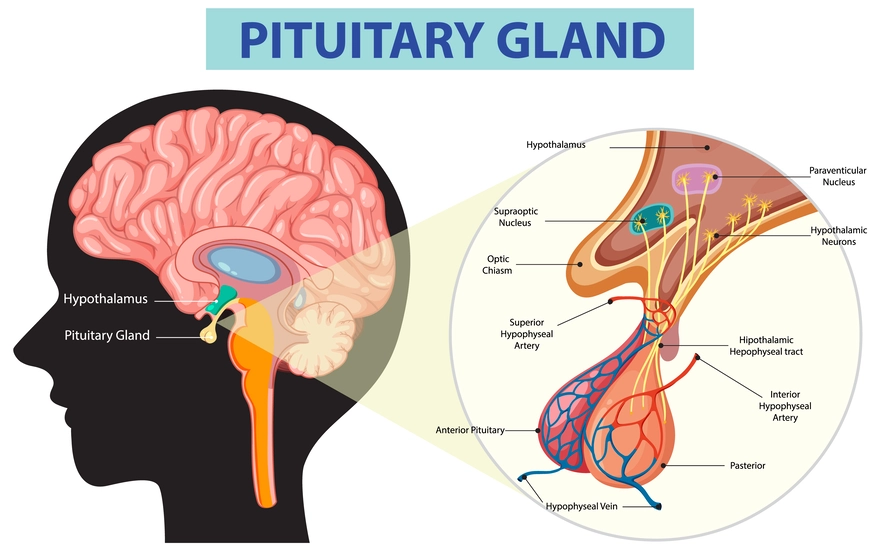
Table of Contents
- What Is the Pituitary Gland?
- Anatomy: Where Is the Pituitary Gland Located?
- Hormones Produced by the Pituitary Gland
- What Is the Function of the Pituitary Gland?
- What Are the Symptoms of Pituitary Gland Problems?
- Role of the Pituitary Gland in Body Functions
- Common Pituitary Disorders
- How Pituitary Disorders Are Diagnosed
- Treatment Options for Pituitary Gland Issues
- When to See a Doctor for the Pituitary Gland?
- Conclusion: Why the Pituitary Gland Is the Body's Command Centre
- FAQs
What Is the Pituitary Gland?
The pituitary gland is a small, pea-sized endocrine gland located at the base of the brain. Despite its tiny size, the pituitary gland plays a crucial role in regulating various bodily functions by producing and releasing essential hormones. Often referred to as "master gland", the pituitary gland controls the activity of several other hormone-producing glands in the body, such as the thyroid, adrenal glands, and reproductive organs.The pituitary gland anatomy is divided into two main lobes: anterior lobe (adenohypophysis) and the posterior lobe (neurohypophysis).
The anterior lobe produces and secretes hormones, while the posterior lobe stores and releases hormones that are actually produced by the hypothalamus. The anterior lobe makes up about 80% of the gland's weight and is responsible for secreting the majority of the pituitary gland hormones.
Anatomy: Where Is the Pituitary Gland Located?
The pituitary gland's location is at the base of the brain, just behind the bridge of the nose and below the hypothalamus. It rests in a small, bony cavity called the sella turcica, which is part of the sphenoid bone. The pituitary gland is connected to the hypothalamus by a thin stalk known as the infundibulum or pituitary stalk. This connection allows the hypothalamus to communicate with and control the pituitary gland's functions.
The hypothalamus sends signals to the pituitary gland, instructing it to release or inhibit the production of specific hormones. The pituitary gland's location is strategically important because it enables direct communication with the hypothalamus, which regulates many vital functions, including body temperature, hunger, thirst, sleep, and emotional responses.
Hormones Produced by the Pituitary Gland
The anterior lobe of the pituitary gland produces several essential hormones, including:
- Growth hormone (GH): Stimulates growth and cell reproduction in children and adolescents and helps maintain healthy body composition in adults.
- Adrenocorticotropic hormone (ACTH): Stimulates the adrenal glands to produce cortisol, a hormone involved in stress response, metabolism, and immune function.
- Thyroid-stimulating hormone (TSH): Stimulates the thyroid gland to produce thyroid hormones, regulating metabolism, energy levels, and body temperature.
- Luteinising hormone (LH) and follicle-stimulating hormone (FSH): Control sexual function and fertility in both men and women. They regulate the production of sex hormones (testosterone and oestrogen) and the development of reproductive cells (sperm and eggs).
- Prolactin: Stimulates breast milk production in women after childbirth.
The posterior lobe of the pituitary gland stores and releases two hormones produced by the hypothalamus:
- Antidiuretic hormone (ADH, or vasopressin): Regulates water balance in the body by controlling urine production in the kidneys.
- Oxytocin: Stimulates uterine contractions during childbirth and milk letdown during breastfeeding. It is also linked to social bonding and emotional regulation.
What Is the Function of the Pituitary Gland?
The primary function of the pituitary gland is to serve as the central controller of the endocrine system, regulating the activity of other hormone-producing glands in the body.
By secreting various hormones, the pituitary gland orchestrates a wide range of physiological processes, including:
- Growth and development: The pituitary gland secretes growth hormone, which is essential for normal growth and development in children and adolescents. In adults, growth hormone helps maintain healthy body composition, muscle mass, and bone density.
- Metabolism and energy balance: The pituitary gland regulates metabolism and energy balance through the thyroid gland. By secreting TSH, the pituitary gland stimulates the thyroid to produce thyroid hormones, which influence metabolic rate, body temperature, and energy expenditure.
- Stress response: The pituitary gland plays a crucial role in the body's stress response by secreting ACTH, which stimulates the adrenal glands to produce cortisol. Cortisol helps the body cope with stress by increasing blood sugar levels, suppressing the immune system, and altering metabolism.
- Reproduction and sexual function: To regulate reproductive function and sexual development, the pituitary gland secretes LH and FSH hormones. These hormones control the production of sex hormones, testosterone in males and oestrogen in females, and the development of reproductive cells (sperm and eggs).
- Fluid and electrolyte balance: The pituitary gland helps maintain fluid and electrolyte balance in the body, secreting ADH (vasopressin). ADH regulates water reabsorption in the kidneys, controlling urine production and concentration.
- Lactation and maternal behaviour: Post-pregnancy, the pituitary gland secretes prolactin, which stimulates milk production in women. Oxytocin, another hormone released by the pituitary gland, promotes milk letdown during breastfeeding and plays a role in maternal bonding and nurturing behaviour.
What Are the Symptoms of Pituitary Gland Problems?
Pituitary gland disorders can cause a wide range of symptoms, depending on which hormones are affected and whether there is an excess or deficiency of those hormones.
Some common symptoms of pituitary gland problems include:
- Vision changes: Pituitary tumours can press on the optic nerves, causing vision problems such as blurred or double vision, loss of peripheral vision, or, in severe cases, blindness.
- Headaches: Pituitary tumours or enlargement of the gland can cause headaches, particularly those that are persistent or severe.
- Unexplained weight changes: Disorders affecting growth hormone or thyroid-stimulating hormone can lead to unexplained weight gain or loss.
- Fatigue and weakness: Hormonal imbalances caused by pituitary gland disorders can result in chronic fatigue, weakness, or low energy levels.
- Growth abnormalities: In children, pituitary disorders can cause abnormal growth patterns, such as growing too slowly (growth hormone deficiency) or too quickly (gigantism).
- Menstrual irregularities and sexual dysfunction: Pituitary disorders affecting LH and FSH can cause changes in menstrual cycles, infertility, or sexual dysfunction in both men and women.
- Excessive thirst and urination: Disorders affecting ADH secretion can lead to diabetes insipidus, characterised by excessive thirst and frequent urination.
- Mood changes: Hormonal imbalances can cause mood changes, such as irritability, anxiety, or depression.
- Enlarged hands, feet, or facial features: Excess growth hormone in adults can lead to a condition called acromegaly, marked by the gradual enlargement of hands, feet, and facial features.
- Galactorrhoea: Some pituitary disorders, particularly those involving excess prolactin, can cause milk production in women who are not pregnant or breastfeeding.
Role of the Pituitary Gland in Body Functions
The pituitary gland plays a vital role in maintaining homeostasis and regulating various body functions through its interaction with other endocrine glands.
Some of the key roles of the pituitary gland include:
- Regulating growth and development: The pituitary gland secretes growth hormone, which is essential for healthy body composition, muscle mass and bone density, leading to normal growth and development.
- Controlling metabolism and energy balance: The TSH secreted by the pituitary gland stimulates the thyroid gland to produce thyroid hormones, which influence metabolic rate, body temperature, and energy expenditure.
- Managing stress response: The pituitary gland is involved in the body's stress response through its secretion of ACTH, which stimulates the adrenal glands to produce cortisol as the body's coping mechanism.
- Governing reproductive function: Releases LH and FSH that control sperm production, ovulation, and reproductive hormones in males and females.
- Regulating water and electrolyte balance: The pituitary gland helps maintain water and electrolyte balance in the body by secreting ADH (antidiuretic hormone). It helps regulate kidney functions and controls urine production and concentration.
- Supporting pregnancy, childbirth, and lactation: Secretes prolactin that stimulates milk production in women after childbirth, while oxytocin promotes uterine contractions during labour and milk letdown during breastfeeding.
Common Pituitary Disorders
Several pituitary gland disorders can disrupt the delicate balance of hormones in the body.
Some common conditions include:
- Hypopituitarism: This occurs when the pituitary gland underproduces one or more hormones, affecting the function of other endocrine glands. Symptoms may include fatigue, muscle weakness, and mood changes.
- Growth Hormone Deficiency: In children, a lack of growth hormone can lead to stunted growth. Adults with this condition may experience fatigue, decreased muscle mass, weight gain, and bone density issues.
- Acromegaly and Gigantism: These disorders result from an excess of growth hormone. Gigantism occurs in children, causing abnormal height, while acromegaly affects adults, leading to enlarged hands, feet, and facial features.
- Cushing's Syndrome: Overproduction of cortisol, often due to pituitary tumours, can cause weight gain, skin changes, and other symptoms.
- Pituitary Tumours: Both benign and malignant tumours can develop in the pituitary gland, causing hormonal imbalances, vision problems, and headaches due to pressure on nearby structures.
How Pituitary Disorders Are Diagnosed
If you suspect a pituitary gland issue, your doctor will likely recommend the following tests:
- Blood and urine tests: These measure hormone levels to identify deficiencies or excesses.
- Imaging studies: MRI or CT scans can detect abnormalities or tumours in the pituitary gland.
- Vision tests: Because pituitary tumours can compress the optic nerves, an eye exam may be necessary to check for vision changes.
- Stimulation or suppression tests: These specialised procedures assess the pituitary gland's ability to produce hormones in response to certain stimuli.
Treatment Options for Pituitary Gland Issues
The treatment for pituitary gland problems depends on the specific condition and its severity.
Common approaches include:
- Medications: Hormone replacement therapy can help correct deficiencies, while certain drugs may be used to block excess hormone production.
- Surgery: Often the first-line treatment for pituitary tumours, surgical removal is typically performed using minimally invasive techniques.
- Radiation therapy: When surgery isn't possible or fully effective, radiation may be used to shrink or destroy pituitary tumours.
- Regular monitoring: Follow-up blood tests and imaging are essential to track the treatment's effectiveness and make necessary adjustments.
When to See a Doctor for the Pituitary Gland?
It's important to be aware of the signs and symptoms that may indicate a problem with your pituitary gland.
Seek medical attention if you experience:
- Persistent headaches
- Vision changes, such as double vision or blurred vision
- Unexplained fatigue, muscle weakness, or mood changes
- Abnormal growth in children or changes in body shape in adults
- Signs of hormonal imbalance, like menstrual irregularities, sexual dysfunction, unexplained weight changes, or abnormal milk production
Conclusion: Why the Pituitary Gland Is the Body's Command Centre
The pituitary gland may be small, but its impact on your health is immense. Regular check-ups, a balanced lifestyle, and prompt medical attention when needed can help keep your pituitary gland functioning optimally.
At Metropolis Healthcare, we understand the crucial role of accurate diagnosis in managing pituitary gland issues. With a team of skilled phlebotomists who can collect blood samples from the comfort of your home, we strive to make the process convenient and hassle-free.
FAQs
How do we keep our pituitary gland healthy?
To support your pituitary gland's health, maintain a balanced diet, engage in regular physical activity, and prioritise quality sleep. Protecting your head from injuries is also important, as trauma can impact pituitary gland function.
How do you tell if you have a pituitary gland problem?
Watch for symptoms like unexplained fatigue, abnormal growth patterns, vision problems, menstrual changes, infertility, or mood disturbances.
How to improve pituitary gland function?
If you have a diagnosed pituitary gland disorder, take prescribed medications to balance hormone levels, manage any underlying conditions, and adopt a healthy lifestyle to support your overall well-being.
Can pituitary gland disorders affect fertility?
Yes, pituitary gland disorders that disrupt the production of reproductive hormones like FSH, LH, and prolactin can lead to fertility issues in both men and women.
Is a pituitary tumour always cancerous?
No, the majority of pituitary tumours are benign (non-cancerous) growths called adenomas. However, even benign tumours can occur and cause significant health problems by interfering with hormone production or pressing on nearby structures.