Home Visit
 Upload






Preventive Healthcare
A Complete Guide to Neuroendocrine Tumours: What You Need to Know
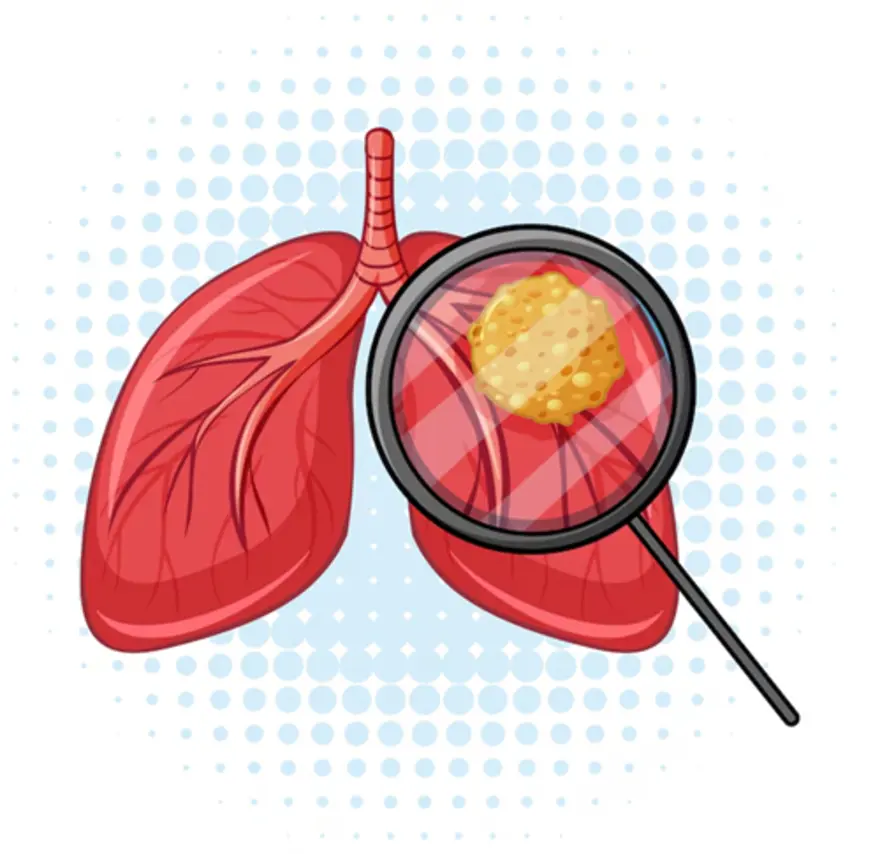
Table of Contents
- What is a Neuroendocrine Tumour (NET)?
- Types of Neuroendocrine Tumours
- Stages and Grades of Neuroendocrine Tumours
- Symptoms of Neuroendocrine Tumours
- What Causes Neuroendocrine Tumours?
- Risk Factors
- Complications of a Neuroendocrine Tumour
- Diagnosis
- Treatment
- Coping and Support
- Prevention
- Conclusion
- FAQs
Have you recently come across the term neuroendocrine tumour and felt unsure about what it really means? It is completely natural to have questions and concerns. This guide is here to help you make sense of it all in a clear and gentle way. You will learn what neuroendocrine tumours are, how they behave, and what steps might come next.
Understanding your situation can provide a sense of direction. With the right knowledge, you can feel more confident about what lies ahead.
What is a Neuroendocrine Tumour (NET)?
A neuroendocrine tumour (NET) is a rare type of tumour that forms in the neuroendocrine system, which includes cells that release hormones into the blood. These cells are found throughout your body, especially in the lungs, pancreas, and digestive system. NETs can grow slowly or more aggressively, depending on the type.
Some NETs produce excess hormones, leading to specific clinical syndromes, while others are non-functioning and may not cause symptoms until they are large or have spread. Knowing what a NET is can help you feel more prepared and informed as you take your next steps.
Types of Neuroendocrine Tumours
Neuroendocrine tumours can appear in different parts of your body, and their behaviour can vary based on where they begin. Here are some of the most common types:
- Pancreatic Neuroendocrine Tumours (pNETs)
These develop in the pancreas and may produce hormones such as insulin or glucagon. Some pNETs don’t release hormones and are called non-functional. - Gastrointestinal NETs (GI NETs)
Found in areas like the stomach, small intestine, rectum, or appendix. They may cause hormone-related symptoms or grow silently over time. - Lung NETs
These can be typical or atypical carcinoid tumours. They may cause symptoms such as coughing or wheezing and can sometimes produce hormones. - Adrenal Gland NETs (e.g., Phaeochromocytoma)
These grow in the adrenal glands and often release adrenaline-like hormones, which may affect blood pressure and heart rate. - Medullary Thyroid Carcinoma
A rare NET that starts in the thyroid and is often linked to inherited conditions.
Each type behaves differently, and the way it grows or spreads can vary. Knowing the specific type of NET helps guide the approach to care and treatment.
Stages and Grades of Neuroendocrine Tumours
Understanding the stage and grade of your neuroendocrine tumour can help you and your healthcare team decide on the best way forward.
Staging: Describes how far the tumour has spread
- Stage 1: The tumour is small and localized. It hasn’t spread to nearby tissues or lymph nodes.
- Stage 2: The tumour is slightly larger and may have reached nearby tissues.
- Stage 3: The tumour has spread to nearby lymph nodes but not distant parts of the body.
- Stage 4: The tumour has spread (metastasised) to distant organs, most often the liver, bones, or lungs.
Grading: Describes how the tumour cells look and behave
- Grade 1 (Low-grade or well-differentiated): These cells grow slowly and appear similar to normal cells.
- Grade 2 (Intermediate-grade): These cells grow a bit faster and appear slightly abnormal.
- Grade 3 (High-grade or poorly differentiated): These may be well-differentiated high-grade NETs or poorly differentiated neuroendocrine carcinomas (NECs), both of which grow quickly
The stage and grade give valuable insight into how aggressive the tumour may be and what kinds of neuroendocrine tumour treatments may be most effective for you.
Symptoms of Neuroendocrine Tumours
Neuroendocrine tumour symptoms can vary widely depending on the location of the tumour and whether it produces hormones.
Here are some common symptoms:
- Digestive issues: Bloating, diarrhoea, stomach pain, or changes in bowel habits.
- Skin changes: Flushing or redness, especially on the face or neck.
- Hormonal effects: Unexplained weight loss or gain, high blood pressure, or blood sugar issues.
- Breathing problems: Coughing, wheezing, or chest pain (common in lung NETs).
- Fatigue: Ongoing tiredness not relieved by rest.
- Palpitations: Irregular or fast heartbeat.
- Frequent infections or unexplained fever.
- Changes in blood sugar: Such as sweating, dizziness, or fainting.
Because neuroendocrine tumour symptoms can mimic many other conditions, diagnosis might take time. If you notice ongoing changes in your body or health, it's important to seek medical advice.
What Causes Neuroendocrine Tumours?
The exact cause of neuroendocrine tumours is not always clear, but several factors may influence their development.
Here are some known causes and contributing factors:
- Genetic conditions: Some inherited syndromes, like Multiple Endocrine Neoplasia (MEN), can increase your risk.
- Changes in DNA: Mutations in certain genes can lead to abnormal cell growth and tumour formation.
- Hormonal imbalances: Excessive or irregular hormone levels may contribute to NET development, though the exact relationship remains unclear.
- Age: NETs are more common in adults over the age of 40.
- Environmental exposure: Long-term exposure to certain chemicals may increase risk, though evidence is limited.
- Chronic inflammation: Conditions causing long-term inflammation, particularly in the digestive tract, may raise the risk.
- Impaired immune response: A weakened immune system may be less able to detect and destroy abnormal cells early.
While not all causes are preventable, understanding the potential factors can help with early detection and tailored care.
Risk Factors
A risk factor increases your chances of developing a neuroendocrine tumour, but it does not guarantee you will get one.
Here are some key risk factors:
- Family history: If a close relative has had a NET or a related genetic condition, your risk may be higher.
- Genetic syndromes: Conditions like MEN1, MEN2, Von Hippel–Lindau disease, and neurofibromatosis type 1 are linked to NETs.
- Ageing: The risk tends to increase with age, particularly after 40.
- Gender: Some types are slightly more common in women or men, depending on the tumour location.
- Smoking: Linked to lung NETs and can increase overall cancer risk.
- Diet and lifestyle: Poor diet and lack of exercise may indirectly influence tumour growth or overall health.
- Chronic diseases: Long-term issues such as gastritis or ulcers can increase risk, especially in the stomach.
- Previous cancers or treatments: Past exposure to radiation or certain medications may raise the likelihood.
Even with these risk factors, many people with NETs have no clear reason for developing them.
Complications of a Neuroendocrine Tumour
While some NETs grow slowly, they can still cause complications, especially if they spread or release hormones.
Possible complications include:
- Hormone overproduction: May lead to issues like high blood pressure, diarrhea, or blood sugar imbalances.
- Carcinoid syndrome: Caused by excess serotonin and other vasoactive substances, typically in metastatic midgut NETs; symptoms include flushing, diarrhoea, and wheezing
- Heart problems: In some cases, hormone-related changes can affect your heart valves.
- Liver damage: If the tumour spreads to the liver, it may interfere with liver function.
- Nutritional deficiencies: Digestive NETs may affect how your body absorbs nutrients.
- Blockages or bleeding: Tumours in the digestive tract can cause pain, obstruction, or bleeding.
- Emotional distress: The uncertainty and symptoms can affect your mental and emotional well-being.
Early diagnosis and the right neuroendocrine tumour treatments can help reduce the chance of these complications.
Diagnosis
Diagnosing a neuroendocrine tumour can be complex, as the signs are often subtle. A step-by-step process usually helps doctors reach a clear conclusion.
Key diagnostic steps:
- Medical history and physical exam: Your symptoms, lifestyle, and family history help guide testing.
- Blood and urine tests: These check for hormone levels or specific tumour markers like chromogranin A.
- Imaging tests: Scans such as CT, MRI, or PET can help locate the tumour and check for spread.
- Endoscopy or colonoscopy: Used if the tumour is suspected in the stomach or bowel.
- Biopsy: A small sample of the tumour is examined under a microscope to confirm the diagnosis.
- Nuclear medicine scans (e.g., octreotide scan): These can highlight NETs using special radioactive tracers.
- Genetic testing: If an inherited syndrome is suspected, testing may be done to look for gene changes.
The diagnosis process may feel overwhelming, but each test brings you closer to finding answers and getting the right support.
Treatment
Your treatment plan depends on the tumour’s type, location, stage, and whether it produces hormones. The aim is to control growth, ease symptoms, and improve quality of life.
Here are the main neuroendocrine tumour treatments:
- Surgery: Often used to remove the tumour if it hasn’t spread widely.
- Radiotherapy: Uses targeted radiation to shrink or slow the tumour.
- Chemotherapy: May be used for faster-growing or advanced tumours.
- Targeted therapy: Focuses on specific tumour changes to block growth.
- Hormone therapy: Helps manage hormone-related symptoms or reduce tumour size.
- Peptide receptor radionuclide therapy (PRRT): A targeted treatment that delivers radiation directly to tumour cells.
- Ablation or embolisation: These techniques treat tumours in the liver using heat or by cutting off blood supply.
- Supportive care: Manages side effects and symptoms such as pain or digestive issues.
Each person’s journey is different. Your healthcare team will discuss options to find the right combination of neuroendocrine tumour treatments for your needs.
Coping and Support
Receiving a diagnosis can bring a mix of emotions. It’s okay to feel uncertain, but there are many ways to manage your feelings and stay supported.
Here are a few helpful approaches:
- Talk openly: Share your thoughts with loved ones or a counsellor.
- Stay informed: Learning more about your condition can make decisions feel easier.
- Join a support group: Hearing from others who understand can ease emotional strain.
- Look after your well-being: Rest, gentle activity, and eating well can help you feel stronger.
- Take it step by step: Focus on what’s needed now rather than everything at once.
You don’t have to manage everything all at once—focus on each small step forward.
Prevention
While not all NETs can be prevented, you can take steps to support your health and reduce risks where possible.
Helpful prevention tips include:
- Know your family history: If genetic conditions run in your family, talk to your doctor about screening.
- Attend regular check-ups: Routine health checks can catch changes early.
- Don’t smoke: Quitting smoking lowers your risk for several types of NETs and other cancers.
- Stay active: Physical activity supports immune function and overall well-being.
- Eat a balanced diet: A diet rich in fruit, vegetables, and whole grains supports long-term health.
- Manage chronic conditions: Keep conditions like diabetes or gastritis under control with your doctor’s help.
Even though you may not be able to prevent every condition, small steps can make a big difference in your overall health.
Conclusion
Living with or caring for someone with a neuroendocrine tumour can raise many questions. But understanding the condition, its symptoms, causes, and treatment options helps you feel more prepared. Early and accurate diagnosis is key to better outcomes, and trusted support makes all the difference.
That’s where choosing the right healthcare partner matters. Metropolis Healthcare is known for its advanced diagnostic services, reliable reports, and commitment to quality. With their expertise and nationwide presence, you can take confident steps forward in your care journey—starting with clarity and the right diagnosis.
FAQs
How serious are neuroendocrine tumours?
Neuroendocrine tumours vary in seriousness. Some grow slowly and are manageable, while others may be more aggressive. Early diagnosis and proper treatment help improve outcomes and quality of life, even for more advanced cases.
Is neuroendocrine cancer curable?
Some neuroendocrine cancers are curable, especially if found early and removed surgically. Others may not be completely curable but can often be controlled with treatment, allowing people to live well for many years.
Can you live a long life with neuroendocrine cancer?
Yes, many people live long, fulfilling lives with neuroendocrine cancer, especially when it's diagnosed early and well-managed. Even with advanced stages, effective treatments can control the condition for extended periods.
What is the best treatment for neuroendocrine tumours?
The best treatment depends on the tumour’s type, location, and stage. Options include surgery, hormone therapy, targeted therapy, and more. Your doctor will recommend a personalised plan based on your specific condition.
How to avoid neuroendocrine tumours?
Neuroendocrine tumours can't always be prevented, but a healthy lifestyle, avoiding smoking, regular check-ups, and managing chronic conditions may help lower your risk. Knowing your family history can also support early detection.
How to detect neuroendocrine tumours?
Detection often involves blood and urine tests, imaging scans, and sometimes a biopsy. Symptoms can be vague, so if you notice ongoing changes in your health, speak with your doctor for evaluation.
How fast can a neuroendocrine tumour grow?
Growth speed varies. Some neuroendocrine tumours grow very slowly over years, while others are more aggressive and spread quickly. The tumour’s grade and type help determine how fast it may progress.
What to eat with neuroendocrine cancer?
Eat balanced, small meals with lean protein, fruits, and vegetables. Avoid high-sugar, high-fat, or spicy foods if they worsen symptoms. A dietitian can help tailor your diet based on your treatment and needs.