Home Visit
 Upload






Preventive Healthcare
Cerebral Atrophy: Causes, Symptoms, Diagnosis and Treatment Options
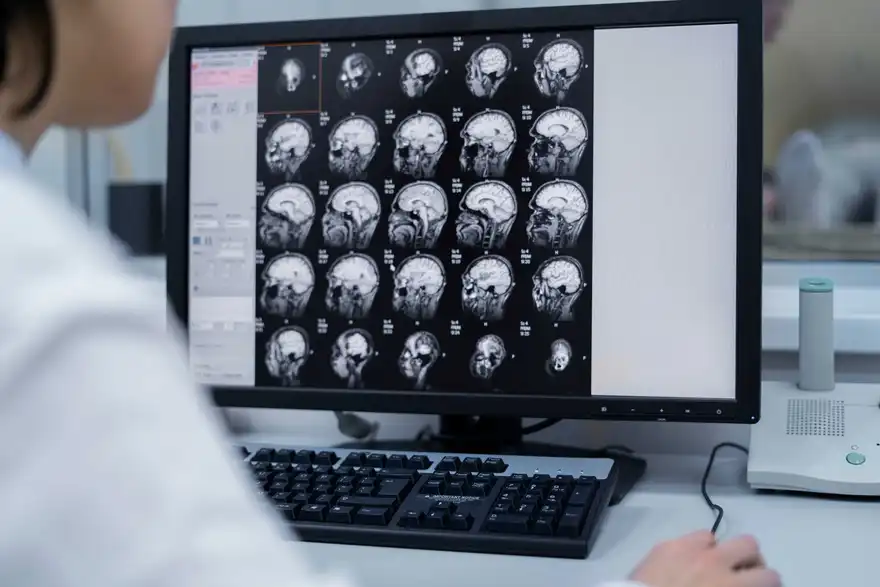
Table of Contents
What Is Cerebral Atrophy?
Cerebral atrophy refers to the progressive loss of brain cells (neurons) and connections between them (synapses), leading to a reduction in brain tissue volume. This shrinkage can affect specific regions or the entire brain. While some degree of atrophy is a normal part of ageing, it can also result from various medical conditions or injuries that damage brain tissue. The process is often gradual, but in certain cases, it may progress rapidly.
Imaging techniques such as MRI and CT scans are commonly used to detect and monitor cerebral atrophy, revealing visible changes in brain structure that indicate tissue loss.
What Causes Cerebral Atrophy?
Several factors can contribute to the development of cerebral atrophy, including:
- Neurodegenerative diseases: Conditions like Alzheimer's disease, Huntington's disease, and certain atypical Parkinsonian disorders (e.g., multiple system atrophy) cause progressive damage and death of brain cells over time
- Stroke: A disruption in blood supply to parts of the brain can lead to oxygen deprivation, tissue death, and subsequent atrophy.
- Traumatic brain injury: Physical trauma to the head can result in direct damage to brain cells and initiate degenerative changes that lead to atrophy.
- Infections: Inflammatory conditions such as encephalitis, meningitis, or HIV-associated neurocognitive disorders can damage brain tissue and contribute to shrinkage.
- Multiple sclerosis: This autoimmune disorder leads to the destruction of the protective covering of nerve fibres (myelin), causing neuron loss and brain tissue reduction.
- Nutritional deficiencies: A lack of essential nutrients, particularly vitamin B12, can impair brain function and lead to the loss of brain volume over time.
- Alcohol abuse: Chronic excessive alcohol consumption can be toxic to brain cells and accelerate the process of cerebral atrophy.
Understanding the underlying cause is essential for managing cerebral atrophy and slowing its progression.
Symptoms of Cerebral Atrophy
The symptoms of cerebral atrophy can vary depending on the extent and location of brain tissue loss. Common cerebral atrophy symptoms include:
- Memory problems and forgetfulness
- Difficulty with reasoning, problem-solving, and decision-making
- Changes in mood, behaviour, or personality
- Impaired speech or language comprehension
- Loss of coordination or balance
- Muscle weakness or tremors
- Seizures, in some cases
In some advanced cases, individuals may experience seizures, hallucinations, or episodes of impaired consciousness, depending on the affected brain areas.
Types of Cerebral Atrophy
Cerebral atrophy can be classified into two main types:
- Generalised atrophy: This type involves widespread shrinkage affecting the entire brain. It is often associated with normal ageing or neurodegenerative diseases like Alzheimer's. Symptoms may include global cognitive decline, memory loss, and difficulties with communication and orientation.
- Focal atrophy: Also known as localised atrophy, this type is confined to specific regions of the brain. Focal atrophy can result from strokes, traumatic injuries, or conditions like multiple sclerosis. Symptoms depend on the affected brain area and may include specific cognitive deficits, sensory issues, or motor problems.
Additionally, cerebellar atrophy specifically refers to the shrinkage of the cerebellum, the brain region responsible for balance and coordination. This type of cerebral atrophy can be hereditary or acquired through toxins or diseases, leading to impaired motor function and balance difficulties.
How Is Cerebral Atrophy Diagnosed?
Diagnosing cerebral atrophy involves a comprehensive evaluation, including:
- Medical history and neurological examination: Your doctor will review your medical background and assess cerebral atrophy symptoms, cognitive function, reflexes, coordination, and other neurological signs to identify changes in brain activity.
- Cognitive testing: Specialised neuropsychological tests are used to measure various aspects of brain function, including memory, attention span, language abilities, reasoning, and problem-solving skills.
- Blood tests: Laboratory tests can help detect underlying cerebral atrophy causes such as vitamin deficiencies, thyroid disorders, infections, or autoimmune conditions that may contribute to brain tissue loss.
- Imaging studies: Brain imaging techniques like magnetic resonance imaging (MRI) or computed tomography (CT) scans are crucial for visualising brain structure and identifying areas of shrinkage or damage.
- Electroencephalography (EEG): This test records electrical activity in the brain and can detect abnormal patterns that may be associated with cerebral atrophy or other neurological disorders.
Your doctor will interpret these findings for cerebral atrophy diagnosis, determine its severity, and explore possible underlying causes.
Imaging Tests
Brain imaging plays a crucial role in diagnosing cerebral atrophy and monitoring its progression over time. The two most common imaging techniques used are:
- Magnetic Resonance Imaging (MRI): MRI uses powerful magnets and radio waves to create detailed images of the brain's soft tissues. It can reveal patterns of atrophy, help differentiate between types of dementia, and detect other abnormalities like tumours or stroke damage.
- Computed Tomography (CT) Scan: CT scans use X-rays to generate cross-sectional images of the brain. While less detailed than MRI, CT is often used in emergency situations or when MRI is not available. It can show brain volume loss and rule out other causes of neurological symptoms.
For neurodegenerative diseases, a positron emission tomography (PET) scan can provide insights into brain metabolism and activity patterns.
How Is Cerebral Atrophy Treated?
While there is no cure for cerebral atrophy, treatment focuses on managing symptoms, slowing disease progression, and improving quality of life. The specific approach depends on the underlying cause and may include:
- Medications to address specific cerebral atrophy symptoms or underlying conditions (e.g., cholinesterase inhibitors for Alzheimer's disease)
- Physical therapy to maintain strength, balance, and mobility
- Occupational therapy to adapt daily activities and maintain independence
- Speech and language therapy to address communication difficulties
- Cognitive rehabilitation to enhance memory, attention, and problem-solving skills
- Lifestyle modifications, such as a healthy diet, regular exercise, and mental stimulation, to promote brain health
Your healthcare team will develop a personalised treatment plan based on the specific type and cause of your cerebral atrophy, as well as your individual needs and goals.
Preventive Measures and Lifestyle Changes
While not all cerebral atrophy causes are preventable, a brain-healthy lifestyle may slow age-related shrinkage and lower the risk of some neurodegenerative diseases. Consider these preventive measures:
- Engage in regular physical exercise to improve blood flow to the brain and promote overall health.
- Follow a balanced diet rich in fruits, vegetables, whole grains, lean proteins, and healthy fats.
- Stay mentally active by learning new skills, reading, solving puzzles, or engaging in stimulating hobbies.
- Maintain social connections and participate in activities that foster a sense of purpose and belonging.
- Manage cardiovascular risk factors, such as high blood pressure, diabetes, and high cholesterol.
- Avoid excessive alcohol consumption and smoking, which can accelerate brain ageing and increase the risk of dementia.
Incorporating these healthy habits into your daily routine can support brain function and resilience, even in the face of age-related changes or neurological conditions.
Conclusion: Living with Cerebral Atrophy
Receiving a diagnosis of cerebral atrophy can be challenging, but it's important to remember that many people with this condition can maintain a good quality of life with proper management and support. By working closely with your healthcare team, adopting brain-healthy lifestyle habits, and accessing resources like support groups and educational materials, you can navigate the journey with greater confidence and resilience.
At Metropolis Healthcare, we understand the importance of accurate and timely diagnosis in managing conditions like cerebral atrophy. Our state-of-the-art diagnostic labs across India offer comprehensive pathology testing services, including blood tests that can help identify underlying causes of brain tissue loss. With our convenient at-home sample collection and online report delivery, you can easily access the information you need to make informed decisions about your health.
FAQs
Can you recover from cerebellar atrophy?
While complete recovery from cerebellar atrophy is not currently possible, but early diagnosis, proper treatment, and symptom management can help maintain function and quality of life.
At what age does cerebral atrophy start?
Some degree of brain shrinkage is a normal part of ageing, with subtle changes often detectable from mid-adulthood, but more pronounced after age 60. However, accelerated or severe atrophy at any age can be a sign of an underlying neurological condition.
Is cerebellar atrophy serious?
Cerebellar atrophy can have a significant impact on balance, coordination, and fine motor skills. While the severity of symptoms varies, timely medical care and support can help individuals manage the condition effectively.
Is it possible to reverse brain atrophy?
In most cases, brain atrophy cannot be reversed. However, treating underlying cerebral atrophy causes, adopting brain-healthy lifestyle habits, and engaging in rehabilitation therapies can help slow the progression of tissue loss and maintain cognitive function.
Does brain atrophy show on MRI?
Yes, an MRI is a highly sensitive imaging test that can detect both generalised and focal brain atrophy. It provides detailed images of the brain's structure, allowing doctors to identify specific areas of tissue loss and monitor progression over time.
Is brain atrophy a normal part of ageing?
While some degree of brain shrinkage is a normal part of the ageing process, accelerated or severe atrophy may indicate an underlying neurological condition. Regular check-ups and monitoring can help distinguish between age-related changes and pathological atrophy.
Can cerebral atrophy be cured?
Currently, there is no cure for cerebral atrophy. However, cerebral atrophy treatment options focus on managing symptoms, slowing progression, and improving quality of life through medications, rehabilitation therapies, and lifestyle modifications.
What is the difference between focal and generalised cerebral atrophy?
Focal atrophy affects specific regions of the brain and may result from localised injuries or diseases. Generalised atrophy involves widespread shrinkage of brain tissue and is often associated with normal ageing or neurodegenerative conditions.
Is cerebral atrophy the same as dementia?
While cerebral atrophy can occur as a result of dementia, it is not synonymous with it.. Dementia is a syndrome of cognitive decline, whereas cerebral atrophy refers specifically to the loss of brain tissue.
Can young people have cerebral atrophy?
Although cerebral atrophy is more common in older adults, it can affect individuals of any age. In younger people, brain tissue loss may result from traumatic injuries, infections, or genetic disorders, emphasising the importance of prompt medical attention for neurological concerns.