Home Visit
 Upload






Preventive Healthcare
10 Nettle Tea Benefits: Anti-Inflammatory, Detox, and Allergy Relief
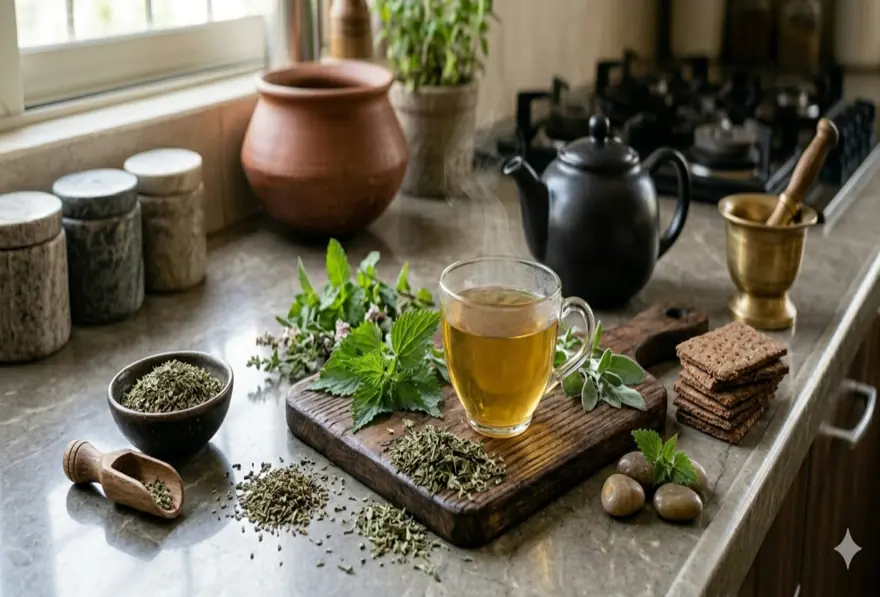
Table of Contents
- What Is Nettle Tea?
- Nutritional Profile Of Nettle Tea
- 10 Nettle Tea Benefits
- How Nettle Tea May Help With Inflammation
- Does Nettle Tea Detox Your Body?
- Nettle Tea Benefits For Allergy Relief
- Nettle Tea And Hormonal Balance
- How Nettle Tea Can Support Heart Health
- Boosting Immune Function With Nettle Tea
- Nettle Tea For Skin Health
- Digestive Health: Nettle Tea’s Role
- Is Nettle Tea Safe For Everyone?
- Who Should Be Careful With Nettle Tea?
- How To Make Nettle Tea
- Nettle Tea Dosage: How Much Should You Drink?
- Conclusion
- FAQs
- References
Nettle tea is a herbal drink made from the leaves of the stinging nettle plant. While the fresh plant can sting your skin, drying or boiling the leaves removes that effect and makes them safe to use in tea. Nettle tea has been used in traditional herbal practice for a long time, and it is now gaining attention for its nutrient content and possible wellness benefits.
If you are looking into nettle tea benefits, it is important to keep expectations realistic. Nettle tea can be a useful part of a healthy lifestyle, but it is not a cure for chronic illness. Some benefits are backed better than others, and a few claims still need more human research.
What Is Nettle Tea?
Nettle tea is made from Urtica dioica, also called stinging nettle. It is a leafy plant that grows in many parts of Europe, Asia, and North America. Once the leaves are dried or boiled, the sting is neutralised.
The tea has an earthy, slightly grassy taste. Some people find it similar to spinach or other green herbal teas. You can make it with dried leaves, tea bags, or carefully prepared fresh leaves.
It is also helpful to know that nettle leaf and nettle root are not the same. Nettle leaf is more commonly used for tea and general herbal use, while nettle root has been studied more for prostate-related concerns.
Nutritional Profile Of Nettle Tea
Stinging nettle is known for its rich nutritional profile. The plant contains vitamins such as A, C, and K, along with minerals like calcium, iron, magnesium, and potassium. It also contains plant compounds such as polyphenols and flavonoids.
That said, a cup of nettle tea will not provide the same amount of nutrients as eating a full serving of nettle leaves. Tea is still a lighter source, but it can be a useful caffeine-free herbal drink that adds variety to your routine.
10 Nettle Tea Benefits
- Rich In Antioxidants
Nettle contains antioxidant compounds that help protect your cells from oxidative stress. This is one reason it is often discussed as a supportive herb for general wellness. - May Help Support The Body’s Inflammatory Response
Nettle is often used for its anti-inflammatory potential. This is one of the most talked-about benefits of drinking nettle tea, especially among people who want more plant-based support for everyday wellness. - May Offer Some Allergy Relief
Nettle has long been used in herbal practice for seasonal allergies. Some early human research suggests it may help reduce symptoms such as sneezing and nasal irritation in some people. - May Support Joint Comfort
Because nettle is linked with anti-inflammatory activity, it is also sometimes used by people who want support for joint comfort. It should not replace treatment, but it may fit into a wider wellness approach. - May Support Urinary Health
Nettle is sometimes used for urinary support because of its mild diuretic effect. This may help support normal fluid balance and urinary flow. - May Support Prostate Health In Men
This benefit is more strongly linked to nettle root than nettle tea itself. Still, nettle is often discussed in relation to urinary symptoms linked with an enlarged prostate. Tea should not be seen as a replacement for a proper medical evaluation. - May Help With Fluid Balance
People often describe nettle tea as a “detox” tea, but that word can be misleading. Your body already has built-in detox systems. What nettle tea may do is support hydration and mild fluid balance as part of your normal routine. - May Support Healthy Blood Sugar Levels
Some studies on nettle preparations suggest possible support for blood sugar control. This is promising, but the evidence is not strong enough to treat nettle tea like a diabetes remedy. - May Support Healthy Blood Pressure
Nettle has also been studied for possible effects on blood pressure. This area still needs more research, so it is best to see this as a potential supportive benefit rather than a proven treatment. - A Naturally Caffeine-Free Herbal Drink
If you want a warm drink without caffeine, nettle tea can be a practical option. It gives you a herbal alternative to regular tea or coffee and may suit people who want a gentler daily beverage.
How Nettle Tea May Help With Inflammation
Inflammation is part of your body’s natural response to stress, illness, and injury. But ongoing inflammation can become a problem over time. Nettle contains compounds that are being studied for their anti-inflammatory effects.
This is why nettle tea is often linked with support for joint comfort and seasonal irritation. Still, most of the stronger claims come from lab studies, animal research, or studies on other forms of nettle rather than tea alone. So it is better to describe nettle tea as a supportive drink, not a treatment.
Does Nettle Tea Detox Your Body?
Many people search for benefits of drinking nettle tea because they want a natural detox drink. But “detox” is not a precise medical term.
Nettle tea does not flush out toxins in a magical way. What it may do is support hydration and act as a mild diuretic, which can help with normal fluid movement in the body. That is a much more accurate and useful way to understand this benefit.
Nettle Tea Benefits For Allergy Relief
Nettle is sometimes described as a natural antihistamine. Some small studies suggest it may help with seasonal allergy symptoms such as sneezing, itching, and a runny nose.
However, the evidence is mixed. Some people may feel it helps, while others may not notice much difference. If your allergies are severe, persistent, or affecting your breathing, it is best to speak to a doctor rather than rely only on herbal tea.
Nettle Tea And Hormonal Balance
You may come across content about nettle tea benefits for hormones, but this topic needs careful handling. There is not enough strong evidence to say that nettle tea balances hormones in a broad or reliable way.
The better-known hormonal link is indirect. Nettle, especially the root, is sometimes discussed in relation to men’s prostate health and urinary symptoms. But that is not the same as saying nettle tea supports hormonal balance for everyone. It is best to avoid overclaiming here.
How Nettle Tea Can Support Heart Health
Nettle tea may support heart health in a general sense if it helps you cut down on sugary drinks and if it fits into a healthy lifestyle. There is also some research interest in nettle’s possible role in blood pressure support.
Still, you should not use nettle tea instead of proper treatment for hypertension, high cholesterol, or heart disease. Think of it as one small part of a broader healthy routine.
Boosting Immune Function With Nettle Tea
Nettle is rich in plant compounds and contains nutrients that help support normal body function. That is why it is often included in conversations about immune support.
But it is more accurate to say nettle tea supports overall wellness rather than “boosts” immunity in a dramatic way. Good sleep, balanced nutrition, exercise, and stress management still matter much more.
Nettle Tea For Skin Health
Because nettle contains antioxidants and is linked with anti-inflammatory properties, some people use it as part of a skin-friendly routine. It is also sometimes discussed in relation to seasonal skin irritation.
Even so, nettle tea is not a direct treatment for skin disease. If you have ongoing eczema, hives, rashes, or acne that is not improving, you should seek medical advice.
Digestive Health: Nettle Tea’s Role
Some people drink nettle tea for general digestive comfort. A warm herbal drink can feel soothing, and nettle may suit those who want a simple caffeine-free option.
At the same time, nettle does not suit everyone. Some people may notice stomach upset, loose stools, or abdominal discomfort. That is why it is best to start with small amounts and see how your body responds.
Is Nettle Tea Safe For Everyone?
Nettle tea is not right for everyone. In moderate amounts, it is generally tolerated well by many adults. But it can still cause side effects or interact with medicines.
Possible side effects include:
- Stomach upset
- Diarrhoea or constipation
- Skin reactions in sensitive people
- Allergy symptoms in some users
Pregnancy needs special caution. Nettle is generally not recommended in pregnancy because of concerns around uterine stimulation. If you are pregnant, breastfeeding, or trying to conceive, it is best to ask your doctor before using nettle tea regularly.
Who Should Be Careful With Nettle Tea?
You should be extra careful with nettle tea if you:
- Are pregnant
- Take blood thinners
- Take diabetes medicines
- Take blood pressure medicines
- Use diuretics or lithium
- Have kidney disease
- Have a known allergy to nettle or similar plants
Because nettle may affect blood sugar, blood pressure, fluid balance, or vitamin K intake, it can interact with treatment plans for some people.
How To Make Nettle Tea
- Add 1 to 2 teaspoons of dried nettle leaves to a cup or teapot.
- Pour over freshly boiled water.
- Cover and steep for 5 to 10 minutes.
- Strain the leaves if needed.
- Drink warm. You can add lemon if you like.
If you are using fresh nettle leaves, handle them with gloves before boiling.
Nettle Tea Dosage: How Much Should You Drink?
There is no single standard dose for nettle tea. For most adults, 1 to 2 cups a day is a sensible starting point.
A few practical tips:
- Start with one cup to see how you feel
- Avoid very strong tea at first
- Do not treat tea like medicine without advice from a healthcare professional
- Be more cautious if you take regular medicines
Conclusion
Nettle tea can be a useful herbal drink if you want a caffeine-free option with a long history of traditional use. Its main strengths are its antioxidant content, possible anti-inflammatory support, and potential role in seasonal allergy relief and general wellness. But the evidence is stronger for some uses than for others, and it should not be treated as a cure-all.
If you are interested in prevention and everyday health monitoring, healthy habits work best when they go hand in hand with the right health checks. Along with a balanced diet, sleep, exercise, and hydration, routine blood tests and full body checkups can help you stay informed about your overall health. With Metropolis Healthcare, you can take a proactive approach through 4,000+ tests, reliable reports from NABL and CAP-accredited labs, and convenient home sample collection.
FAQs
What Are The Main Benefits Of Drinking Nettle Tea?
The main nettle tea benefits include antioxidant support, possible anti-inflammatory effects, mild allergy relief for some people, and general wellness support as a caffeine-free herbal drink.
Can Nettle Tea Help With Allergies?
It may help some people with seasonal allergy symptoms, but the evidence is mixed. It should not replace proper treatment if your symptoms are significant.
Is Nettle Tea Good For Inflammation?
Nettle is often used for its anti-inflammatory potential. This is one of the more promising areas, but tea should still be viewed as supportive rather than curative.
Can You Drink Nettle Tea Every Day?
Some adults can drink nettle tea daily in moderate amounts. Starting with 1 cup a day is a sensible approach, especially if you are trying it for the first time.
Is Nettle Tea Safe During Pregnancy?
It is generally best to avoid nettle tea during pregnancy unless your doctor advises otherwise.
Can Nettle Tea Interact With Medicines?
Yes. It may interact with blood thinners, diabetes medicines, blood pressure medicines, lithium, and diuretics.
Does Nettle Tea Really Detox The Body?
Not in the dramatic way many wellness claims suggest. It may support hydration and mild fluid balance, but it is not a medical detox treatment.
References
- Bhusal KK, Magar SK, Thapa R, et al. Nutritional and pharmacological importance of stinging nettle (Urtica dioica L.): A review. Heliyon. 2022;8(6):e09717. PMID: 35800714.
- Mittman P. Randomized, double-blind study of freeze-dried Urtica dioica in the treatment of allergic rhinitis. Planta Med. 1990;56(1):44-47. PMID: 2192379.
- Chrubasik JE, Roufogalis BD, Wagner H, Chrubasik S. A comprehensive review on the stinging nettle effect and efficacy profiles. Part II: Urticae radix. Phytomedicine. 2007;14(7-8):568-579. PMID: 17509841.
- Safarinejad MR. Urtica dioica for treatment of benign prostatic hyperplasia: a prospective, randomized, double-blind, placebo-controlled, crossover study. J Herb Pharmacother. 2005;5(4):1-11. PMID: 16635963.
- Ziaei R, Foshati S, Hadi A, et al. The effect of nettle (Urtica dioica) supplementation on the glycemic control in patients with type 2 diabetes mellitus: A systematic review and meta-analysis. Phytother Res. 2020;34(2):282-294. PMID: 31802554.
- WebMD. Stinging Nettle – Uses, Side Effects, and More. Accessed April 3, 2026.