Home Visit
 Upload






Preventive Healthcare
Soft Food Diet: What To Eat, Benefits, Foods To Avoid, And Meal Ideas
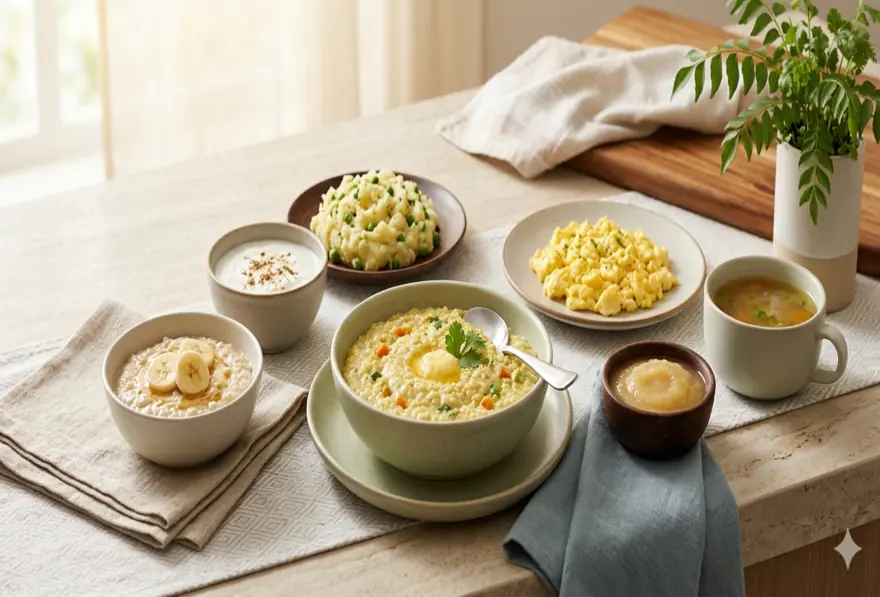
Table of Contents
- What Is A Soft Food Diet?
- Who May Need A Soft Food Diet?
- Benefits Of A Soft Food Diet
- Soft Food Diet: Foods To Eat
- Soft Food Diet: Foods To Avoid
- Soft Food Diet List: Easy Food Categories At A Glance
- Soft Diet Meal Ideas
- Soft Food Diet Chart: Sample 1-Day Meal Plan
- How To Plan A Soft Food Diet
- Nutritional Considerations On A Soft Food Diet
- Soft Food Diet For Specific Conditions
- How To Make Soft Foods Taste Better
- Common Mistakes On A Soft Food Diet
- How To Transition To A Soft Food Diet
- How To Transition Back To A Regular Diet
- Frequently Asked Questions
- The Bottom Line
- References
If you have been advised to follow a soft food diet, you may be wondering what you can eat and how long you need to follow it. This is a common short-term diet used when regular food feels difficult to chew, swallow, or digest.
A soft food diet focuses on foods that are tender, moist, and easy on your mouth and stomach. It is often recommended after dental treatment, surgery, illness, swallowing difficulty, or digestive irritation. With the right food choices, you can still eat well and support recovery.
What Is A Soft Food Diet?
If you are asking, what is a soft diet, it is a meal plan built around foods that are easy to chew, easy to swallow, and easier to digest than regular textured foods.
A soft food diet usually includes foods that are:
- Soft in texture
- Moist rather than dry
- Low in rough fibre
- Mildly seasoned
- Gentle on the digestive system
This is not the same as a liquid diet. You still eat regular foods, but they are cooked, mashed, chopped, blended, or softened enough to make eating more comfortable.
Who May Need A Soft Food Diet?
A soft food diet may be recommended if you:
- Are recovering from dental treatment or oral surgery
- Have jaw pain or difficulty chewing
- Have swallowing difficulty
- Are recovering from stomach or intestinal illness
- Need a gentler diet after surgery
- Feel weak after illness and find regular food tiring to eat
- Are older and have trouble chewing tougher foods
The exact version of the diet can vary. Some people may need very soft foods for only a few days, while others may need a longer plan under medical advice.
Benefits Of A Soft Food Diet
A soft food diet can help by:
- Making chewing easier
- Reducing discomfort while swallowing
- Giving your mouth or digestive system time to heal
- Lowering irritation from spicy, rough, or crunchy foods
- Helping you maintain food intake when appetite is low
- Making it easier to include nourishing foods during recovery
It is usually a practical recovery diet, not a permanent eating pattern.
Soft Food Diet: Foods To Eat
A good soft food diet should still include protein, energy, fluids, and a mix of nutrients.
Soft Proteins
- Scrambled eggs
- Omelette
- Egg salad
- Soft tofu
- Cottage cheese
- Curd or yoghurt
- Flaky fish
- Ground chicken or minced meat cooked until tender
- Tuna mixed with yoghurt or mayonnaise
- Soft dal if well-cooked and tolerated
Soft Vegetables
- Mashed potatoes
- Mashed sweet potatoes
- Soft-cooked carrots
- Soft pumpkin
- Cooked zucchini without seeds
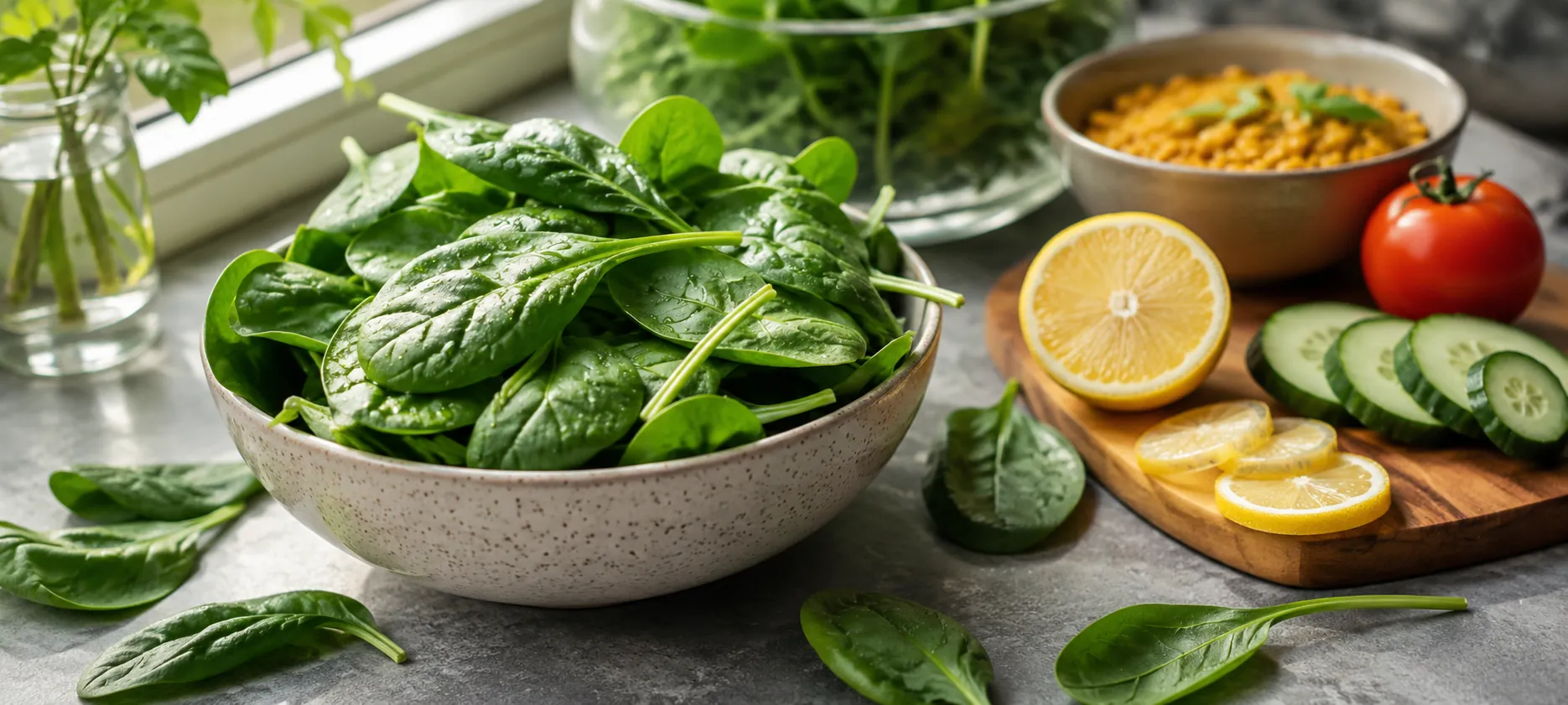
- Well-cooked spinach
- Soft green beans
- Pureed vegetable soup
Soft Fruits
- Banana
- Applesauce
- Ripe avocado
- Stewed apple
- Soft canned fruit
- Cooked pear
- Steamed peach
- Fruit puree without seeds or peel
Soft Grains And Starches
- Oatmeal
- Porridge
- Cream of wheat
- Soft noodles
- Pasta
- Well-cooked rice
- Soft idli
- Upma if soft and moist
- Moist pancakes
- Soft bread if tolerated
Dairy And Soft Desserts
- Yoghurt
- Pudding
- Custard
- Kheer if not too rich
- Soft paneer in mashed form
- Ice cream in moderation if tolerated
Fluids And Add-Ons
- Soups
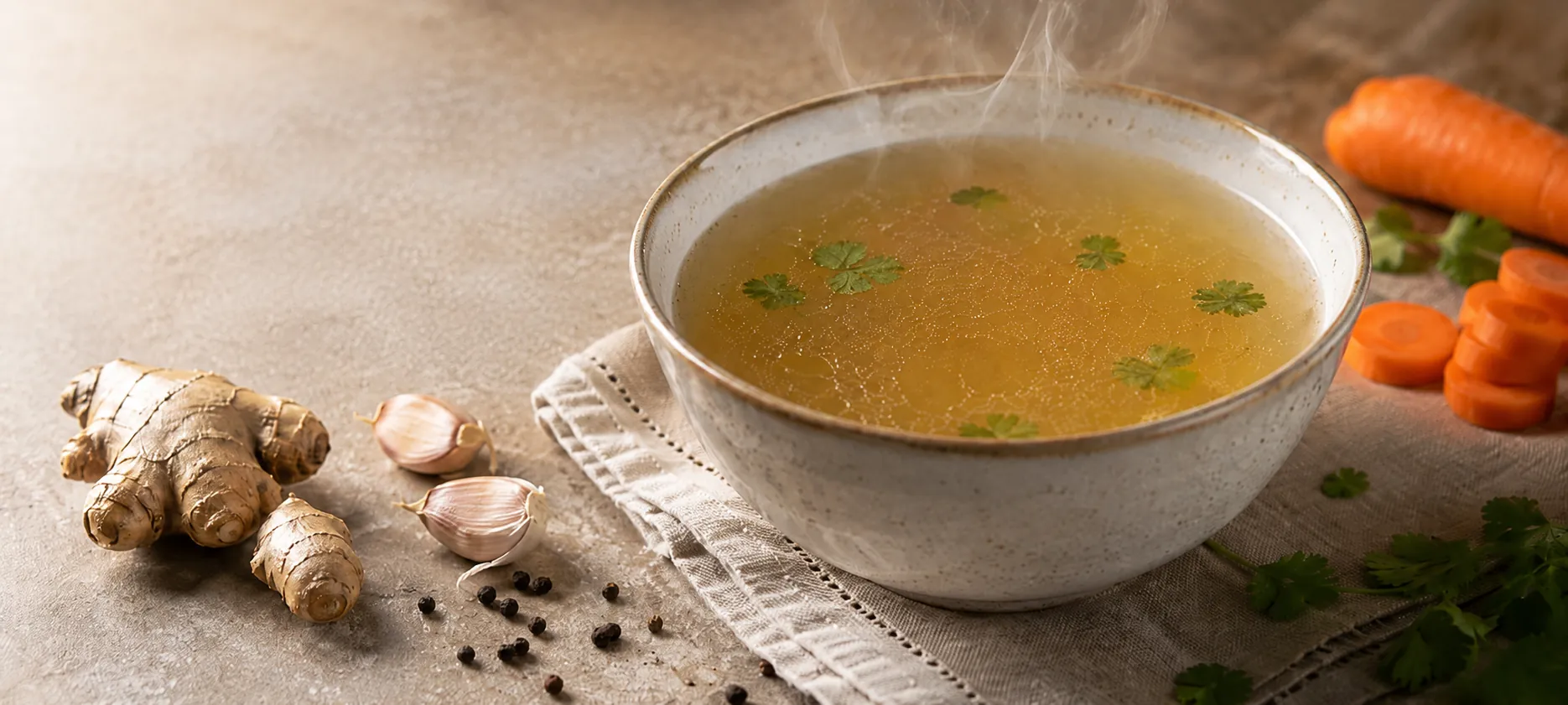
- Broth
- Smooth smoothies
- Protein shakes
- Gravy
- Curd
- Mild sauces
- Smooth nut butter in small amounts if tolerated
Soft Food Diet: Foods To Avoid
Some foods may look harmless but can still be too hard, dry, spicy, or irritating.
Avoid foods such as:
- Nuts and seeds
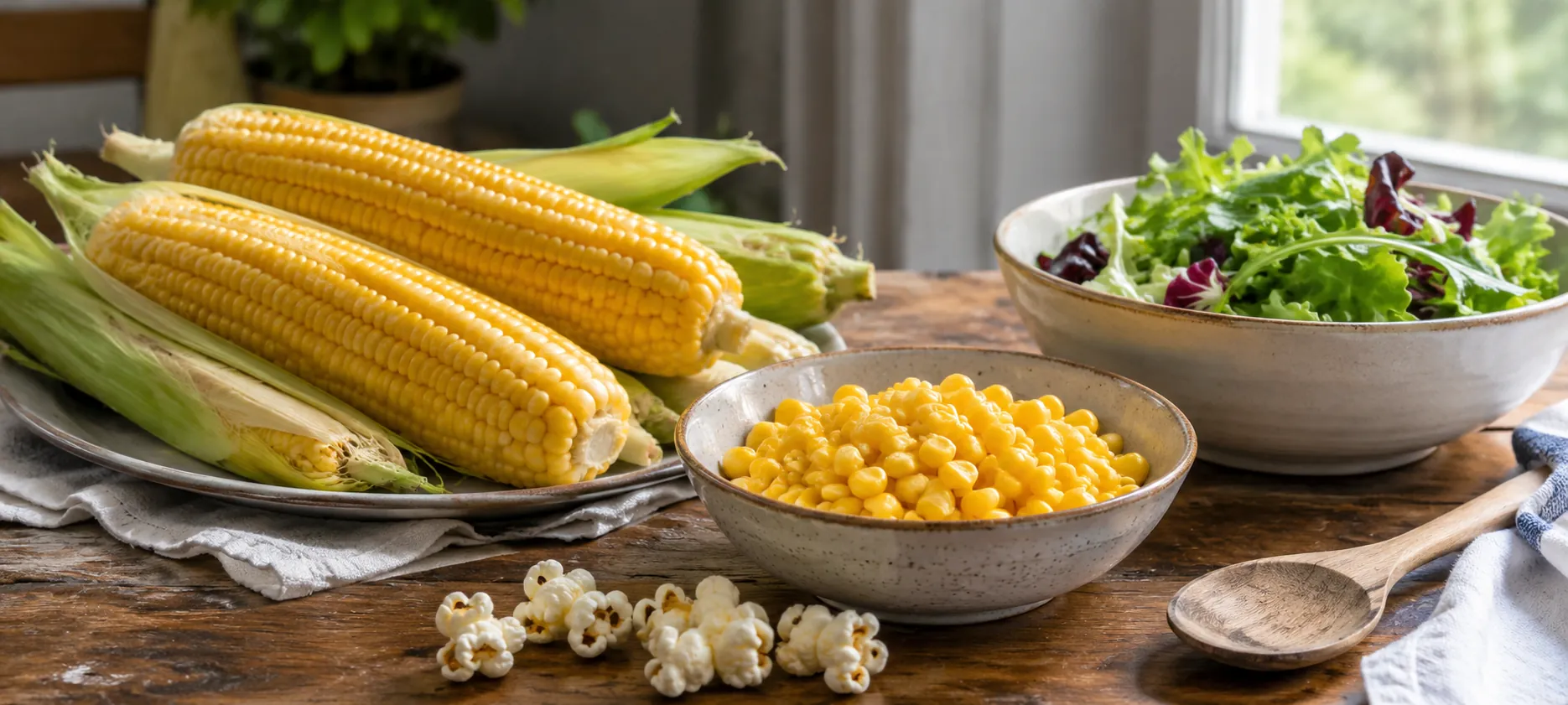
- Popcorn
- Chips
- Toasted or hard bread
- Raw vegetables
- Raw fruits with peel or seeds
- Tough meat
- Fried chicken
- Dry snacks
- Granola
- Whole spices
- Very spicy food
- Very acidic food
- Stringy vegetables such as celery
- Sticky foods that are hard to swallow
- Foods with sharp edges like crackers
If swallowing is difficult, even some soft-looking foods may not be suitable. In that case, the texture may need to be adjusted further.
Soft Food Diet List: Easy Food Categories At A Glance
If you want a quick soft diet list, use this simple guide:
- Breakfast options: porridge, oatmeal, scrambled eggs, soft idli, yoghurt
- Protein options: eggs, tofu, fish, minced chicken, curd, cottage cheese
- Vegetable options: mashed potato, soft pumpkin, cooked spinach, pureed soup
- Fruit options: banana, applesauce, avocado, cooked pear, stewed fruit
- Snack options: pudding, yoghurt, smoothie, mashed fruit, custard
- Comfort add-ons: gravy, broth, curd, soft sauces
This soft diet list can make shopping and meal planning easier.
Soft Diet Meal Ideas
Here are simple meal ideas you can rotate during the day:
Breakfast
Oatmeal with mashed banana and a spoon of yoghurt
Mid-Morning Snack
Applesauce or a soft fruit smoothie
Lunch
Soft khichdi with well-cooked vegetables and mashed curd
Evening Snack
Custard, pudding, or cottage cheese with mashed fruit
Dinner
Soft rice with dal, mashed pumpkin, and flaky fish or scrambled egg
Bedtime Option
Warm milk or a nourishing protein drink if advised
Soft Food Diet Chart: Sample 1-Day Meal Plan
This sample Diet Chart can help you plan a simple day on a soft food diet.
Breakfast:
Soft porridge with banana
Mid-Morning Snack:
Curd with stewed apple
Lunch:
Mashed rice with well-cooked dal and soft-cooked carrots
Evening Snack:
Smooth fruit smoothie or pudding
Dinner:
Soft pasta with mashed vegetables and scrambled egg
Before Bed:
Warm milk or a light nutrition drink
This Diet Chart is only an example. Your ideal soft food diet may differ based on the reason you are following it.
How To Plan A Soft Food Diet
Start by thinking about three things: texture, nutrition, and comfort.
Choose foods that are soft, moist, and easy to swallow. Try to include one protein source in each meal so you do not fall short on nourishment. Small meals often feel easier than large ones. Fluids also matter, especially if you are eating less than usual.
A simple approach is to build each meal with:
- One soft protein
- One soft starch
- One soft fruit or vegetable
- Enough fluids through the day
If you need to stay on the diet longer than expected, ask your doctor or dietitian how to make it more balanced.
Nutritional Considerations On A Soft Food Diet
When following a soft food diet, pay attention to:
- Protein intake: needed for healing and strength
- Calories: very light eating may leave you tired
- Hydration: soups, smoothies, curd, and water can help
- Fibre balance: too little fibre for too long may affect bowel movements
- Vitamin and mineral intake: a prolonged soft diet may need planning
- Meal frequency: smaller, regular meals may be easier than large meals
A soft food diet is often temporary, but it should still nourish you properly.
Soft Food Diet For Specific Conditions
A soft food diet is not exactly the same for everyone. The best version depends on why you need it.
Soft Food Diet For Dental Health
After tooth removal, dental implants, braces adjustment, or mouth sores, soft foods can reduce pain while eating. Choose foods that need very little chewing. Avoid spicy food, hard snacks, and very hot foods until your mouth feels better.
Soft Food Diet For Digestive Health
If your stomach or intestines feel irritated, soft foods may feel easier to tolerate. Mild soups, porridge, curd, mashed rice, soft fruits, and bland cooked vegetables are often more comfortable than fried, spicy, or rough foods.
Soft Food Diet For Dumping Syndrome
A soft food diet for dumping syndrome should follow your doctor’s advice closely. In many cases, smaller meals, softer foods, lower sugar intake, and careful fluid timing may help. The exact plan can vary, so it should not be self-managed without guidance.
Soft Food Diet For Kids
Children may need a soft food diet after dental work, throat pain, or temporary swallowing difficulty.
Keep meals simple and familiar. Good options may include:
- Soft khichdi
- Yoghurt
- Mashed banana
- Porridge
- Scrambled egg
- Soft pasta
- Fruit puree
Avoid choking hazards such as nuts, raw carrot sticks, popcorn, and hard biscuits. If your child needs a soft diet for more than a short time, it is best to get paediatric advice.
Soft Food Diet For Seniors
Older adults may find a soft food diet helpful if chewing feels tiring or swallowing is difficult.
The main focus should be on comfort without losing nutrition. Soft protein is especially important. Eggs, curd, soft paneer, dal, fish, and minced meats can help maintain strength. Fluids also matter because poor intake can lead to weakness and constipation.
If eating becomes difficult for longer than expected, medical review is important.
Soft Food Diet For Weight Loss
A soft food diet is not mainly a weight loss plan. In fact, some people may lose weight on it without meaning to, especially if they eat too little.
If your goal is healthy weight reduction, a Diet Chart for Weight Loss should be planned separately and should still match your chewing or digestive needs. The healthier approach is to choose nourishing soft foods rather than relying on only sweet desserts, refined foods, or packaged items.
How To Make Soft Foods Taste Better
Soft food does not have to be bland and boring. You can improve flavour by:
- Adding mild herbs and gentle seasoning
- Using broth, curd, gravy, or sauce for moisture
- Serving food warm, not overly hot
- Combining soft textures, such as mashed vegetables with soft protein
- Using natural flavour from banana, cinnamon, soft fruit, or mild cheese
- Adding mashed avocado or smooth nut butter where appropriate
Common Mistakes On A Soft Food Diet
Try to avoid these common mistakes:
- Eating only sweet soft foods such as pudding and ice cream
- Missing protein at meals
- Not drinking enough fluids
- Choosing foods that are soft to touch but still hard to digest
- Eating spicy or acidic foods too early
- Following the diet longer than needed without advice
- Ignoring weight loss or reduced appetite
- Not adjusting food texture enough if swallowing is difficult
How To Transition To A Soft Food Diet
If you need to shift from regular eating to a soft food diet, keep it simple. Start with the softest and easiest foods first. Focus on foods you know feel comfortable. Make meals smaller and more frequent if needed.
For the first day or two, many people do better with porridge, curd, mashed rice, soups, eggs, and soft fruits. Once that feels manageable, you can add more variety within the same texture level.
How To Transition Back To A Regular Diet
When you start feeling better, do not rush straight back to crunchy or spicy food.
Move gradually from very soft foods to slightly firmer foods. Start with soft bread, tender rice dishes, well-cooked vegetables, and soft proteins. Watch for pain, bloating, swallowing difficulty, or digestive discomfort.
If symptoms return, step back and speak with your doctor. Once you are fully back to regular eating, your long-term meal plan may look very different from a recovery diet and may even align better with structured patterns such as the DASH Diet, depending on your health goals.
Frequently Asked Questions
What To Eat On A Soft Food Diet?
You can eat foods that are soft, moist, and easy to swallow. Examples include porridge, yoghurt, banana, mashed potato, scrambled eggs, curd rice, soft fish, soup, pudding, and cooked vegetables.
Can You Eat Bread On A Soft Food Diet?
Yes, in some cases you can eat soft bread, especially if it is fresh and easy to chew. Dry, crusty, toasted, or seeded bread is usually harder to tolerate.
How Long Should You Follow A Soft Food Diet?
This depends on why it was prescribed. Some people need it for only a few days after dental work or illness, while others may need it for longer. Follow your doctor’s advice rather than choosing the duration on your own.
Is A Soft Food Diet Suitable For Everyone?
No. It is mainly used for specific short-term needs such as recovery, chewing problems, swallowing difficulty, or digestive discomfort. It is not automatically the best diet for everyone.
Is A Soft Food Diet The Same As A Bland Diet?
Not exactly. A soft food diet focuses more on texture, while a bland diet focuses more on avoiding spicy, acidic, or irritating foods. Sometimes the two overlap.
Can You Follow A Soft Food Diet At Home Without A Dietitian?
For a short period, many people can manage a simple soft food diet at home. But if the diet lasts longer, causes weight loss, or is linked to swallowing difficulty, professional advice is important.
The Bottom Line
A soft food diet can make eating easier when your mouth, throat, or digestive system needs extra care. The goal is to choose foods that are soft, moist, nourishing, and comfortable to eat while your body recovers.
If you need to stay on a soft food diet for more than a short time, or if you notice fatigue, weight loss, poor appetite, or digestive symptoms, it is sensible to look for the underlying cause. Metropolis Healthcare can support your preventive health journey with accurate reports, expert-led diagnostics, full body checkups, and convenient booking options. Where suitable, home sample collection can also make ongoing health monitoring simpler and more comfortable.
References
- Academy of Nutrition and Dietetics. National Dysphagia Diet.
- Cleveland Clinic. How To Follow A Soft Food Diet.
- MedlinePlus. Swallowing Disorders.
- National Institute of Diabetes and Digestive and Kidney Diseases. Dysphagia.
- Healthline. Soft Food Diet: Foods To Eat And Foods To Avoid.