Home Visit
 Upload






Preventive Healthcare
Lungs: Structure, Functions, and How to Keep Them Healthy
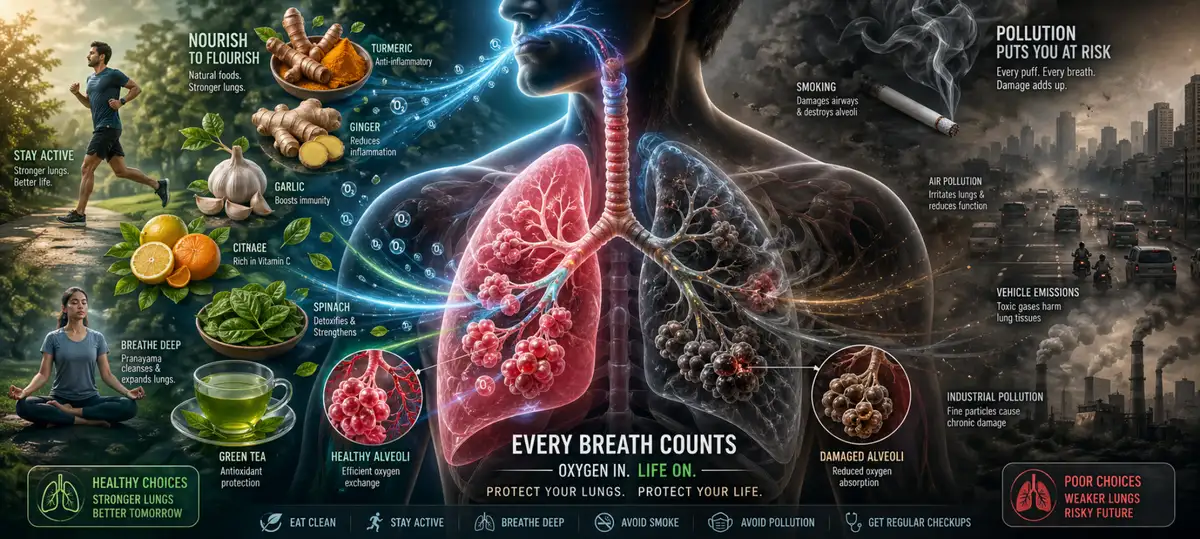
Table of Contents
- What Are the Lungs?
- Structure of the Lungs
- Main Functions of the Lungs
- How the Respiratory System Works
- Role of Alveoli and Oxygen Exchange
- Common Lung Diseases and Disorders
- Symptoms of Lung Problems
- Risk Factors That Affect Lung Health
- Diagnostic Tests for Lung Health
- Treatment Options for Respiratory Conditions
- Tips to Keep Your Lungs Healthy
- Best Foods and Habits for Respiratory Health
- When to See a Doctor
- Key Takeaways
- FAQs About the Lungs and Respiratory Health
- Breathe Better, Live Better
- References
Every breath you take is so automatic, so effortless, that it is easy to forget the remarkable work happening inside your chest. Your lungs are among the most active organs in your body, completing thousands of cycles of gas exchange every single day without any conscious effort from you.
Understanding your lungs, how they are built, what they do, and what can go wrong, gives you a meaningful foundation for protecting one of your most vital organ systems.
What Are the Lungs?
Your lungs are a pair of spongy, cone-shaped organs located inside your chest, on either side of your heart. They are the centrepiece of your respiratory system, the network of airways, muscles, and tissues that makes breathing possible.
Despite the common image of lungs as two simple balloons, they are far more complex. Each lung is made up of connective tissue, a branching network of airways, millions of tiny air sacs, and an extensive web of blood vessels. Together, these structures allow your body to take in oxygen from the air and release carbon dioxide, a waste gas produced by your cells, with every breath.
Your lungs are protected by your ribcage and sit on top of the diaphragm, a dome-shaped muscle that plays a central role in the breathing mechanism. A thin, double-layered membrane called the pleura covers each lung and lines the chest cavity, reducing friction as the lungs expand and contract with every breath.
Structure of the Lungs
The lungs are not identical. Each one has its own shape, size, and internal organisation.
- Right lung: Shorter and wider than the left, the right lung is divided into three lobes, known as the superior, middle, and inferior lobes. These sections are separated by folds of tissue called fissures.
- Left lung: Slightly smaller than the right to accommodate the heart, the left lung has two lobes, the superior and inferior. It has a distinctive indentation on its inner surface called the cardiac notch, which creates space for the heart. A small tongue-shaped portion of the upper lobe, called the lingula, curves around the lower left side of the heart.
- A typical adult lung: A typical adult lung weighs approximately one kilogram and measures around 24 centimetres in length during normal breathing, expanding to roughly 27 centimetres when fully inflated.
- The airways: Air enters through the nose or mouth, travels down the trachea (windpipe), and divides into the left and right bronchial tubes. These tubes enter the respective lungs and branch into progressively smaller passages called bronchioles, eventually ending in the alveoli.
- Alveoli: These are the tiny, grape-like air sacs at the end of every airway. Each lung contains hundreds of millions of alveoli, and their combined surface area is approximately the size of a tennis court. This vast surface allows for highly efficient gas exchange with the surrounding blood vessels.
- The pleura: This two-layered membrane, with a thin film of fluid between the layers, surrounds each lung. The visceral pleura adheres directly to the lung surface, while the parietal pleura lines the inner chest wall. The fluid between them allows the lungs to glide smoothly during breathing without friction.
Main Functions of the Lungs
The lungs perform several critical roles that extend well beyond simply breathing in and out:
- Gas exchange: The primary function. The lungs deliver oxygen from inhaled air into the bloodstream and remove carbon dioxide, transporting it out of the body with each exhale.
- Regulating blood pH: By controlling the amount of carbon dioxide in the blood, the lungs help maintain the body's acid-base balance, which is essential for normal cellular function.
- Filtering the blood: The lungs act as a filter, trapping small blood clots, air bubbles, and other particles before they can reach vital organs such as the brain or heart.
- Protection through mucus and cilia: The airways are lined with mucus that traps dust, bacteria, and other airborne particles. Tiny hair-like structures called cilia then sweep this debris upward and out of the airways.
- Supporting speech: The lungs produce the airflow that passes through the vocal cords in the larynx to create sound and speech.
- Acting as a blood reservoir: The pulmonary blood vessels can hold a significant volume of blood, helping to regulate overall blood flow and volume in the body.
How the Respiratory System Works
Breathing appears simple, but it involves a precisely coordinated sequence of muscular and chemical events.
Step 1: Inhalation
The brain detects rising carbon dioxide levels in the blood and sends a signal to the diaphragm and the intercostal muscles between the ribs to contract. As the diaphragm flattens and the rib cage expands, the chest cavity grows larger. This creates a drop in pressure inside the lungs, causing air to rush in through the nose or mouth.
Step 2: Air travels through the airways
Inhaled air passes through the nasal passages or mouth, down the pharynx (throat) and larynx (voice box), into the trachea, and then divides into the bronchial tubes of the left and right lungs. The airways branch repeatedly into smaller bronchioles, directing air deeper into lung tissue.
Step 3: Oxygen enters the blood
Air reaches the alveoli, which are surrounded by a dense network of tiny blood vessels called capillaries. Oxygen moves from the air in the alveoli across a thin membrane into the blood. At the same time, carbon dioxide moves in the opposite direction, from the blood into the alveoli to be expelled.
Step 4: Exhalation
The diaphragm and rib muscles relax. The elastic recoil of the lung tissue causes the lungs to contract, pushing carbon dioxide-rich air back up through the airways and out of the body. This entire cycle of inhalation and exhalation happens 12 to 20 times per minute in a healthy adult at rest.
Role of Alveoli and Oxygen Exchange
The alveoli are where the essential work of the lungs takes place. Understanding alveoli function helps explain why even small amounts of lung damage can have a significant impact on how you feel.
Each alveolus is a microscopic air sac with walls only one cell thick. Wrapped tightly around each sac are pulmonary capillaries, blood vessels equally thin-walled. This minimal barrier between air and blood allows oxygen and carbon dioxide to pass through rapidly by a process called diffusion, where molecules move from areas of higher concentration to lower concentration.
Oxygen diffuses into the red blood cells in the capillaries, where it binds to haemoglobin and is carried to every tissue and organ in the body. Carbon dioxide, a byproduct of cellular energy production, diffuses from the blood into the alveolar air and is released when you exhale.
When alveoli are damaged, as happens in conditions like emphysema, this exchange becomes less efficient. Fewer functional alveoli means less oxygen reaches the blood with each breath, leading to breathlessness, fatigue, and reduced exercise capacity.
Common Lung Diseases and Disorders
Lung diseases are among the most widespread health concerns globally. They range from mild and reversible to chronic and life-altering:
- Asthma: A chronic inflammatory condition of the airways in which exposure to triggers such as allergens, cold air, or exercise causes the airways to narrow, resulting in asthma symptoms including wheezing, chest tightness, coughing, and breathlessness.
- Chronic obstructive pulmonary disease (COPD): A progressive condition, most commonly caused by smoking, in which the airways become permanently damaged and narrowed. COPD encompasses chronic bronchitis and emphysema, and its impact on quality of life can be significant.
- Pneumonia: An infection that causes inflammation and fluid accumulation in the air sacs, making it difficult to breathe. It can be caused by bacteria, viruses, or fungi.
- Bronchitis: Inflammation of the bronchial tubes, which carry air to the lungs. Acute bronchitis is usually viral and short-lived. Chronic bronchitis is a form of COPD with a persistent cough and mucus production.
- Lung cancer: One of the most serious lung diseases, lung cancer involves abnormal cell growth in lung tissue that can spread to other organs. Smoking is the leading risk factor.
- Tuberculosis (TB): A bacterial infection caused by Mycobacterium tuberculosis, TB primarily affects the lungs and remains a significant public health challenge in India.
- Pulmonary fibrosis and interstitial lung disease: These conditions involve progressive scarring of the lung tissue, which reduces the lungs' ability to expand and transfer oxygen.
- Cystic fibrosis: An inherited genetic disorder in which thick, sticky mucus builds up in the lungs and other organs, causing recurrent infections and breathing difficulties.
- Bronchiectasis: Permanent widening of the airways, often following recurrent infections, which leads to mucus buildup and increased vulnerability to further infection.
- Mesothelioma: A rare cancer affecting the pleura, most often linked to asbestos exposure.
- Pulmonary nodules: Small spots found on the lungs, usually detected incidentally during imaging. Most are benign, but some may require monitoring or investigation.
Symptoms of Lung Problems
The lungs rarely cause symptoms until something disrupts their normal function. Common warning signs of lung disease include:
- A persistent cough that does not resolve after three weeks
- Shortness of breath during activities that previously caused no difficulty
- Wheezing or a high-pitched sound when breathing
- Chest pain, tightness, or a feeling of pressure
- Coughing up blood or blood-streaked mucus
- Unexplained fatigue or a noticeable reduction in stamina
- Frequent or recurrent chest infections
- A chronic cough with mucus or phlegm production
- Blue-tinged lips or fingertips, which can signal very low oxygen levels
- Unexplained weight loss alongside respiratory symptoms
These symptoms are common to many conditions and should not be self-diagnosed. A healthcare provider can help determine the underlying cause and advise on next steps.
Risk Factors That Affect Lung Health
Several factors increase the risk of developing lung disease:
- Smoking: The single greatest modifiable risk factor for lung disease. Cigarette smoke damages the cilia, inflames the airways, and over time destroys alveolar tissue. Smoking is the primary cause of COPD and lung cancer.
- Exposure to air pollution: Both indoor and outdoor air pollutants, including vehicle emissions, industrial fumes, and cooking smoke from biomass fuels, contribute significantly to lung disease in India.
- Occupational hazards: Prolonged exposure to dust, asbestos, silica, chemicals, or fumes in the workplace increases the risk of conditions such as asbestosis, silicosis, and occupational asthma.
- Recurrent respiratory infections in childhood: Early lung infections can impair lung development and increase the risk of chronic lung disease in adulthood.
- A family history of lung conditions: Genetic factors play a role in conditions such as asthma, cystic fibrosis, and alpha-1 antitrypsin deficiency.
- Age: Lung function naturally declines with age, and older adults are more susceptible to respiratory infections and lung complications.
- A weakened immune system: Conditions such as HIV/AIDS or immunosuppressive medications increase vulnerability to lung infections including TB and pneumonia.
- Obesity: Excess weight places additional strain on the respiratory muscles and is associated with poorer lung function.
Diagnostic Tests for Lung Health
When a lung condition is suspected, a range of investigations can help confirm or rule out specific diagnoses. Your doctor will choose tests based on your symptoms, history, and clinical findings.
Spirometry is a common breathing test that measures how much air you can inhale and exhale, and how quickly. It is the standard tool for diagnosing and monitoring asthma and COPD. A chest X-ray can reveal infections, structural abnormalities, fluid, or masses within the lungs. High-resolution CT scans of the chest provide more detailed images and are used to investigate nodules, interstitial lung disease, or suspected lung cancer. Pulse oximetry is a simple, non-invasive test that measures the oxygen saturation of the blood using a clip placed on the finger. Blood gas analysis provides a detailed assessment of oxygen and carbon dioxide levels in the blood and is used in more serious cases. Sputum tests examine mucus coughed from the lungs for evidence of infection, including TB, and may be supplemented by a Mantoux Test for further diagnosis. Bronchoscopy involves passing a thin, flexible camera through the airways to visually examine the bronchial tubes and take tissue samples if needed. Lung function tests, also called pulmonary function tests, assess the overall capacity and efficiency of the lungs.
Treatment Options for Respiratory Conditions
Treatment for lung conditions varies significantly depending on the diagnosis, severity, and individual circumstances.
For infections such as pneumonia or TB, antibiotics or antifungal medications are prescribed depending on the causative organism. TB requires a prolonged course of combination antibiotics.
For asthma and COPD, inhaled medications are the cornerstone of management. Bronchodilators help open narrowed airways, while inhaled corticosteroids reduce inflammation. In more severe cases, long-acting medications and combination inhalers are used. COPD management also includes pulmonary rehabilitation.
For lung cancer, treatment may involve surgery, chemotherapy, radiation therapy, targeted therapy, or immunotherapy depending on the type and stage at diagnosis. Early detection significantly improves outcomes.
For interstitial lung diseases such as pulmonary fibrosis, antifibrotic medications can slow progression, and supplemental oxygen may be needed as the disease advances.
Oxygen therapy is used across various lung conditions where blood oxygen levels fall below safe levels, either in a hospital setting or at home.
Pulmonary rehabilitation is a structured programme that combines exercise, education, and breathing techniques to help people with chronic lung disease improve their function and quality of life.
Surgical options may include lung resection for cancer, lung transplantation for end-stage disease, or procedures to drain fluid from the pleural space.
Tips to Keep Your Lungs Healthy
Protecting your lung health does not require complicated measures. Consistent, practical habits make a lasting difference:
- Do not smoke, and if you do, seek help to quit. Stopping smoking at any age brings measurable benefits to lung function and reduces the risk of serious lung disease.
- Avoid or minimise exposure to second-hand smoke, indoor pollution, and heavy outdoor air pollution. Keep indoor spaces well-ventilated.
- Wear appropriate respiratory protection when working in dusty or chemically hazardous environments.
- Exercise regularly. Physical activity strengthens the respiratory muscles and improves how efficiently the lungs deliver oxygen to the body.
- Stay hydrated. Adequate fluid intake helps keep the mucus lining of the airways thin and easier to clear.
- Practice good hand hygiene and stay up to date with recommended vaccinations, including those for influenza and pneumonia.
- Maintain a healthy body weight to reduce the load on your breathing muscles.
- Manage stress, as chronic stress is associated with worsened breathing patterns and can trigger asthma in susceptible individuals.
- Avoid burning wood or biomass indoors without proper ventilation, which is a common source of indoor air pollution in India.
Best Foods and Habits for Respiratory Health
What you eat influences the health of your lung tissue and its ability to resist infection and inflammation:
- Fruits and vegetables rich in antioxidants: Tomatoes, berries, spinach, and citrus fruits help protect lung tissue from oxidative damage caused by pollution and infection
- Omega-3 fatty acids: Found in fatty fish, walnuts, and flaxseeds, omega-3s have anti-inflammatory properties that may benefit lung health
- Turmeric: Curcumin, the active compound in turmeric, has demonstrated anti-inflammatory properties in research contexts and is a staple of Indian cooking
- Ginger and garlic: Both have antimicrobial and anti-inflammatory properties that may support respiratory health
- Green tea: Rich in antioxidants that may help protect lung tissue
- Whole grains and fibre-rich foods: Associated with better lung function and reduced risk of respiratory disease in several population studies
- Vitamin D: Low levels of vitamin D have been linked to an increased risk of respiratory infections and asthma. Sunlight exposure and dietary sources such as eggs and fortified foods can help maintain adequate levels.
Equally important is what to avoid: smoking, excessive alcohol, highly processed foods, and excessive sodium, all of which can impair lung function or aggravate existing respiratory conditions.
When to See a Doctor
Most minor respiratory symptoms, such as a short-lived cough from a cold, resolve on their own. However, you should consult a doctor promptly if you notice:
- Breathlessness that is new, worsening, or occurs at rest
- A cough that has lasted more than three weeks
- Blood in your sputum or coughed-up mucus
- Chest pain that is persistent or worsening
- Unexplained weight loss alongside respiratory symptoms
- Recurrent chest infections
- Persistent fatigue that you cannot attribute to a clear cause
- A known risk factor such as smoking, asbestos exposure, or a family history of lung disease, even in the absence of current symptoms
For individuals with high-risk profiles, regular health screening is a proactive way to catch changes in lung health before symptoms appear. Early detection of conditions like lung cancer and COPD makes a substantial difference to treatment outcomes.
Key Takeaways
- The lungs are spongy, paired organs in the chest responsible for bringing oxygen into the bloodstream and removing carbon dioxide
- The right lung has three lobes; the left has two to accommodate the heart
- The primary site of gas exchange is the alveoli, tiny air sacs surrounded by blood vessels
- The lungs also filter the blood, regulate pH, protect against inhaled pathogens, and support speech
- Breathing is controlled by the brain and driven by the diaphragm and intercostal muscles
- Common lung diseases include asthma, COPD, pneumonia, TB, and lung cancer
- Smoking is the single greatest risk factor for serious lung disease
- Key diagnostic tools include spirometry, chest X-ray, CT scans, and blood oxygen monitoring
- A balanced diet, regular exercise, hydration, and avoiding smoking are the most impactful steps for lung health
- Persistent cough, breathlessness, chest pain, or blood in sputum warrant prompt medical evaluation
FAQs About the Lungs and Respiratory Health
What Are the Main Functions of the Lungs?
The lungs primarily serve as the site of gas exchange, drawing oxygen from inhaled air into the bloodstream and releasing carbon dioxide from the blood to be exhaled. Beyond this, they help regulate blood pH, filter small clots and particles from the blood, protect the airways through mucus and cilia, support speech, and act as a blood reservoir. These functions make the lungs indispensable to virtually every system in the body.
How Many Lungs Are in a Body?
The human body has two lungs, one on the right side and one on the left, situated on either side of the heart within the chest cavity. The right lung is slightly larger and has three lobes, while the left lung has two lobes. In rare medical situations, a person can survive with one lung, though their exercise capacity and respiratory reserve will be reduced.
What Are Common Lung Diseases?
Common lung diseases include asthma, COPD, pneumonia, bronchitis, tuberculosis, lung cancer, pulmonary fibrosis, and bronchiectasis. In India, TB remains particularly prevalent, and air pollution-related lung disease is a growing public health concern. Each condition has distinct causes, symptoms, and treatment approaches, which is why accurate diagnosis is important.
What Are the Early Signs of Lung Problems?
Early signs of lung problems include a persistent cough, mild breathlessness with exertion, recurring chest infections, and reduced stamina during physical activity. Some people notice increased mucus production or a feeling of tightness in the chest. Early signs are often subtle and easy to dismiss. Paying attention to changes in how you breathe, particularly if you smoke or are exposed to air pollutants, can lead to earlier diagnosis and better outcomes.
How Can I Improve Lung Health Naturally?
Natural ways to improve lung health include quitting smoking, exercising regularly to strengthen respiratory muscles, staying well hydrated, eating an antioxidant-rich diet, reducing exposure to indoor and outdoor air pollutants, and practising good respiratory hygiene during infections. Breathing exercises and activities such as swimming, yoga, and brisk walking can also support lung capacity and efficiency over time.
How Do I Know If Something Is Wrong With My Lungs?
Signs that something may be wrong with your lungs include a cough lasting more than three weeks, unexplained breathlessness, chest pain, wheezing, blood in mucus, or recurrent chest infections. If you feel that your breathing has changed or that you tire more easily than before, it is worth seeking a medical opinion. A simple examination combined with a chest X-ray or breathing test can often provide clarity.
Can Lungs Heal After Smoking?
Yes, to a significant degree. When you stop smoking, the cilia in the airways begin to recover within days and resume clearing mucus and debris. Lung function begins to improve within weeks. Over months and years, the risk of respiratory infections, lung cancer, and COPD decreases substantially. However, certain forms of damage, particularly emphysema in advanced COPD, are irreversible. This is why stopping smoking as early as possible produces the greatest benefit.
How Much Air Do the Lungs Hold?
The total lung capacity in a healthy adult is approximately 6 litres of air. However, during normal quiet breathing, you only use about 0.5 litres per breath. The maximum amount of air you can exhale after a full inhalation is called vital capacity, which is typically around 4.5 to 5 litres. Lung capacity varies with age, sex, height, and physical fitness, and tends to decrease with age and in those with chronic lung disease.
What Foods Are Good for Lung Health?
Foods that support lung health include those rich in antioxidants such as tomatoes, berries, citrus fruits, and leafy greens. Omega-3 fatty acids from sources like fish, walnuts, and flaxseeds provide anti-inflammatory benefits. Turmeric, ginger, garlic, and green tea also have properties that may support the respiratory system. A diet rich in whole grains and fibre has been associated with better lung function in research studies, while processed foods, excessive alcohol, and smoking are detrimental.
When Should I See a Doctor for Breathing Problems?
You should see a doctor if you have a cough lasting more than three weeks, breathlessness that is new or worsening, chest pain that persists, blood in your sputum, recurring chest infections, or unexplained fatigue alongside respiratory symptoms. You should also seek prompt care if you experience sudden severe breathlessness, bluish lips or fingertips, or chest pain accompanied by difficulty breathing, as these can signal a medical emergency.
Breathe Better, Live Better
Your lungs work continuously without rest, performing thousands of life-sustaining exchanges every hour. Protecting them is one of the most important investments you can make in your long-term health.
Staying proactive is key. Whether you are managing a known respiratory condition, concerned about symptoms, or simply keen to understand your health better, early investigation gives you the clearest picture. Changes in lung function can sometimes reflect broader health concerns, including cardiovascular health, metabolic conditions, and immune function.
Metropolis Healthcare supports your respiratory and overall health with a comprehensive range of diagnostic tests, including full body checkups, blood panels, and speciality investigations. With over 4,000 tests available, NABL and CAP-accredited laboratories, quick turnaround times, and a home sample collection network spanning 10,000 touchpoints across India, reliable health insights are always within reach. Book your test conveniently through the Metropolis website, app, WhatsApp, or phone, and stay a step ahead of your health.
References
- West JB, Luks AM. West's Respiratory Physiology: The Essentials. 10th ed. Philadelphia: Wolters Kluwer; 2016.
- Global Initiative for Chronic Obstructive Lung Disease (GOLD). Global Strategy for the Diagnosis, Management, and Prevention of COPD. GOLD; 2023.
- Global Initiative for Asthma (GINA). Global Strategy for Asthma Management and Prevention. GINA; 2023.
- Collaborators GBDCRD. Prevalence and attributable health burden of chronic respiratory diseases, 1990-2017: a systematic analysis for the Global Burden of Disease Study 2017. Lancet Respir Med. 2020;8(6):585-596.
- Salvi SS, Barnes PJ. Chronic obstructive pulmonary disease in non-smokers. Lancet. 2009;374(9691):733-743.
- World Health Organization. Tuberculosis. WHO Fact Sheets. World Health Organization; 2023.
- Hansel NN, McCormack MC, Kim V. The effects of air pollution and temperature on COPD. COPD. 2016;13(3):372-379.
- Caramori G, Ruggeri P, Di Stefano A, Mumby S, Girbino G, Adcock IM, Casolari P. Mechanisms of disease: chronic obstructive pulmonary disease. Prog Mol Biol Transl Sci. 2016;141:379-424.
- American Lung Association. How Lungs Work. American Lung Association; 2022.
- National Heart, Lung, and Blood Institute. How the Lungs Work. U.S. Department of Health and Human Services; 2022.