Home Visit
 Upload






Preventive Healthcare
Kanji Benefits: Nutrition, Health Uses, and Homemade Preparation
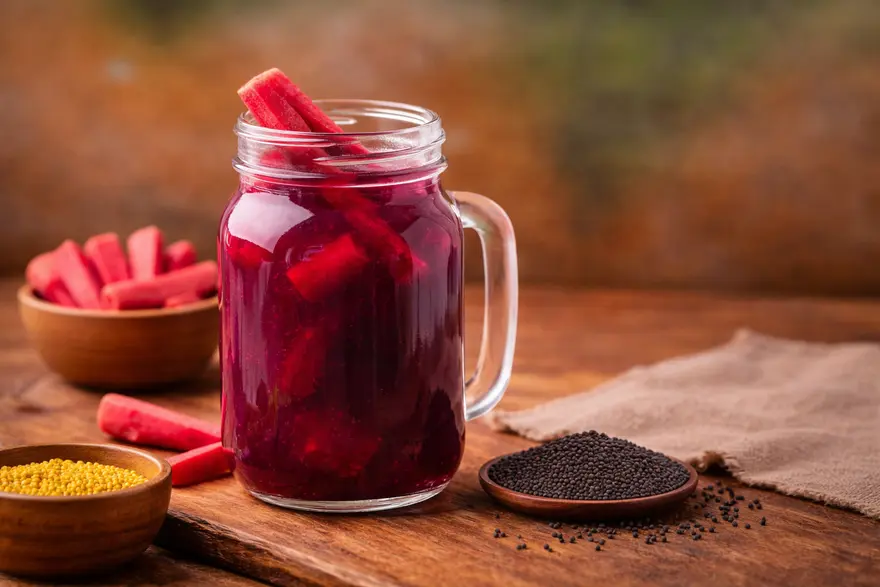
Table of Contents
What is Kanji?
Kanji is a traditional North Indian fermented drink made from black carrots (kali gajar), mustard seeds, and water, naturally fermented at room temperature or under mild sunlight. This tangy, mildly spicy beverage is celebrated for its rich probiotic properties, which help restore gut balance, support digestion, and enhance immunity.
Consumed primarily during winter, kanji not only refreshes the palate but also acts as a natural detoxifier. Often compared to modern probiotic beverages like kombucha and kefir, kanji remains uniquely Indian — offering both flavour and nutritional value rooted in age-old culinary wisdom.
Nutritional Value of Kanji
Kanji is a powerhouse of vitamins, minerals, antioxidants, and probiotics that together promote gut health and strengthen the immune system. The exact nutritional value of the kanji prepared may vary depending on the ingredients used — such as black carrots, mustard seeds, and beetroots — but a typical glass of homemade kanji delivers a balanced dose of nourishment and wellness.
- Probiotics:
The fermentation process naturally produces lactic acid bacteria, mainly Lactobacillus species, which act as probiotics supporting digestive and immune health. These good bacteria support a healthy gut microbiome, improve digestion, and enhance nutrient absorption. Regular intake can also help prevent common digestive issues like bloating, acidity, and constipation. - Vitamin C:
Vitamin C and other antioxidants in black carrots and beets help neutralise free radicals, supports collagen formation, and boosts the body’s natural defences against infections — especially during the colder months when immunity tends to dip. - Vitamin A & Beta-Carotene:
Derived from black carrots and beetroots, beta-carotene converts into vitamin A in the body. This nutrient is crucial for maintaining healthy vision, glowing skin, and overall cell repair. - Iron & Potassium:
Iron helps in the formation of haemoglobin and prevents fatigue, while potassium maintains heart rhythm and electrolyte balance. Together, they contribute to better blood circulation and cardiovascular health. - Mustard Seed Compounds:
Mustard seeds contain glucosinolates and natural anti-inflammatory agents that support joint health, relieve stiffness, and protect the body against oxidative stress. - Low Calories:
A glass of kanji typically provides around 25–35 kcal, depending on added vegetables and fermentation duration, making it an excellent addition to weight-management diets. It keeps you hydrated, curbs cravings, and provides natural energy without added sugar.
Health Benefits of Kanji
Kanji benefits go far beyond its distinctive tangy flavour. This traditional fermented drink has been valued for centuries for its therapeutic and restorative properties. Regular consumption can improve digestion, boost immunity, and enhance overall vitality.
- Improves Digestion and Gut Health:
One of the most important kanji health benefits is its positive impact on digestion. Kanji uses fermented black carrots and mustard seeds to create a tangy, probiotic-rich drink that supports digestion and immunity. The natural probiotics created during fermentation restore healthy gut flora, aid nutrient absorption, and prevent digestive discomfort such as bloating, gas, and constipation. As one of India’s oldest gut health drinks, kanji offers a natural way to maintain intestinal balance. - Boosts Immunity:
The presence of vitamin C, antioxidants, and beneficial bacteria strengthens the immune system and supports the body’s natural defence mechanisms. Drinking kanji regularly during winter can help prevent common infections like colds and flu. - Detoxifies the Body:
Fermentation enhances nutrient bioavailability and supports liver detoxification pathways indirectly by improving gut microbial balance. This detoxifying effect also supports liver function and helps maintain overall metabolic health. - Enhances Skin Health:
The beta-carotene and antioxidants found in black carrots promote healthy skin by fighting free radicals and delaying premature ageing. Over time, kanji consumption can contribute to clearer, more radiant skin. - Supports Weight Management:
Low in calories yet rich in fibre and probiotics, kanji promotes satiety — helping reduce overeating and manage cravings. Its metabolism-supporting properties make it an ideal addition to balanced, weight-conscious diets. - Reduces Inflammation:
Mustard seeds used in the fermentation process contain glucosinolates and selenium, both known for their anti-inflammatory properties. These compounds may help reduce joint pain and stiffness, especially in colder weather.
How to Make Kanji at Home
Making kanji at home is both simple and rewarding. Gathering the right ingredients and preparing a little ahead will make the 'how to make kanji at home' step simpler.
With just a few easily available ingredients and a little patience for natural fermentation, you can enjoy this tangy, probiotic-rich drink right from your kitchen.
Step 1: Prepare the Ingredients
Gather the following:
- 500 g black carrots (kali gajar) – the base ingredient for its colour and flavour.
- 2 tbsp mustard seeds (coarsely ground) – add natural spice and aid fermentation.
- 1 tbsp salt – for taste and preservation.
- 1–1.5 litres of water – preferably filtered.
- (Optional) Beetroot slices – to enhance colour and add mild sweetness.
Step 2: Combine Ingredients
In a clean glass jar, add the chopped black carrots, ground mustard seeds, and salt. Pour in water, leaving a little space at the top, and stir thoroughly using a wooden or non-metal spoon.
Step 3: Fermentation
Cover the jar with a muslin cloth or loose lid to allow airflow and prevent contamination. Place it in a warm, shaded area for 3–5 days, stirring daily. The warmth accelerates fermentation, giving kanji its signature tangy taste and probiotic fizz.
Step 4: Taste Test
After a few days, taste the kanji. It should be slightly sour, aromatic, and mildly effervescent. If you prefer a stronger flavour, let it ferment for another day.
Step 5: Strain and Store
Once the desired tanginess is reached, strain the liquid into bottles and refrigerate it. Serve chilled for the best flavour. Refrigerated kanji stays fresh for up to 5–7 days. Beyond that, continued fermentation may make it overly sour or fizzy.
Variations of Kanji Across India
Like most traditional Indian foods, kanji reflects the country’s regional diversity and culinary creativity. Made through natural fermentation, kanji uses local vegetables to deliver both taste and health benefits.
While its essence — a fermented, tangy drink — remains the same, the choice of ingredients and flavour profiles varies beautifully across states.
- Punjabi Kanji:
Perhaps the most popular version, Punjabi kanji, is made with black carrots, beetroot, and mustard seeds. The fermentation gives it a deep ruby-red colour and a bold, tangy-spicy flavour. Often served chilled, it’s a winter staple in North Indian households. - Rajasthani Kanji:
In Rajasthan, kanji takes on a fiery twist. Prepared with rai (mustard seeds) and red chilli powder, it is traditionally enjoyed with kanji vada — lentil dumplings soaked in the fermented drink. This savoury variant is not only probiotic but also a complete snack in itself. - Uttar Pradesh Kanji:
The kanji made in parts of Uttar Pradesh tends to be lighter in taste and colour. Locals often prepare it with yellow carrots, turnips, or radishes, resulting in a mildly tangy flavour. It is preferred as a cooling digestive during seasonal transitions. - South Indian Fermented Kanji:
Although named similarly, ‘kanji’ in South India usually refers to a rice gruel or porridge (kanji vellam), not a fermented drink. It is used for hydration and digestive support. This drink is made by fermenting rice water, often with a hint of buttermilk, and is widely consumed for hydration, gut health, and digestive balance.
Conclusion
Kanji is more than a refreshing traditional beverage — it’s a nutrient-rich, probiotic powerhouse that combines taste with health. Packed with natural lactic acid bacteria, vitamins, and antioxidants, it helps improve digestion, strengthen immunity, and restore gut balance. With the growing interest in natural gut health drinks, kanji offers an accessible, sustainable way to support overall well-being and vitality.
To complement your wellness journey, regular health check-ups and diagnostic insights are essential. Metropolis Healthcare offers over 4000 advanced tests, including full-body health check-ups, speciality diagnostics, and home sample collection from 10,000+ touchpoints across India — all with quick turnaround times and trusted accuracy. Book conveniently via website, app, call, or WhatsApp, and take proactive steps toward better health with Metropolis Healthcare, your partner in preventive wellness.
FAQs
Can Pregnant Women Drink Kanji?
Kanji is generally safe during pregnancy when prepared hygienically, though pregnant women should consume it in moderation and only after consulting their doctor.. However, due to its fermented nature, it’s advisable to consult a doctor before consumption to avoid any risk of stomach sensitivity or microbial imbalance.
How Often Should You Drink Kanji for Health Benefits?
You can safely drink one small glass (100–150 ml) of kanji daily during winter. Regular intake supports digestion, enhances gut flora, and boosts immunity naturally.
Can Kanji Cause Stomach Upset or Gas?
Initially, mild bloating or gas may occur as your gut microbiota adjusts to new probiotic intake. If discomfort persists, reduce the frequency or ensure fermentation isn’t overdone, as overly sour kanji may cause acidity.
Can Kanji Aid in Weight Loss?
Yes. Due to its low calorie count and probiotic richness, kanji supports healthy metabolism, reduces cravings, and promotes weight management as part of a balanced diet.
References
https://pubmed.ncbi.nlm.nih.gov/34393474/
https://www.researchgate.net/publication/377968170_Health_Benefits_of_Kanji_TangyBlack_Carrot_Fermented_Beverage
https://www.nin.res.in/downloads/DietaryGuidelinesforNINwebsite.pdf