Home Visit
 Upload






Preventive Healthcare
Home Remedies for Kidney Stones: Relief & Prevention Tips
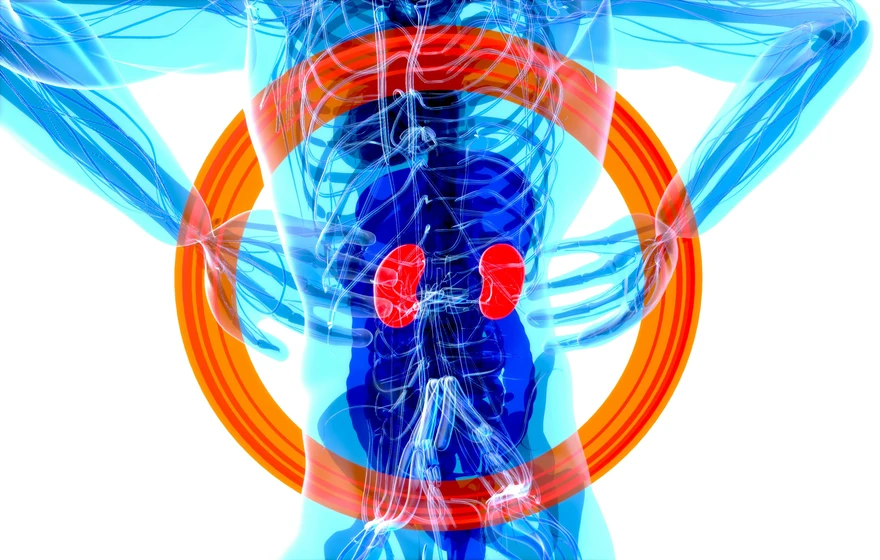
Table of Contents
- Home Remedies for Kidney Stones
- What Foods and Drinks Help Prevent Kidney Stones?
- Which Foods Should You Avoid If You Have Kidney Stones?
- What Lifestyle Changes Can Lower the Risk of Kidney Stones?
- Diagnostic Tests for Kidney Stones
- When Should You See a Doctor for Kidney Stones?
- Conclusion
- FAQ's
- References
Kidney stones are hard mineral deposits that form inside your kidneys when urine becomes concentrated and allows crystals like calcium oxalate or uric acid to stick together. They can cause severe pain in the lower back, abdomen, or groin and may lead to urinary complications if untreated.
While medical treatment is often necessary for large stones, several home remedies for kidney stones can help relieve symptoms, promote stone passage, and prevent recurrence naturally.
According to the National Kidney Foundation (NKF), maintaining good hydration, a balanced diet, and early detection of kidney stone symptoms are essential steps in kidney health management.
Home Remedies for Kidney Stones
If you’re wondering how to reduce kidney stone pain immediately at home, certain natural remedies are available that can provide relief, support stone passage, and prevent new ones from forming. These home-based approaches can help ease discomfort and promote kidney health—but it’s always important to consult your doctor before trying any kidney stone treatment at home, especially if you have underlying health conditions or take prescribed medications.
1. Lemon Water
Lemons are rich in citrate, a compound that binds with calcium in urine and helps prevent crystal formation. Drinking a glass of warm water with freshly squeezed lemon juice each morning helps maintain healthy urinary citrate levels, making it one of the simplest and most effective remedies for kidney stones. Regular intake can not only reduce kidney stone pain naturally but also prevent future stone formation.
2. Apple Cider Vinegar (ACV)
Apple cider vinegar contains acetic acid, which may help in maintaining urinary pH balance and support the breakdown of smaller calcium-based stones, though scientific evidence for direct stone dissolution remains limited. Mix 2 tablespoons of ACV in a glass of warm water and drink it once or twice a day for relief. This natural remedy may help ease discomfort by supporting hydration and urinary flow, but overuse should be avoided as excessive acidity can irritate the stomach or erode tooth enamel.
3. Pomegranate Juice
Pomegranate juice is loaded with antioxidants that support kidney detoxification and improve urinary tract function. Drinking a glass daily helps reduce oxidative stress and lowers the risk of crystal formation. Its natural cooling and anti-inflammatory effects can provide gentle comfort if you’re looking for quick relief from kidney stone pain at home.
4. Basil (Tulsi) Juice
Basil, or Tulsi, has powerful diuretic and anti-inflammatory properties that aid in flushing out small stones and calming the urinary tract. Mix one teaspoon of fresh basil juice with honey and consume daily for a few weeks. This traditional remedy is often recommended when searching for how to reduce kidney stone pain immediately at home because it soothes discomfort while promoting urine flow.
5. Celery Juice
Celery acts as a mild natural diuretic that promotes urine output and eliminates substances contributing to stone formation. Blend a few celery stalks with water to make a refreshing juice and consume it daily. This remedy not only supports kidney cleansing but can also reduce kidney stone pain quickly at home by easing muscle tension in the urinary tract.
6. Wheatgrass Juice
Wheatgrass juice contains magnesium, potassium, and antioxidants that support urinary alkalinisation and general kidney health A small glass of fresh wheatgrass juice daily supports detoxification, promotes urine flow, and reduces crystal accumulation, helping in both prevention and relief of kidney stones.
7. Hydration Therapy
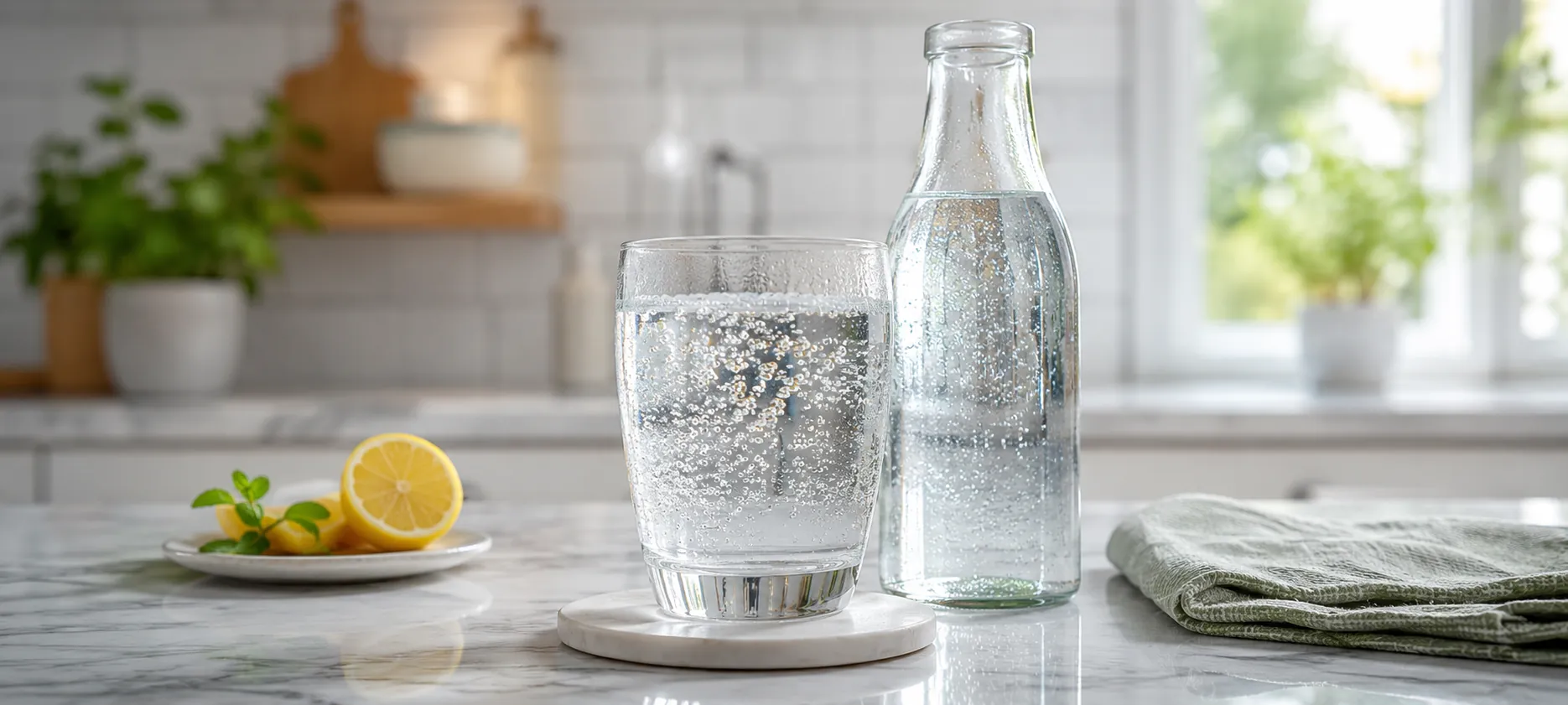
Proper hydration is the most crucial step for both prevention and immediate relief. Drinking 2–3 litres of water daily helps dilute minerals in the urine, prevent crystal formation, and promote the natural passage of small stones. If you’re in pain, warm water or herbal teas can further relax the urinary tract muscles and ease the discomfort—one of the most effective answers to how to reduce kidney stone pain immediately at home.
What Foods and Drinks Help Prevent Kidney Stones?
A well-balanced diet plays a vital role in reducing the risk of kidney stones and supporting overall urinary health. Including certain foods and beverages can help maintain the right mineral balance and keep the kidneys functioning efficiently.
- Citrus Fruits (Lemons, Oranges, Grapefruits):
These are rich in citrate, a natural compound that helps prevent the formation of calcium stones by binding with calcium in the urine. Drinking lemon or orange-infused water regularly can help maintain healthy urinary pH levels. - Calcium-Rich Foods:
Dietary calcium from sources like milk, yoghurt, and cheese helps prevent stones by binding with oxalate in the gut and reducing its absorption into the bloodstream. - High-Fibre Foods:
Whole grains such as oats, barley, and fibre-rich vegetables like leafy greens aid digestion and help eliminate excess minerals that contribute to stone formation. - Watermelon and Cucumber:
These hydrating fruits have a high water content that helps flush out toxins and dilute minerals in the urine, reducing the chance of stone development. - Herbal Teas (Parsley or Nettle Leaf):
Herbal teas act as natural diuretics, promoting urine flow and supporting kidney cleansing. A cup of parsley or nettle leaf tea daily may help prevent the buildup of crystals that lead to stones.
Which Foods Should You Avoid If You Have Kidney Stones?
Some foods can increase the likelihood of kidney stone formation by elevating levels of calcium, oxalate, or uric acid in the urine. If you have a history of stones, it’s important to limit or avoid the following:
- Oxalate-Rich Foods:
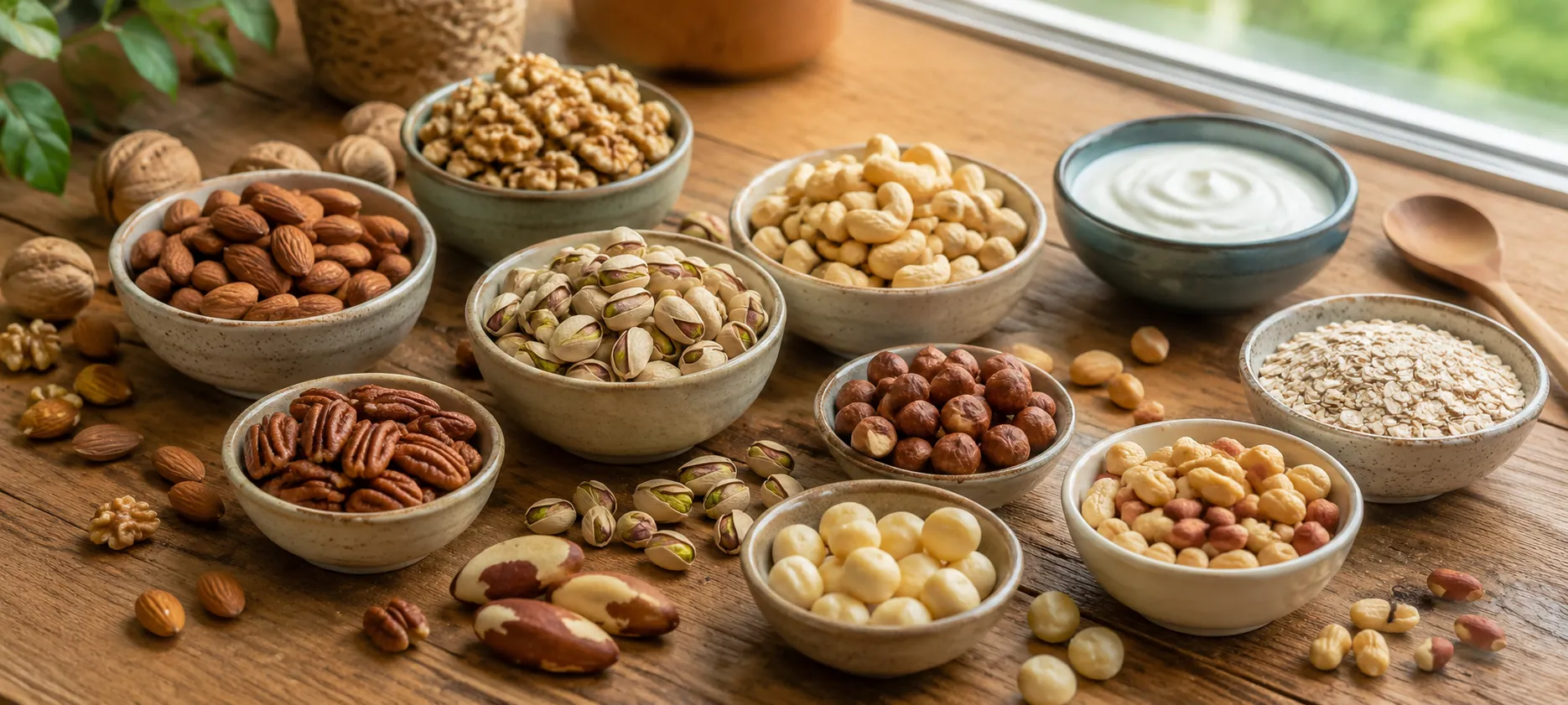
Foods such as spinach, beets, rhubarb, sweet potatoes, nuts, and chocolate contain high levels of oxalate, which can bind with calcium in the urine to form calcium oxalate stones—the most common type of kidney stone. - Animal Protein:
Diets rich in red meat, shellfish, and organ meats increase uric acid production, which may contribute to uric acid stones in the body, contributing to the formation of uric acid stones. Reducing animal protein intake and incorporating more plant-based proteins can lower this risk. - Salty and Processed Foods:
Excess sodium from processed snacks, fast food, and pickles raises calcium levels in urine, making stone formation more likely. Aim to keep your daily sodium intake below 2,300 mg. - Sugary Beverages:
Soft drinks, especially those high in fructose or phosphoric acid, can alter urine composition and increase stone risk and an increased risk of kidney stones. Cola-based sodas, in particular, contain phosphates that can contribute to stone build-up. - Excessive Caffeine:
While moderate caffeine is generally safe, overconsumption of coffee or tea can lead to dehydration, which concentrates minerals in urine and promotes stone formation.
What Lifestyle Changes Can Lower the Risk of Kidney Stones?
Making consistent lifestyle adjustments can play a major role in reducing the recurrence and severity of kidney stones. Simple daily habits can support better kidney function and overall urinary health:
- Stay Well-Hydrated:
Drink plenty of water throughout the day to keep your urine pale yellow. Adequate hydration helps dilute minerals and salts in the urine, preventing crystal formation. - Reduce Sodium and Processed Foods:
High salt intake increases calcium excretion in the urine, which can trigger stone formation. Limit processed foods, canned soups, pickles, and packaged snacks. - Maintain a Healthy Weight:
Obesity and metabolic syndrome are associated with a higher risk of kidney stones. Incorporate regular exercise—such as brisk walking, yoga, or cycling—into your daily routine. - Use Supplements with Caution:
Avoid excessive calcium or vitamin C supplements unless prescribed, as high doses of vitamin C can increase urinary oxalate levels.. Over-supplementation can raise calcium and oxalate levels in the urine. - Follow a Balanced, Monitored Diet:
If you have a history of kidney stones or metabolic disorders (like gout or hyperparathyroidism), track your dietary intake carefully. A dietitian or nephrologist can help tailor your plan to prevent recurrence.
Diagnostic Tests for Kidney Stones
Accurate diagnosis is crucial for determining the type, size, and location of kidney stones to plan the most effective treatment.
- Urine Analysis: Evaluates urine for the presence of crystals, blood, infection, and pH imbalance , all of which help identify the type of stone and underlying causes.
- Blood Tests: Measures levels of calcium, uric acid, and creatinine to assess kidney function and detect metabolic factors contributing to stone formation.
- Ultrasound (Abdomen/Pelvis): A safe, non-invasive imaging method useful for detecting moderate-to-large stones, though it may miss very small or ureteral stones and assess their size and potential obstruction.
- CT KUB (non-contrast CT): The gold standard imaging test for kidney stones, providing precise details on stone size, density, and location that provides detailed cross-sectional views of the urinary tract, enabling accurate detection of even tiny or hidden stones.
When Should You See a Doctor for Kidney Stones?
While mild cases can often be managed with hydration and natural remedies, knowing when to seek professional help is crucial. Small stones may pass on their own, and simple techniques such as drinking lemon water or using heat therapy can help. However, certain symptoms should never be ignored, as they may signal complications like infection, urinary obstruction, or even kidney damage.
You should seek immediate medical attention if you experience any of the following warning signs:
1. Severe or Persistent Pain
Intense, stabbing pain in the lower back, sides, abdomen, or groin that doesn’t ease with rest or home remedies can indicate that the stone is large or lodged in the urinary tract. Such pain may come in waves and require emergency care for proper pain management or surgical removal.
2. Blood in Urine (Haematuria)
Urine that appears pink, red, or brown suggests bleeding within the urinary system, often caused by a stone scraping the delicate lining of the tract. This condition can worsen if left untreated, making early medical evaluation essential.
3. Fever and Chills
If kidney stone pain is accompanied by fever, chills, or body aches, it may point to a urinary tract infection (UTI) or a kidney infection (pyelonephritis). These are medical emergencies that require prompt antibiotic treatment to prevent bacteria from spreading to the bloodstream.
4. Nausea or Vomiting
Persistent nausea, vomiting, and loss of appetite—especially alongside pain and urinary symptoms—may indicate an obstructed urinary flow or severe irritation from a moving stone. Dehydration from excessive vomiting can further complicate the condition, making medical care vital.
5. Difficulty or Pain While Urinating
Burning sensations, cloudy urine, or reduced urine output can signal a blockage or infection caused by the stone. In such cases, delaying treatment can lead to pressure buildup in the kidneys, resulting in swelling (hydronephrosis) and potential kidney impairment.
Conclusion
Kidney stones can be intensely painful, but with the right combination of natural remedies for kidney stones, proper hydration, and balanced nutrition, you can manage symptoms and significantly reduce the chances of recurrence. Early diagnosis and preventive care play a vital role in protecting long-term kidney health and avoiding complications.
Metropolis Healthcare offers over 4000 diagnostic tests, including kidney function profiles, urine analysis, and speciality testing, with a reputation for accurate results and quick turnaround times. With convenient home sample collection available across 10,000+ touchpoints, and easy booking via website, app, call, or WhatsApp, Metropolis ensures seamless access to trusted healthcare. Take proactive steps today—stay hydrated, eat mindfully, and rely on expert diagnostics from Metropolis Healthcare to safeguard your kidney health.
FAQ's
What dissolves kidney stones fast?
Citrate from lemon juice may help prevent calcium stone formation, while apple cider vinegar may support urinary pH balance. However, no home remedy can fully dissolve most kidney stones; medical evaluation is essential. However, larger stones require medical or surgical intervention.
What foods help remove kidney stones?
Fruits like watermelon, oranges, and pomegranates; vegetables like cucumbers and gourds; and plenty of water help flush the urinary tract and prevent stone buildup.
What is the best home remedy for kidney stone pain?
Drinking warm water with lemon and honey, taking a short walk, and applying a hot compress to the lower back can provide quick relief from discomfort.
What is the fastest way to remove a kidney stone?
- Drink enough water to produce at least 2–2.5 litres of urine daily.
- Consume lemon water or apple cider vinegar.
- Use prescribed pain relievers under medical guidance.
- In severe cases, consult a urologist for lithotripsy or endoscopic removal.
References
https://www.kidney.org/kidney-topics/kidney-stone-diet-plan-and-prevention
https://www.mayoclinic.org/diseases-conditions/kidney-stones/symptoms-causes/syc-20355755
https://my.clevelandclinic.org/health/diseases/15604-kidney-stones
https://www.nhs.uk/conditions/kidney-stones/