Home Visit
 Upload






Preventive Healthcare
Ingrown Hair: Why It Occurs and How to Treat It
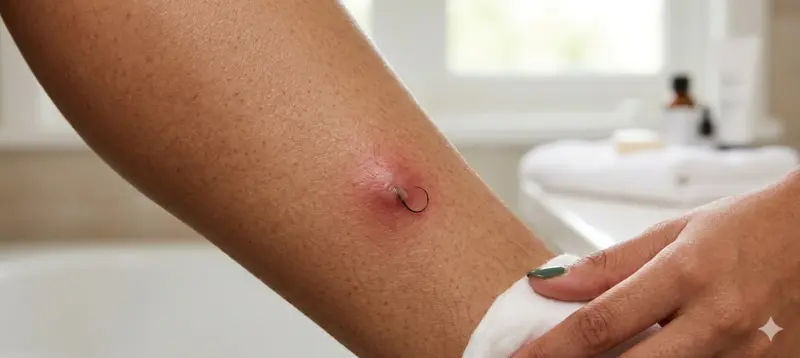
Table of Contents
- What Is an Ingrown Hair?
- Why Do Ingrown Hairs Occur?
- Common Causes of Ingrown Hair
- Symptoms of Ingrown Hair
- Where Ingrown Hairs Commonly Occur
- How Ingrown Hair Is Diagnosed
- Treatment Options for Ingrown Hair
- How to Prevent Ingrown Hair
- Complications of Ingrown Hair
- Ingrown Hair in Men vs Women
- Ingrown Hair in Sensitive Skin
- When to See a Doctor
- Stay on Top of Your Skin and Overall Health with Metropolis Healthcare
- Frequently Asked Questions
- References
You shave, and a day or two later, you notice a small, sore bump where the hair used to be. It is red, slightly raised, and refuses to go away quickly. This is an ingrown hair, and if you have experienced one, you know how frustrating it can be, especially when it keeps coming back.
The good news is that ingrown hairs are very common, usually harmless, and almost always manageable with the right approach. Understanding why they happen and what you can do about them makes a real difference.
What Is an Ingrown Hair?
An ingrown hair is a strand of hair that, instead of growing upward and out of the skin, curves back and re-enters the skin or grows sideways beneath the surface. This causes the skin to react as if the hair is a foreign object, triggering inflammation, redness, and often a small, tender bump.
Ingrown hairs can affect anyone and can appear anywhere on the body where hair grows and is regularly removed. They go by several common names, including razor bumps, shave bumps, and barber bumps, all of which hint at their most frequent cause.
Why Do Ingrown Hairs Occur?
Hair grows out of follicles just beneath the surface of the skin. When hair is shaved, waxed, or tweezed, only the visible strand is removed. The follicle remains active and continues to produce new hair. If the tip of that new hair is sharp or angled, or if the follicle opening is blocked, the hair can curl back and pierce the skin rather than growing outward freely.
People with thick, coarse, or curly hair are particularly prone to ingrown hairs because the natural curl of the hair makes it more likely to loop back into the skin. Similarly, people with skin of colour are more commonly affected due to the texture and growth pattern of the hair.
Hair follicle inflammation is the body's response to this process, which is why ingrown hairs often look and feel like small, inflamed bumps.
Common Causes of Ingrown Hair
- Shaving: The most frequent cause of ingrown hairs. Shaving creates a sharp, angled tip on the hair, which makes it easier for it to pierce back into the skin as it regrows. Shaving against the direction of hair growth increases this risk further.
- Waxing and tweezing: These methods pull hair from the root, but the new hair that grows in can sometimes emerge at an angle, particularly if the follicle opening becomes slightly distorted in the process.
- Dead skin cell buildup: Accumulated dead skin cells can block the follicle opening, forcing the growing hair to redirect inward rather than emerge normally.
- Tight clothing: Constant friction from tight waistbands, underwear, or leggings can irritate the skin around hair follicles and encourage hairs to grow inward, particularly in the groin and thigh area.
- Dry skin: Dry, rough skin is less pliable and can make it harder for hair to push through the surface properly.
- Hair texture: Naturally curly, coarse, or tightly coiled hair has a greater tendency to curve back into the skin, making some people more susceptible than others regardless of their hair removal method.
Symptoms of Ingrown Hair
Ingrown hairs are generally easy to recognise. Common symptoms include:
- Small, raised bumps on the skin, often with a visible hair trapped in the centre
- Redness and inflammation around the bump
- Tenderness or pain when the area is touched
- Itching at or around the affected site
- Skin discolouration, appearing red, brown, or purple depending on your skin tone
- Pus-filled bumps (pustules) if the area becomes infected
- Darkening of the skin over time, particularly in areas that are repeatedly affected
In most cases, ingrown hairs are mild and resolve without significant intervention. However, when they become infected, symptoms can worsen and medical attention may be needed.
Where Ingrown Hairs Commonly Occur
Ingrown hairs most frequently appear in areas where hair is regularly removed:
- The face, particularly the neck, jawline, and chin in men who shave
- The legs, especially along the shins and thighs
- The underarms (armpits)
- The bikini line and inner thighs
- The pubic area
They can also appear less commonly on the scalp, chest, back, and abdomen.
How Ingrown Hair Is Diagnosed
In most cases, you can recognise an ingrown hair yourself based on its appearance and location. A small bump in an area you regularly shave or wax, with a hair visibly trapped beneath or within the skin, is usually enough for a confident identification.
If you visit a doctor, they will confirm the diagnosis through a straightforward physical examination. They may ask about your hair removal routine, how often you shave or wax, what products and tools you use, and whether the bumps are recurring. This helps them assess whether any changes to your routine might reduce the frequency of ingrown hairs or whether an infection needs treatment.
In rare cases where the bumps are persistent or unusual in appearance, a doctor may want to rule out other skin conditions before confirming the diagnosis.
Treatment Options for Ingrown Hair
Most ingrown hairs respond well to simple measures. Here is what can help:
- Warm compress: Applying a warm, moist cloth to the area for 10 to 15 minutes helps open the pores and softens the skin, making it easier for the trapped hair to release naturally. This is one of the most effective and gentle first steps.
- Gentle exfoliation: Using a soft washcloth, an exfoliating brush, or a mild scrub in small, circular motions helps remove dead skin cells and can encourage the hair to find its way out. Use warm, not hot, water.
- Stop hair removal temporarily: Giving the area a break from shaving irritation or waxing allows the skin to settle and the hair to grow out more freely.
- Careful extraction at home: If the hair loop is clearly visible above the surface of the skin, you may gently lift it using sterile tweezers or a needle. Apply rubbing alcohol to the surrounding skin first. Do not dig into the skin or squeeze the bump, as this increases the risk of infection and scarring.
- Topical treatments: Over-the-counter options such as mild hydrocortisone cream can reduce redness and inflammation. Benzoyl peroxide may be helpful if infection is a concern.
- Prescription medications: If the ingrown hair becomes infected or frequently recurs, your doctor may prescribe antibiotic creams or tablets, retinoid creams to help clear dead skin, or steroid creams to reduce inflammation.
- Electrolysis or laser hair removal: For people who experience persistent or recurring ingrown hairs, these longer-term hair removal methods address the problem at the root. Laser hair removal works best on darker hair, while electrolysis can be used across a wider range of hair types.
How to Prevent Ingrown Hair
The right hair removal technique makes a significant difference in preventing ingrown hairs from forming:
- Soak the skin in warm water for at least a few minutes before shaving to soften the hair and open the follicles
- Apply a shaving gel or cream to create a protective layer between the blade and your skin
- Use a sharp, single-blade razor rather than multi-blade razors, which can cut the hair too short and increase the risk of it growing back under the skin
- Shave in the direction of hair growth, not against it
- Rinse the blade after every stroke to prevent buildup
- Change razor blades frequently, as a dull blade increases shaving irritation
- Exfoliate regularly to keep follicles clear of dead skin cells
- Moisturise after shaving to keep the skin supple
- Avoid tight clothing over areas prone to ingrown hairs, particularly immediately after hair removal
Complications of Ingrown Hair
While ingrown hairs are generally minor, neglecting them or handling them incorrectly can lead to complications:
- Infection: Picking, squeezing, or repeatedly irritating an ingrown hair introduces bacteria into the skin, leading to a localised infection with pus, increased pain, and swelling.
- Scarring: Repeated inflammation, infection, or aggressive attempts to extract ingrown hairs can leave permanent scars or raised tissue at the site.
- Post-inflammatory hyperpigmentation: Darker patches of skin can develop after the bump heals, particularly in people with darker skin tones. This discolouration may take weeks or months to fade.
- Chronic ingrown hairs: For some people, recurring ingrown hairs in the same area become an ongoing issue, causing persistent discomfort and potential long-term skin changes.
- Pseudofolliculitis barbae: A condition common in men who shave frequently, particularly those with coarse or curly facial hair, in which widespread razor bumps develop across the beard area and can become a chronic skin concern.
Ingrown Hair in Men vs Women
Ingrown hairs are common in both men and women, but the areas most affected and the contributing factors differ.
In men, the beard area is the most frequent site. Shaving every day or every few days means the hair in this area is constantly being cut to a sharp tip, and facial skin, particularly on the neck, can be uneven in texture, making it easier for hair to re-enter the skin. Men with thick or curly facial hair are especially prone.
In women, ingrown hairs are most common on the legs, underarms, and bikini line. Waxing and shaving these areas regularly, combined with the friction of clothing, creates the conditions in which ingrown hairs frequently develop. Hormonal changes can also affect hair growth patterns and skin texture, influencing how often ingrown hairs occur.
In both cases, the underlying causes and management principles are the same. Technique, skin preparation, and regular exfoliation are key.
Ingrown Hair in Sensitive Skin
People with sensitive skin face an added challenge when it comes to ingrown hairs. The skin reacts more readily to the friction of shaving, the chemicals in hair removal products, and the inflammation caused by the trapped hair itself. This can lead to more pronounced redness, greater discomfort, and a higher likelihood of post-inflammatory discolouration.
For sensitive skin, a few additional measures help. Fragrance-free shaving gels and aftercare products reduce the chance of irritation. Switching to an electric razor held slightly above the skin surface rather than pressing it flat minimises contact trauma. Allowing more time between shaving sessions gives the skin a chance to recover. And moisturising consistently helps maintain the skin's barrier function, making it more resilient overall.
If you have sensitive skin and ingrown hairs are a recurring problem, it is worth discussing options like laser hair removal with a dermatologist, as it can significantly reduce the frequency of the issue over time.
When to See a Doctor
Most ingrown hairs resolve on their own or with simple home care. However, it is worth seeing a doctor if:
- The bump is growing larger, more painful, or increasingly red
- There are signs of infection, such as pus, warmth, or spreading redness around the bump
- You develop a fever alongside a very inflamed ingrown hair
- Ingrown hairs keep coming back in the same area despite changing your hair removal technique
- You notice significant scarring or skin discolouration from recurring ingrown hairs
- Home treatments have not helped after two weeks
A doctor or dermatologist can assess the area, treat any infection, and advise on longer-term solutions if ingrown hairs are a persistent issue for you.
Stay on Top of Your Skin and Overall Health with Metropolis Healthcare
Healthy skin starts with healthy habits, and paying attention to changes in your body is always a good idea. While ingrown hairs are usually manageable at home, they can sometimes be a sign of underlying skin sensitivities, hormonal imbalances, or conditions that benefit from a closer look.
Metropolis Healthcare offers a comprehensive range of diagnostic tests, including hormonal panels, skin health markers, and full body checkups, to help you stay informed about your overall wellbeing. With home sample collection available across an extensive network of over 10,000 touchpoints, accurate and reliable results, and easy booking through the website, app, WhatsApp, or phone, taking a proactive approach to your health has never been more convenient.
Because good health is about more than managing one concern at a time. It is about staying ahead.
Frequently Asked Questions
How Do You Get Rid of Ingrown Hair Fast?
The quickest and safest approach is to apply a warm compress to the area for 10 to 15 minutes to soften the skin and open the pores. Follow this with gentle circular exfoliation using a clean washcloth. If the hair is visibly looped above the surface of the skin, you can carefully lift it using sterile tweezers. Avoid squeezing or digging into the skin. A mild topical steroid cream can help reduce inflammation quickly if the bump is particularly red or swollen.
Can Ingrown Hair Cause Infection?
Yes. When the skin around an ingrown hair is picked at, squeezed, or repeatedly irritated, bacteria can enter and cause an infection. Signs of infection include increasing pain, swelling, warmth, pus discharge, and spreading redness around the bump. If you notice these signs, see a doctor, as antibiotic treatment may be needed to clear the infection and prevent complications such as scarring.
Is It Safe to Pull Out an Ingrown Hair?
It can be safe to gently lift an ingrown hair if the loop is clearly visible above the skin surface. Sterilise the tweezers or needle with rubbing alcohol first and apply alcohol to the surrounding skin. Then gently lift the exposed loop until one end comes free. Do not dig into the skin, press down on the bump, or attempt to extract a hair that is deeply embedded, as this significantly increases the risk of infection and scarring. If in doubt, leave it alone and let it resolve naturally.
Do Ingrown Hairs Go Away on Their Own?
In most cases, yes. Ingrown hairs typically resolve on their own within one to two weeks as the hair grows longer and eventually breaks through the skin surface. Simple measures like warm compresses and gentle exfoliation can speed up this process. However, if the ingrown hair becomes infected, causes significant pain, or does not improve after two weeks, medical attention is advisable.
How Can I Prevent Razor Bumps?
The most effective way to prevent razor bumps is to optimise your shaving technique. Always shave on wet, softened skin using a shaving gel or cream. Use a sharp, single-blade razor and shave in the direction of hair growth rather than against it. Rinse the blade frequently and replace it often. Exfoliate a day or two before shaving to clear away dead skin cells. After shaving, apply a gentle, fragrance-free moisturiser to calm the skin. If razor bumps are a persistent issue, consider switching to an electric razor or exploring longer-term hair removal options.
References
- Alexis AF, Heath CR, Halder RM. Folliculitis keloidalis nuchae and pseudofolliculitis barbae: are prevention and effective treatment within reach? Dermatol Clin. 2014;32(2):183-191.
- Ogunbiyi A. Pseudofolliculitis barbae: current treatment options. Clin Cosmet Investig Dermatol. 2019;12:241-247.
- Winter H, Schissel D, Parry DA, et al. An unusual Ala12Thr polymorphism in the 1A alpha-helical segment of the companion layer-specific keratin K6hf: evidence for a risk factor in the etiology of the common hair disorder pseudofolliculitis barbae. J Invest Dermatol. 2004;122(3):652-657.
- Perry PK, Cook-Bolden FE, Rahman Z, Jones E, Taylor SC. Defining pseudofolliculitis barbae in 2001: a review of the literature and current trends. J Am Acad Dermatol. 2002;46(2 Suppl Understanding):S113-S119.
- Gray J. World guidance on skin care. Dermatol Nurs. 2003;2(4):176-180.
- Bridgeman-Shah S. The medical and surgical therapy of pseudofolliculitis barbae. Dermatol Ther. 2004;17(2):158-163.