Home Visit
 Upload






Preventive Healthcare
What Is A Horseshoe Kidney? Causes, Symptoms, And Treatment
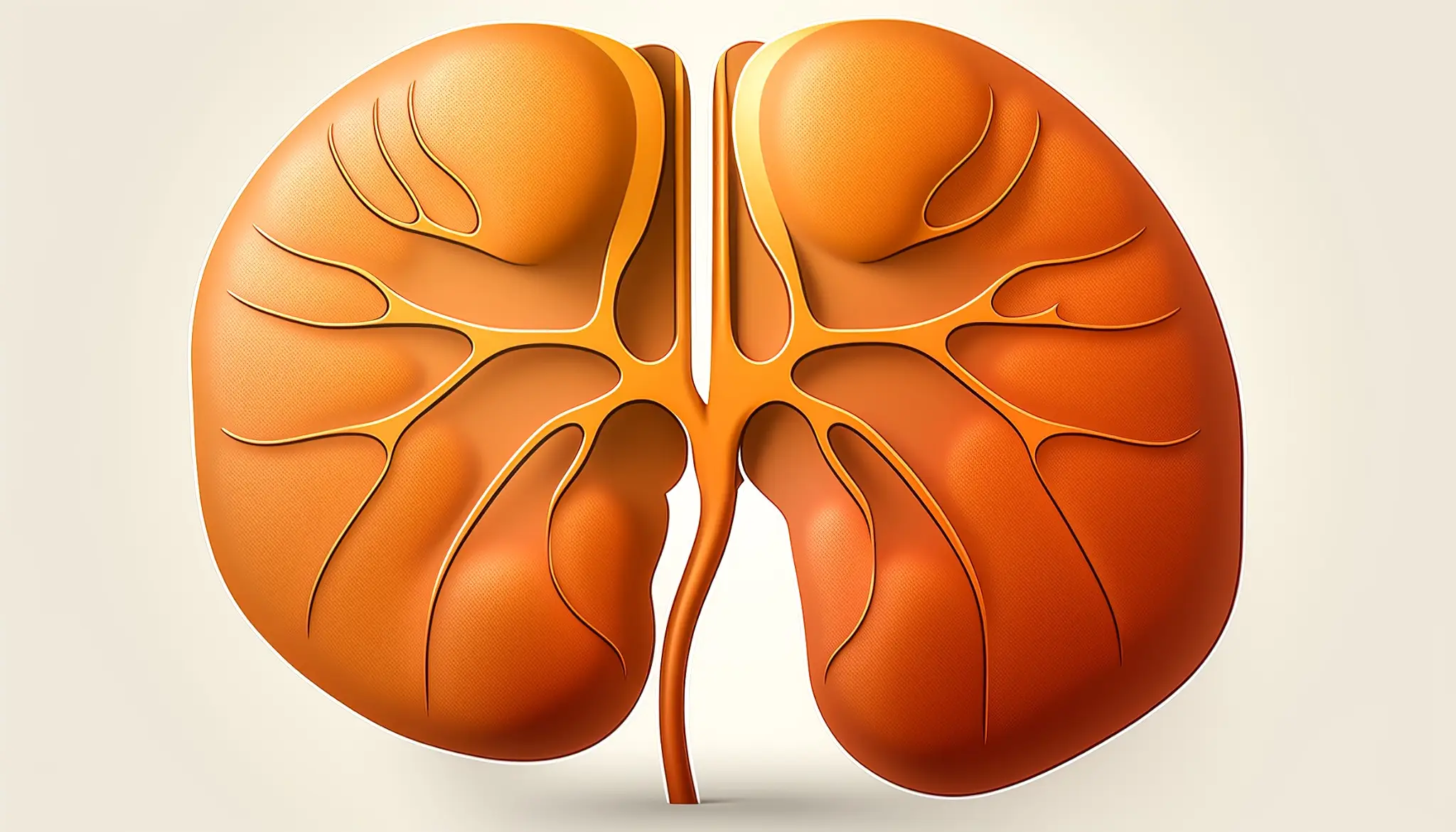
Table of Contents
- What Is a Horseshoe Kidney?
- How a Horseshoe Kidney Develops (Embryology)
- Causes & Risk Factors
- Symptoms of Horseshoe Kidney
- Common Complications
- When to Seek Medical Care
- How Horseshoe Kidney Is Diagnosed
- Tests Used for Horseshoe Kidney
- Associated Conditions
- Treatment for Horseshoe Kidney
- Living With a Horseshoe Kidney
- Lifestyle Tips & Lowering Risk of Complications
- Horseshoe Kidney and Sports: Any Restrictions?
- How Often Should You Monitor a Horseshoe Kidney?
- Can Horseshoe Kidney Lead to Kidney Failure?
- Conclusion
- FAQs
What Is a Horseshoe Kidney?
A horseshoe kidney is a congenital condition where the two kidneys abnormally fuse together during fetal development, typically at their lower poles, forming a U-shaped or horseshoe-like structure connected by a bridge of tissue called the isthmus. Unlike normal kidneys that develop as separate organs, a horseshoe kidney remains as a single, connected unit.
The condition affects kidney positioning, rotation, and blood supply patterns. Instead of ascending to their usual position in the upper abdomen, the fused kidneys often remain lower and may rotate abnormally. This altered anatomy can impact urine drainage and increase the risk of various complications, including kidney infections and hydronephrosis.
How a Horseshoe Kidney Develops (Embryology)
During normal fetal development, the kidneys initially form in the lower abdomen and gradually move upward to their final position in the upper abdomen. As they ascend, the kidneys rotate so that the renal pelvis faces inward toward the spine.
In horseshoe kidney development, this normal process becomes disrupted between the fifth and seventh weeks of pregnancy. The lower portions of the developing kidneys fuse together before they complete their upward journey. This fusion creates the characteristic isthmus that prevents the kidneys from reaching their normal position, causing them to remain lower in the abdomen with abnormal rotation.
Causes & Risk Factors
• Congenital developmental defect: Horseshoe kidney occurs as a developmental abnormality during early fetal life, though the exact underlying cause remains incompletely understood.
• Genetic syndromes: The condition appears more frequently in individuals with certain chromosomal disorders, including Turner syndrome, Down syndrome, Edward syndrome, and Patau syndrome.
• Male gender: Males develop a horseshoe kidney approximately twice as often as females.
• Associated birth defects: Often occur alongside other congenital abnormalities affecting the heart, spine, central nervous system, and genitourinary system.
• Family history: While most cases occur sporadically, rare familial occurrences suggest possible genetic components.
Is Horseshoe Kidney Hereditary?
Most horseshoe kidney cases occur sporadically without direct inheritance patterns. The condition typically develops by chance during fetal development rather than following classic hereditary patterns. However, some families show multiple affected members, suggesting possible genetic predisposition in certain cases. The condition appears more frequently in individuals with inherited chromosomal disorders like Turner syndrome and Down syndrome.
Symptoms of Horseshoe Kidney
• Flank or abdominal pain
• Blood in the urine (hematuria)
• Recurrent urinary tract infections
• Kidney stone symptoms such as severe flank pain, nausea, vomiting, and painful urination
• Signs of hydronephrosis include abdominal swelling, reduced urine output, or recurrent infections
• High blood pressure
Common Complications
• Kidney infections: Abnormal urine drainage and urinary stasis increase infection risk.
• Kidney stones: Affect people with a horseshoe kidney due to slow urine flow and obstruction.
• Hydronephrosis: Kidney swelling from urine backup, often caused by ureteropelvic junction obstruction.
• Obstructive uropathy: Urinary tract blockages that can damage kidney function over time.
• Renal artery abnormalities: May include multiple or unusually positioned arteries that contribute to hypertension.
• Increased tumor risk: Slightly higher risk of certain kidney tumors in horseshoe kidney as compared to normal kidneys, according to the Urology Care Foundation.
• Trauma vulnerability: The lower, more forward position makes the kidneys more susceptible to abdominal injury.
• Chronic kidney disease: Rare but possible due to repeated infections, stones, or chronic obstruction.
Symptoms in Children vs. Adults
|
Feature |
Children |
Adults |
|
Common presentation |
Often detected incidentally; may present with UTIs or poor growth |
Usually asymptomatic; may present with kidney stones or hypertension |
|
UTIs |
More commonly, especially in girls, it may be the first sign. |
Still common but often recurrent rather than an initial presentation |
|
Kidney stones |
Less common in young children; increases with age |
Very common; up to one-third develop stones over time |
|
Growth issues |
Possible if chronic infection or kidney function impairment occurs |
Not applicable; focus on preserving function. |
When to Seek Medical Care
• Recurrent or severe flank or abdominal pain
• Signs of urinary tract infection, such as burning during urination, frequent urination, fever, cloudy or foul-smelling urine
• Blood in urine, whether visible or detected on testing
• Kidney stone symptoms such as severe pain, nausea, vomiting, and difficulty urinating
• Abdominal swelling or a palpable abdominal mass
• Unexplained or difficult-to-control high blood pressure
• Any abdominal trauma, especially with subsequent pain or blood in urine
How Horseshoe Kidney Is Diagnosed
- Medical history and physical examination: The doctor reviews symptoms, family history, and associated conditions.
- Laboratory tests: Urinalysis and blood tests check for infection, blood in urine, and kidney function.
- Initial imaging: Ultrasound typically serves as the first diagnostic imaging study.
- Detailed imaging: A CT scan or an MRI provides a comprehensive anatomical assessment.
- Specialised studies: Additional tests like VCUG or nuclear medicine scans when indicated.
- Functional assessment: Tests evaluate kidney function, drainage, and potential scarring.
- Diagnosis confirmation: Imaging demonstrates a characteristic horseshoe shape and connecting isthmus.
- Complication screening: Additional tests identify associated problems requiring treatment.
Tests Used for Horseshoe Kidney
• Renal ultrasound: First-line imaging showing kidney shape, position, and obstruction signs.
• CT scan: Detailed cross-sectional images are excellent for detecting stones and anatomical details.
• MRI: Provides superior soft tissue contrast without radiation exposure.
• Voiding cystourethrogram: Checks for vesicoureteral reflux in children.
• Nuclear medicine scans: Assess individual kidney function and drainage patterns.
• Urine Routine Test (Urine R/M Test): Detects blood, infection, or protein in urine samples.
• Blood tests: Evaluate kidney function through Serum Creatinine Test, GFR with Creatinine (Adults, above 18 years), and GFR with Creatinine (Children, below 18 years).
Associated Conditions
• Cardiovascular defects: Heart abnormalities requiring cardiac evaluation
• Spinal abnormalities: Vertebral defects affecting spine development
• Central nervous system problems: Brain or spinal cord developmental issues
• Genitourinary abnormalities: Other kidney, bladder, or reproductive organ defects
• Genetic syndromes: Turner syndrome, Down syndrome, and other chromosomal disorders
• Skeletal abnormalities: Bone and joint developmental problems
• Gastrointestinal defects: Digestive system abnormalities
Treatment for Horseshoe Kidney
Horseshoe kidney treatment varies significantly based on symptoms and complications. Many people require no treatment beyond regular monitoring, while others need specific interventions for complications. The treatment approach focuses on managing symptoms, preventing complications, and preserving kidney function rather than correcting the anatomical abnormality itself.
Conservative management includes monitoring kidney function, treating kidney infections promptly, and preventing kidney stone formation through dietary modifications and adequate hydration.
Surgical Options (If Needed)
Surgery becomes necessary only when conservative horseshoe kidney treatment fails to manage complications effectively. Pyeloplasty corrects ureteropelvic junction obstruction, causing hydronephrosis, while kidney stone removal procedures eliminate problematic stones that do not pass naturally.
In rare cases, division of the isthmus (isthmectomy) may be considered when the connecting bridge causes significant obstruction or recurrent problems.
Living With a Horseshoe Kidney
Most people with a horseshoe kidney live completely normal, healthy lives. Many individuals discover their horseshoe kidney incidentally and never experience any related health problems. Understanding that you are at slightly higher risk for kidney stones and infections allows you to take preventive measures and seek prompt treatment when needed.
Lifestyle Tips & Lowering Risk of Complications
• Stay well-hydrated: Drink adequate water daily to promote healthy urine flow and reduce kidney stone risk.
• Maintain good hygiene: Proper genital hygiene helps prevent kidney infections.
• Follow a kidney-healthy diet: Limit sodium- and oxalate-rich foods if you are prone to kidney stones.
• Exercise regularly: Promotes overall health and may help prevent stone formation.
• Avoid holding urine: Empty your bladder regularly to prevent bacterial growth.
• Monitor blood pressure: Regular checks help detect hypertension early.
• Attend regular check-ups: Follow your doctor's recommended monitoring schedule.
Horseshoe Kidney and Sports: Any Restrictions?
Most people with a horseshoe kidney can participate in sports and physical activities without restrictions. However, because the fused kidneys sit lower and more forward in the abdomen, they may be slightly more vulnerable to injury from direct abdominal trauma.
Contact sports such as rugby, boxing, or martial arts may carry a slightly increased risk. Individual assessment with your doctor helps determine appropriate activity levels based on your specific anatomy and overall health status.
How Often Should You Monitor a Horseshoe Kidney?
Monitoring frequency depends on symptoms, complications, and individual risk factors. Asymptomatic individuals typically require annual check-ups, including blood tests, urinalysis, and periodic imaging studies. Those with complications like recurrent kidney infections or kidney stones need more frequent monitoring and specialised care.
Can Horseshoe Kidney Lead to Kidney Failure?
A horseshoe kidney rarely leads to kidney failure when properly managed. Most people maintain normal kidney function throughout their lives with appropriate monitoring and treatment of complications. Kidney failure risk increases only with severe, untreated complications like chronic obstruction, recurrent kidney infections, or extensive kidney stone disease. Early detection and treatment of complications prevent progression to serious kidney damage.
Conclusion
Understanding horseshoe kidney empowers you to manage this congenital condition effectively. While horseshoe kidney symptoms may never appear, being aware of potential complications such as kidney infections and hydronephrosis helps you seek timely medical attention when needed. The key to successful management lies in staying hydrated, maintaining good hygiene, attending regular check-ups, and recognising early warning signs of complications.
At Metropolis Healthcare, we support your health journey with comprehensive diagnostic services designed around your needs. Our extensive network of over 220 laboratories and over 4,600 service centres ensures accessible, accurate testing for kidney function monitoring and complication detection. With convenient at-home sample collection spanning more than 10,000 touchpoints across India, we make health monitoring simple and stress-free.
FAQs
How serious is a horseshoe kidney?
Most cases are not serious and require no treatment. Many people live normal, healthy lives without complications from this condition.
What problems can a horseshoe kidney cause?
Some of the problems this condition can cause are:
• Kidney infections due to altered urine drainage
• Kidney stones from slow urine flow
• Hydronephrosis from urinary obstruction
• Slightly increased vulnerability to abdominal trauma
• Rarely, high blood pressure or kidney tumors
Can you live a normal life with a horseshoe kidney?
Yes, most people with horseshoe kidney live completely normal lives with standard life expectancy and no activity restrictions.
How is a horseshoe kidney diagnosed?
Diagnosis typically involves ultrasound or CT imaging that reveals the characteristic horseshoe-shaped fusion of the two kidneys.
Does a horseshoe kidney need surgery?
Surgery is rarely needed and only considered when complications like severe obstruction or recurrent stones cannot be managed conservatively.
Can a horseshoe kidney cause back pain?
Yes, back or flank pain may occur, especially if complications such as kidney stones or hydronephrosis develop.
Are kidney stones common in a horseshoe kidney?
Yes, kidney stones are common in people with a horseshoe kidney due to altered drainage and slower urine flow.
Can you get pregnant with a horseshoe kidney?
Yes, pregnancy is typically safe with a horseshoe kidney, though increased monitoring may be recommended during pregnancy.
Does a horseshoe kidney affect life expectancy?
No, a horseshoe kidney does not affect life expectancy when properly managed and complications are prevented or treated appropriately.