Home Visit
 Upload






Preventive Healthcare
Home Remedies for Mouth Ulcers: Fast Relief & Why They Appear
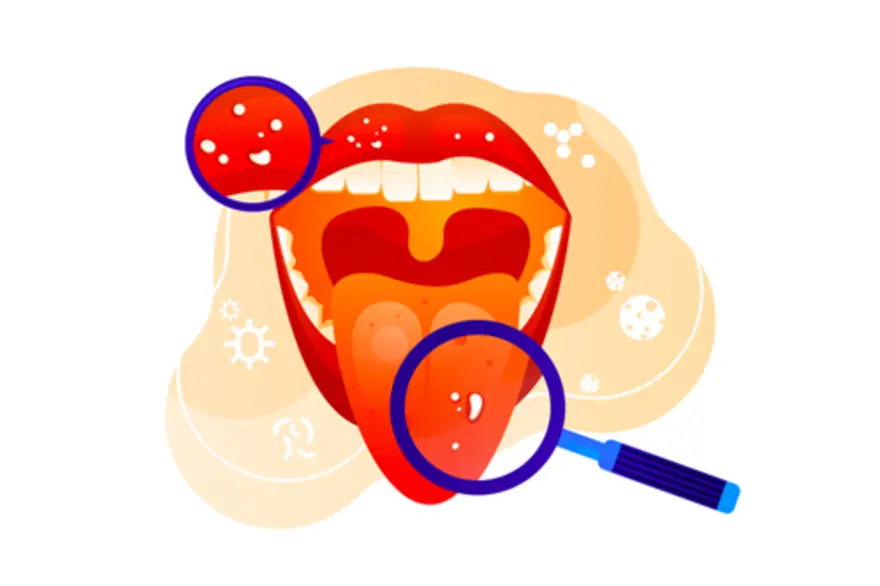
Table of Contents
Mouth ulcers are those small but painful sores inside your mouth. They can make simple actions like eating, drinking, or even smiling uncomfortable. They often appear on the tongue, lips, gums, or inner cheeks and may sting or burn when you talk or brush your teeth.
Most mouth ulcers are harmless and heal naturally within one to two weeks, but frequent or severe ones can indicate underlying issues such as stress, vitamin deficiency, or infection. Understanding why mouth ulcers appear and using the right home remedies for mouth ulcers can help you recover faster, ease discomfort, and prevent them from returning.
What Causes Mouth Ulcers?
According to a study published in the National Library of Medicine (NLM), mouth ulcers are usually caused by irritation, trauma, or an immune response within the mouth. Common causes include:
1. Minor Injury or Local Trauma
Small injuries to the delicate mouth lining are among the most common triggers. These can happen from accidentally biting the cheek or tongue, irritation caused by sharp tooth edges, dental braces, rough fillings, or ill-fitting dentures. Even vigorous brushing or using a hard-bristled toothbrush can damage the mucosa and initiate ulcers.
2. Nutritional Deficiencies
Inadequate intake of essential nutrients such as iron, folate, zinc, and vitamins B12 and C weakens the protective oral mucosa and slows healing. Deficiency-related ulcers tend to recur and may appear larger or more painful. Including leafy vegetables, fruits, dairy, and whole grains in the diet can help prevent such ulcers.
3. Stress and Anxiety
Psychological stress can suppress immune function and increase the body’s inflammatory response, making the mouth’s lining more susceptible to ulcers. Students, working professionals, or individuals under chronic stress often experience recurrent aphthous ulcers due to this immune imbalance.
4. Hormonal Changes
Fluctuations in hormone levels, particularly during menstruation, pregnancy, or menopause, can make the oral tissues more sensitive. Many women report episodes of mouth ulcer symptoms that coincide with these hormonal shifts, often due to changes in immune and mucosal responses.
5. Food Sensitivities and Allergic Reactions
Certain foods—especially citrus fruits, spicy snacks, acidic sauces, or nuts—can irritate the mouth lining and trigger ulcers in sensitive individuals. Preservatives like sodium lauryl sulphate (found in some toothpastes) and artificial flavourings may also act as irritants.
6. Infections
Viral infections (notably herpes simplex virus) are a frequent cause of painful ulcers or blisters inside the mouth. Bacterial or fungal infections can also aggravate existing ulcers or delay their healing. Maintaining oral hygiene and addressing infections early can prevent complications.
7. Systemic Illnesses
Recurrent or persistent mouth ulcers can sometimes indicate underlying health conditions such as inflammatory bowel disease (Crohn’s disease, ulcerative colitis), celiac disease, or autoimmune disorders like lupus or Behçet’s disease. In such cases, ulcers are often accompanied by other systemic symptoms like joint pain, skin rashes, or gastrointestinal issues.
8. Medications
Certain drugs can cause or worsen mouth ulcers as a side effect. Common culprits include nonsteroidal anti-inflammatory drugs (NSAIDs), antibiotics, beta-blockers, and chemotherapy agents. If ulcers appear soon after starting a new medication, consult a doctor for evaluation and possible alternatives.
9. Poor Oral Hygiene and Smoking Cessation
Irregular brushing, excessive plaque buildup, or neglect of oral care can alter the balance of bacteria in the mouth, creating conditions for ulcers to form. Interestingly, some people experience temporary mouth ulcers shortly after quitting smoking, as blood flow and mucosal sensitivity increase during recovery.
Most ulcers are simple aphthous ulcers that heal within one to two weeks. However, persistent, large, or recurrent ulcers may indicate nutritional deficiency, infection, or another underlying condition requiring medical evaluation.
Home Remedies for Mouth Ulcers
Most mild mouth ulcers heal naturally within one to two weeks, but if you’re wondering how to get rid of mouth ulcers quickly, you can ease discomfort and support faster recovery with safe, evidence-based remedies at home.
These natural mouth ulcer treatments at home help reduce pain, soothe inflammation, and promote healing.
1. Saltwater Rinse
Dissolve ½ teaspoon of salt in a cup of warm water. Swish gently for 30 seconds, then spit out. Salt draws out excess fluid, reduces bacteria, and cleans the ulcer surface for quicker healing.
2. Honey Application
Apply a thin layer of honey directly on the ulcer three to four times a day.
Honey’s natural antibacterial and anti-inflammatory effects calm soreness and aid tissue repair.
3. Coconut Oil
Dab a small amount on the sore using a clean cotton bud.
Coconut oil forms a soothing, antimicrobial barrier that protects against friction and infection.
4. Aloe Vera Gel
Apply a small amount of food-grade aloe vera gel twice daily to coat the ulcer.
It cools the area, reduces irritation, helps regenerate healthy tissue and acts as a natural treatment for mouth ulcers.
5. Ice Chips or Cold Compress
Suck on small ice chips or apply a cold compress to numb nerve endings and ease burning or swelling.
6. Turmeric Paste
Mix turmeric powder with a few drops of water or honey, and apply to the ulcer.
Turmeric’s curcumin content provides natural anti-inflammatory and antimicrobial action.
7. Baking Soda (Sodium Bicarbonate) Rinse
Add one teaspoon to a glass of warm water and rinse two to three times a day.
It neutralises mouth acidity and helps soothe ulcers linked to acid irritation.
8. Avoid Trigger Foods
Steer clear of citrus fruits, spicy dishes, alcohol, or very hot foods that can worsen pain.
Opt for soft, mild foods like curd, porridge, rice, and bananas while your mouth heals.
9. Maintain Oral Hygiene
Brush gently with a soft-bristled toothbrush and use alcohol-free mouthwash to prevent secondary infection.
10. Over-the-Counter Support
If pain is significant, topical anaesthetic gels (such as lidocaine or benzocaine) or protective oral gels can provide temporary relief. However, use them only under a pharmacist’s or dentist’s guidance.
Tips to Prevent Mouth Ulcers
Prevention begins with identifying your triggers and maintaining healthy oral hygiene.
Simple, consistent lifestyle measures can help reduce recurrence and promote faster recovery.
1. Eat a Balanced, Nutrient-Rich Diet
Deficiencies in iron, folate, zinc, or vitamins B12 and C weaken the mucosal lining and slow tissue repair. Include plenty of leafy greens, pulses, dairy, citrus fruits, nuts, and whole grains in your daily meals. These nutrients help regenerate oral tissues and build resilience against irritation.
2. Stay Hydrated
Dry mouth increases friction and makes the mucosa more prone to injury. Drink adequate water throughout the day, especially in hot weather or when taking medications that cause dryness. Herbal teas or diluted fruit juices can also help maintain moisture balance.
3. Avoid Known Irritants
Spicy, acidic, salty, or very coarse foods (such as crisps or toast) can aggravate the mouth lining. If you’re prone to ulcers, avoid these during flare-ups. Instead, opt for softer, soothing foods like yoghurt, porridge, and mashed vegetables that are gentle on healing tissues.
4. Manage Stress Effectively
Emotional stress and anxiety disrupt immune balance and can trigger recurrent ulcers. Engage in regular physical activity, mindfulness, yoga, or simple breathing exercises to relax your body. Even short breaks, journaling, or listening to music can help lower stress-related flare-ups.
5. Practice Gentle Oral Hygiene
Use a soft-bristled toothbrush and non-abrasive toothpaste. Avoid alcohol-based mouthwashes, which can irritate the mucosa. Brushing and rinsing gently twice a day keeps bacteria in check and prevents secondary infection around healing ulcers.
6. Prevent Physical Trauma
Accidental cheek bites, sharp tooth edges, or ill-fitting dentures can repeatedly injure the same spot. Ask your dentist to smooth sharp restorations or adjust dentures and braces. Preventing local trauma is one of the simplest ways to avoid chronic or recurrent ulcers.
7. Avoid Tobacco and Alcohol
Smoking, vaping, and alcohol consumption slow the mouth’s natural healing process and make the mucosa more sensitive to infection. Avoiding these habits improves overall oral and systemic health while reducing ulcer recurrence.
8. Support Your Immune System
A strong immune system helps the mouth recover quickly from minor injuries. Prioritise adequate sleep, a nutrient-dense diet, hydration, and moderate physical activity. For individuals with frequent or severe ulcers, a medical evaluation for immune or nutritional issues may be useful.
Good oral care and stress management remain the best defence against frequent mouth ulcers. With mindful habits, you can significantly reduce flare-ups and maintain overall oral wellness.
When to See a Doctor
Most mouth ulcers heal naturally within 7–14 days. However, some ulcers persist or worsen, signalling an underlying issue that needs professional care. Persistent, large, or very painful sores may indicate infection, deficiency, or a systemic condition.
Seek prompt dental or medical advice if:
- Ulcers last longer than two weeks or keep coming back.
- They are unusually large, numerous, or spread across the mouth.
- You develop fever, swollen lymph nodes, or fatigue.
- Eating, drinking, or speaking becomes difficult due to pain.
- The ulcer bleeds, turns white, or shows no sign of healing.
- You experience additional symptoms such as joint pain, diarrhoea, or skin rashes, which may suggest an autoimmune or gastrointestinal condition.
Early diagnosis helps identify causes like nutritional deficiencies, infections, or precancerous changes, ensuring faster recovery and peace of mind.
Conclusion
While mouth ulcers can cause sharp discomfort, most heal on their own with simple care and healthy habits. Using home remedies, like saltwater rinses, honey, aloe vera, or turmeric, helps reduce pain and speed up recovery.
If the ulcers persist, worsen, or occur frequently, it’s best to consult a dentist or doctor to rule out deficiencies or infections.
For diagnostic tests recommended by your clinician, such as nutritional deficiency panels or infection screenings, you can book home sample collection with Metropolis Healthcare. We offer over 4,000 tests, 10,000+ collection centres, and accurate reports backed by a CAP proficiency score exceeding 98%. Book your tests via the Metropolis Healthcare App, website, or WhatsApp.
FAQs
Why do I keep getting mouth ulcers?
Recurring ulcers often arise from nutritional deficiencies (especially B12, iron, and folate), stress, hormonal changes, or irritation from braces and dental work. Chronic cases may indicate an underlying immune or gastrointestinal condition.
How can I make mouth ulcers heal faster?
To get fast relief for mouth ulcers, you can:
- Rinse with warm saltwater 3–4 times daily.
- Apply honey, aloe vera, or turmeric paste for healing.
- Use ice or topical gels for pain relief.
- Avoid spicy or acidic foods until healed.
- Keep the mouth clean with gentle brushing.
Are mouth ulcers contagious?
No. Common aphthous mouth ulcers are not contagious. However, ulcers from viral infections (like herpes simplex) can spread through direct contact, so practising hygiene is essential.
Can certain foods trigger mouth ulcers?
Yes. Citrus fruits (oranges, lemons), spicy dishes, chocolates, and nuts may aggravate the mouth lining in sensitive individuals. Keeping a food diary helps identify triggers.
Can stress cause mouth ulcers?
Yes. Emotional stress affects immune balance and increases the likelihood of ulcer flare-ups. Regular relaxation, adequate sleep, and hydration can reduce recurrence.
References
- https://www.amddentalclinic.com/blogs/10-home-remedies-to-cure-mouth-ulcers
- https://www.who.int/news-room/fact-sheets/detail/oral-health
- https://www.nin.res.in/downloads/DietaryGuidelinesforNINwebsite.pdf
- https://www.nhs.uk/conditions/mouth-ulcers/
- https://pmc.ncbi.nlm.nih.gov/articles/PMC1071433/