Home Visit
 Upload






Preventive Healthcare
Haemorrhage: Types, Causes, Symptoms, Treatment
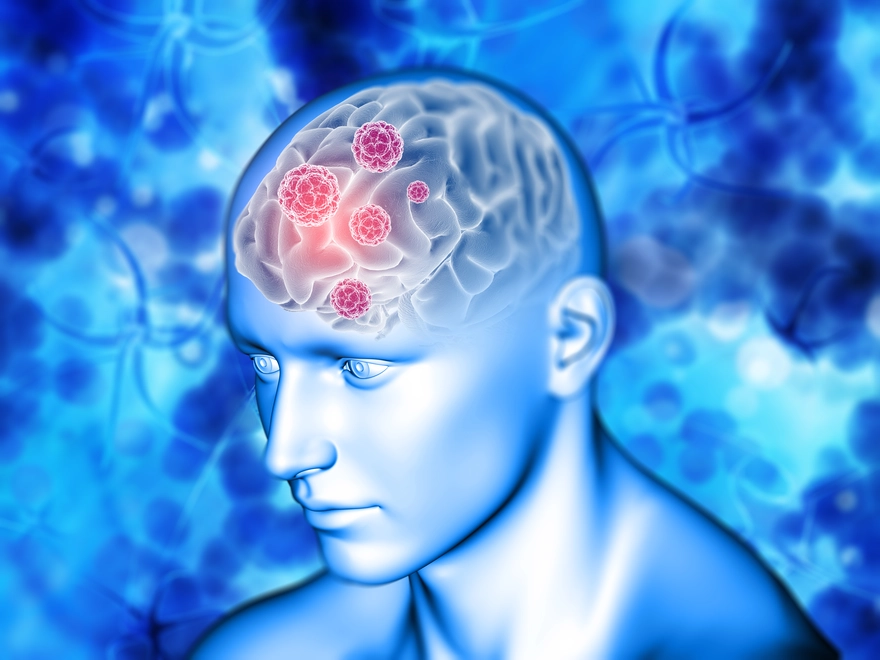
Table of Contents
- What Is a Haemorrhage?
- Types of Haemorrhage
- Internal vs. External Haemorrhage
- Common Haemorrhage Locations
- Causes of Haemorrhage
- What Are the Symptoms of Haemorrhage?
- Diagnosis: How is a Haemorrhage Detected?
- What is the Treatment for a Haemorrhage?
- Complications and Risk Factors
- What Is the Outlook for Someone with Haemorrhage?
- Conclusion
- FAQs
A haemorrhage can be a frightening experience, but having a clear understanding of it can help you feel more in control. Whether it’s for you or someone you care about, knowing the types, causes, symptoms, and treatments of haemorrhages can make all the difference.
While it may seem alarming, most cases can be treated effectively with the right care. In this guide, we will break down the essential information in simple terms so you can approach the situation with confidence and calm.
What Is a Haemorrhage?
A haemorrhage is a loss of blood from damaged blood vessels, which can occur either inside your body (internal bleeding) or outside through a wound. It varies in severity, ranging from minor cases like bruising to life-threatening situations, such as bleeding in the brain.
Depending on the location and extent, the condition requires different levels of attention. When you or someone you care about experiences excessive bleeding, it’s crucial to act quickly, as haemorrhages can lead to serious complications if left untreated.
Types of Haemorrhage
There are several haemorrhage types, each varying in severity and location:
- Haemothorax: Blood collects between the lungs and rib cage, causing difficulty breathing and chest pain.
- Intracranial haemorrhage: Bleeding inside the brain or within layers surrounding it. It can cause life-threatening complications like stroke, raised pressure in the brain, or loss of consciousness.
- Postpartum haemorrhage (PPH): Excessive bleeding after childbirth, which can be life-threatening if not treated promptly.
- Subarachnoid haemorrhage (SAH): Bleeding in the area surrounding the brain, requiring urgent medical attention.
- Subconjunctival haemorrhage: A harmless type of bleeding beneath the eye’s surface.
- Bruises: Minor bleeding under the skin (also called contusions). They are technically small haemorrhages but usually harmless.
- Haematomas: A collection of blood within tissues that can cause swelling and pain.
Each type can present varying levels of risk, so understanding the symptoms and causes is essential for managing the situation effectively.
Internal vs. External Haemorrhage
Internal and external haemorrhages differ mainly in where the bleeding occurs:
- External haemorrhage: This occurs when blood flows out of the body through a wound or body opening, like a nosebleed or cut. It’s often visible, making it easier to manage initially.
- Internal haemorrhage: Bleeding that happens inside the body, in places such as the brain, abdomen, or chest. It’s harder to detect and can be more dangerous due to the potential for hidden damage to organs and tissues.
External haemorrhages can typically be treated with pressure and first aid, whereas internal haemorrhages may require imaging and immediate medical care to identify the bleeding’s location and cause.
Common Haemorrhage Locations
Haemorrhages can occur in various parts of your body, with some locations being more critical than others:
- Head and brain: Bleeding in the brain (e.g., from an injury or stroke) can lead to confusion, seizures, or loss of consciousness.
- Chest: Internal bleeding can cause difficulty breathing, pain, and coughing up blood, typically indicating trauma to organs like the lungs.
- Abdomen: Abdominal bruising, swelling, and signs of internal bleeding may point to organ damage or ruptures.
- Limbs and muscles: Blood can pool in muscles, causing swelling and pain. Severe cases may require surgery.
- Eyes: Subconjunctival haemorrhage is bleeding in the eye's white part, usually harmless but noticeable.
These locations require timely intervention to prevent serious complications, as the bleeding may obstruct blood flow to vital organs.
Causes of Haemorrhage
Several factors contribute to haemorrhage causes. The damage to blood vessels may stem from various conditions and situations:
- Trauma and injury: Accidents, falls, or accidents like gunshots or knife wounds can lead to severe bleeding.
- Blood disorders: Conditions like haemophilia or blood clotting issues increase the risk of bleeding.
- Medications: Drugs like blood thinners (e.g., aspirin, warfarin) can make the blood less likely to clot.
- Vascular diseases: Conditions like aneurysms or other vessel-related diseases can lead to spontaneous bleeding.
- Infections: Viral haemorrhagic fevers (e.g., Ebola, dengue fever) can weaken blood vessels and cause bleeding.
- Chronic conditions: Liver disease (often linked to alcohol use disorder), cancers, and certain autoimmune diseases can interfere with clotting or damage blood vessels, increasing the risk of haemorrhage.
Understanding the underlying causes is crucial in treating haemorrhages effectively, as they directly influence the choice of treatment.
What Are the Symptoms of Haemorrhage?
The haemorrhage symptoms can vary depending on the type and location of the bleeding. Recognising early signs helps in seeking appropriate care:
- External bleeding: Noticeable through cuts, nosebleeds, or visible bruising.
- Internal bleeding: May cause dizziness, weakness, and fatigue, especially if it leads to a significant loss of blood.
- Brain: Sudden headaches, confusion, vision changes, or weakness on one side of the body.
- Chest: Difficulty breathing, pain in the chest, and coughing up blood.
- Abdomen: Swelling, abdominal pain, and vomiting blood are key signs.
- Limbs: Pain, swelling, or bruising from injury.
Seek immediate medical attention if you experience signs of internal bleeding, such as unexplained dizziness or fatigue, as these could be signs of significant blood loss.
Diagnosis: How is a Haemorrhage Detected?
A haemorrhage is diagnosed through physical examination, considering your symptoms and medical history. For internal bleeding, which can be harder to detect, doctors may perform tests like:
- Imaging tests: X-rays, CT scans, or MRIs help pinpoint the exact location of the bleeding.
- Blood tests: These evaluate your blood count and clotting ability to understand the extent of the haemorrhage.
- Endoscopy or ultrasound: These techniques may be used if the bleeding is in the digestive tract or abdominal area.
Diagnosis often requires immediate and thorough evaluation to determine the cause and how to treat the condition best.
What is the Treatment for a Haemorrhage?
Haemorrhage treatment depends on various factors, such as its location, severity, and the underlying cause:
- For external bleeding: Applying direct pressure to the wound and elevating the injured limb can help reduce bleeding, but only if it does not cause further injury. In severe limb bleeding, a tourniquet may be applied by trained personnel.
- For external bleeding: Applying firm direct pressure to the wound is the first step. Elevating the limb can help reduce bleeding, but only if it does not cause further injury. In severe limb bleeding, a tourniquet may be applied by trained personnel.
- For internal bleeding: Medical imaging helps doctors find the exact location, and treatments may include surgery, blood transfusions, or medications to control bleeding.
- Surgical intervention: If the haemorrhage is caused by a ruptured blood vessel or organ, surgery may be required to repair the damage.
- Medications: Vitamin K may be used to reverse the effects of certain blood thinners. Other reversal agents may be needed. Blood transfusions replace lost blood.
- Ongoing care: After stabilisation, hospitalisation may be necessary to monitor the patient and prevent complications such as emergency bleeding or rebleeding.
The goal of treatment is to stop the bleeding, treat the underlying cause, and stabilise the patient’s condition. In severe cases, the use of life-saving measures such as emergency bleeding interventions may be required.
Complications and Risk Factors
Several complications and risk factors are associated with haemorrhages, including:
- Blood loss: Severe haemorrhages can lead to shock, organ failure, or even death.
- Rebleeding: In some cases, haemorrhages may recur, especially if the underlying condition is not addressed.
- Neurological issues: Brain haemorrhages can cause permanent brain damage or neurological impairments.
- Blood clots: Following haemorrhage, immobility or vessel injury can increase the risk of clot formation, such as deep vein thrombosis (DVT).
Certain conditions, like blood disorders, can increase the risk of a haemorrhage, making it crucial to manage your health and seek early intervention.
What Is the Outlook for Someone with Haemorrhage?
The outlook for someone with a haemorrhage depends on several factors:
- Location and severity: The location of the bleeding and its severity will impact the recovery process. Brain and chest haemorrhages are more critical than minor bruising.
- Speed of treatment: The quicker you seek medical attention, the better your chances for recovery.
- Underlying health conditions: Those with existing health issues may face longer recovery times or complications.
With proper and timely medical intervention, most people recover from a haemorrhage. However, the prognosis can vary widely based on the type of haemorrhage and the treatment received.
Conclusion
A haemorrhage can be alarming, but knowing the different haemorrhage types, causes, symptoms, and treatments can help you stay calm and act quickly. Immediate medical attention is crucial to prevent complications.
For those seeking reliable diagnostics, Metropolis Healthcare provides comprehensive testing services, including home visits, ensuring accurate results with minimal hassle. Their advanced labs and experienced team help you manage your health with confidence and ease.
FAQs
Why does haemorrhage cause death?
Severe haemorrhage leads to significant blood loss, depriving organs of oxygen, causing organ failure, shock, or other life-threatening complications if untreated.
How do I know if I'm bleeding internally?
Signs of internal bleeding include dizziness, pain, swelling, bruising, and fainting. Seek medical attention if you experience these symptoms for proper evaluation.
How do you control haemorrhage?
To control haemorrhage, apply direct pressure to wounds, elevate injured limbs, and use a tourniquet if necessary. Seek emergency medical help immediately.
Can you survive internal bleeding without treatment?
Surviving internal bleeding without treatment is rare. Without intervention, it can cause organ damage, shock, or death. Immediate medical care is essential.
What is the difference between haemorrhage and bleeding?
'Haemorrhage' refers to significant blood loss from damaged vessels, while 'bleeding' is a general term for any loss of blood, internal or external.