Home Visit
 Upload






Preventive Healthcare
Chambers of the Heart: How Your Heart Works & Why It Matters
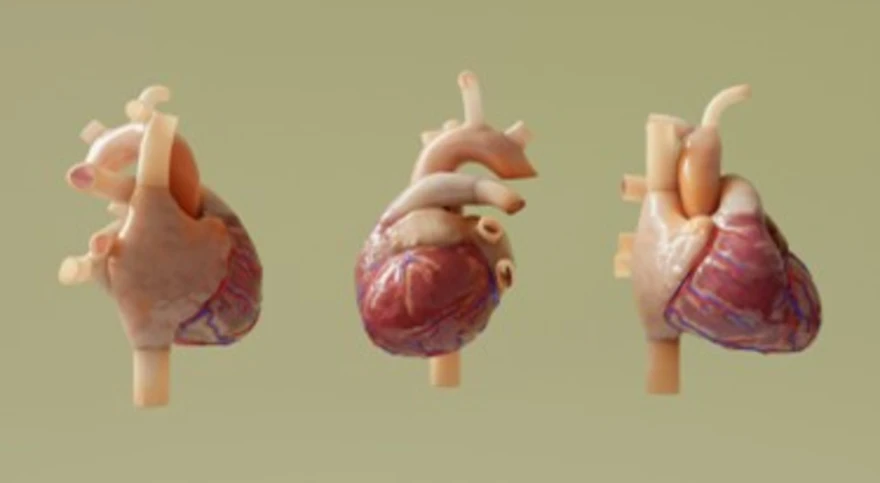
Table of Contents
- What Are the 4 Chambers of the Heart?
- Structure and Function of the Atria
- Structure and Function of the Ventricles
- How Blood Flows Through the Heart
- Heart Disease and How It Affects the Heart Chambers
- Heart Attack: The Impact on Heart Chambers
- Congestive Heart Failure and the Heart Chambers
- Signs and Symptoms of Heart Problems Related to the Chambers
- Preventing Heart Disease: Keeping Your Heart Chambers Healthy
- Conclusion
- FAQs
- References
What Are the 4 Chambers of the Heart?
The human heart contains four distinct chambers, each serving a specific purpose in maintaining healthy circulation. The 4 chambers of the heart consist of two upper chambers, called atria, and two lower chambers, called ventricles. This four-chambered design represents one of nature's most efficient pumping systems.
The heart chambers are divided into right and left sides, with each side handling different types of blood circulation. The right side manages deoxygenated blood returning from your body, while the left side handles oxygen-rich blood destined for your organs and tissues. Understanding the advantage of having a four-chambered heart becomes clear when you consider how this separation prevents oxygen-rich and oxygen-poor blood from mixing.
According to the American Heart Association, the heart’s four chambers and four valves work together as a coordinated pump: the atria receive blood, the ventricles push it out, and the valves ensure it flows forward through the lungs and body in a continuous loop. This systematic approach ensures efficient blood flow throughout your cardiovascular system, supporting every cell in your body with the nutrients and oxygen they need to function properly.
Structure and Function of the Atria
The atria serve as the receiving chambers of your heart, with thin walls designed to collect blood returning from circulation. The right atrium, or upper chamber of the heart on the right side, receives deoxygenated blood from your body through large veins called the superior and inferior vena cavae. Meanwhile, the left atrium collects oxygen-rich blood returning from your lungs through the pulmonary veins.
These heart chambers have relatively thin walls because they don't need to generate high pressure. They simply collect blood and gently push it into the ventricles below. The atria contract slightly before the ventricles, ensuring the lower chambers fill completely before pumping blood out to the body and lungs.
When heart disease affects the atria, you might experience irregular heartbeats or reduced filling capacity. Conditions like atrial fibrillation can disrupt the normal rhythm of these chambers, potentially leading to complications if left untreated.
Structure and Function of the Ventricles
The ventricles are the powerhouse chambers of your heart, featuring thick muscular walls designed for forceful contractions. The right ventricle pumps deoxygenated blood to your lungs for oxygenation, while the left ventricle, the largest chamber of the heart, pumps oxygen-rich blood throughout your entire body.
The left ventricle has the thickest walls of all heart chambers because it must generate enough pressure to pump blood through the systemic circulation. This chamber typically measures about 8–12 millimeters thick in healthy adults, significantly thicker than other heart chambers. The right ventricle, dealing with the shorter journey to the lungs, has thinner walls but still maintains considerable strength.
These heart chambers are particularly vulnerable to damage from heart attacks and heart disease. When coronary arteries become blocked, the affected ventricle may weaken, leading to reduced pumping efficiency and potentially heart failure.
How Blood Flows Through the Heart
Blood circulation through the heart chambers follows a precise sequence that ensures efficient oxygen delivery and waste removal:
- Deoxygenated blood enters the right atrium from your body through the superior and inferior vena cavae.
- Blood flows from the right atrium to the right ventricle through the tricuspid valve.
- The right ventricle pumps blood to the lungs via the pulmonary artery for oxygenation.
- Oxygenated blood returns to the left atrium from the lungs through pulmonary veins.
- Blood moves from the left atrium to the left ventricle through the mitral valve.
- The left ventricle pumps oxygen-rich blood into the aorta, distributing it throughout your body.
- The cycle repeats continuously, maintaining constant circulation.
This systematic flow demonstrates what is the advantage of having a four-chambered heart, complete separation of oxygenated and deoxygenated blood, maximizing oxygen delivery efficiency.
The Role of Heart Valves in Circulation
Heart valves act as one-way gates between the heart chambers, ensuring blood flows in the correct direction. The tricuspid valve separates the right atrium and ventricle, while the mitral valve separates the left chambers. Additionally, the pulmonary valve controls flow from the right ventricle to the lungs, and the aortic valve manages flow from the left ventricle to the body.
When heart valve disease develops, these structures may not open or close properly, affecting blood flow through the heart chambers. This can lead to symptoms like shortness of breath, fatigue, and chest discomfort. Heart valves require regular monitoring, especially as we age, since valve problems can significantly impact heart function.
Heart Disease and How It Affects the Heart Chambers
Heart disease can dramatically alter how your heart chambers function, leading to various complications that affect your overall health. Coronary artery disease, the most common form of heart disease, restricts blood flow to the heart muscle itself, potentially damaging the chamber walls and reducing their pumping ability.
As heart disease progresses, the heart chambers may enlarge (dilate) or thicken (hypertrophy) as they work harder to maintain circulation. This adaptation, while initially helpful, can eventually lead to heart failure if the underlying condition isn't addressed. The 4 chambers of the heart and their functions become compromised when disease affects the heart muscle, valves, or electrical system.
High blood pressure, diabetes, and high cholesterol are major risk factors for heart disease, gradually damaging the delicate structures within the heart chambers. Early detection and treatment of these risk factors can prevent or slow the progression of heart disease, preserving the normal function of your heart chambers.
Heart Attack: The Impact on Heart Chambers
A heart attack occurs when blood flow to part of the heart muscle becomes blocked, typically affecting the ventricles most severely. During a heart attack, portions of the heart chamber walls may die due to a lack of oxygen, creating areas of scar tissue that cannot contract effectively.
The left ventricle, being the largest chamber of the heart, is often most affected by heart attacks. When this happens, the heart’s ability to pump blood efficiently throughout the body becomes compromised. Some people may experience heart failure following a heart attack if significant damage occurs to the chamber walls.
Modern treatments can minimise damage and help preserve heart function, but prevention remains the best strategy for protecting your heart chambers from attack-related damage.
Congestive Heart Failure and the Heart Chambers
Congestive heart failure develops when the heart chambers cannot pump blood effectively, leading to fluid accumulation in the lungs, legs, and other body tissues. This condition can result from various causes, including previous heart attacks, high blood pressure, or heart valve disease affecting the normal function of the heart chambers.
In congestive heart failure, the heart chambers may become enlarged and weakened, or they may become stiff and unable to fill properly. Both scenarios compromise the heart's ability to maintain adequate circulation, leading to symptoms like shortness of breath, swelling, and fatigue.
What is the advantage of having a four-chambered heart becomes particularly relevant in heart failure, as the condition can affect how efficiently the chambers separate and move oxygenated and deoxygenated blood. Treatment focuses on helping the heart chambers work more efficiently and reducing the workload on the failing heart.
Signs and Symptoms of Heart Problems Related to the Chambers
Recognising symptoms of heart chamber problems can be life-saving, as early intervention often leads to better outcomes:
- Shortness of breath, especially during activity or when lying flat: It occurs when weakened heart chambers can’t pump efficiently, causing fluid buildup in the lungs.
- Persistent fatigue that doesn’t improve with rest: This results from reduced blood flow to muscles and organs when the chambers fail to circulate enough oxygen-rich blood.
- Swelling in legs, ankles, or feet due to fluid retention: It happens when poor chamber function leads to blood backing up in the veins, causing fluid leakage into tissues.
- Rapid or irregular heartbeat indicating chamber rhythm problems: Suggests electrical disturbances in the atria or ventricles affecting coordinated pumping.
- Chest pain or pressure that may signal reduced blood flow: It can arise when the heart chambers struggle to supply adequate oxygen to the heart muscle itself.
- Dizziness or light headedness from reduced cardiac output: This occurs when malfunctioning chambers fail to maintain normal blood pressure and brain perfusion.
- Persistent cough that may indicate fluid in the lungs: It develops when fluid accumulates due to left-sided chamber dysfunction or early heart failure.
These symptoms warrant prompt medical evaluation, as they may indicate problems with how your heart chambers are functioning. Early diagnosis and treatment can often prevent progression to more serious conditions like heart failure.
Preventing Heart Disease: Keeping Your Heart Chambers Healthy
Maintaining healthy heart chambers requires a comprehensive approach to cardiovascular wellness:
• Adopt a heart-healthy diet rich in fruits, vegetables, whole grains, and lean proteins, while limiting processed foods, excess sodium, and saturated fats.
• Exercise regularly with at least 150 minutes of moderate activity weekly to strengthen heart chambers and improve circulation.
• Avoid smoking and limit alcohol consumption, as both can damage heart tissue and affect chamber function.
• Maintain a healthy weight to reduce strain on your heart chambers.
• Manage chronic conditions like diabetes, high blood pressure, and high cholesterol that can damage heart chambers over time.
• Get adequate sleep, as poor sleep quality can contribute to heart disease development.
• Manage stress effectively through relaxation techniques, as chronic stress affects heart health.
What Causes Heart Disease in the Chambers?
Several factors contribute to heart disease affecting the chambers, including atherosclerosis (plaque buildup in arteries), high blood pressure that forces chambers to work harder, diabetes that damages blood vessels, genetic predisposition, and lifestyle factors like smoking and poor diet. Understanding these causes helps you take preventive action to protect your heart chambers from disease.
Age also plays a role, as the heart chambers naturally change over time. However, maintaining healthy habits can significantly slow age-related changes and preserve heart chamber function well into older age.
The Importance of Regular Checkups for Heart Health
Regular health checkups allow healthcare providers to monitor your heart chambers’ function through various tests and examinations. These visits can detect early signs of heart disease, assess risk factors, and implement preventive measures before serious problems develop.
Blood tests can reveal markers of heart damage, while imaging studies can show how well your heart chambers are functioning. Early detection of problems affecting the 4 chambers of the heart and their functions enables prompt treatment that can prevent progression to heart failure or other serious complications.
Conclusion
Understanding how the four chambers of the heart work together gives you a clearer view of why timely screening matters, especially when conditions like heart disease, heart attack, and congestive heart failure can silently affect the atria and ventricles. Regular preventive tests help detect risks early.
Metropolis Healthcare makes your heart care easier and more reliable. With 4000+ tests, advanced full body checkups, specialty cardiac testing, and home sample collection supported by 10,000+ touchpoints, you get fast, accurate results without any hassle. You can book instantly through our website, app, or WhatsApp, or by phone, and trust our NABL- and CAP-accredited labs to help you protect your heart health with confidence.
FAQs
What is the function of the heart chambers?
The heart chambers work together to maintain circulation throughout your body. The atria receive blood returning to the heart, while the ventricles pump blood out to the lungs and body. This coordination ensures continuous oxygen and nutrient delivery to all your organs and tissues.
What are the signs of a heart attack?
Heart attack symptoms include chest pain or pressure, pain radiating to the arm, back, neck, or jaw, shortness of breath, sweating, nausea, and light headedness. These symptoms require immediate emergency medical attention, as prompt treatment can minimise damage to the heart chambers.
How does congestive heart failure affect the heart chambers?
Congestive heart failure causes the heart chambers to become weak or stiff, making it difficult to pump blood effectively. This leads to fluid buildup in the body, chamber enlargement, and progressive decline in heart function if not properly managed.
What causes irregular heartbeats related to the heart chambers?
Irregular heartbeats can result from structural changes to the heart chambers, damage from heart attacks, high blood pressure, or problems with the heart’s electrical system. These rhythm disturbances can affect how efficiently the chambers fill and empty.
How can I keep my heart chambers healthy?
Maintain heart chamber health through regular exercise, a balanced diet, avoiding smoking, managing weight, controlling blood pressure and cholesterol, getting adequate sleep, and having regular medical checkups to monitor your cardiovascular health.
References
- https://www.heart.org/en/health-topics/congenital-heart-defects/about-congenital-heart-defects/how-the-healthy-heart-works
- https://my.clevelandclinic.org/health/body/23074-heart-chambers
- https://medlineplus.gov/ency/imagepages/19612.htm
- https://www.mayoclinic.org/diseases-conditions/heart-disease/symptoms-causes/syc-20353118