Home Visit
 Upload






Preventive Healthcare
Blood Flow Through The Heart: Understanding Your Heart's Circulation
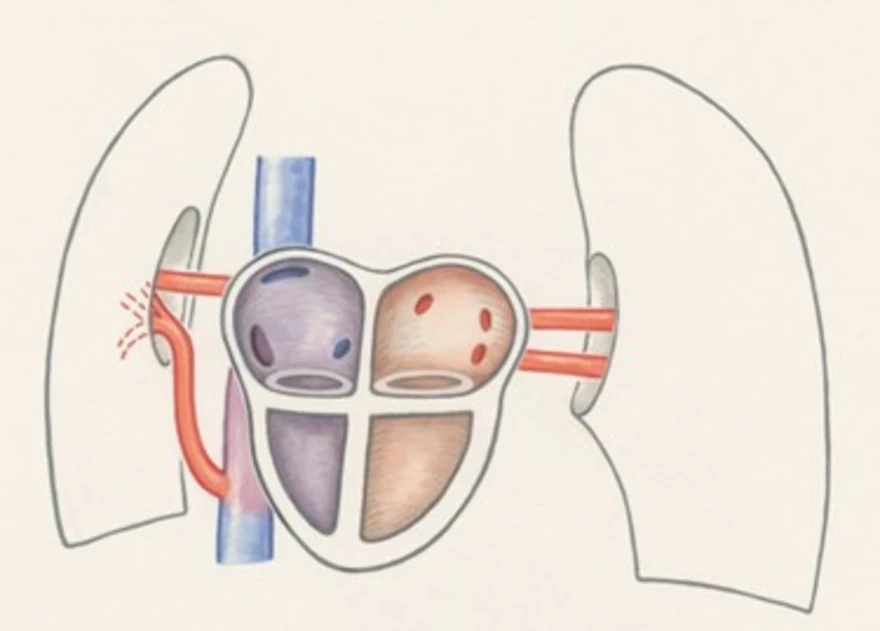
Table of Contents
- What Is the Role of Blood Flow Through the Heart and Body?
- What Is the Heart’s Circulation System?
- Basic Anatomy of the Heart: Chambers, Valves & Vessels
- Heart Valves: Ensuring One-Way Flow and Preventing Backflow
- Coronary Circulation: Supplying the Heart Muscle Itself
- What Is the Order of Blood Flow Through the Heart (Step-By-Step)?
- How the Heart’s Circulation Links to the Rest of the Body
- Common Conditions That Disrupt Blood Flow Through the Heart
- Signs and Symptoms of Impaired Heart Circulation
- Diagnostic Tests for Detecting Impaired Cardiac Circulation
- How to Assess and Test Blood Flow Through the Heart
- Lifestyle and Habits to Support Healthy Blood Flow Through the Heart
- When to Seek Medical Advice: Red Flags for Heart Circulation Problems
- How Geography, Lifestyle and Regional Diet Affect Heart Circulation Globally
- Technological and Surgical Interventions When Blood Flow Is Severely Impaired
- Conclusion
- FAQs
- References
What Is the Role of Blood Flow Through the Heart and Body?
Blood flow through the heart ensures that every cell receives oxygen-rich blood, and waste products, such as carbon dioxide, are removed. This constant circulation keeps your brain active, supports muscle function, regulates body temperature, and protects organs. If blood flow is disrupted, conditions like heart disease, heart failure and heart attack can occur due to inadequate oxygen supply.
What Is the Heart’s Circulation System?
Your heart has two main circulation loops:
- Pulmonary circulation: Sends deoxygenated blood to the lungs to pick up oxygen.
- Systemic circulation: Sends oxygen-rich blood from the heart to the rest of the body.
This dual system ensures efficient gas exchange and high-pressure blood delivery, one major advantage of having a four-chambered heart.
Basic Anatomy of the Heart: Chambers, Valves & Vessels
Your heart contains four distinct chambers that facilitate blood flow through the heart:
• Right atrium: Receives deoxygenated blood from your body.
• Right ventricle: Pumps blood to your lungs for oxygenation.
• Left atrium: Receives oxygen-rich blood from your lungs.
• Left ventricle: Pumps oxygenated blood throughout your body.
The heart valves ensure one-way blood flow:
• Tricuspid valve: Between the right atrium and ventricle.
• Pulmonary valve: Between the right ventricle and the pulmonary artery.
• Mitral valve: Between the left atrium and ventricle.
• Aortic valve: Between the left ventricle and the aorta.
How Blood Enters the Heart: Venous Return to the Right Side
Blood returns to your heart through a systematic process:
- Deoxygenated blood from your upper body returns via the superior vena cava.
- Blood from your lower body returns through the inferior vena cava.
- Both vessels empty into your right atrium.
- The right atrium contracts, pushing blood through the tricuspid valve into the right ventricle.
Pulmonary Circulation: From the Right Ventricle to the Lungs and Back
In the lungs, the blood releases carbon dioxide and absorbs oxygen. Oxygen-rich blood then returns to the left atrium through the pulmonary veins. This well-oxygenated blood will now enter the systemic circulation.
Systemic Circulation: The Left Side of the Heart Pumps Oxygen-Rich Blood to the Body
The systemic circulation completes the blood flow through the heart process:
- Oxygenated blood enters your left atrium from the pulmonary veins.
- The left atrium contracts, pushing blood through the mitral valve.
- Blood fills your left ventricle, your heart's most powerful chamber.
- The left ventricle contracts, forcing blood through the aortic valve into the aorta.
- The aorta branches into smaller arteries, delivering oxygen-rich blood throughout your body.
Heart Valves: Ensuring One-Way Flow and Preventing Backflow
Heart valves act like gates, ensuring blood moves only forward. If they become stiff, narrow or leaky, a condition called heart valve disease occurs. Due to this, blood flow is disrupted, increasing the risk of heart failure, fatigue and shortness of breath. Healthy valves prevent backflow and keep the circulation efficient.
According to the National Heart, Lung, and Blood Institute (NHLBI), the heart’s valves open and close in coordination with each heartbeat, using flaps called cusps or leaflets to maintain one-way blood flow and prevent backflow. Valve diseases can cause either backward leakage or slowed blood flow through the heart.
Coronary Circulation: Supplying the Heart Muscle Itself
The heart has its own set of arteries, the coronary arteries, that supply oxygen-rich blood to the heart muscle. Without this supply, the heart cannot pump effectively. Blockages in these arteries can lead to a heart attack, damaging heart tissue and impairing blood circulation.
What Is the Order of Blood Flow Through the Heart (Step-By-Step)?
Understanding blood flow through the heart step by step helps you appreciate this remarkable process:
- Deoxygenated blood enters the right atrium from the vena cava.
- Blood passes through the tricuspid valve into the right ventricle.
- The right ventricle pumps blood through the pulmonary valve to the lungs.
- Oxygenated blood returns from the lungs to the left atrium via pulmonary veins.
- Blood flows through the mitral valve into the left ventricle.
- The left ventricle pumps blood through the aortic valve into the aorta.
- The aorta distributes oxygenated blood throughout your body.
- Deoxygenated blood returns to the right atrium, completing the cycle.
How Much Blood Does the Heart Pump and How Often?
Your heart's pumping capacity demonstrates the efficiency of blood flow through the heart:
• Stroke volume: 70-80 millilitres per beat in healthy adults
• Heart rate: 60-100 beats per minute at rest
• Cardiac output: 5-6 litres per minute
• Daily pumping volume: Approximately 7,500 litres
How the Heart’s Circulation Links to the Rest of the Body
Heart circulation drives oxygen delivery, waste removal, immune support, hormone transport and overall metabolic activity. Any disruption in the circulation affects vital organs like the kidneys, brain, liver and muscles. This is why identifying early symptoms of heart disease and congestive heart failure is crucial.
Common Conditions That Disrupt Blood Flow Through the Heart
Several conditions can significantly impair blood flow through the heart:
• Heart disease: Narrow or blocked coronary arteries, reducing blood supply to the heart muscle.
• Heart attack: Completely blocked coronary arteries, causing heart muscle death.
• Congestive heart failure: Weakens the heart's pumping ability, reducing circulation efficiency.
• Heart valve disease: Prevents proper valve function, disrupting normal blood flow patterns.
• Arrhythmias: Irregular heartbeats that affect pumping efficiency.
How Does Heart Disease Affect Blood Flow Through the Heart?
Heart disease narrows arteries, weakens pumping ability and damages heart muscle. This reduces oxygen supply and slows blood flow, increasing the workload on the heart.
What Happens During a Heart Attack (Myocardial Infarction) and Flow Disruption?
A heart attack occurs when a coronary artery suddenly becomes blocked. The heart muscle receives no oxygen, leading to tissue death and impaired pumping ability. Blood flow drops sharply during this event.
How Does Congestive Heart Failure Impair Blood Flow Through the Heart?
In congestive heart failure, the heart cannot pump blood effectively. Blood backs up into the lungs and veins, causing swelling, fatigue and reduced oxygen delivery.
Signs and Symptoms of Impaired Heart Circulation
Recognizing these warning signs of disrupted blood flow through the heart can be life-saving:
- Chest pain or pressure: Often described as squeezing or burning.
- Shortness of breath: Especially during activity or while lying flat.
- Fatigue and weakness: Unusual tiredness during normal activities.
- Swelling: Particularly in the legs, ankles, and feet
- Irregular heartbeat: Palpitations or skipped beats
- Dizziness or fainting: Due to reduced blood flow to the brain.
- Persistent cough: Sometimes producing pink or white phlegm.
Diagnostic Tests for Detecting Impaired Cardiac Circulation
Healthcare providers use several tests to evaluate blood flow through the heart:
• Electrocardiogram (ECG): Records your heart's electrical activity.
• Echocardiogram: Uses ultrasound to visualize heart structure and function.
• Stress tests: Evaluate heart performance during exercise.
• Cardiac Catheterization: Directly visualizes the coronary arteries.
• Cardiac Screen Profile: Helps evaluate heart function and risk factors
• Blood tests: Detect markers of heart damage or stress.
How to Assess and Test Blood Flow Through the Heart
Modern medical technology offers several methods to visualise and assess blood flow through the heart:
• Doppler echocardiography: Shows blood flow direction and velocity
• Nuclear stress tests: Use radioactive tracers to highlight blood flow patterns
• Cardiac MRI: Provides detailed images of heart structure and function.
• CT angiography: Creates detailed images of the coronary arteries.
Lifestyle and Habits to Support Healthy Blood Flow Through the Heart
A heart-healthy lifestyle reduces your risk of heart disease, heart attack and congestive heart failure. A balanced diet, regular exercise, low salt intake, avoiding smoking, stress management, and regular medical checkups can improve overall circulation.
When to Seek Medical Advice: Red Flags for Heart Circulation Problems
Seek immediate medical care if you experience chest pain, severe breathlessness, sudden weakness, or fainting, as these may signal a serious disruption in blood flow that needs urgent treatment. Persistent fatigue, swelling, or irregular heartbeats also warrant prompt evaluation. Early intervention can prevent complications and protect heart function. If something feels wrong, don’t delay getting checked.
How Geography, Lifestyle and Regional Diet Affect Heart Circulation Globally
Urban diets high in salt and fats, sedentary lifestyles and pollution increase rates of heart disease. Conversely, Mediterranean and Japanese diets rich in fish and vegetables are linked with healthier blood flow and a lower risk of heart attack.
Technological and Surgical Interventions When Blood Flow Is Severely Impaired
When lifestyle changes and medicines aren’t enough to improve blood flow, advanced treatments are used. Angioplasty with stent placement opens blocked arteries, while bypass surgery creates new routes for blood to flow. Severe heart valve disease may require valve repair or replacement. In advanced heart failure, devices like pacemakers or, in rare cases, heart transplantation help maintain proper circulation.
Conclusion
Understanding how blood flows through the heart helps you Recognize early signs of heart disease, heart attack, and congestive heart failure, conditions where timely testing can make all the difference.
At Metropolis Healthcare, you get access to over 4,000 specialised tests, including advanced cardiac profiles and full body checkups designed to assess your heart health comprehensively. With trusted home sample collection across 10,000+ touchpoints, quick turnaround times, and high-accuracy reporting, prioritizing your heart has never been easier. You can book tests effortlessly through our website, app, WhatsApp, or a simple phone call, making high-quality diagnostics accessible. When it comes to protecting your heart and overall wellness, Metropolis ensures reliable results, specialised expertise, and seamless care every step of the way.
FAQs
How long does it take for blood to flow through the heart?
A single round takes less than one minute at rest and becomes faster during exercise.
What happens if blood flow through the heart is blocked?
Blockage causes a heart attack or severe heart failure, reducing oxygen supply and damaging tissues.
Can improving my diet improve the blood flow through my heart?
Yes, foods rich in fiber, antioxidants, omega-3 fats, and low salt significantly improve blood circulation.
How is blood flow through the heart different in children vs adults?
Children have faster heart rates and higher blood flow relative to body size, but the pathway is the same.
How does high blood pressure or high cholesterol affect blood flow through the heart?
Both narrow and stiffen arteries, slowing blood flow and increasing the risk of heart disease.
Is there a way to visualize the blood flow through the heart (imaging)?
Yes, echocardiography, Doppler imaging, CT scans and angiography provide clear visualization of heart circulation.
References
- https://www.nhlbi.nih.gov/health/heart/blood-flow
- https://my.clevelandclinic.org/health/articles/17060-how-does-the-blood-flow-through-your-heart
- https://medlineplus.gov/ency/imagepages/19387.htm
- https://pmc.ncbi.nlm.nih.gov/articles/PMC6016017/