Home Visit
 Upload






Preventive Healthcare
Gastric Emptying Study: Purpose, Procedure & What Results Mean
Table of Contents
- What is a Gastric Emptying Study?
- Why and When Is a Gastric Emptying Study Ordered?
- Types of Gastric Emptying Studies / Methods
- Preparing for a Gastric Emptying Study
- Procedure / What Happens During the Test
- Duration, Discomfort & Safety Considerations
- Interpreting Results: What the Numbers Mean
- Normal vs Abnormal Findings & What They Suggest
- Common Diagnoses Linked to Abnormal Results
- Limitations & Pitfalls of Gastric Emptying Studies
- Follow-Up Steps & What to Do After the Test
- Tips for Patients (What to Ask Your Doctor)
- Conclusion
- FAQs
- References
What is a Gastric Emptying Study?
A gastric emptying study is a non-invasive nuclear medicine imaging test that measures the rate at which food moves from the stomach into the small intestine. Doctors recommend it when you experience unexplained nausea, vomiting, bloating, or a feeling of fullness after eating very little.
The test helps diagnose gastroparesis (delayed gastric emptying) and other disorders of gastric motility, including rapid emptying (dumping syndrome). During the procedure, you’ll eat a light meal mixed with a safe, trace amount of radioactive material. A special camera then tracks how the food moves through your digestive system over several hours.
Why and When Is a Gastric Emptying Study Ordered?
Your healthcare provider may recommend a gastric emptying study if you have:
- Persistent digestive symptoms like nausea, vomiting, bloating, or feeling full quickly after eating (early satiety)
- Suspected gastroparesis (delayed gastric emptying), especially if you have diabetes
- Unexplained weight loss or nutritional problems
- Recently undergone gastrointestinal surgery and need evaluation for dumping syndrome or post-surgical complications
- A need to assess gastric motility before major surgery or medication changes
- Symptoms that could be related to other motility disorders or functional dyspepsia
Types of Gastric Emptying Studies / Methods
Gastric Emptying Scintigraphy
This is the most common and accurate method. The standard meal recommended by the Society of Nuclear Medicine typically includes egg whites labeled with technetium-99m sulfur colloid, toast, jam, and water. A gamma camera captures images over several hours to measure how fast your stomach empties.
Breath Test
A non-radioactive test suitable for children or pregnant women. After consuming a meal tagged with non-radioactive carbon-13 (¹³C) isotopes, breath samples are collected over time to estimate gastric emptying through carbon dioxide excretion.
Wireless Motility Capsule
You swallow a small capsule that records pH, temperature, and pressure as it travels through your digestive system. This provides real-time motility data without radiation exposure.
Upper GI Series
This X-ray test uses barium to visualise stomach movement, but is less precise than scintigraphy for quantifying emptying rates.
Preparing for a Gastric Emptying Study
To ensure accurate results, follow these preparation tips carefully:
- Fasting: Avoid eating or drinking for at least 8 hours before the test.
- Medications: Inform your doctor about medicines for nausea, acid reflux, or stomach motility — they may need temporary adjustment.
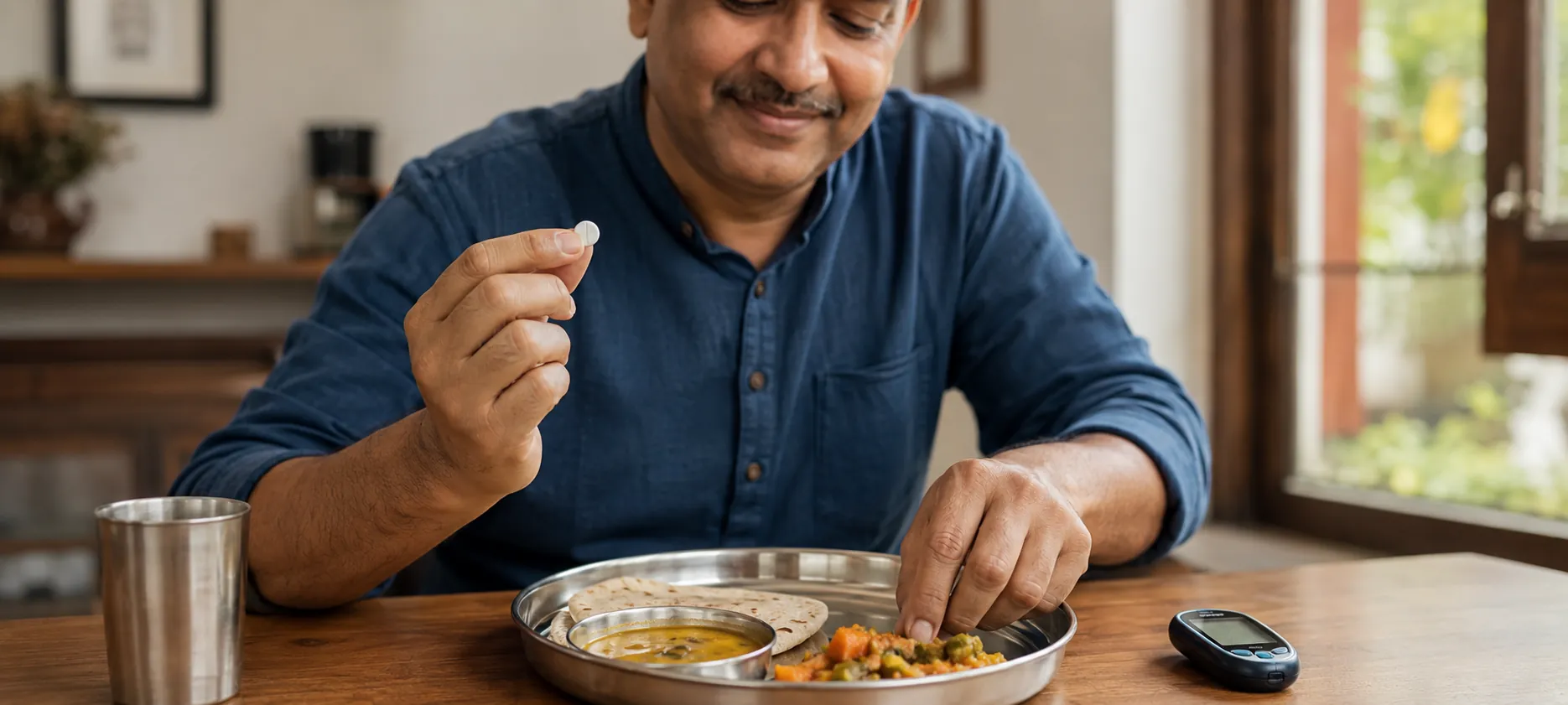
- Diabetes control: If you have diabetes, discuss your insulin or medication schedule, as blood sugar affects gastric emptying.
- Avoid stimulants: Skip caffeine, nicotine, and alcohol for 24 hours before testing.
- Pregnancy disclosure: Let your healthcare provider know if you are pregnant or breastfeeding.
- Clothing: Wear loose, comfortable clothes for easy imaging.
Tip: If you have diabetes, you may need special instructions to manage your blood sugar levels during the fasting and testing periods.
Procedure / What Happens During the Test
- Arrival & check-in: Your provider reviews your history and ensures you've completed the preparation steps.
- Eating the test meal: Most commonly, you'll eat a standard meal (usually eggs or oatmeal) labelled with a small amount of radioactive tracer.
- Imaging begins: You lie or sit still while a gamma camera takes images at scheduled intervals after you eat.
- Additional scans: Images may be taken immediately after the meal and again at 1, 2, and 4 hours to track how much food remains in your stomach over time.
- Completion: Once enough images are collected (usually over 2-4 hours), you can typically resume normal activities.
The test is painless, and you can resume most daily activities afterwards.
Duration, Discomfort & Safety Considerations
- Duration: According to the National Institutes of Health (NIH) and SNMMI protocols, the gastric emptying scintigraphy typically lasts 2–4 hours depending on meal type and imaging intervals to complete, depending on the specific protocol.
- Discomfort: Most patients don't experience pain during the test - it feels similar to eating a normal meal.
- Risks: The radiation dose from technetium-99m in a standard gastric emptying study is typically less than 1 mSv — comparable to or lower than that of a single chest X-ray, and is considered safe for most people.
Safety tips:
- The small amount of radioactive tracer is excreted primarily through urine and stool within 24–48 hours; basic hygiene precautions are sufficient.
- Let your provider know if you're pregnant or breastfeeding, as the test may need to be postponed.
- Radiation exposure from the tracer is not significant for people around you after the test.
Overall, it’s considered one of the safest diagnostic imaging tests available.
Interpreting Results: What the Numbers Mean
In a standardized 4-hour gastric emptying study, normal results show less than 10% of the meal remaining in the stomach at 4 hours (≥90% emptied).
The two key result categories are:
- Delayed emptying (gastroparesis): More than 10% of the meal remains in the stomach at 4 hours, or less than 50% has emptied at 2 hours.
- Rapid emptying (dumping syndrome): Defined as less than 30% meal retention at 1 hour, often seen after gastric surgery or in metabolic disorders.
Here's a general guide to interpreting gastric emptying study results:
|
Time |
Normal Retention |
Interpretation |
|
1 hour |
30–90% |
Normal early phase |
|
2 hours |
30–60% |
Normal progression |
|
4 hours |
<10% |
Normal completion |
If the food empties more slowly or faster than these ranges, your doctor may classify it as delayed or rapid gastric emptying.
Normal vs Abnormal Findings & What They Suggest
- Normal findings: Most of the meal empties within 2-4 hours, indicating no major motility disorder.
- Abnormal gastric emptying study results:
- Delayed emptying: Suggests gastroparesis, often due to nerve or muscle dysfunction.
- Rapid emptying: Indicates dumping syndrome, often after stomach surgery.
- It can also be linked to Parkinson’s disease, lupus, or diabetes, affecting the nerve control of digestion.
Common Diagnoses Linked to Abnormal Results
Gastroparesis (Delayed Gastric Emptying)
A key reason for abnormal results, especially prevalent in people with diabetes or Parkinson’s disease. It leads to bloating, nausea, vomiting, and poor appetite. Managing blood sugar, eating smaller meals, and using pro-motility medications can help improve symptoms.
Dumping Syndrome (Rapid Gastric Emptying)
When food moves too quickly into the intestines, it can cause dizziness, weakness, or diarrhoea soon after eating. This may occur post-surgery or due to certain metabolic conditions.
Other Conditions
Abnormal results may also occur in systemic conditions such as:
- Lupus and other autoimmune diseases
- Thyroid disorders
- Connective tissue diseases
- Medication side effects or stress-related motility changes
Limitations & Pitfalls of Gastric Emptying Studies
While valuable, gastric emptying scintigraphy has some limitations:
- Results can vary between laboratories if standardized protocols for meal composition and imaging intervals are not followed; SNMMI recommends strict adherence to 1-, 2-, and 4-hour imaging.
- Medications and blood sugar fluctuations can alter accuracy.
- Not suitable for pregnant women or those with severe allergies.
- The test indicates motility dysfunction but doesn’t reveal the exact cause — further evaluation may be required.
Follow-Up Steps & What to Do After the Test
- You can eat and drink normally unless told otherwise.
- Stay hydrated to help flush the tracer out of your body.
- Your doctor will explain the results and next steps.
- Follow dietary or medication recommendations for better stomach motility.
- In the event of abnormal findings, further tests such as endoscopy or ultrasound may be recommended.
Tips for Patients (What to Ask Your Doctor)
- "Should I stop taking any of my regular medications before the gastric emptying study?"
- "How will my diabetes be managed during the fasting period?"
- "Are there any special risks for me based on my medical history?"
- "Will I need additional testing if my results are abnormal?"
- "What do my specific results mean in terms of my symptoms and diagnosis?"
- "Could recent surgery or my other health conditions affect the test results?"
Conclusion
A gastric emptying study is a valuable diagnostic tool that helps your doctor understand how your stomach processes food and identify the cause of symptoms like bloating, nausea, or early fullness. Whether the results indicate gastroparesis, diabetes-related complications, or Parkinson’s disease, early testing enables effective management and better quality of life.
For trusted testing and accurate diagnosis, turn to Metropolis Healthcare. With NABL & CAP accredited labs, expert pathologists, 4,000+ tests, and 10,000+ home collection touchpoints, Metropolis ensures precise, timely, and reliable results, empowering you to take charge of your digestive health from the comfort of your home.
FAQs
What is the difference between a gastric emptying study and an upper GI series?
A gastric emptying study measures how fast food leaves your stomach, while an upper GI series checks the structure of your digestive tract using barium contrast.
How should I prepare for the test if I’m diabetic?
Keep your blood sugar stable and follow your doctor’s instructions on insulin or meal timing, as glucose fluctuations can affect results.
How much radiation does a gastric emptying study involve?
It uses minimal radiation — comparable to a single chest X-ray — and is considered safe for most patients.
Can pregnancy affect or preclude the test?
Yes. Pregnant or breastfeeding women should discuss safer alternatives, such as a carbon-isotope breath test.
What does “10% retention at 4 hours” indicate?
It means your stomach has emptied almost completely — a normal and healthy result.
Can a gastric emptying study diagnose dumping syndrome?
Yes. If less than 30% of the meal remains after 1 hour, it may suggest rapid gastric emptying or dumping syndrome.
References
- https://my.clevelandclinic.org/health/diagnostics/21459-gastric-emptying-study
- https://medlineplus.gov/lab-tests/gastric-emptying-scan/
- https://www.yalemedicine.org/conditions/gastric-emptying-study
- https://myhealth.alberta.ca/Health/Pages/conditions.aspx?hwid=hw212305
- https://www.ncbi.nlm.nih.gov/books/NBK534590/
- https://www.ncbi.nlm.nih.gov/books/NBK531503/