Home Visit
 Upload






Preventive Healthcare
Femur Bone: Structure, Function, And Common Disorders
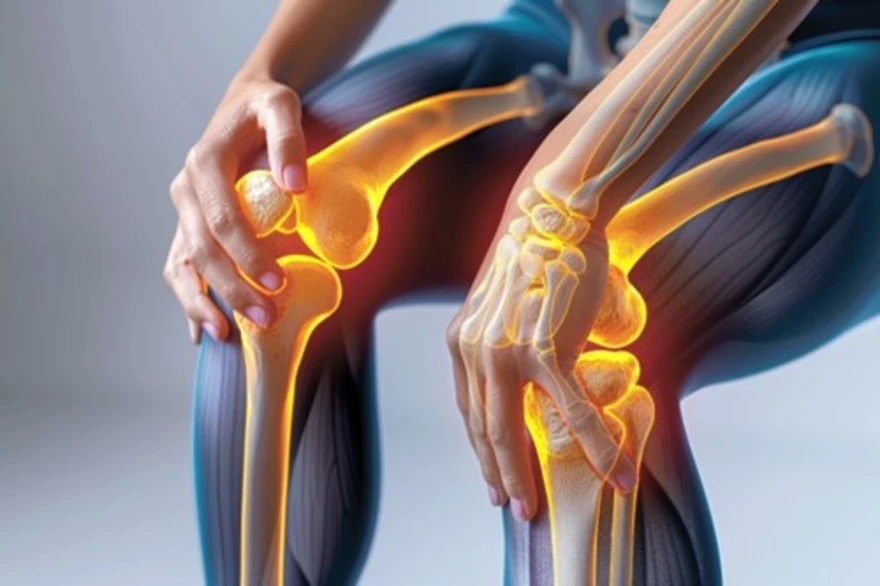
Table of Contents
- What Is the Femur Bone?
- Functions of the Femur in the Human Body
- Key Anatomy and Features of the Femur
- Where Is the Femur Located?
- What Does the Femur Look Like? (Structure & Parts)
- Average Size and Length of the Femur Bone
- Common Femur Conditions and Disorders
- Medical Tests and Imaging for Femur Problems
- Treatment Options for Femur Conditions
- Prevention & Prognosis
- FAQs
What Is the Femur Bone?
The femur is a long, cylindrical bone that extends from the hip joint to the knee joint, forming the only bone in the thigh. It is the longest bone in the human body, spanning about one-quarter of a person’s height. As the largest bone in the human body, it has a thick, dense structure designed to support the body’s weight during standing, movement, and rest.
The femur bone plays a crucial role in locomotion by facilitating walking, running, jumping, and other lower-body movements. It also serves as a major attachment site for numerous muscles, ligaments, and tendons, contributing to stability and strength. Its upper end connects with the pelvis at the hip joint, while the lower end meets the tibia at the knee.
Functions of the Femur in the Human Body
Being the longest bone in the human body, the femur plays several vital roles in the human body. It supports body weight during standing and movement, enabling walking, running, jumping, and maintaining balance. The bone also serves as the primary attachment point for thigh muscles, connecting the hip and knee joints, allowing for smooth lower limb motion. It also houses bone marrow, which produces blood cells and stores fat.
Key Anatomy and Features of the Femur
As shown in the femur bone diagram here, the femur bone anatomy is divided into three main regions:
- the proximal end (nearest the hip)
- the shaft (diaphysis)
- the distal end (nearest the knee)
Each region has unique features and landmarks that contribute to the bone's overall function and stability.
Where Is the Femur Located?
The femur is the longest bone in the human body and is situated in the upper leg, spanning the entire length of the thigh from the hip to the knee. It articulates with the pelvis at the hip joint and the tibia and patella at the knee joint, acting as the main pillar supporting the body's weight between the trunk and lower legs.
What Does the Femur Look Like? (Structure & Parts)
The femur has a distinctive appearance, resembling a long cylinder with rounded ends. Let's explore its structure in more detail:
Proximal End of the Femur
The proximal end of the femur bone features the smooth, spherical femoral head, which fits into the hip socket (acetabulum) to form the ball-and-socket hip joint. Just below the head is the narrow femoral neck, connecting to the broader shaft. Two bony projections, the greater and lesser trochanters, serve as attachment points for major hip muscles. This region is crucial for hip and lower limb stability and is a especially in older adults with osteoporosis.
Femur Shaft (Diaphysis)
The femur's shaft, or diaphysis, is a strong, cylindrical structure with a slight forward bow, optimising weight-bearing and shock absorption. Its smooth anterior surface and rugged posterior surface provide attachment points for powerful thigh muscles, such as the gluteal tuberosity and linea aspera. The shaft's hollow centre contains bone marrow, essential for blood cell production.
Distal End of the Femur
The distal end of the femur is broader and forms the upper part of the knee joint, articulating with the tibia and patella. It features two rounded condyles (medial and lateral) that enable smooth knee movement, with the intercondylar fossa between them serving as an attachment point for knee ligaments. The epicondyles and other surfaces on the distal femur bone provide attachment sites for muscles and ligaments, ensuring knee stability and function.
Average Size and Length of the Femur Bone
The femur is the largest bone in the human body. The average adult femur measures approximately 18 inches (45 cm) in length, with men generally having longer femurs than women. The size can vary based on factors such as age, sex, and overall height.
|
Parameter |
Average Value |
|
Length (adults) |
~18 inches (45 cm) |
|
Diameter (midshaft) |
2.5–3 cm |
Common Femur Conditions and Disorders
Despite its strength, the femur bone can be affected by various injuries and conditions:
Types of Femur Fractures
Femur bone fractures are serious injuries classified based on location and pattern:
- Proximal femur (hip) fractures: Often occur in the femoral neck or intertrochanteric region; common in older adults
- Femoral shaft fractures: Occur along the diaphysis, usually from high-impact trauma
- Distal femur fractures: Affect the area near the knee, involving the condyles or metaphysis
These injuries may be further classified as transverse, oblique, spiral, comminuted (multiple pieces), or open (bone piercing the skin). Prompt medical attention is crucial to prevent complications and ensure proper healing.
Femur and Osteoporosis Risk
Osteoporosis weakens the femur by reducing bone density, particularly at the proximal end, increasing the risk of fractures. Hip fractures are a major consequence of osteoporosis, especially in postmenopausal women and older adults, significantly impacting mobility and potentially leading to long-term disability. Preventing bone loss through a balanced diet, regular exercise, and appropriate medical therapy is essential for maintaining femur strength and reducing femur bone fracture risk.
Femur Pain in Patellofemoral Syndrome
Patellofemoral pain syndrome causes discomfort at the front of the knee, often due to stress on the cartilage between the femur bone and patella. This condition often results from overuse, muscle imbalance, or abnormal alignment, leading to inflammation or cartilage wear. Symptoms include aching pain during activities like running, squatting, or climbing stairs. Managing patellofemoral syndrome involves rest, physical therapy, strengthening exercises, and addressing underlying biomechanical factors to alleviate femur-related knee pain.
Medical Tests and Imaging for Femur Problems
Diagnosing femur issues involves various medical tests and imaging techniques:
- X-rays: First-line test to detect fractures, bone alignment, and deformities
- CT scans: Provide detailed images for complex fractures or surgical planning
- MRI: Evaluates soft tissue injury, bone marrow changes, or occult fractures
- Bone density scans (DEXA): Assess osteoporosis risk, especially in the hip/femur
- Physical examination: Assesses pain, swelling, range of motion, and limb alignment
These tools guide accurate diagnosis and inform appropriate treatment strategies.
Treatment Options for Femur Conditions
Managing femur bone disorders depends on the specific injury, its severity, and patient factors:
Femur Fracture Treatment Methods
The treatment of femur bone fractures aims to realign the bone, promote healing, and restore function. The femur bone fracture treatment options include:
- Traction: Used to align the bone fragments and reduce muscle spasms
- Casting or bracing: Immobilises the fracture site to promote healing
- Surgical fixation: Involves the use of metal implants (rods, plates, or screws) to stabilise the fracture
- Physical therapy: Helps restore strength, range of motion, and function after the fracture has healed
Timely femur bone fracture treatment is crucial to prevent complications like blood clots, infection, or deformity and to enable early mobilisation.
Osteoporosis Management for Femur Health
Osteoporosis management aims to maintain femur bone density and reduce fracture risk through:
- Adequate intake of calcium and vitamin D
- Weight-bearing and resistance exercises
- Medications such as bisphosphonates or hormone therapy
- Fall prevention measures in at-risk populations
- Regular bone density monitoring
Early intervention helps preserve femur strength and function, reducing the burden of hip and other femur bone fractures.
Prevention & Prognosis
Preventing femur injuries and maintaining optimal prognosis involves a combination of strategies:
- Maintaining bone health through a balanced diet rich in calcium and vitamin D, regular weight-bearing exercises, and appropriate medications when indicated
- Minimising fall risk by using mobility aids if needed, removing home hazards, and reviewing medications that may affect balance
- Wearing protective gear during high-impact activities or sports
- Addressing underlying conditions that may weaken bones, such as hormonal imbalances or chronic diseases
- Regular check-ups and bone density screenings, especially for those at higher risk of osteoporosis or fractures
The prognosis for femur bone conditions varies depending on the specific issue and the individual's overall health. With appropriate treatment and rehabilitation, most people can recover from femur fractures and regain function. However, some may experience long-term complications, such as arthritis or chronic pain.
At Metropolis Healthcare, we understand the importance of maintaining strong and healthy bones, especially the femur. Our expert team of healthcare professionals is dedicated to providing accurate diagnostic services and personalised care to help you achieve optimal bone health. With our state-of-the-art technology and commitment to quality, you can trust Metropolis Healthcare to support you in preventing, diagnosing, and managing femur bone conditions.
FAQs
What is the strongest bone in the body, and why is the femur critical?
The femur is the strongest and longest bone in the human body. Its strength and size are critical for supporting body weight, enabling movement, and providing attachment points for major leg muscles.
Is a broken femur serious?
Yes, a broken femur is a serious injury that requires immediate medical attention. Femur fractures can cause severe pain, bleeding, and potentially life-threatening complications if not treated promptly and properly.
What is femur damage?
Femur damage refers to any injury or condition affecting the thigh bone, such as fractures, stress injuries, or degenerative changes like osteoporosis. These issues can significantly impact mobility and overall quality of life.
What is the hardest bone to heal?
The femur is considered the largest bone in the human body and the most difficult bone to heal due to its size, complexity, and the significant forces it must withstand during weight-bearing activities. Femur fractures often require surgical intervention and extensive rehabilitation.
How painful is it to break a femur?
Breaking a femur is typically associated with severe, excruciating pain due to the bone's rich nerve supply and the surrounding muscle and tissue damage. The pain can be intense and may require strong pain medications for management.
When is surgical intervention mandatory for femur fractures?
Surgical intervention is usually necessary for most adult femur fractures, especially those involving the hip joint, shaft, or knee region. Surgery helps realign the bone, stabilise the fracture, and promote proper healing.
What's the recovery timeline for a femur fracture post-surgery?
Recovery time for a femur fracture after surgery varies depending on the fracture type, patient age, and overall health. Most individuals can expect to bear weight and start physical therapy within a few weeks to months, with full recovery taking anywhere from 4 to 12 months or longer.
How can patients reduce femur fracture risk?
Patients can reduce their risk of femur fractures by maintaining good bone health through a balanced diet, regular exercise, fall prevention measures, and addressing underlying conditions that may weaken bones. Regular check-ups and early intervention for osteoporosis are also crucial.
References
• https://my.clevelandclinic.org/health/body/22503-femur
• https://www.ncbi.nlm.nih.gov/books/NBK532982/
• https://www.ncbi.nlm.nih.gov/books/NBK556057/
• https://pmc.ncbi.nlm.nih.gov/articles/PMC7176326/
• https://orthoinfo.aaos.org/en/diseases--conditions/femur-shaft-fractures-broken-thighbone/
• https://teachmeanatomy.info/lower-limb/bones/femur/