Home Visit
 Upload






Preventive Healthcare
Common Eye Diseases and How They Affect Vision
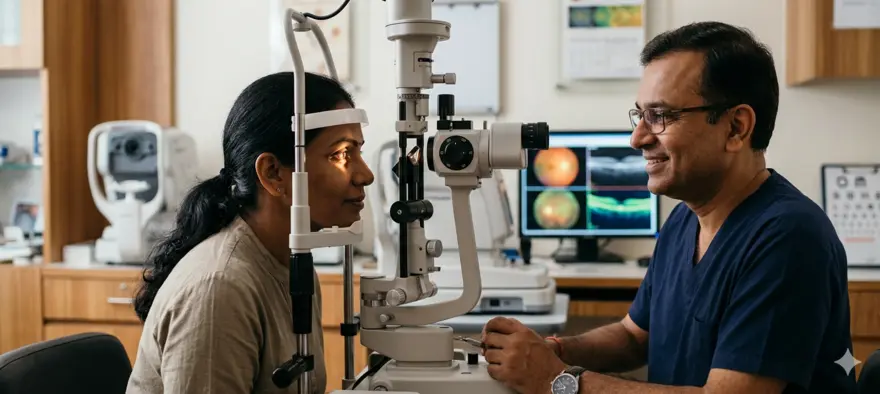
Table of Contents
- What Are Eye Diseases?
- Why Eye Health Matters
- Common Types of Eye Diseases
- Eye Infections and Inflammation
- Common Symptoms of Eye Diseases
- Causes and Risk Factors for Eye Diseases
- Eye Diseases in Children
- Eye Diseases in Adults and the Elderly
- How Eye Diseases Are Diagnosed
- Treatment Options for Eye Diseases
- Prevention Tips for Eye Diseases
- When to See an Eye Doctor
- Conclusion
- Frequently Asked Questions
- References
Your eyes are among the most remarkable organs in your body. They help you navigate the world, connect with people, and experience life in full detail. Yet eye health is something many people overlook until a problem becomes hard to ignore.
The World Health Organization estimates that over 2.2 billion people worldwide live with some form of vision impairment or blindness. The good news is that a significant proportion of these cases are preventable or treatable when detected early.
Understanding common eye diseases, their symptoms, causes, and how they are managed can help you take better care of your vision.
What Are Eye Diseases?
Eye diseases are medical conditions that affect any part of your eye, including the eyeball, eyelids, eye muscles, and the optic nerve. Some develop quickly and resolve within days. Others are chronic, developing gradually over months or years.
Eye diseases are not always limited to the eyes themselves. Many conditions affecting your overall health, such as diabetes and high blood pressure, can directly impact your vision. This is why caring for your general health is also caring for your eyes.
Why Eye Health Matters
Many eye diseases cause no noticeable symptoms in their early stages. By the time you notice a change in your vision, significant damage may have already occurred.
Regular eye examinations allow your eye care specialist to detect conditions before they progress. Early detection can slow or prevent vision loss, preserve your quality of life, and in many cases, allow for simpler treatment options.
Common Types of Eye Diseases
Refractive Errors
Refractive errors are the most common eye conditions worldwide. They occur when the shape of the eye prevents light from focusing correctly on the retina.
Types include:
- Myopia (nearsightedness): You can see nearby objects clearly, but distant objects appear blurry.
- Hyperopia (farsightedness): Distant objects may appear clearer than close ones.
- Astigmatism: The cornea or lens has an irregular curve, causing blurred or distorted vision at any distance.
- Presbyopia: An age-related condition, usually noticed after age 40, where the lens gradually loses its ability to focus on close objects.
Refractive errors are typically corrected with prescription glasses, contact lenses, or refractive surgery.
Cataracts
A cataract is a clouding of the eye's natural lens, which sits behind the iris. It develops slowly, causing vision to become increasingly blurry, cloudy, or dim. Many people describe the experience as looking through a foggy or frosted window.
Cataracts are strongly associated with ageing, though other factors such as prolonged UV exposure, smoking, and diabetes can accelerate their development. Surgical removal of the clouded lens and replacement with an artificial one is the standard and highly effective treatment. Learning to recognise cataract symptoms early can make a significant difference in your outcome.
Glaucoma
Glaucoma is a group of conditions that damage the optic nerve, often due to increased pressure within the eye. It is one of the leading causes of irreversible blindness worldwide.
What makes glaucoma particularly concerning is that it typically has no early symptoms. Vision loss often begins at the periphery and gradually closes in, eventually causing tunnel vision if left untreated. Because there are no obvious warning signs in the early stages, regular eye pressure checks and dilated eye exams are the best tools for detection.
Age-Related Macular Degeneration (AMD)
The macula is the central part of the retina responsible for sharp, detailed vision. AMD damages this area, leading to a gradual loss of central vision. It can make tasks like reading, driving, and recognising faces increasingly difficult.
AMD is most common in people over the age of 60 and is influenced by genetics, smoking, and prolonged sun exposure. While there is no cure, certain treatments can slow its progression significantly.
Diabetic Retinopathy
Diabetic retinopathy is a complication of diabetes that damages the tiny blood vessels in the retina. Over time, these vessels may leak fluid, swell, or grow abnormally, leading to vision distortion and, in severe cases, blindness.
People with both Type 1 and Type 2 diabetes are at risk. The condition often shows no symptoms in its early stages, which is why regular eye screenings are recommended for everyone with diabetes.
Conjunctivitis
Conjunctivitis, commonly known as pink eye, is an inflammation or infection of the conjunctiva, the thin membrane lining the inner surface of the eyelid and the front of the eye. It can be caused by bacteria, viruses, or allergens.
Symptoms include redness, itching, discharge, and a gritty feeling in the eye. Some forms of conjunctivitis spread very easily and require prompt treatment to prevent it from passing to others.
Eye Infections and Inflammation
Beyond conjunctivitis, the eye can be affected by several other infections and inflammatory conditions, including:
- Blepharitis: Inflammation of the eyelid margins, causing redness, flaking, and irritation.
- Uveitis: Inflammation of the middle layer of the eye (the uvea), which can develop due to infection or autoimmune conditions.
- Stye (hordeolum): A painful red lump near the edge of the eyelid caused by a bacterial infection of the oil glands.
- Keratitis: Inflammation of the cornea, often linked to contact lens misuse or infection.
These conditions are usually treatable with medication but should not be ignored, as delayed treatment can lead to complications.
Common Symptoms of Eye Diseases
Your eyes often communicate changes before you may fully notice them. Watch out for:
- Blurred, cloudy, or dim vision
- Sudden changes in vision or sudden vision loss
- Seeing flashes of light or new floaters (spots or threads drifting across your field of vision)
- Eye pain, redness, or irritation
- Double vision
- Sensitivity to light
- Halos or rainbow-like rings around lights
- Difficulty seeing at night
- Discharge or excessive tearing
Some of these symptoms require urgent medical attention. If you experience sudden vision loss, severe eye pain, or a sudden increase in floaters and flashes, seek immediate care.
Causes and Risk Factors for Eye Diseases
Eye diseases can arise from a wide range of causes:
- Age: Many eye conditions, including cataracts, AMD, and presbyopia, become more common as you grow older.
- Genetics: A family history of glaucoma, AMD, or other eye diseases can increase your personal risk.
- Chronic conditions: Diabetes, high blood pressure, and thyroid disorders are known to affect eye health.
- UV exposure: Prolonged exposure to ultraviolet light can contribute to cataracts and AMD.
- Smoking: Nicotine use damages blood vessels throughout the body, including those supplying the eyes.
- Nutritional deficiencies: Lack of vitamins A, C, E, and minerals like zinc can impair eye health.
- Eye injuries: Previous trauma to the eye can increase the risk of certain conditions later in life.
- Ethnicity: Research suggests that certain populations may have a higher predisposition to specific eye conditions.
Eye Diseases in Children
Children can develop eye conditions that, if not caught early, can affect their development and learning. Some of the most common include:
Amblyopia (lazy eye) is a condition where one eye does not develop normal vision, often because the brain favours the stronger eye. It is most effectively treated during early childhood, when the visual system is still developing.
Strabismus (squint) refers to a misalignment of the eyes, where both eyes do not look in the same direction simultaneously. Early treatment, which may include glasses, eye patching, or surgery, is important for the best outcomes.
Refractive errors are also common in children. A child struggling at school, sitting too close to the board, or squinting frequently may be experiencing uncorrected vision problems.
Children may not always realise or express that their vision is unclear. Routine paediatric eye checks are therefore essential, particularly before the school years begin.
Eye Diseases in Adults and the Elderly
As you age, the risk of developing several significant eye conditions increases. Cataracts and presbyopia are almost universal with age. Glaucoma and AMD become progressively more common after the age of 60.
Adults with chronic conditions such as diabetes or hypertension carry an additional risk of eye complications. Managing these underlying conditions, combined with regular eye check-ups, is one of the most effective ways to protect vision in the long term.
Even adults with good vision and no apparent symptoms benefit from regular eye examinations, as many conditions remain silent until they have advanced considerably.
How Eye Diseases Are Diagnosed
Diagnosing an eye disease involves a thorough eye examination and, in some cases, specialised investigations. The typical process includes:
- Visual acuity test: Assesses how clearly you can see at various distances.
- Dilated eye exam: Eye drops are used to widen the pupil, allowing the specialist to examine the retina and optic nerve in detail.
- Slit-lamp examination: A microscope with a bright light gives a magnified view of the structures of the eye.
- Tonometry: Measures the pressure within the eye, essential for diagnosing glaucoma.
- Retinal imaging: Detailed photographs of the retina help monitor conditions like diabetic retinopathy and AMD.
- Optical coherence tomography (OCT): Produces cross-sectional images of the retina, useful for identifying subtle structural changes.
- Corneal topography: Maps the shape and curvature of the cornea.
Blood tests and imaging such as MRI or CT scans may be recommended when an eye condition is linked to a systemic disease.
Treatment Options for Eye Diseases
Treatment depends on the specific condition and how advanced it is. Options include:
- Corrective lenses: Glasses or contact lenses correct refractive errors.
- Prescription eye drops: Used to reduce eye pressure in glaucoma or treat infections.
- Oral medications: Some inflammatory and infectious eye conditions respond to oral antibiotics or anti-inflammatory drugs.
- Laser therapy: Used in conditions like glaucoma and diabetic retinopathy to reduce pressure or seal leaking blood vessels.
- Surgery: Cataract surgery, glaucoma surgery, and vitreoretinal procedures are common surgical interventions for more advanced conditions.
- Intravitreal injections: Medications injected into the eye, commonly used for AMD and diabetic macular oedema.
- Vision rehabilitation: For those with irreversible vision loss, support tools and therapy can help maintain independence.
Your eye care specialist will recommend the most appropriate treatment based on your diagnosis, age, and overall health.
Prevention Tips for Eye Diseases
While not all eye diseases can be prevented, you can significantly reduce your risk with a few consistent habits:
- Schedule regular eye examinations, even if you have no symptoms or do not wear glasses.
- Wear UV-protective sunglasses when outdoors.
- Use protective eyewear during sports, construction, or any activity that poses a risk of eye injury.
- Manage chronic conditions like diabetes and hypertension with proper medical care.
- Maintain a balanced diet rich in leafy greens, colourful vegetables, oily fish, and foods high in vitamins C and E.
- Avoid smoking and exposure to tobacco smoke.
- Practise good hygiene, especially when using contact lenses or touching your eyes.
- Follow the 20-20-20 rule when working on screens: every 20 minutes, look at something 20 feet away for 20 seconds. This reduces eye strain, though screen time alone is not considered a direct cause of permanent eye disease.
- Know your family history and share it with your eye care specialist.
When to See an Eye Doctor
Do not wait for symptoms to worsen before seeking attention. See an eye care professional promptly if you experience:
- Sudden or rapid vision changes
- Vision loss in one or both eyes
- A sudden increase in floaters or flashes of light
- Severe eye pain or persistent redness
- Discharge, swelling, or significant sensitivity to light
- Double vision that appears unexpectedly
Even without any of these symptoms, adults should have a routine eye examination at least once every one to two years. If you have diabetes, a family history of glaucoma, or other risk factors, your eye specialist may recommend more frequent checks.
Conclusion
Your eyes deserve consistent care and attention, not just when something feels wrong. Many serious eye conditions develop silently, making proactive monitoring one of the most important steps you can take for your long-term vision health.
Alongside healthy habits, routine health checks can provide valuable insight into your overall wellbeing, including risks that may affect your eyes. At Metropolis Healthcare, you have access to over 4,000 tests, including speciality panels related to diabetes, thyroid health, and other conditions closely linked to eye disease. With home sample collection available across a wide network of touchpoints, easy booking through the website, app, call, or WhatsApp, and accurate reports delivered quickly, staying on top of your health has never been more convenient.
Early detection is one of the greatest advantages you can give yourself. Make it a priority.
Frequently Asked Questions
What Is the Most Common Eye Disease?
Refractive errors, including myopia, hyperopia, and astigmatism, are the most common eye conditions worldwide. Cataracts are the leading cause of treatable blindness globally. Both are highly manageable when identified and addressed in time.
Can Eye Diseases Be Prevented?
Some eye diseases can be prevented or their progression slowed significantly. Wearing UV protection, avoiding smoking, managing chronic conditions like diabetes, eating a nutrient-rich diet, and attending regular eye exams are all effective preventive measures. However, some conditions with a strong genetic component may not be entirely preventable.
Are Eye Diseases Hereditary?
Yes, several eye diseases have a genetic component. Glaucoma, AMD, and certain types of refractive errors tend to run in families. Knowing your family history allows your eye care specialist to monitor you more closely for specific conditions. Genetic counselling may be recommended in some cases.
How Often Should I Get an Eye Exam?
Adults with no known eye conditions should have a comprehensive eye exam at least every one to two years. Children should be screened before they start school and at regular intervals thereafter. If you have diabetes, a family history of glaucoma, or other risk factors, your doctor may recommend annual or more frequent check-ups.
Can Screen Time Cause Eye Diseases?
Prolonged screen use can cause digital eye strain, which leads to symptoms like tired eyes, headaches, and temporary blurred vision. However, current evidence does not support the idea that screen time alone causes permanent eye disease. Practising regular screen breaks, ensuring good lighting, and maintaining an appropriate viewing distance can help reduce strain. If you notice any persistent vision changes, consult an eye care specialist.
References
World Health Organization. World report on vision. Geneva: WHO; 2019.
Flaxman SR, Bourne RRA, Resnikoff S, et al. Global causes of blindness and distance vision impairment 1990-2020: a systematic review and meta-analysis. Lancet Glob Health. 2017;5(12):e1221-e1234.
Bourne RRA, Steinmetz JD, Saylan M, et al. Causes of blindness and vision impairment in 2020 and trends over 30 years, and prevalence of avoidable blindness in relation to VISION 2020: the Right to Sight. Lancet Glob Health. 2021;9(2):e144-e160.
Tham YC, Li X, Wong TY, Quigley HA, Aung T, Cheng CY. Global prevalence of glaucoma and projections of glaucoma burden through 2040: a systematic review and meta-analysis. Ophthalmology. 2014;121(11):2081-2090.
Mitchell P, Liew G, Gopinath B, Wong TY. Age-related macular degeneration. Lancet. 2018;392(10153):1147-1159.
Yau JW, Rogers SL, Kawasaki R, et al. Global prevalence and major risk factors of diabetic retinopathy. Diabetes Care. 2012;35(3):556-564.
Asbell PA, Dualan I, Mindel J, Brocks D, Ahmad M, Epstein S. Age-related cataract. Lancet. 2005;365(9459):599-609.