Home Visit
 Upload






Preventive Healthcare
7 Amazing Benefits of Epsom Salt for Health, Skin, and Relaxation
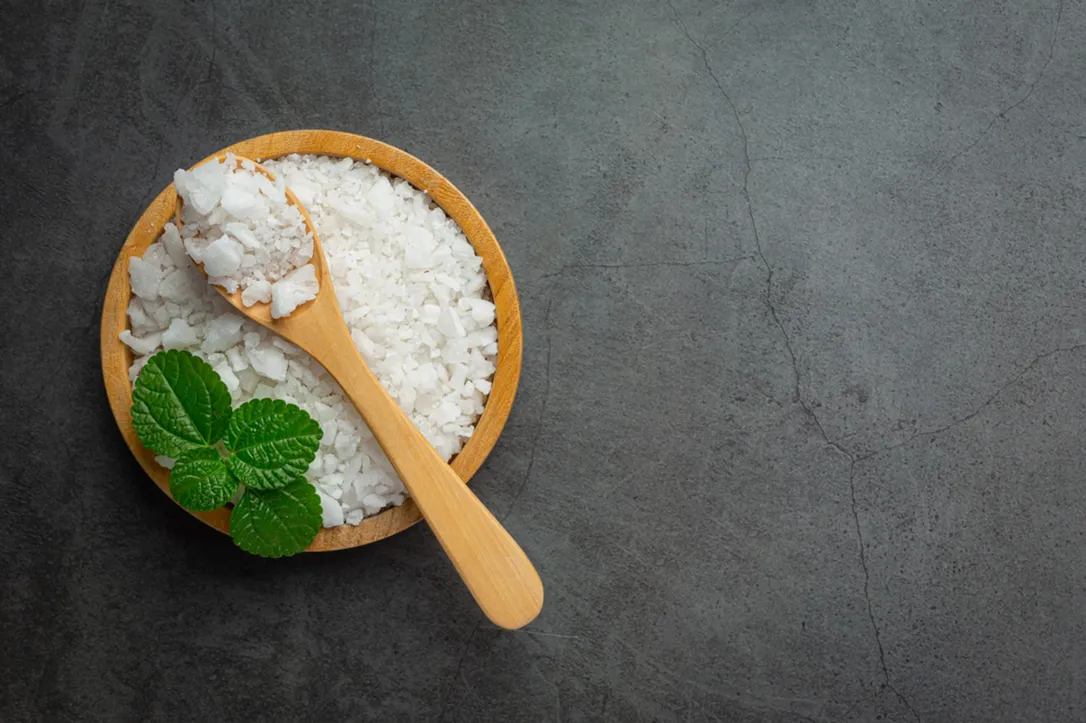
Table of Contents
What Is Epsom Salt?
Epsom salt is magnesium sulphate heptahydrate, a naturally occurring mineral compound with the chemical formula MgSO₄·7H₂O. Named after the English town of Epsom, where it was first discovered in natural springs, this crystalline substance has been valued for its therapeutic properties for centuries.
Unlike regular table salt, Epsom salt contains magnesium and sulfate ions that dissolve easily in warm water. The mineral appears as small, white crystals that feel slightly coarse to the touch. When dissolved, these crystals create a clear solution that feels silky on the skin.
Many Indian households now keep Epsom salt as a natural remedy for various ailments. You can find it in most pharmacies and health stores across the country, making it an accessible wellness option for families seeking natural health solutions.
How Does Epsom Salt Work?
When dissolved in warm water, Epsom salt releases magnesium and sulphate ions that may be absorbed through the skin. The warm water itself enhances circulation and helps reduce stress hormones like cortisol, creating a synergistic effect with the mineral components.
The magnesium content plays a crucial role in muscle function and relaxation. This essential mineral helps regulate muscle contractions and may reduce lactic acid buildup that causes post-exercise soreness. The sulfate component may support the body’s natural detoxification processes.
Research suggests that combining warm water immersion with mineral absorption offers multiple benefits. The heat dilates blood vessels, improving circulation, while the minerals provide therapeutic effects that extend beyond the bathing experience.
Nutritional Composition of Epsom Salt
The unique composition of Epsom salt makes it particularly beneficial for health and wellness applications:
- Magnesium: An essential mineral involved in 300+ enzymatic reactions, magnesium supports nerve signalling and muscle function. This is why Epsom salt is commonly used for muscle relaxation, cramps, and post-activity soreness relief.
- Sulphate: Sulphates support normal metabolic pathways and may aid the body’s natural elimination processes. In baths and soaks, they are often associated with a “cleansing” feel and improved comfort after fatigue.
- Hydrated crystalline form: Its crystal structure dissolves readily in warm water, creating a smooth, homogeneous mineral solution. This makes it effective for bath soaks, foot soaks, and compresses without gritty residue.
- Pure mineral content: High-quality Epsom salt is typically free from fragrances, dyes, or harsh additives. That simplicity can be helpful for people with sensitive skin when used correctly and followed by moisturising.
- Topical exposure: Once dissolved, magnesium ions become available in the soak solution for potential skin absorption. While skin absorption varies by individual and conditions, warm water may enhance uptake and relaxation effects.
Top Benefits of Epsom Salt
The benefits of Epsom salt extend across muscle recovery, stress management, skin care, and foot health, making it a popular natural remedy for everyday wellness.
a. Muscle Relaxation and Pain Relief
Epsom salt benefits include significant muscle tension relief, particularly after strenuous physical activity. The magnesium content helps reduce lactic acid buildup in muscles, providing natural pain relief without medication. Many athletes use Epsom bath salt soaks for post-workout recovery, finding it more effective than simple warm water baths.
b. Stress Reduction and Better Sleep
Regular use of Epsom salt in evening baths can dramatically improve sleep quality. The magnesium helps lower cortisol levels while promoting relaxation throughout the nervous system. Preliminary studies and anecdotal evidence suggest that regular Epsom salt use may promote relaxation and improved sleep quality.
c. Skin Soothing and Exfoliation
Epsom salt uses extend to skincare, where it acts as a gentle exfoliant, removing dead skin cells and improving texture. The anti-inflammatory properties may help reduce irritation from minor skin conditions, sunburn, or environmental damage. Many people report softer, smoother skin after incorporating Epsom salt into their skincare routine.
d. Inflammation Reduction
The mineral composition may help reduce localized inflammation in muscles and joints. This makes Epsom salt particularly beneficial for people with arthritis or those experiencing inflammatory conditions triggered by stress or physical exertion.
e. Enhanced Circulation
Warm Epsom salt baths promote better blood flow throughout the body. Improved circulation supports healing processes and helps deliver nutrients more efficiently to tissues and organs.
f. Natural Detoxification Support
Epsom salt benefits include supporting the body's natural detox pathways. The sulphate content may help flush toxins while the relaxation response supports liver and kidney function.
g. Overall Wellness and Relaxation
The combined effects of mineral absorption, warm water therapy, and stress reduction create a comprehensive wellness experience that benefits both physical and mental health.
How To Use Epsom Salt
Understanding proper usage ensures you maximise Epsom salt benefits while maintaining safety:
a. Bath Soaks
• Dissolve 1–2 cups in a standard-sized bathtub filled with warm (not hot) water
• Soak for 15-20 minutes to allow optimal mineral absorption
• Use 2–3 times per week for best results
• Add a few drops of essential oils for enhanced aromatherapy benefits
b. Foot Soaks
• Mix ½ cup Epsom salt in a basin of warm water
• Soak feet for 10-15 minutes to relieve soreness and swelling
• Particularly beneficial after long days of standing or walking
• Can help address minor fungal issues when used regularly
c. Exfoliating Scrubs
• Combine Epsom salt with coconut oil or olive oil to create a paste
• Gently massage onto skin using circular motions
• Rinse thoroughly with warm water
• Use once weekly to avoid over-exfoliation
d. Targeted Compresses
• Create a concentrated solution for localized application
• Soak a clean cloth and apply it to specific areas of inflammation
• Hold for 10-15 minutes for targeted relief
Safety and Side Effects of Epsom Salt
Epsom salt is generally safe for most adults when used topically as directed. However, certain precautions ensure safe usage and prevent potential complications.
Excessive use or very hot water can cause skin dryness or irritation. People with sensitive skin should start with smaller amounts and shorter soaking times to test tolerance. Those with open wounds, severe skin conditions, or kidney problems should consult healthcare providers before use.
Pregnant women and children can typically use Epsom salt baths safely, but medical consultation is recommended. People taking medications that affect magnesium levels should discuss usage with their doctors to avoid potential interactions.
As per a publication by the National Library of Medicine, magnesium sulfate, available orally as Epsom salt in capsule or powder form,, has multiple clinical uses; however, excessive exposure can raise serum magnesium levels (hypermagnesemia), leading to symptoms such as weakness, low blood pressure, reduced reflexes, and electrocardiogram (ECG) changes, particularly in individuals with kidney impairment.
Epsom salt should never be ingested without medical supervision, as oral ingestion can cause digestive upset, dehydration, or electrolyte imbalances. Always purchase pharmaceutical-grade Epsom salt from reputable suppliers to ensure purity and safety.
When Epsom Salt May Not Be Enough
while Epsom salt offers numerous benefits, it's important to recognise its limitations. This natural remedy provides symptomatic relief but shouldn't replace proper medical treatment for chronic conditions.
Persistent muscle pain, severe skin conditions, or ongoing inflammation require professional medical evaluation. If you don't experience improvement after several weeks of consistent use, consult a healthcare provider for a comprehensive assessment.
Serious conditions such as kidney disease, severe psoriasis, or chronic pain syndromes require specialized medical management. Epsom salt can complement conventional treatments, but shouldn't be your only therapeutic approach for significant health concerns.
Conclusion
Epsom salt offers a simple, affordable way to support relaxation, muscle comfort, and skin care at home. However, when symptoms persist or worsen, laboratory investigations play a crucial role in identifying deficiencies or health concerns early.
With 4,000+ diagnostic tests, comprehensive full-body health checkups, and 10,000+ home collection touchpoints, Metropolis Healthcare enables accurate diagnosis with quick turnaround times and convenient booking via website, app, call, or WhatsApp—helping you transition from home remedies to evidence-based medical care when needed.
FAQs
What are the benefits of Epsom salt?
Epsom salt is commonly used for muscle relaxation, stress relief, foot care, mild pain relief, skin exfoliation, and post-exercise recovery.
Is Epsom salt safe for skin?
Yes, when used occasionally and diluted properly, Epsom salt is generally safe for skin. People with sensitive skin should limit frequency and moisturise after use.
Can you soak in Epsom salt every day?
Daily soaking is not recommended for most individuals. Two to three times a week is usually sufficient to avoid skin dryness or irritation.
Can Epsom salt detox your body?
Epsom salt baths may support relaxation and circulation, but the liver and kidneys perform true detoxification. Baths should be seen as supportive, not curative.
Does Epsom salt really reduce inflammation?
Epsom salt may help reduce muscle stiffness and discomfort associated with inflammation, but it does not treat inflammatory diseases directly.
How much Epsom salt should I put in my bath?
Use 1–2 cups of Epsom salt in a standard bathtub filled with warm water.
Can Epsom salt help with weight loss?
There is no scientific evidence that Epsom salt causes weight loss. Any temporary reduction is due to water loss, not fat loss.
Is Epsom salt safe to drink?
Epsom salt should be taken orally only if prescribed by a healthcare professional. Self-medication can be dangerous.
What does an Epsom salt foot soak do?
It relaxes tired feet, softens calluses, reduces odour, and may relieve mild swelling and soreness.
Can pregnant women use Epsom salt baths?
Occasional Epsom salt baths are generally considered safe during pregnancy, but it is best to consult a doctor before use.
References
- https://www.ncbi.nlm.nih.gov/books/NBK554553/
- https://www.webmd.com/a-to-z-guides/epsom-salt-bath
- https://health.clevelandclinic.org/7-things-you-probably-didnt-know-about-epsom-salt