Home Visit
 Upload






Preventive Healthcare
Staph Infection: Signs, Spread & Treatment Overview
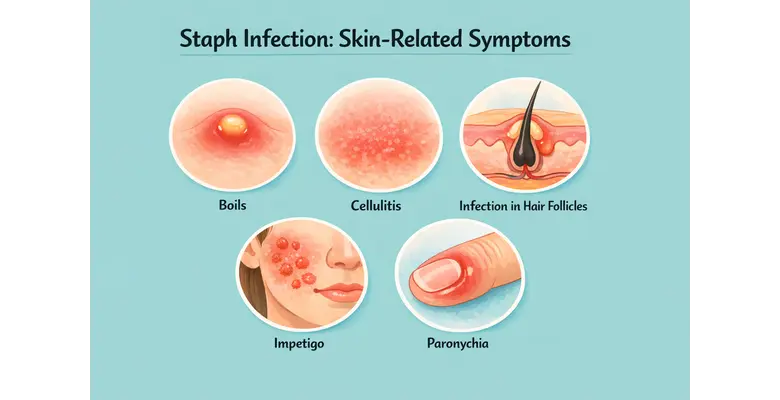
Table of Contents
- What Is A Staph Infection?
- What Is Staphylococcus aureus?
- Where Do Staph Bacteria Live Naturally?
- How Does A Staph Infection Spread?
- Types Of Staph Infections
- Symptoms Of Staph Infection
- Who Is At Risk Of Staph Infection?
- Is Staph Infection Contagious?
- How Staph Infection Is Diagnosed
- Treatment Of Staph Infection
- Complications Of Untreated Staph Infection
- How To Prevent Staph Infections
- Staph Infection Vs Other Skin Infections
- When To See A Doctor
- Key Takeaways
- How Metropolis Healthcare Can Help
- FAQs
- References
A staph infection is caused by a group of bacteria called Staphylococcus. Many people carry these bacteria on their skin or in their nose without any problem. Trouble starts when the bacteria get past your natural skin barrier, for example through a cut, shaving nick, scratch, insect bite, or an area of eczema. Then, the bacteria can multiply and cause an infection.
Most staph infections are mild and limited to the skin. Some can become more serious if the infection spreads deeper or enters the bloodstream. The good news is that staph infections usually respond well to timely, appropriate treatment.
What Is A Staph Infection?
A staph infection is an infection caused by Staphylococcus bacteria. It often begins on the skin, but it can affect almost any part of the body if the bacteria travel to deeper tissues. Your symptoms and treatment depend on where the infection is and how severe it is.
What Is Staphylococcus aureus?
There are many types of Staphylococcus, but Staphylococcus aureus is the most common cause of staph infections in humans. It can cause everything from simple skin infections to more invasive disease.
Some strains have become resistant to certain antibiotics. One well-known type is MRSA, which stands for methicillin-resistant Staphylococcus aureus. MRSA can be treated, but it often requires careful antibiotic selection based on testing.
Where Do Staph Bacteria Live Naturally?
Staph bacteria commonly live on:
- Your skin
- The inside of your nose
- Areas where skin folds, such as the underarms or groin
This is called colonisation. Colonisation is not the same as infection. You can carry staph bacteria without feeling unwell, and without any redness, pain, or pus. Infection happens when bacteria enter tissues where they should not be and trigger inflammation.
How Does A Staph Infection Spread?
Staph spreads mainly through contact. It can also spread through objects that carry bacteria.
Entry Points Into The Body
Staph is more likely to cause infection when there is a break in the skin, such as:
- Cuts, scrapes, and grazes
- Pimples or shaving irritation
- Insect bites
- Cracked skin from eczema
- Surgical wounds
How It Passes From Person To Person
Staph can spread through close contact, especially when:
- You touch infected skin or drainage
- You participate in contact sports
- You live in close quarters with shared bathrooms and bedding
Spread Through Contaminated Objects
Bacteria can survive on items that touch skin, including:
- Towels and washcloths
- Razors
- Clothing, bedding, and uniforms
- Sports gear and gym mats
Healthcare Associated Spread
In healthcare settings, the risk rises because bacteria can enter the body through:
- Catheters and IV lines
- Surgical wounds
- Medical devices such as artificial joints or heart valves
Types Of Staph Infections
Staph infections range from mild to serious.
Skin And Soft Tissue Infections
Common skin presentations include:
- Folliculitis (infected hair follicles)
- Impetigo (blisters or sores that can crust)
- Cellulitis (spreading redness and swelling under the skin)
- Abscesses and boils (painful, pus-filled lumps under the skin)
Food Poisoning
Staph toxins in contaminated food can cause sudden vomiting and diarrhoea. This is different from a skin infection and is linked to food handling and storage.
Breast Infections During Breastfeeding
Staph can contribute to mastitis or breast abscesses, especially if the nipple skin is cracked or the breast does not empty well.
Serious Internal Infections
If staph enters the bloodstream or deep tissues, it can cause:
- Bloodstream infection (bacteraemia)
- Pneumonia
- Infection of heart valves (endocarditis)
- Bone infection (osteomyelitis)
- Toxic shock syndrome (a rare but serious toxin-related illness)
MRSA
MRSA is a type of staph that is resistant to some commonly used antibiotics. It can cause the same kinds of infections as other staph strains, but treatment decisions rely more heavily on lab testing.
Symptoms Of Staph Infection
Symptoms depend on where the infection is.
Skin Symptoms Of Staph Infection
A staph skin infection may look like:
- A red, tender bump that becomes more painful over time
- Swelling and warmth around the area
- Pus or drainage
- Crusting sores, especially with impetigo
- Redness that spreads outward, sometimes with a firm feel underneath
A practical tip is to draw a light outline around the red area with a pen. If the redness spreads beyond the outline over the next day, it is a sign you should seek medical advice.
Symptoms Of Severe Staph Infection
You should take symptoms seriously if you feel unwell overall, especially if you have fever with a skin infection. Seek urgent care if you develop signs such as:
- High fever or shaking chills
- Confusion or unusual drowsiness
- Fast breathing, breathlessness, or chest pain
- Dizziness or fainting
- Rapid worsening of symptoms
- A widespread rash or skin peeling
These can overlap with sepsis symptoms, which require immediate medical assessment.
Who Is At Risk Of Staph Infection?
Anyone can get a staph infection, but your risk is higher if you:
- Have an open wound, eczema, or frequent skin breaks
- Have diabetes or poor circulation
- Have a weakened immune system
- Have had recent surgery or a hospital stay
- Have a catheter or implanted medical device
- Share sports equipment, towels, or close contact environments
- Inject drugs
If you fall into a higher-risk group, it is worth seeking advice early rather than waiting for an infection to worsen.
Is Staph Infection Contagious?
Yes, it can be contagious, especially when there is pus or drainage. Staph spreads through direct contact and shared items. Once you start effective treatment and keep the infected area properly covered, the chance of spread usually falls, but it varies by infection type and severity. Your doctor can guide you on when it is safe to return to work, school, or sport.
How Staph Infection Is Diagnosed
A doctor often starts with a physical examination and questions about symptom timing and spread. Testing becomes important when the infection is severe, recurrent, spreading quickly, or likely to be resistant to standard antibiotics.
Pus, Blood And Wound Cultures
A culture involves collecting a sample from pus, a wound swab, or sometimes blood. The lab can identify the bacteria and confirm whether Staphylococcus aureus is present. Blood cultures are more likely if your doctor suspects the infection has spread beyond the skin.
Antibiotic Sensitivity Testing
If staph is found, sensitivity testing can show which antibiotics are likely to work. This is particularly helpful when MRSA is suspected, or when an infection does not respond as expected.
Other Tests Your Doctor May Recommend
Depending on symptoms, your doctor may request:
- Blood tests to check inflammation and organ function
- Imaging such as ultrasound, CT, or MRI to look for deep abscesses or bone involvement
- An echocardiogram if endocarditis is suspected
Treatment Of Staph Infection
Treatment depends on the site and severity. Most staph infections improve with the right care.
Wound Care And Drainage
For many skin infections, cleaning and covering the area properly is essential. If there is an abscess, drainage may be needed. This should be done by a doctor, not at home, because squeezing can push bacteria deeper and worsen the infection.
Antibiotics
Antibiotics may be:
- Topical for minor, localised skin infections
- Oral for more extensive skin infections or mild deeper infections
- Intravenous for serious infections, bloodstream infection, or organ involvement
Your doctor will choose based on your symptoms, medical history, and test results.
Treating MRSA
MRSA can still be treated, but the antibiotic choice must match what the bacteria are sensitive to. This is one reason cultures and sensitivity testing are so valuable. It is also important to complete the full course exactly as prescribed, even if you feel better earlier.
What You Should Avoid Doing At Home
To reduce the risk of spread and complications:
- Do not squeeze or pop infected lumps
- Do not share towels, razors, or clothing
- Do not self-prescribe antibiotics or stop early
- Do keep lesions covered and wash hands after touching the area or changing dressings
Complications Of Untreated Staph Infection
If left untreated, staph can:
- Spread through the skin and deeper tissues
- Form larger abscesses
- Enter the bloodstream and cause widespread illness
- Infect bones or heart valves
- Trigger toxin-related complications in rare cases
Early diagnosis and treatment are the best ways to prevent complications.
How To Prevent Staph Infections
Prevention focuses on hygiene and wound care:
- Wash your hands thoroughly with soap and water, especially after touching wounds or dressings
- Keep cuts and scrapes clean and covered until healed
- Avoid sharing personal items such as towels, razors, and sports gear
- Shower after sports or gym sessions and wash clothing promptly
- Clean frequently touched surfaces, especially in shared living environments
- Follow food safety practices to reduce the risk of toxin-related food poisoning
- If you get repeated staph infections, ask your doctor whether further evaluation is needed, including checking for nasal carriage in some situations.
Staph Infection Vs Other Skin Infections
Not every red bump is staph, and guessing can delay the right treatment.
Staph Vs Insect Bite Or Allergy
Insect bites often itch more than they hurt. Staph infections are more likely to be painful, warm, and progressively inflamed, with possible pus.
Staph Vs Fungal Rash
Fungal infections often cause a scaly, itchy rash, sometimes in a ring-like pattern. Staph infections tend to be tender and may produce pus or crusting.
Why Testing Can Be Important
If your infection is spreading, recurrent, or not improving, a simple culture can clarify what is causing it and guide targeted treatment.
When To See A Doctor
Seek medical advice if:
- The redness is spreading or the pain is worsening
- You have fever or feel unwell along with a skin infection
- The infection is on the face, near the eyes, or near the genitals
- You have diabetes, poor circulation, or a weakened immune system
- You get repeated infections
- You suspect MRSA, especially if there is a history in your household
Seek urgent care if you have confusion, breathlessness, chest pain, fainting, or rapid deterioration.
Key Takeaways
- Staph bacteria often live harmlessly on your skin or in your nose.
- Infection usually starts when bacteria enter through broken skin.
- Skin infections may cause redness, warmth, pain, swelling, and pus.
- MRSA is a resistant type of staph that needs careful antibiotic selection.
- Cultures and sensitivity testing help guide the right treatment.
- Early treatment reduces complications and helps prevent spread.
- Good hygiene, wound covering, and not sharing personal items are practical prevention steps.
How Metropolis Healthcare Can Help
If your doctor recommends testing, Metropolis Healthcare can support you with diagnostic services that help identify infection and guide treatment decisions. This may include wound swab or pus culture and antibiotic sensitivity testing, and blood tests when clinically advised.
Metropolis Healthcare offers 4,000+ tests, including speciality testing and preventive health check-ups. With NABL and CAP accredited labs, expert pathologists, and a focus on accurate reports with quick turnaround, you can move forward with clarity. Home sample collection is available across 10,000 touchpoints, and booking is convenient through the website, app, call, or WhatsApp.
FAQs
How Serious Is A Staph Infection?
Many staph infections are mild skin infections and improve with proper treatment. It can become serious if it spreads deeper or enters the bloodstream. If you feel unwell, have fever, or notice rapid spread, you should seek medical advice promptly.
Can Staph Infections Heal On Their Own?
Some small skin infections may settle, but it is not safe to assume they will. Staph infections can worsen quickly, and delayed treatment increases the risk of spread. If you are unsure, it is better to get assessed.
What Does A Staph Infection Look Like?
It often starts as a red, tender bump that may become swollen and warm. It can develop pus, crusting, or a spreading area of redness. The appearance varies by type, such as impetigo versus cellulitis or abscess.
Is MRSA Life Threatening?
MRSA is not automatically life threatening. It means the bacteria are resistant to some antibiotics. Many MRSA infections are treatable. Risk rises when infection is deep, widespread, or in vulnerable people, which is why early assessment and targeted treatment matter.
How Long Does Staph Infection Treatment Take?
It depends on the site and severity. Mild skin infections may improve within days once the right care starts. More severe infections, deep abscesses, or infections involving blood, bones, or the heart usually need longer treatment and closer monitoring. Your doctor will advise you on duration based on your diagnosis and response.
References
- Tong SYC, Davis JS, Eichenberger E, Holland TL, Fowler VG Jr. Staphylococcus aureus infections: epidemiology, pathophysiology, clinical manifestations, and management. Clin Microbiol Rev. 2015;28(3):603-661. PMID: 26016486.
- Stevens DL, Bisno AL, Chambers HF, Dellinger EP, Goldstein EJC, Gorbach SL, et al. Practice guidelines for the diagnosis and management of skin and soft tissue infections: 2014 update by the Infectious Diseases Society of America. Clin Infect Dis. 2014;59(2):e10-e52. PMID: 24973422.
- Liu C, Bayer A, Cosgrove SE, Daum RS, Fridkin SK, Gorwitz RJ, et al. Clinical practice guidelines by the Infectious Diseases Society of America for the treatment of methicillin-resistant Staphylococcus aureus infections in adults and children. Clin Infect Dis. 2011;52(3):e18-e55. PMID: 21208910.
- Wertheim HFL, Melles DC, Vos MC, van Leeuwen W, van Belkum A, Verbrugh HA, et al. The role of nasal carriage in Staphylococcus aureus infections. Lancet Infect Dis. 2005;5(12):751-762. PMID: 16310147.
- Singer M, Deutschman CS, Seymour CW, Shankar-Hari M, Annane D, Bauer M, et al. The third international consensus definitions for sepsis and septic shock (Sepsis-3). JAMA. 2016;315(8):801-810. PMID: 26903338.