Home Visit
 Upload






Preventive Healthcare
Corn Flour: Benefits, Nutrition, and Uses
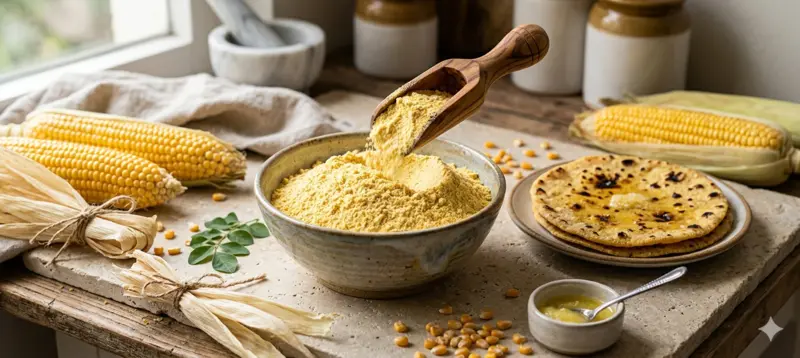
Table of Contents
You have probably used corn flour in your kitchen without thinking much about it. But this humble ingredient carries a surprisingly rich nutritional profile and a long list of health benefits.
Whether you are looking for a gluten-free alternative or simply want to understand what you are putting on your plate, this guide covers everything you need to know about corn flour.
What Is Corn Flour?
Corn flour, also known as maize flour, is made by finely grinding whole dried corn kernels. It has a smooth, powdery texture and a naturally sweet, earthy flavour. The colour can range from pale yellow to white, depending on the variety of corn used.
In India, corn flour is widely used in everyday cooking, from makki di roti to crispy coatings and gravies. It is a staple that bridges traditional recipes and modern gluten-free diets with ease.
It is important not to confuse corn flour with cornstarch. Cornstarch is extracted only from the starchy part of the kernel, known as the endosperm. Corn flour uses the entire kernel, including the bran and germ, making it far more nutritious. The two are not interchangeable in most recipes.
How Is Corn Flour Made?
The process begins with dried corn kernels, typically yellow dent corn, which are cleaned and sorted. The outer hull and germ are usually removed in commercial milling, and the remaining starchy kernel is ground into a fine powder using metal rollers.
Stone-ground corn flour, made from whole kernels with the bran and germ intact, is less common but more nutritious. It retains more fibre, healthy fats, and micronutrients. However, it has a shorter shelf life than commercially milled flour.
Types of Corn Flour
Corn flour comes in several varieties. Each has its own flavour, colour, and culinary purpose.
- Yellow corn flour: Made from yellow corn kernels, this is the most commonly available variety. It has a naturally sweet taste and a golden hue. It is widely used in traditional Indian flatbreads and snacks.
- White corn flour: Made from white corn, it has a milder taste and lighter colour. It is often used in batters, sauces, and recipes where a subtle corn flavour is preferred.
- Blue corn flour: Made from blue corn, it is rich in antioxidants and has a slightly nutty, sweet flavour. It is less common but gaining popularity in health-conscious cooking.
- Coarse corn flour (polenta or grits): This has a rougher texture and is used in heartier dishes like cornbread, corn porridge, and puddings.
Nutritional Value of Corn Flour
Corn flour is primarily a carbohydrate-rich food, but it also provides fibre, protein, and a range of essential vitamins and minerals. The table below shows its approximate nutritional composition per 100 g.
|
Nutrient |
Amount (per 100 g) |
|
Energy |
361 kcal |
|
Carbohydrates |
76.8 g |
|
Dietary Fibre |
7.3 g |
|
Protein |
6.93 g |
|
Fats |
3.86 g |
|
Iron |
2.38 mg |
|
Magnesium |
32 mg |
|
Phosphorus |
99 mg |
|
Potassium |
315 mg |
|
Vitamin B1 (Thiamine) |
0.14 mg |
|
Vitamin B6 (Pyridoxine) |
0.18 mg |
|
Folate (Vitamin B9) |
25 mcg |
Corn flour also contains bioactive compounds such as carotenoids, ferulic acid, lutein, and zeaxanthin. These phytochemicals contribute to its antioxidant and anti-inflammatory properties. B vitamins like thiamine (B1) and pyridoxine (B6) support energy metabolism and nerve function. Folate is essential for cell growth and DNA synthesis, making it particularly important during pregnancy.
Benefits of Corn Flour
Here is a look at the key health benefits that corn flour can offer when consumed as part of a balanced diet.
1. Supports Heart Health
Corn flour contains dietary fibre, magnesium, and essential fatty acids. Research suggests that whole grain-derived flours may help lower blood pressure and reduce the risk of cardiovascular disease. Dietary fibre also helps manage cholesterol levels by reducing low-density lipoprotein (LDL), commonly referred to as bad cholesterol. Including corn flour in a balanced diet may contribute to better heart health over time.
2. Promotes Digestive Health
The dietary fibre in corn flour adds bulk to your stool and encourages regular bowel movements. It also acts as a prebiotic, feeding beneficial gut bacteria in the colon. A healthy gut microbiome is linked to better immunity, improved mood, and reduced inflammation. The starch in corn flour further supports mineral absorption in the digestive tract.
3. Provides Sustained Energy
Corn flour is rich in complex carbohydrates, which are broken down gradually by the body. This slow digestion leads to a steady release of glucose into the bloodstream, giving you sustained energy without the sharp spikes and crashes associated with refined sugars. It is a good energy source for active individuals and growing children.
4. Rich in Antioxidants
Corn flour contains carotenoids such as lutein and zeaxanthin, along with ferulic acid. These compounds help neutralise free radicals, reducing oxidative stress and protecting cells from damage. Lutein and zeaxanthin are especially known for their role in protecting eye health and reducing the risk of age-related macular degeneration.
5. Aids Weight Management
The fibre and protein content in corn flour help increase feelings of fullness. When you feel satisfied for longer after a meal, you are less likely to snack unnecessarily or overeat. Long-term studies suggest that a diet high in dietary fibre supports weight management by promoting lipid oxidation and reducing fat accumulation. Choosing corn flour as part of a calorie-conscious diet can be a helpful strategy.
6. Helps Address Iron Deficiency
Iron deficiency is one of the most common nutritional concerns in India. When corn flour is fortified with iron, it can contribute meaningfully to daily iron intake. Research indicates that fortified corn flour may help raise levels of haemoglobin, ferritin, and transferrin, the proteins responsible for iron transport and storage. This makes it a useful dietary tool in combating iron deficiency anaemia.
7. Supports Skin Health
The vitamins and antioxidants in corn flour support collagen production and protect the skin from oxidative damage. Vitamin E and carotenoids help maintain skin elasticity and vitality. Beyond consumption, corn flour can be used topically as a gentle exfoliant or in face masks to absorb excess oil and soothe irritated skin.
How to Use Corn Flour in Cooking
Corn flour is remarkably versatile. Here are some of the most popular ways to use it.
1. Traditional Flatbreads
Makki di roti, a beloved Punjabi staple, is made entirely with corn flour. It has a slightly coarser texture than wheat rotis and pairs wonderfully with sarson da saag. Corn flour tortillas, popular in Mexican cuisine, follow a similar principle.
2. Baking
You can use corn flour in muffins, cakes, pancakes, and waffles. It adds a light, tender texture and a subtle sweetness. It works especially well in gluten-free baking when combined with other gluten-free flours for better structure.
3. Thickening Soups and Sauces
Corn flour dissolves smoothly in water and can be used to thicken soups, gravies, stews, and sauces. It creates a silky consistency without altering the flavour of the dish significantly.
4. Crispy Coatings
Coating vegetables, paneer, chicken, or fish in corn flour before frying gives them a golden, crispy exterior. It is a popular choice for pakoras, fritters, and snack coatings across Indian kitchens.
5. Desserts and Puddings
Corn flour is used to make halwa, custards, and puddings. It acts as a binding agent that creates a smooth, velvety texture in sweet preparations.
6. Binder in Savoury Dishes
In veggie burgers, cutlets, and fish cakes, corn flour acts as a binder to hold ingredients together. It is a useful egg-free or gluten-free alternative to breadcrumbs.
Side Effects of Corn Flour
Corn flour is generally safe for most people when consumed in moderation. However, there are a few things to be mindful of.
Some individuals may experience allergic reactions to corn pollen, which can manifest as sneezing, a runny nose, itchy eyes, coughing, skin rashes, or nasal congestion. If you notice these symptoms after consuming or handling corn flour, it is best to consult a doctor.
Because corn flour is calorie-dense and high in carbohydrates, consuming it in large quantities without accounting for overall calorie intake may contribute to weight gain. Portion control matters, especially if you are managing your weight.
People with diabetes should approach corn flour with some caution. Although it contains complex carbohydrates, it has a relatively high glycemic index of around 70. Pairing corn flour dishes with fibre-rich vegetables or protein sources can help slow glucose absorption and reduce its impact on blood sugar levels.
If you are pregnant, breastfeeding, elderly, or giving corn flour to young children, it is a good idea to speak with your doctor or nutritionist before making any significant dietary changes.
Is Corn Flour Gluten-Free?
Yes, corn flour is naturally gluten-free. This makes it an excellent alternative for people with celiac disease or gluten sensitivity. Unlike wheat flour, which contains gluten proteins that can trigger an immune response in susceptible individuals, corn flour is safe to use in both cooking and baking for those on a gluten-free diet.
A few things to keep in mind:
- Pure corn flour is gluten-free, but cross-contamination can occur during processing if the same facility handles wheat products. Always check the label for a certified gluten-free mark.
- Corn flour is not a direct substitute for wheat flour in all recipes. It lacks the elasticity that gluten provides, so baked goods may have a different texture.
- Combining corn flour with other gluten-free flours such as rice flour or buckwheat flour often produces better results in baking.
- If you have been diagnosed with celiac disease, it is advisable to seek guidance from a dietitian before making changes to your flour choices.
Stay Informed About Your Health
Corn flour is a wholesome, versatile ingredient that fits well into a balanced diet. Its fibre content, antioxidant compounds, and gluten-free nature make it a nutritious choice for a wide range of people. Like all foods, it is best enjoyed in appropriate portions as part of a varied diet.
Good nutrition forms the foundation of lasting health. Alongside eating well, keeping track of your key health markers helps you stay ahead of potential concerns before they become problems. Routine blood tests and full body checkups can reveal important information about your iron levels, blood sugar, cholesterol, and more, often long before symptoms appear.
Metropolis Healthcare makes preventive health monitoring simple and accessible. With over 4,000 tests available, accurate NABL and CAP-accredited labs, and the convenience of home sample collection across more than 10,000 touchpoints, you can take charge of your health on your own terms. Book your tests easily through the Metropolis website, app, call, or WhatsApp, and receive reliable results you can trust.
Frequently Asked Questions (FAQs)
What Is Corn Flour Used For?
Corn flour is used in a wide variety of culinary applications. It is a staple in traditional flatbreads like makki di roti and tortillas. You can use it as a thickener for soups, gravies, and sauces. It is also popular as a crispy coating for fried foods, as a binder in cutlets and patties, and as a base for baked goods like cakes, muffins, and pancakes. In desserts, it lends a smooth texture to puddings and custards.
Is Corn Flour Good for Weight Loss?
Corn flour can support weight management when consumed in moderation as part of a balanced diet. Its dietary fibre and protein content help you feel fuller for longer, which can reduce overall calorie intake. However, corn flour is relatively calorie-dense. Eating large quantities without monitoring your total calorie consumption is unlikely to support weight loss. Pair corn flour dishes with plenty of vegetables and protein for the best results.
Can Corn Flour Cause Allergies?
Yes, some people can be allergic to corn or corn products. Symptoms may include sneezing, a runny nose, itchy or watery eyes, skin rashes, coughing, or nasal congestion. These reactions are often linked to sensitivity to corn pollen. Corn allergies are not very common, but they do exist. If you suspect a corn allergy, speak with a doctor for proper evaluation and guidance.
How Do You Store Corn Flour?
- Store corn flour in an airtight container to protect it from moisture and pests.
- Keep it in a cool, dry place away from direct sunlight. A pantry or kitchen cabinet works well.
- Stone-ground corn flour, which retains the bran and germ, has a shorter shelf life. Store it in the refrigerator to extend its freshness.
- Commercially milled corn flour typically lasts for six to twelve months when stored correctly. Always check the best-before date on the packaging.
- Avoid storing corn flour near strong-smelling foods, as it can absorb odours.
References
-
Siyuan S, Tong L, Liu R. Corn phytochemicals and their health benefits. Food Science and Human Wellness. 2018;7(3):185-95.
- Tighe P, Duthie G, Vaughan N, et al. Effect of increased consumption of whole-grain foods on blood pressure and other cardiovascular risk markers in healthy middle-aged persons: a randomized controlled trial. Am J Clin Nutr. 2010;92(4):733-40.
- Mellen PB, Walsh TF, Herrington DM. Whole grain intake and cardiovascular disease: a meta-analysis. Nutr Metab Cardiovasc Dis. 2008;18(4):283-90.
- Hollander PL, Ross AB, Kristensen M. Whole-grain and blood lipid changes in apparently healthy adults: a systematic review and meta-analysis of randomized controlled studies. Am J Clin Nutr. 2015;102(3):556-72.
- Behall KM, Scholfield DJ, Yuhaniak I, Canary J. Diets containing high amylose vs amylopectin starch: effects on metabolic variables in human subjects. Am J Clin Nutr. 1989;49(2):337-44.
- Liu S, Willett WC, Manson JE, et al. Relation between changes in intakes of dietary fiber and grain products and changes in weight and development of obesity among middle-aged women. Am J Clin Nutr. 2003;78(5):920-7.
- Murphy MM, Douglass JS, Birkett A. Resistant starch intakes in the United States. J Am Diet Assoc. 2008;108(1):67-78.
- Garcia-Casal MN, Pena-Rosas JP, De-Regil LM, et al. Fortification of maize flour with iron for controlling anaemia and iron deficiency in populations. Cochrane Database Syst Rev. 2018;(12).
- Nikolić N, Mitrović J, Karabegović SI, et al. A comparison between wheat and different kinds of corn flour based on minerals, free phenolic acid composition and antioxidant activity. Quality Assurance and Safety of Crops and Foods. 2019;11(4):1-10.
- Sung SY, Lee WY, Yong SJ, et al. A case of occupational rhinitis induced by maize pollen exposure in a farmer. Allergy Asthma Immunol Res. 2012;4(1):49-51.